Introduction
Over the past two decades, esports has transformed from a niche activity enjoyed by a small group of gaming enthusiasts into a massive global phenomenon. Today, competitive video gaming is not only a multi-billion-dollar industry but also a cultural force that is shaping the way young people think, interact, and define entertainment. The impact of esports on youth culture is profound, influencing everything from lifestyle choices and career aspirations to social interaction, identity formation, and even education.
For many young people, esports is more than just playing games. It represents a way to connect with communities, find inspiration from professional players, and develop new skills that are relevant in both virtual and real-life settings. In this blog, we will explore the far-reaching effects of esports on youth culture, analyzing its positive contributions, potential drawbacks, and how it continues to evolve as a defining part of modern life.
The Rise of Esports and Its Popularity Among Youth
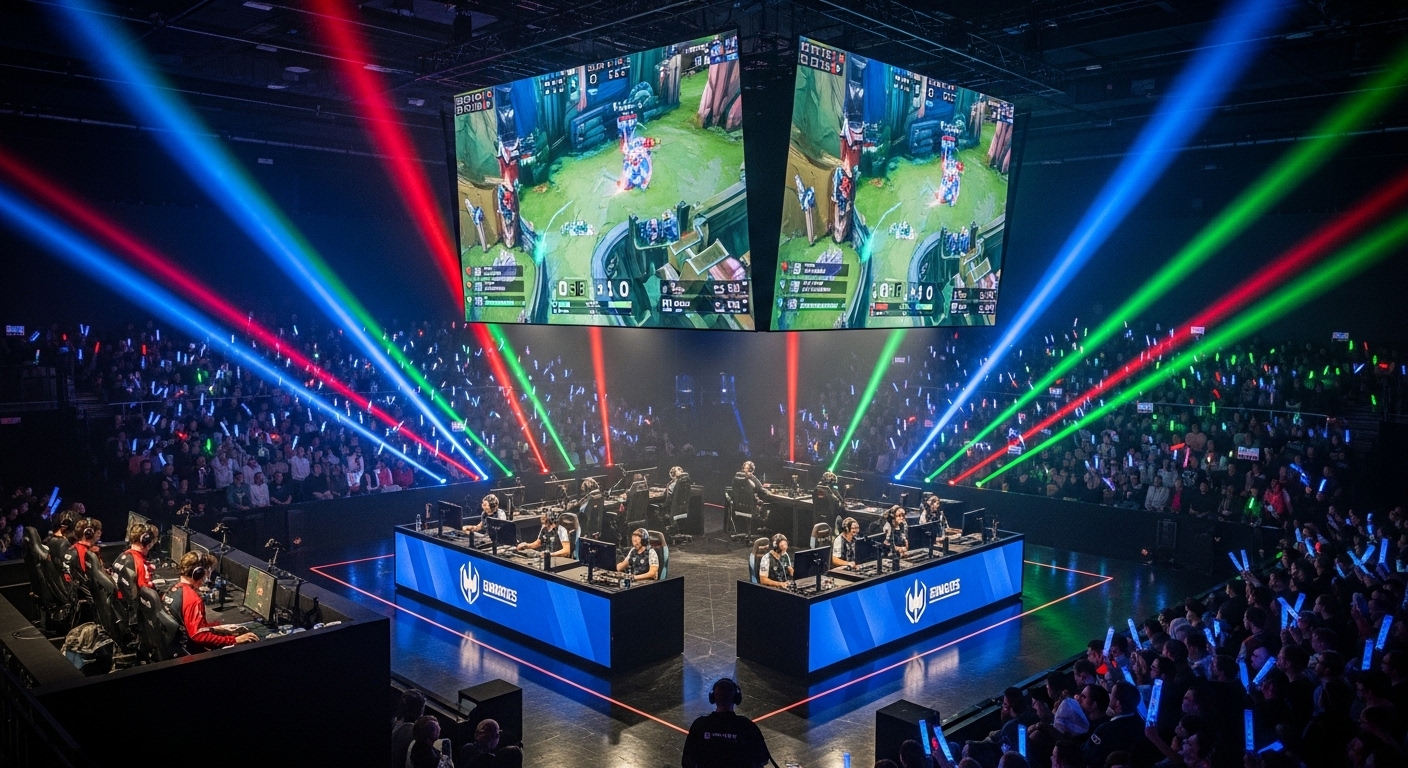
Esports began gaining traction in the late 1990s and early 2000s with games like StarCraft, Counter-Strike, and Warcraft III. However, it was the rise of online streaming platforms and competitive leagues that catapulted esports into mainstream culture. Today, millions of young people tune in to watch tournaments for games like League of Legends, Dota 2, Fortnite, and Valorant, with audiences rivaling traditional sports events.
This popularity has made esports an aspirational pursuit for many young fans. Just as children once looked up to athletes in football or basketball, today’s youth often admire professional gamers, streamers, and content creators who have carved out careers in the esports ecosystem. The accessibility of gaming also plays a role. Unlike traditional sports, where access to training facilities or equipment can be a barrier, esports only requires a console or computer and internet connection, making it more inclusive for many young people.
Esports and Social Connection
One of the most significant cultural impacts of esports is how it fosters social interaction among youth. Gaming is no longer an isolated activity; it is a highly social experience where players collaborate, compete, and communicate with others across the globe.
Through multiplayer games, young people build friendships, form teams, and develop a sense of belonging in digital communities. Esports tournaments, both online and offline, serve as meeting grounds for fans and players alike, strengthening bonds through shared passion. For many, these online friendships are just as meaningful as in-person ones, reflecting how digital culture has expanded the definition of socialization.
Moreover, esports encourages teamwork and cooperation. Youth players learn to strategize, assign roles, and support each other in competitive environments. These collaborative experiences contribute to communication skills that extend beyond gaming.
The Influence on Identity and Self-Expression
Esports provides young people with a platform for self-expression and identity formation. Just as fans of traditional sports often align themselves with teams and players, esports fans also identify with particular games, franchises, and professional organizations. This identification goes beyond mere entertainment—it becomes part of how youth define themselves.
Gamertags, avatars, and customizations in esports-related games allow young players to express individuality. Cosplay, fan art, and participation in online discussions are also common forms of cultural expression tied to esports. The sense of belonging to a global movement gives young people a way to explore identity in safe and creative ways.
Career Aspirations and Opportunities
Esports has also changed the way youth think about careers. Where gaming was once dismissed as a hobby with little real-world application, it is now recognized as a viable career path. Professional players can earn salaries, sponsorships, and prize money from tournaments, while content creators and streamers make income through broadcasting their gaming experiences.
Beyond professional play, esports has created job opportunities in event management, broadcasting, marketing, game development, and coaching. Many young people aspire to enter these fields, inspired by the visibility of esports in mainstream media. Universities and schools have even started offering esports programs and scholarships, further legitimizing gaming as an academic and professional pursuit.
Skills Development Through Esports
Contrary to stereotypes of gaming as unproductive, esports helps young people develop valuable skills. Critical thinking, problem-solving, and strategic planning are essential components of competitive gaming. Players must analyze opponents, adapt to new situations, and make quick decisions under pressure.
Hand-eye coordination, reflexes, and multitasking are also enhanced through esports. Communication skills are honed in team-based games, while leadership qualities often emerge when young players take on the role of captains or organizers. Discipline, resilience, and time management are additional traits learned through consistent practice and competition.
These transferable skills can be applied beyond gaming, whether in academics, personal growth, or future careers.
The Globalization of Youth Culture Through Esports
Esports transcends national boundaries, creating a shared culture among youth worldwide. A young person in South Korea, the United States, or Brazil can all watch the same tournament, follow the same professional players, and participate in the same online discussions. This shared experience unites diverse cultures under a common passion for competitive gaming.
International tournaments like the League of Legends World Championship or The International in Dota 2 highlight the global appeal of esports. They bring together players and fans from different backgrounds, promoting cross-cultural interaction and appreciation. For many young fans, esports serves as a gateway to learning about other cultures and building friendships across borders.
The Role of Streaming and Influencers
Streaming platforms such as Twitch, YouTube Gaming, and Facebook Gaming have amplified the cultural influence of esports. Young fans not only watch professional tournaments but also engage daily with their favorite streamers, who often become role models and cultural icons.
Streamers and influencers bring authenticity and relatability that traditional celebrities may lack. They share their gaming experiences, interact with fans in real time, and create communities built around shared interests. For youth, this creates an interactive form of entertainment that blends content consumption with social participation.
The influencer culture in esports also reflects changing attitudes toward fame. Many young people now aspire to be streamers or content creators themselves, valuing creativity, community-building, and entrepreneurship.
Esports and Lifestyle Trends
The influence of esports extends into fashion, music, and lifestyle trends. Professional gaming teams collaborate with clothing brands to launch apparel lines, and gaming-inspired fashion has become popular among young people. Sneakers, jerseys, and accessories associated with esports teams are now symbols of identity and style.
Music and gaming have also become increasingly intertwined. Major artists perform at esports events, and game soundtracks influence youth musical tastes. The blending of these cultural elements shows how esports is not just a form of entertainment but a lifestyle movement.
Potential Challenges of Esports on Youth Culture
While the cultural impact of esports is largely positive, it also comes with challenges.
Screen Time and Health Concerns
Excessive gaming can lead to sedentary behavior, sleep disruption, and eye strain. Balancing screen time with physical activity is an ongoing concern for young players.
Addiction and Burnout
Competitive gaming can sometimes lead to addictive behavior, where young people prioritize games over studies, work, or social life. Professional players also face burnout from long hours of practice.
Online Toxicity
Like many online environments, esports communities can be susceptible to toxic behavior such as cyberbullying, harassment, or discrimination. This creates challenges for inclusivity and safe participation.
Unrealistic Expectations
While esports offers career opportunities, only a small percentage of players become professionals. Some young people may develop unrealistic expectations about making a living solely from gaming, leading to disappointment.
Addressing these challenges requires balanced approaches from parents, educators, and the esports industry itself.
Esports in Education and Positive Development
Interestingly, esports is also finding a place in education. Many schools and universities have introduced esports programs as a way to engage students, teach teamwork, and develop problem-solving skills. By formalizing esports as an extracurricular or academic activity, educators recognize its potential to positively influence youth development.
Furthermore, esports clubs and programs provide inclusive spaces for students who may not participate in traditional sports. These opportunities allow young people to build confidence, find community, and pursue passions in structured ways.
The Future of Esports and Youth Culture
Looking ahead, esports will continue to shape youth culture in profound ways. As technology advances with virtual reality, augmented reality, and cloud gaming, the immersive experiences will expand. Esports will also become more integrated with mainstream entertainment, bridging the gap between gaming and traditional sports.
For youth, this means even more opportunities for participation, whether as fans, players, or professionals in related fields. The cultural influence will grow, further normalizing gaming as a central part of modern life. Importantly, the values of teamwork, creativity, and global connection fostered by esports will continue to empower the next generation.
Conclusion
The impact of esports on youth culture is undeniable. What began as a pastime has evolved into a global movement that influences how young people connect, express themselves, and envision their futures. From social interaction and identity formation to career aspirations and lifestyle trends, esports has become deeply embedded in youth culture.
While challenges such as health concerns, online toxicity, and unrealistic expectations must be addressed, the overall influence of esports is largely positive, offering opportunities for growth, creativity, and global connection. As esports continues to evolve, it will remain a defining cultural force, shaping the identities and aspirations of young people for years to come.