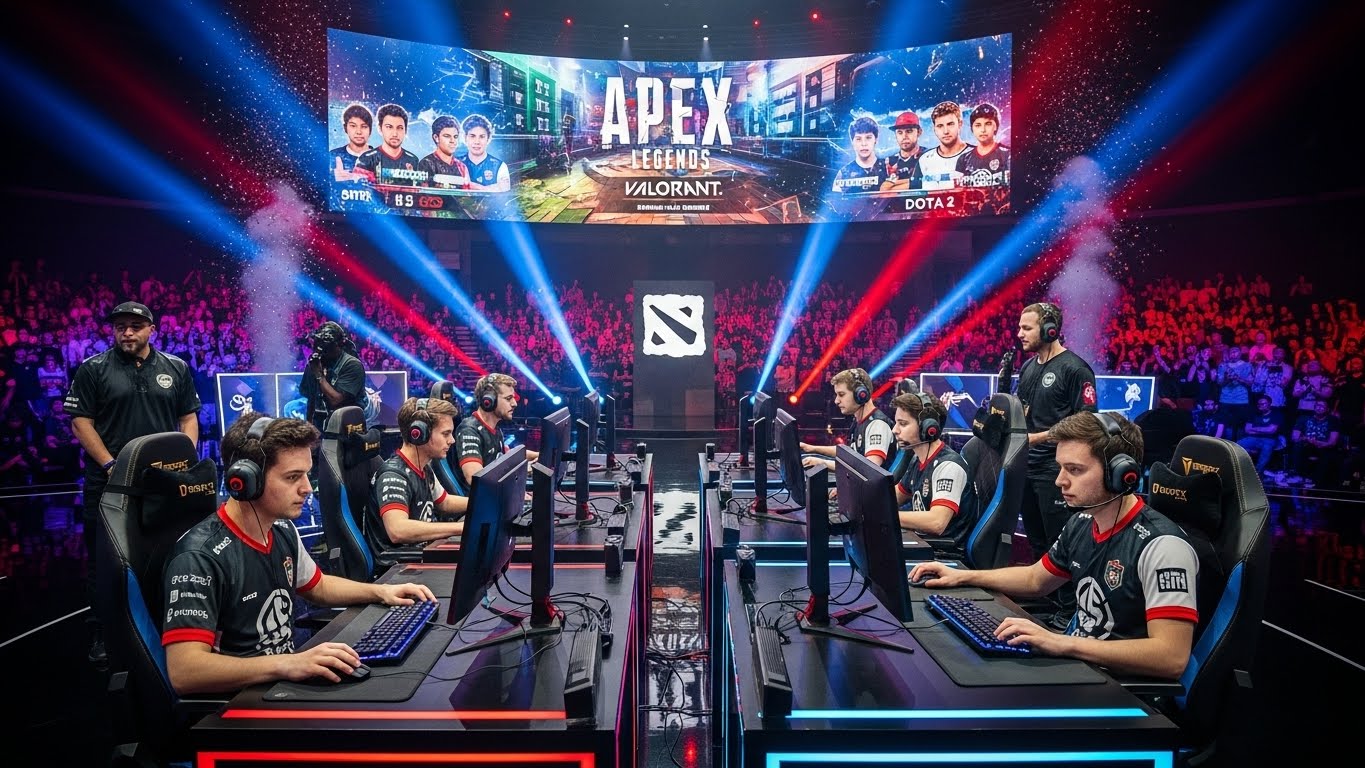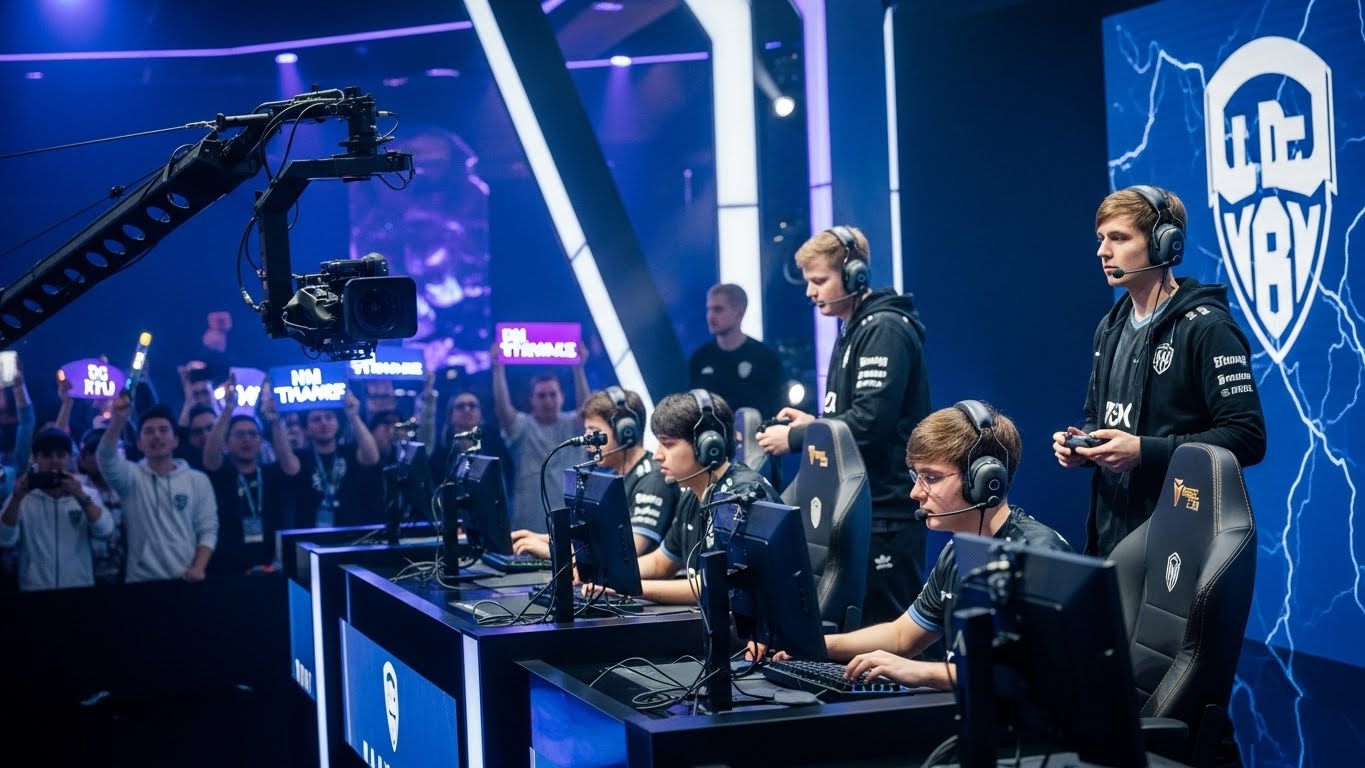
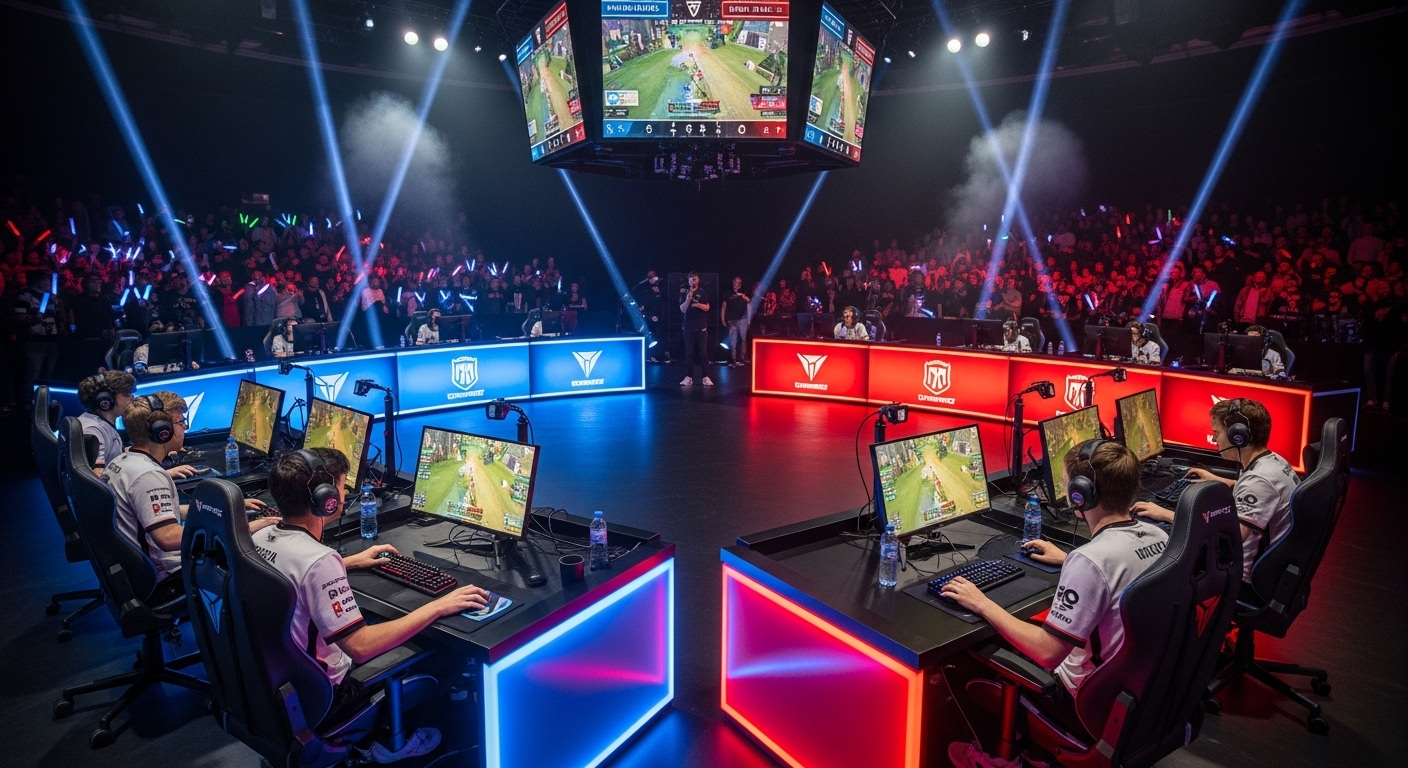
In the past two decades, esports has evolved from a niche interest to a multi-billion-dollar industry that reaches millions of fans worldwide. Competitive gaming, once seen as a pastime for a select few, is now a thriving global phenomenon with professional leagues, high-stakes tournaments, massive sponsorships, and millions of passionate fans tuning in to watch the action unfold. But how did this once overlooked sector grow into the entertainment juggernaut it is today? In this blog post, we will explore the rise of esports, its impact on traditional sports and entertainment, and its future in an increasingly digital world.
The Genesis of Esports: Humble Beginnings
The origins of esports can be traced back to the late 20th century, when competitive video gaming first began to take shape. In the early days of gaming, players would often compete for high scores in arcade games like Space Invaders or Pac-Man. While these early competitions were informal and localized, they laid the groundwork for the formalized structure of competitive gaming we know today.
The first true esports tournament, held in 1997 for the game Quake, was a turning point for the competitive gaming scene. The Red Annihilation tournament, with its large prize pool and the participation of skilled players, was one of the earliest examples of esports as a legitimate competition. It sparked interest in the potential for large-scale esports events, but it wasn’t until the late 1990s and early 2000s that online multiplayer games like StarCraft and Warcraft III brought the concept of global competition to life.
With the rise of broadband internet in the late 1990s, online gaming became more accessible, and multiplayer games saw a surge in popularity. Competitive gaming events began to spread, with organizations like ESL (Electronic Sports League) creating a platform for competitive gaming to thrive. The dawn of League of Legends, Dota, and Counter-Strike further solidified esports as a growing industry.
The Role of Streaming Platforms: Esports Becomes Spectator Sport
The next major milestone in esports’ meteoric rise was the advent of streaming platforms. In 2011, Twitch, a platform dedicated to live-streaming video games, was launched, and it quickly became the beating heart of the esports ecosystem. Twitch allowed players to broadcast their gameplay to a global audience, while fans could watch their favorite players, interact with them in real-time, and build communities around esports.
As Twitch grew in popularity, so did the popularity of esports events. League of Legends, one of the most iconic esports games, attracted millions of viewers to its tournaments. Similarly, the Dota 2 International quickly became one of the most-watched esports events in history. The ability to stream these events live made esports not just a competition for players but a spectator sport with a global reach.
The surge in online viewership marked a turning point for esports, transforming it from a niche interest into a mainstream phenomenon. Tournaments with multi-million-dollar prize pools attracted global attention, while dedicated esports broadcasters like ESL, MLG (Major League Gaming), and DreamHack began to host major events that attracted thousands of fans both online and in person.
The Business Side of Esports: An Industry Exploding in Value
As esports grew in popularity, it attracted significant investment from major corporations and traditional sports organizations. What started as a grassroots movement soon became a multi-billion-dollar industry, with revenues generated from sponsorships, media rights, ticket sales, merchandising, and more.
The most obvious signs of esports’ commercial success can be seen in the sheer size of tournament prize pools. For example, the Dota 2 International regularly boasts one of the largest prize pools in the world, often exceeding $30 million. The League of Legends World Championship is another esports event that attracts millions of viewers and offers prize pools that rival those of major traditional sports tournaments.
Corporate sponsorship has been a major driver behind the commercialization of esports. Technology giants like Intel, Nvidia, and Razer have invested heavily in esports, sponsoring tournaments, players, and teams. Meanwhile, global brands like Coca-Cola, Nike, Mercedes-Benz, and BMW have joined in, recognizing esports as a valuable platform for reaching younger, tech-savvy audiences.
In addition to traditional sponsorships, esports has also garnered interest from mainstream media companies. Networks like ESPN, Fox Sports, and NBC have broadcast esports events, further legitimizing esports as a mainstream entertainment medium. This shift has led to the professionalization of the industry, with esports organizations now managing teams and offering full-time salaries to players, analysts, coaches, and support staff.
Esports vs. Traditional Sports: Competing for the Spotlight
One of the most intriguing aspects of esports’ rise is how it has begun to intersect with traditional sports. While esports and physical sports like football, basketball, and soccer may seem entirely different on the surface, there are clear parallels between the two industries.
First, esports has borrowed heavily from traditional sports in terms of structure and organization. Many esports leagues, such as the Overwatch League and Call of Duty League, have adopted the franchise model used by professional sports leagues like the NBA and NFL. These leagues feature teams that represent cities or regions, and each team competes in a regular season followed by playoffs and finals.
Similarly, esports organizations have begun to adopt the professionalism seen in traditional sports teams. Teams such as Cloud9, Team Liquid, and G2 Esports have established themselves as major players in the esports world, managing a roster of talented players who compete in various titles. These teams invest in coaching, analytics, training facilities, and support staff, much like any traditional sports team.
The popularity of esports has also prompted traditional sports teams to invest in the industry. Football clubs like FC Barcelona and Paris Saint-Germain, basketball teams like the Dallas Mavericks, and even baseball organizations like the Atlanta Braves have all invested in esports, launching teams and forming partnerships with esports organizations.
Despite these similarities, there are distinct differences between esports and traditional sports. Esports is largely digital, and the nature of competition is virtual rather than physical. However, the sheer scale of audience and global fan engagement for esports events has led many to consider it as a legitimate competitor to traditional sports in terms of entertainment value.
The Social Impact of Esports: Changing the Game for Fans
Beyond the business and competitive aspects, esports has had a profound cultural and social impact. One of the most significant ways esports has influenced modern culture is by breaking down barriers between players and fans. Unlike traditional sports, where there is often a clear distinction between athletes and fans, esports has created a more accessible environment where players and fans interact directly.
Streaming platforms like Twitch and YouTube Gaming have allowed fans to engage with players in real time. Viewers can interact with their favorite streamers through live chat, ask questions, and even influence the game through live voting. This interactive element has helped build strong communities around specific games and players, creating a unique ecosystem where fans feel like they are part of the action.
Furthermore, esports has become an inclusive and diverse space. While video games were once seen as the domain of young men, esports has attracted a wide range of players and fans from all genders, races, and nationalities. The global nature of esports means that anyone with access to a computer or console can participate, compete, or spectate, regardless of their background or location.
This sense of inclusion has been further amplified by the rise of female esports players and influencers, who are challenging stereotypes and pushing for greater representation in a space traditionally dominated by men. Initiatives like Women in Esports are working to foster diversity and create opportunities for underrepresented groups within the esports community.
The Future of Esports: A Digital Powerhouse
Looking ahead, the future of esports appears incredibly bright. As technology continues to evolve, esports will likely become even more immersive and interactive. Virtual reality (VR) and augmented reality (AR) could revolutionize how players and fans experience competitive gaming. Imagine players competing in fully immersive VR environments or spectators watching events from any angle they choose through AR glasses.
Mobile esports is another area poised for rapid growth. As smartphones become more powerful and capable of handling complex games, mobile esports will reach an even broader audience, particularly in developing regions where mobile gaming is the primary form of entertainment. Games like PUBG Mobile, Free Fire, and Clash Royale have already gained a massive following, and the mobile esports scene is expected to expand rapidly in the coming years.
Moreover, esports is increasingly being recognized as a legitimate career path, with educational institutions offering scholarships and degree programs focused on esports management, game development, and content creation. As the industry matures, we can expect to see more opportunities for professionals in a variety of fields, from broadcasting and marketing to event management and game design.
Esports is also likely to continue blurring the lines between gaming and traditional entertainment. Major brands will continue to sponsor esports events, and esports will likely become a fixture in the mainstream media. Over time, esports could become as culturally significant as traditional sports, creating new fanbases and new ways for people to engage with digital entertainment.
Conclusion: A New Era in Global Entertainment
Esports has come a long way since its early days in arcades and basement tournaments. Today, it stands as a digital powerhouse, with millions of fans, professional players, and organizations making up a thriving global ecosystem. With significant investments from major corporations, growing media exposure, and a vibrant community of fans and players, esports is poised to become a dominant force in the entertainment industry.