Introduction: The Rise of Esports
Esports, or competitive video gaming, has emerged as one of the fastest-growing forms of entertainment in the world. What began as informal gaming competitions among friends has transformed into a global phenomenon attracting millions of players, fans, and investors. Unlike traditional sports, esports thrives in a digital environment, offering a new kind of competition that merges skill, strategy, and technology. The rise of esports is not just about games; it is about culture, community, career opportunities, and the evolution of entertainment. This blog explores the multifaceted impact of esports, highlighting its influence on players, fans, industries, and society at large.
The Evolution of Esports
Esports has come a long way from its humble beginnings in arcade tournaments and early computer game competitions. In the 1990s, games like StarCraft and Quake laid the foundation for organized competitive gaming. The 2000s saw the rise of online multiplayer games, with titles like Counter-Strike, Dota, and League of Legends capturing global audiences. Today, esports is a billion-dollar industry, featuring professional leagues, international tournaments, and streaming platforms that reach millions of viewers. The evolution of esports demonstrates how technology, internet connectivity, and digital culture have reshaped the concept of competition, creating an entirely new form of entertainment that appeals to a diverse global audience.
The Competitive Nature of Esports
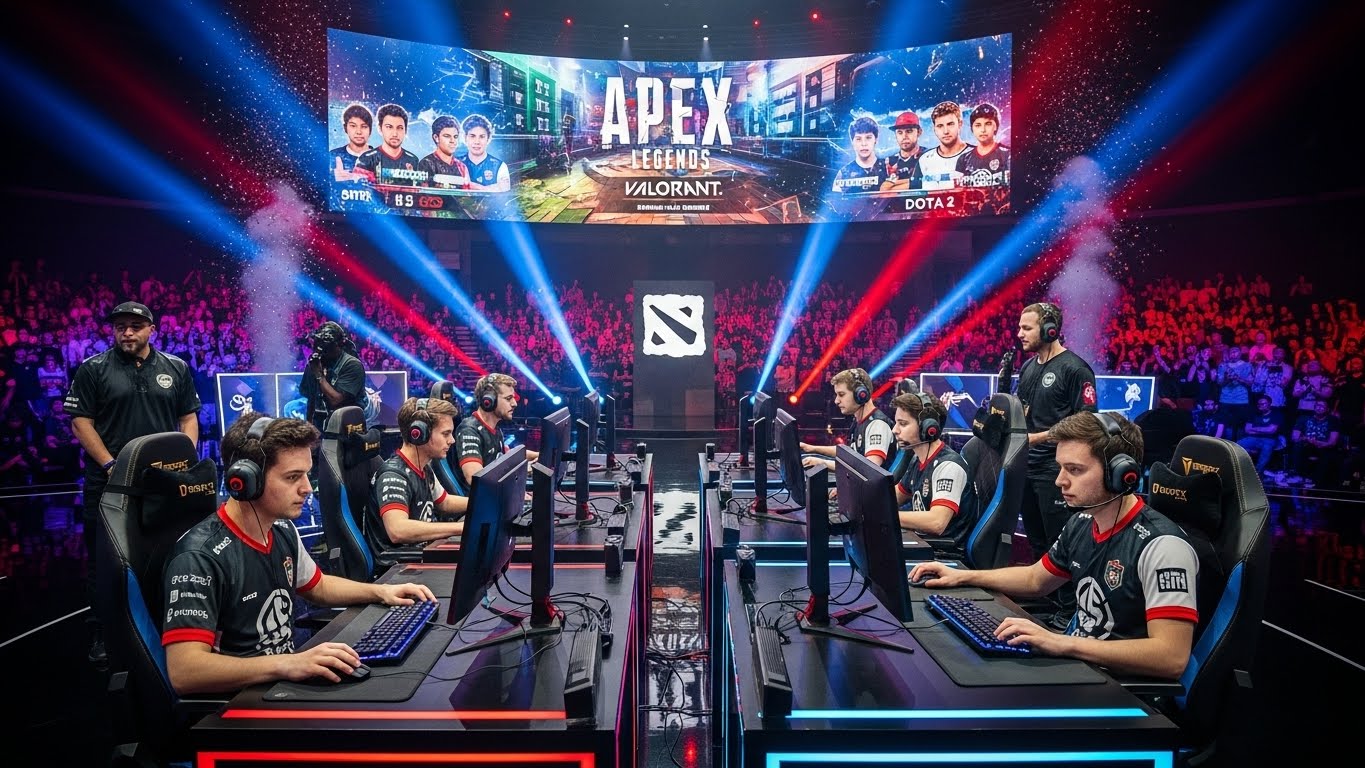
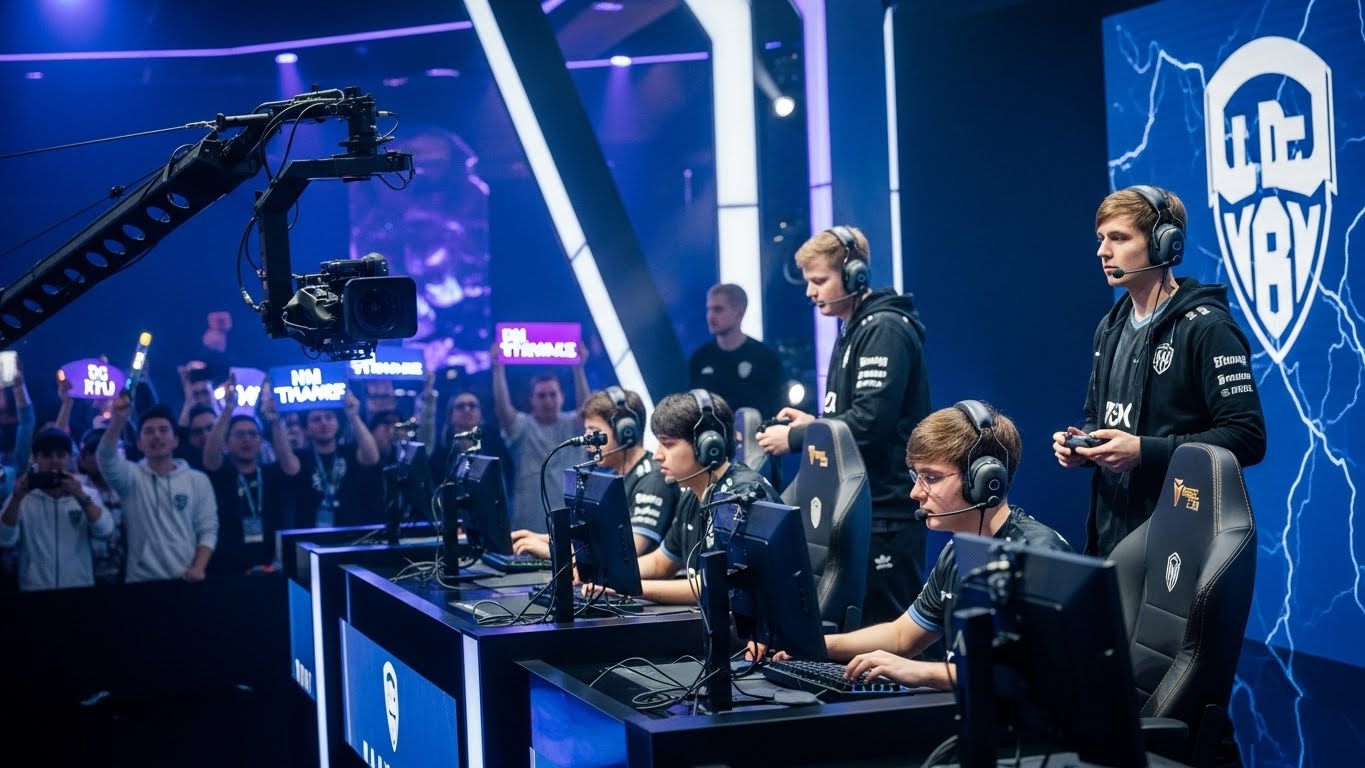
At the heart of esports is competition. Professional esports players undergo rigorous training, often practicing for eight to twelve hours a day, much like traditional athletes. These players must master game mechanics, strategies, teamwork, and mental resilience. Success in esports requires quick reflexes, analytical thinking, and the ability to perform under pressure. Competitions range from local tournaments to massive international events such as The International for Dota 2 or the League of Legends World Championship. These competitions attract massive audiences and generate significant prize pools, reflecting the level of skill and dedication required to excel in the field.
The Mental and Cognitive Benefits of Esports
While some critics view video gaming as a sedentary activity, research suggests that esports offers cognitive and mental benefits. Competitive gaming enhances problem-solving abilities, critical thinking, and decision-making under pressure. Players develop spatial awareness, memory retention, and hand-eye coordination at high levels. Esports also encourages goal setting, perseverance, and adaptive thinking, as players must constantly analyze opponents, adjust strategies, and learn from failures. Furthermore, participating in esports can boost confidence, foster teamwork, and improve communication skills, especially in team-based games where collaboration is essential.
Community and Social Connection
One of the most remarkable aspects of esports is its ability to create communities. Fans and players from around the world connect through forums, streaming platforms, and social media, sharing strategies, achievements, and experiences. Online multiplayer games often foster close-knit teams, with players relying on each other’s strengths and supporting one another through challenges. Esports communities also provide a sense of belonging and identity, particularly for younger generations who find common ground through gaming. These communities transcend geographical boundaries, uniting people with shared passions and interests.
Esports as a Career Path
Esports is no longer just a hobby; it has become a legitimate career path for many. Professional players earn salaries through team contracts, tournament winnings, and sponsorships. Beyond playing, the esports industry offers roles in coaching, game analysis, event management, streaming, content creation, and marketing. Universities and colleges are even offering scholarships for esports players, recognizing gaming as a skill that requires dedication, strategy, and teamwork. This professionalization of esports demonstrates its credibility and growing influence in the global entertainment industry.
The Role of Technology in Esports
Technology is the backbone of esports. High-speed internet, advanced gaming hardware, and powerful software are essential for competitive play. Streaming platforms have revolutionized how fans engage with esports, allowing real-time viewing, commentary, and interaction. Virtual reality and augmented reality technologies are beginning to influence esports experiences, creating immersive environments for both players and audiences. Analytics and performance tracking software help players refine skills and develop strategies, while social media and communication tools enable global connectivity. Technology not only enhances gameplay but also transforms esports into a dynamic, interactive spectacle.
The Global Impact of Esports
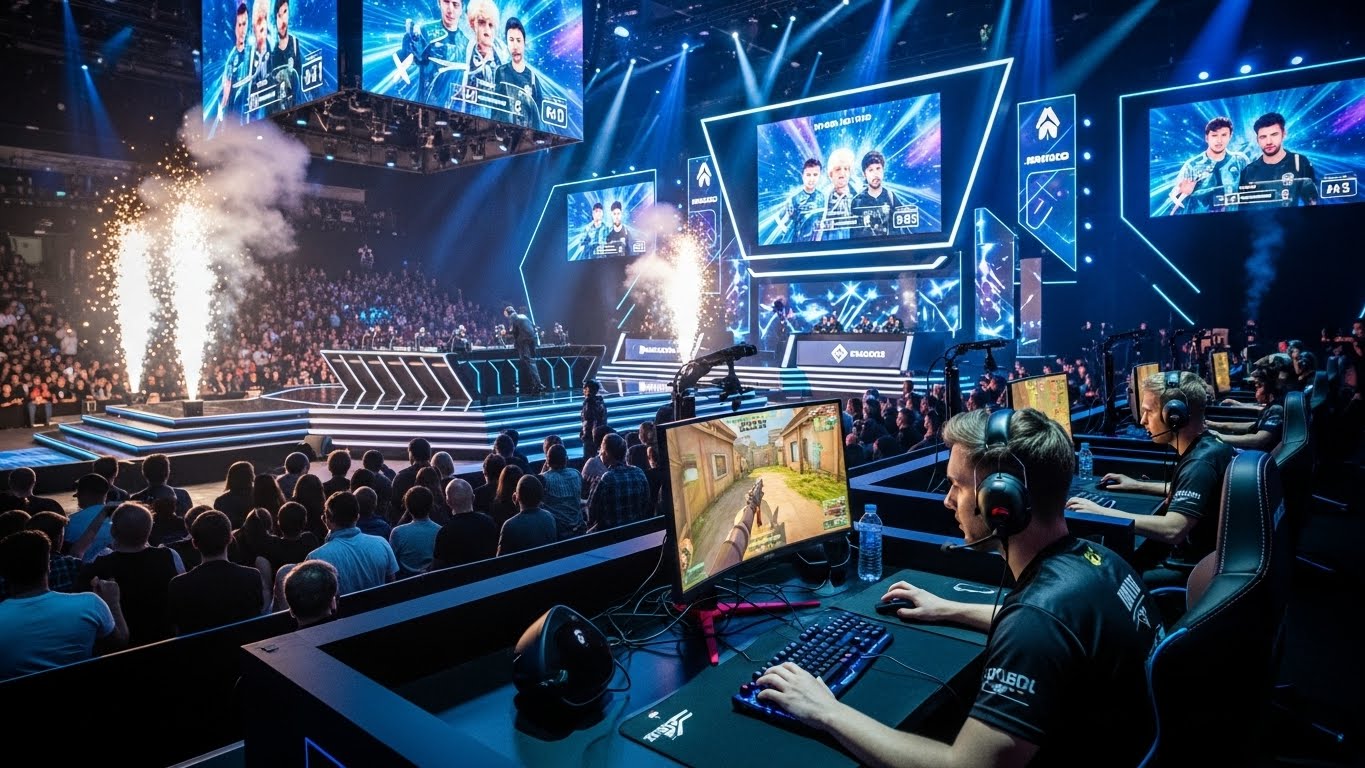
Esports has a profound global reach. Tournaments are held on every continent, attracting international competitors and viewers. Countries such as South Korea, China, the United States, and several European nations have embraced esports as a cultural and economic force. International competitions promote cross-cultural interaction, with players and fans from diverse backgrounds coming together. Esports also drives economic growth through sponsorships, merchandise, media rights, and tourism related to events. This global impact illustrates how esports has evolved from a niche hobby to a worldwide industry influencing entertainment, technology, and culture.
Health Considerations in Esports
While esports offers numerous benefits, it also presents health challenges. Extended gaming sessions can lead to physical issues such as eye strain, repetitive strain injuries, and poor posture. Mental health can also be affected, with stress, burnout, and anxiety being common among professional players. However, many esports organizations now emphasize the importance of fitness, proper nutrition, mental coaching, and structured practice schedules to maintain players’ overall well-being. Integrating health-conscious practices ensures that players can perform at their best while minimizing the risks associated with prolonged gaming.
Esports and Education
The influence of esports extends into education, with schools and universities incorporating gaming into their programs. Esports promotes critical thinking, strategy development, and teamwork, which are valuable skills for students. Academic institutions recognize esports as a way to engage students in a digital-first environment while fostering communication, leadership, and analytical skills. Some universities now offer courses on esports management, game design, and digital media, preparing students for careers in the expanding gaming industry. By bridging education and esports, students gain both academic knowledge and practical skills relevant to the modern digital economy.
Cultural Significance and Mainstream Acceptance
Esports has increasingly become a part of mainstream culture. Major tournaments are broadcast on television, social media, and streaming platforms, drawing millions of viewers worldwide. Esports celebrities enjoy fame comparable to traditional sports stars, influencing fashion, entertainment, and lifestyle trends. Gaming culture has also shaped music, art, and online communities, reflecting the integration of esports into broader societal trends. The growing acceptance of esports challenges stereotypes around video gaming and highlights its legitimacy as a form of competition and cultural expression.
The Future of Esports
The future of esports is bright and full of potential. As technology advances, virtual and augmented reality could revolutionize competitive gaming, creating immersive experiences for players and audiences alike. Increased investment from sponsors, media companies, and governments will further professionalize the industry. Esports may continue to expand into educational programs, corporate training, and international diplomacy through cultural exchange. As the lines between gaming, entertainment, and technology blur, esports is poised to redefine how we think about competition, teamwork, and engagement in the digital age.
Conclusion: Esports as a Cultural and Competitive Force
Esports is more than a digital pastime; it is a global movement shaping the future of competition, culture, and community. From developing cognitive skills to fostering teamwork, creating career opportunities, and uniting fans worldwide, esports has a transformative impact on players and society. It demonstrates that competition is not confined to traditional sports arenas, but can thrive in virtual worlds driven by strategy, skill, and passion. As esports continues to grow, it will redefine entertainment, challenge cultural perceptions, and inspire new generations to explore the limitless possibilities of digital competition. The story of esports is still being written, but its influence on global culture and human connection is undeniable.