Introduction: A Digital Revolution in Competition
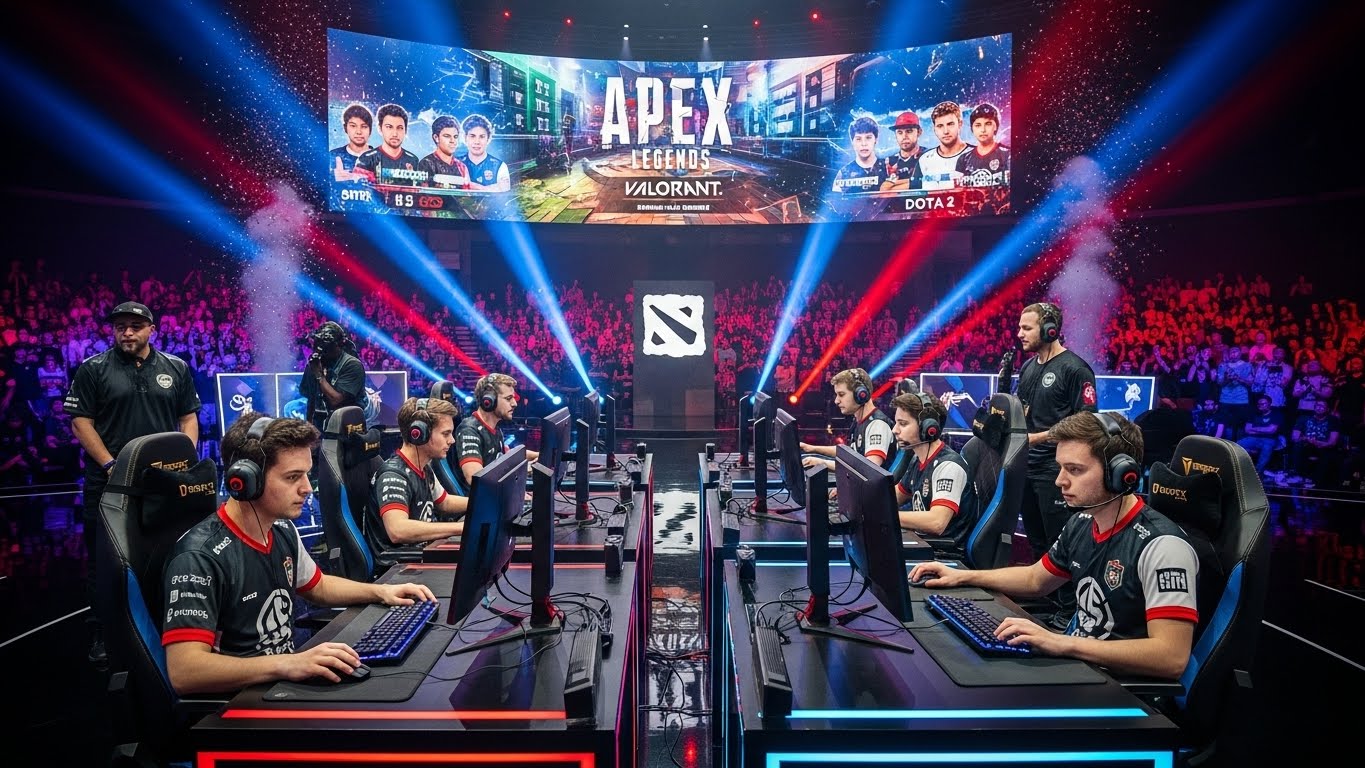
A decade ago, competitive gaming was often dismissed as a hobby for teenagers in dimly lit rooms. Today, esports has transformed into a global phenomenon, filling stadiums, generating billion-dollar revenues, and reshaping how society views entertainment and competition. What was once a niche interest has evolved into a structured, professional ecosystem supported by players, coaches, analysts, production crews, and massive global audiences. The rapid rise of esports signals a cultural shift, proving that competition is no longer confined to physical arenas. Instead, it thrives in digital landscapes where reflexes, strategy, and teamwork are just as essential as in traditional sports.
The Evolution of Esports: From Basement Battles to Global Championships
Esports did not explode overnight. Its roots trace back to the earliest days of arcade gaming, when high scores on machines were badges of honor. The arrival of home consoles allowed friends to compete casually, but it was the internet that became the real catalyst for growth. Multiplayer online games created communities, rivalries, and organized tournaments. Eventually, competitive scenes formed around popular titles, and with the support of gaming companies, structured leagues emerged.
Games like StarCraft, Counter-Strike, and Warcraft III paved the early path by attracting dedicated players and audiences. As technology improved, live streaming platforms gave esports global visibility. Suddenly, anyone could watch top-tier players compete in real time, and the professionalization of gaming accelerated. Today’s esports landscape is polished, professional, and meticulously organized, featuring league systems, global tournaments, and multimillion-dollar prize pools.
What Makes Esports a True Sport
There is still debate among some groups about whether esports qualifies as a sport. But examining the core characteristics of athletic competition makes the answer clear. Esports demands discipline, peak mental performance, precise motor skills, and extensive training. Professional players undergo rigorous practice schedules, often training eight to twelve hours daily. They review strategies, analyze opponents, and refine every aspect of their gameplay.
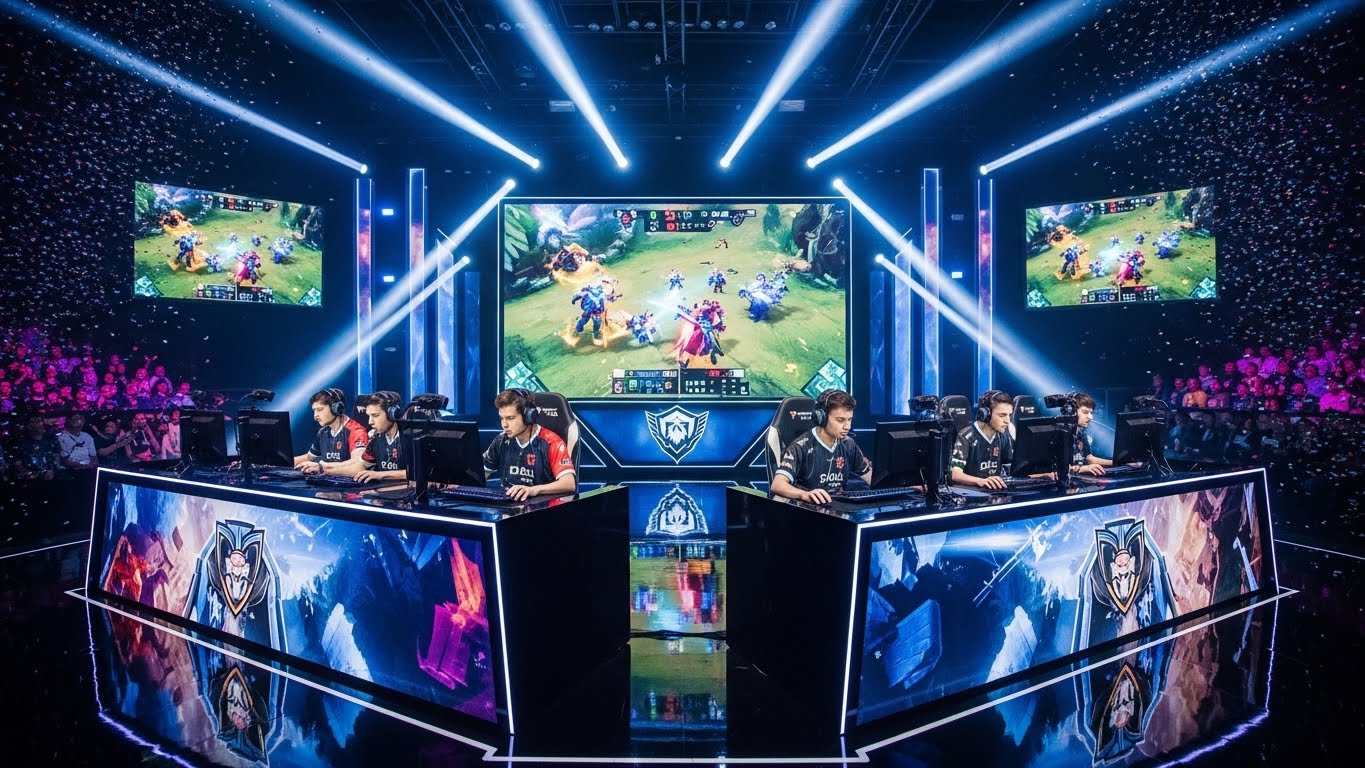
Teamwork also plays a crucial role. In games like League of Legends, Overwatch, or Dota 2, strategy coordination and synchronized execution mirror the dynamic teamwork seen in traditional sports such as basketball or soccer. Coaches and analysts contribute by studying gameplay patterns, optimizing team performance, and developing tactical advantages. The level of preparation rivals that of many physical sports teams.
Furthermore, esports competitions follow strict rules, are officiated by referees, and demand consistency, discipline, and professionalism. These elements firmly establish esports as a legitimate and recognized sport in the modern era.
The Expanding Ecosystem: More Than Just Players
Behind every star player is a vast network supporting the industry’s growth. Esports organizations operate much like traditional sports teams, complete with management, marketing, training facilities, and sponsors. They scout new talent, sign athletes to contracts, and invest in development programs.
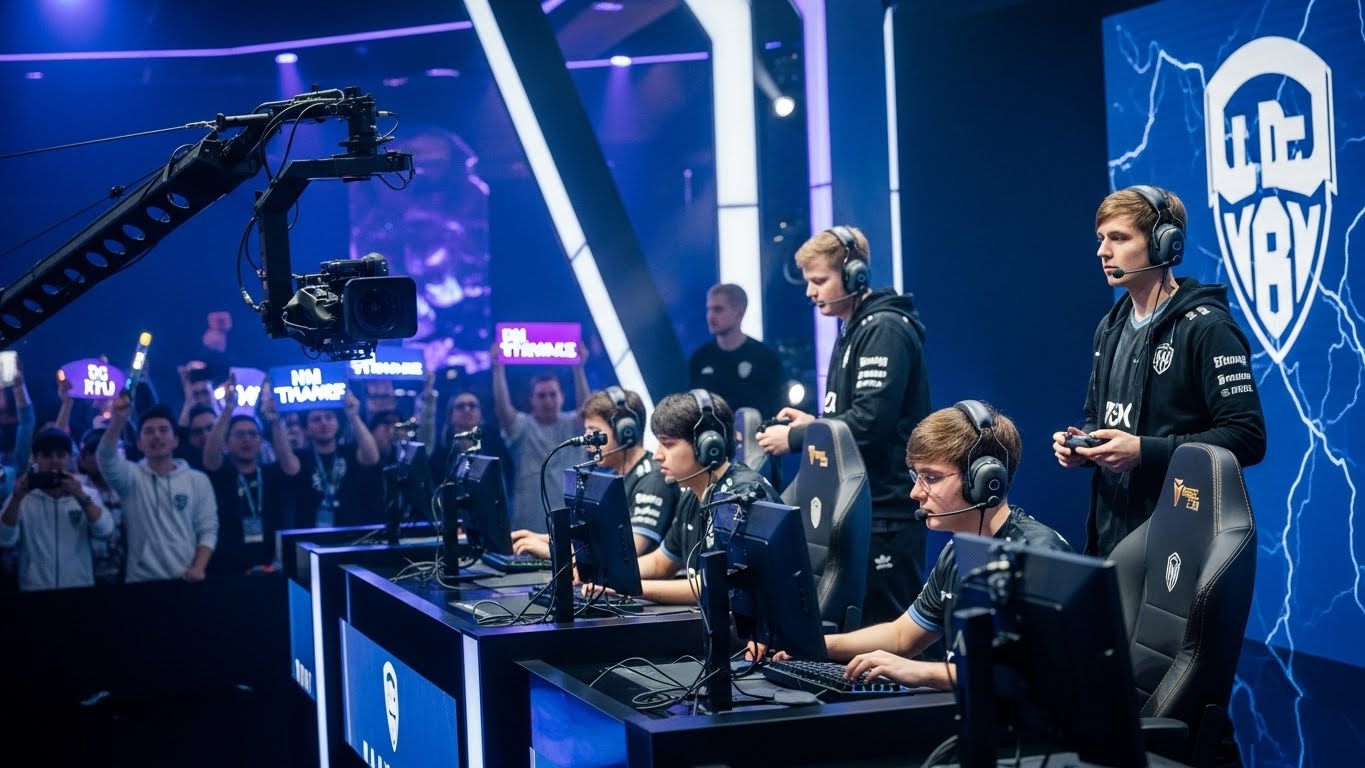
Event organizers and production teams work behind the scenes to host high-quality tournaments, designing stages, coordinating broadcasts, and ensuring smooth operations. Commentators, known as casters, serve as the voices of esports, adding energy, insight, and excitement to every match. Content creators and influencers further drive engagement, making esports accessible to new audiences worldwide.
Additionally, universities and educational institutions are increasingly offering esports scholarships, degrees in game design, and courses in esports management. This shift marks a major step forward in recognizing esports as a serious career path rather than a temporary trend.
Popular Titles That Shape the Esports Landscape
Esports thrives on variety, and each popular game brings its own culture, competitive structure, and audience. Multiplayer online battle arena games like League of Legends and Dota 2 dominate with their strategic depth and massive international tournaments. First-person shooters such as Counter-Strike, Valorant, and Call of Duty attract players who excel in precision, coordination, and quick decision-making.
Battle royale games like Fortnite and Apex Legends blend survival gameplay with esports competition, drawing younger audiences and offering unique tournament formats. Sports simulation games such as FIFA and NBA 2K bring traditional sports fans into the esports world. Fighting games like Street Fighter and Tekken continue to thrive with grassroots communities and intensely competitive scenes.
Each title contributes to the overall diversity of the esports landscape, creating a dynamic space where players can find the genre that best matches their skills and passion.
The Global Audience: A New Wave of Digital Viewership
Esports has shattered geographical boundaries. Fans from any corner of the world can tune in live, interact with communities, and follow their favorite players or teams. This accessibility has fueled incredible growth in global viewership. Large tournaments attract millions of concurrent viewers, rivaling or even surpassing traditional sports broadcasts.
Young audiences, in particular, are drawn to esports because it aligns with the digital world they inhabit. They appreciate the interactive experience, the personalities of players, and the constant evolution of games. Unlike traditional sports, esports allows fans to experience the same virtual worlds as their heroes. Anyone can download a game and immediately begin practicing the skills they admire in professionals.
The sense of community also distinguishes esports. Online platforms enable discussions, fan art, collaborative gameplay, and direct interaction with pros. The community-driven nature of esports amplifies engagement and fosters loyalty.
The Business of Esports: Sponsorships, Revenue, and Opportunities
Esports is no longer an underground passion; it is a multi-billion-dollar industry. Revenue flows from sponsorships, advertising, team merchandise, event tickets, media rights, and digital content. Brands across technology, fashion, energy drinks, and even traditional sports have invested heavily.
This corporate involvement has elevated the professionalism of the industry. Teams now sign players to long-term contracts with salaries, healthcare, and performance bonuses. Gaming companies also benefit, as esports popularity drives interest in their games and expands their communities.
Esports has also opened career opportunities beyond playing competitively. Aspiring professionals can pursue roles in coaching, content creation, event management, marketing, design, psychology, and broadcasting. The industry’s growth ensures that new roles continue to emerge each year.
Training and Discipline: The Making of a Professional Gamer
Becoming a professional esports athlete requires more than raw talent. Players must cultivate discipline, mental resilience, and adaptability. High-level gameplay demands intense focus and split-second decision-making. To maintain peak performance, players train like traditional athletes. They follow structured schedules, participate in team scrimmages, watch replays to analyze mistakes, and adjust strategies based on opponents.
Mental health is equally important. Pressure from competition, public scrutiny, and fast-paced gameplay can be overwhelming. Many teams now employ sports psychologists to help players manage stress and maintain focus. Physical health is also emphasized, with trainers helping players prevent injuries such as wrist strain, back pain, and eye fatigue.
This holistic approach demonstrates the seriousness and commitment required to succeed in esports at the highest level.
The Impact of Esports on Youth and Education
Esports has become a meaningful platform for young people to build skills and confidence. Beyond offering entertainment, competitive gaming fosters problem-solving, teamwork, leadership, and communication. Students involved in school esports clubs often develop strong social bonds and experience a sense of belonging.
Educational programs focused on esports encourage students to explore technology-related careers. Many schools now have gaming labs, courses in digital media, and workshops on game development. Scholarships for esports players provide new opportunities for students who excel in competitive gaming.
By merging entertainment with education, esports empowers younger generations to pursue passions that align with the digital future.
The Future of Esports: What Comes Next
The future of esports is bright and full of possibilities. Advancements in virtual reality, artificial intelligence, and interactive broadcasting will reshape how competitions are played and viewed. More countries are recognizing esports as an official sport, paving the way for inclusion in international events.
We may soon see esports integrated into major athletic competitions, as the line between digital and physical sports continues to blur. The technology driving gaming innovation ensures that new genres and competitive formats will emerge, offering fresh experiences for players and fans alike.
Conclusion: A New Era of Competition
Esports is not just entertainment; it is a cultural movement that reflects the digital age. It showcases the potential of technology to create new forms of connection, community, and competition. As the industry grows, it continues to inspire players, innovate entertainment, and redefine what it means to be an athlete.
What began as simple digital play has evolved into a worldwide competitive arena. Esports is here to stay, and its impact will only grow stronger as more people join the ever-expanding world beyond the screen.