Introduction: The Dawn of Competitive Gaming
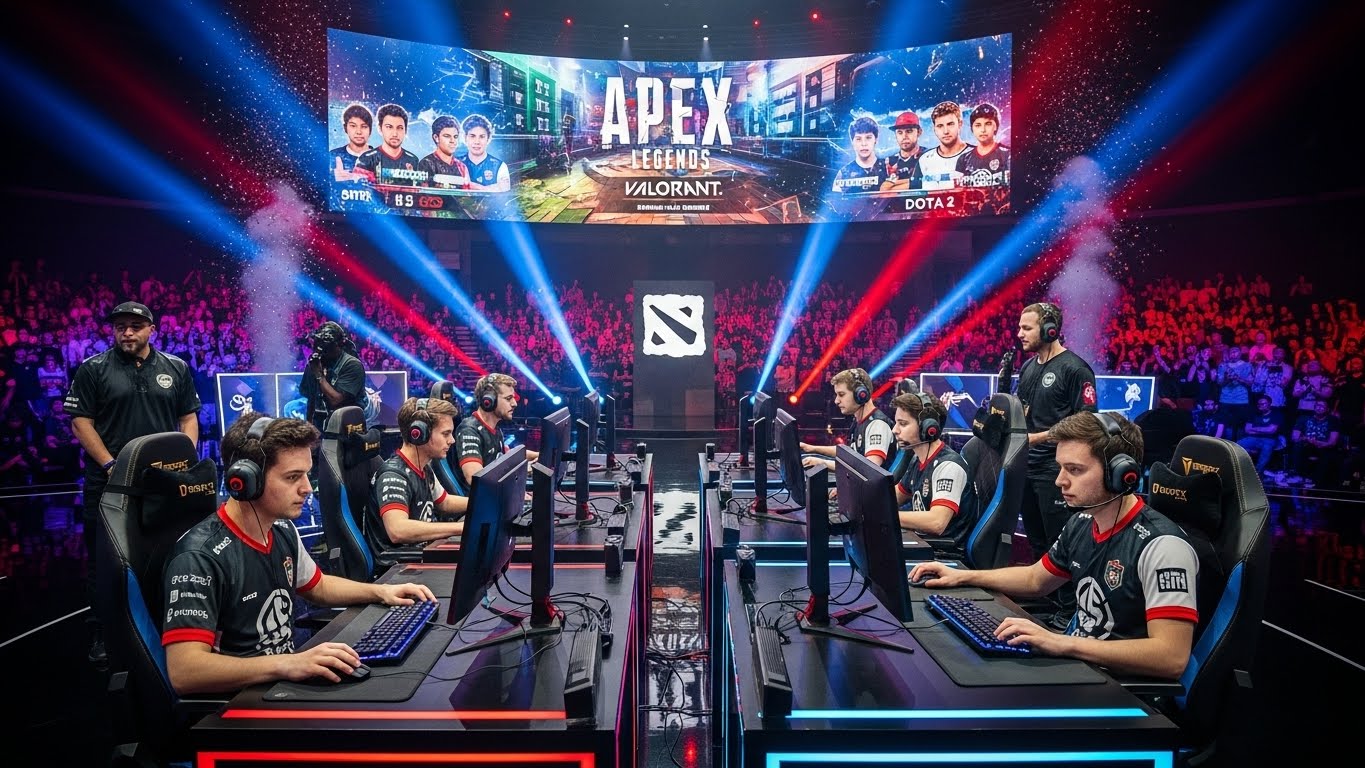
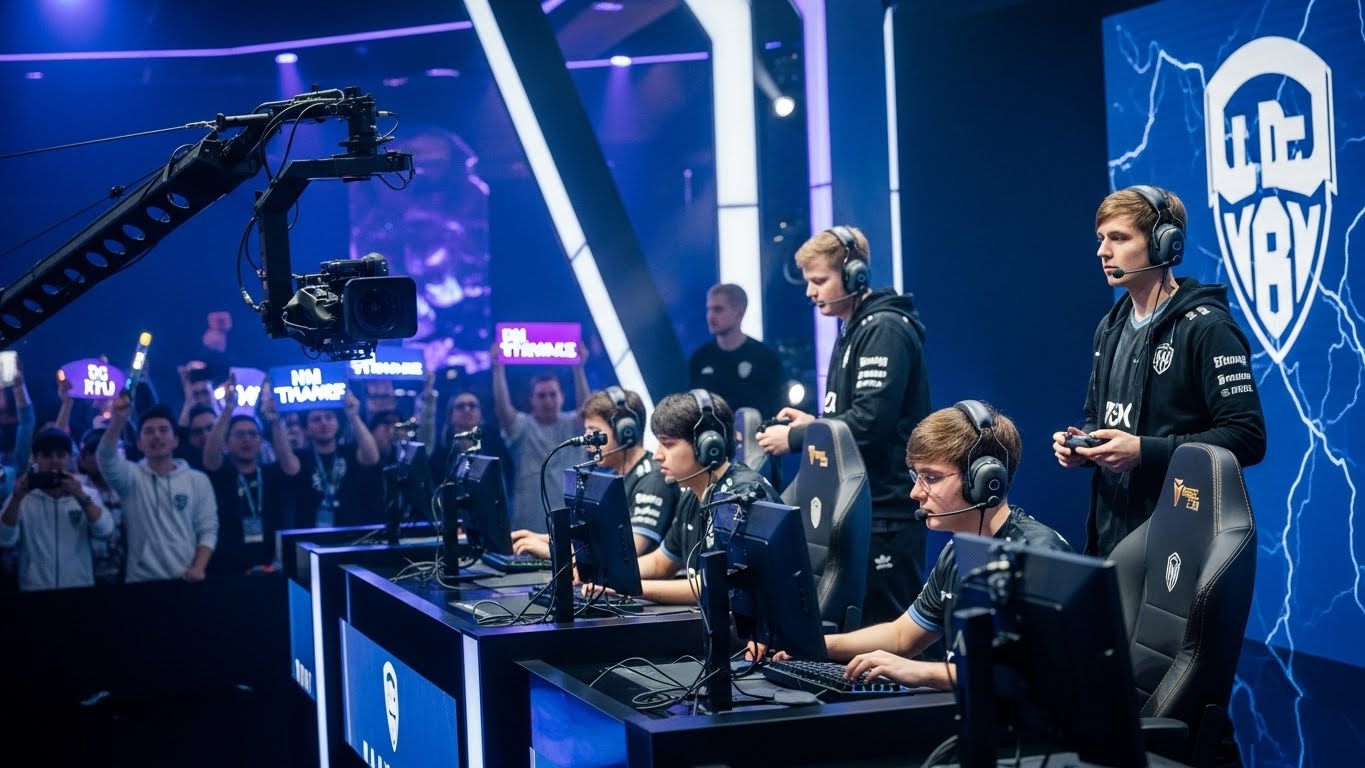
Esports, short for electronic sports, has grown from small local gaming competitions into a global phenomenon. It has transformed the way people perceive video games, turning them into professional arenas where skill, strategy, and teamwork are celebrated. Once considered a niche hobby, esports now attracts millions of viewers, sponsors, and professional athletes worldwide.
Unlike traditional sports, esports transcends physical boundaries, allowing players to compete from anywhere with an internet connection. Audiences can watch live streams of tournaments, follow favorite teams, and participate in online communities. This blog delves into the history, types, technology, cultural impact, economic significance, challenges, and future of esports.
The Origins of Esports
Competitive gaming has existed almost as long as video games themselves. The first recognized competitions took place in the 1970s and 1980s, with arcade games like Pong and Space Invaders. Players competed for high scores, creating early rivalries and fostering community spirit.
In the 1990s, online multiplayer games revolutionized esports. Titles such as StarCraft, Quake, and Counter-Strike allowed players to challenge opponents worldwide. With high-speed internet becoming more accessible, gaming evolved into organized competitions, paving the way for professional leagues and tournaments.
Popular Esports Genres
Esports spans multiple game genres, each with its own strategies, skills, and fan bases.
First-Person Shooters (FPS)
FPS games like Counter-Strike: Global Offensive, Valorant, and Call of Duty require precision, reflexes, and team coordination. Success depends on strategy, communication, and the ability to make split-second decisions under pressure. FPS games are a mainstay of competitive esports, with major tournaments drawing millions of viewers globally.
Multiplayer Online Battle Arenas (MOBA)
MOBAs, including League of Legends and Dota 2, focus on team-based strategy and coordination. Players take specific roles and must work collectively to achieve objectives while countering the opposing team. MOBAs are highly tactical, often requiring long-term planning, split-second decision-making, and adaptability.
Sports Simulation Games
Games like FIFA, NBA 2K, and Madden NFL replicate real-world sports digitally. Competitions combine knowledge of actual sports with in-game tactics, attracting both sports enthusiasts and gamers. Tournaments often mirror professional leagues, and top players can become digital sports celebrities.
Battle Royale Games
Battle royale titles such as Fortnite, PUBG, and Apex Legends emphasize survival in large-scale environments. Players must adapt quickly, manage resources, and employ strategic positioning to win. Battle royale competitions are intense and unpredictable, adding excitement and a wide spectator appeal.
Fighting Games
Fighting games like Street Fighter, Tekken, and Super Smash Bros. challenge reflexes, timing, and mastery of character-specific techniques. They are often 1v1 competitions, highlighting individual skill and mental focus. Fighting games maintain a passionate, dedicated fan base within esports.
Technological Innovations Shaping Esports
Technology is central to the growth of esports, influencing gameplay, streaming, and audience engagement.
High-Performance Hardware
Professional esports players rely on high-end computers, gaming consoles, monitors, and peripherals. Smooth performance, low latency, and precise controls are essential for competitive play. Hardware advancements enable visually rich, responsive gameplay that enhances both participation and spectatorship.
Streaming and Broadcasting
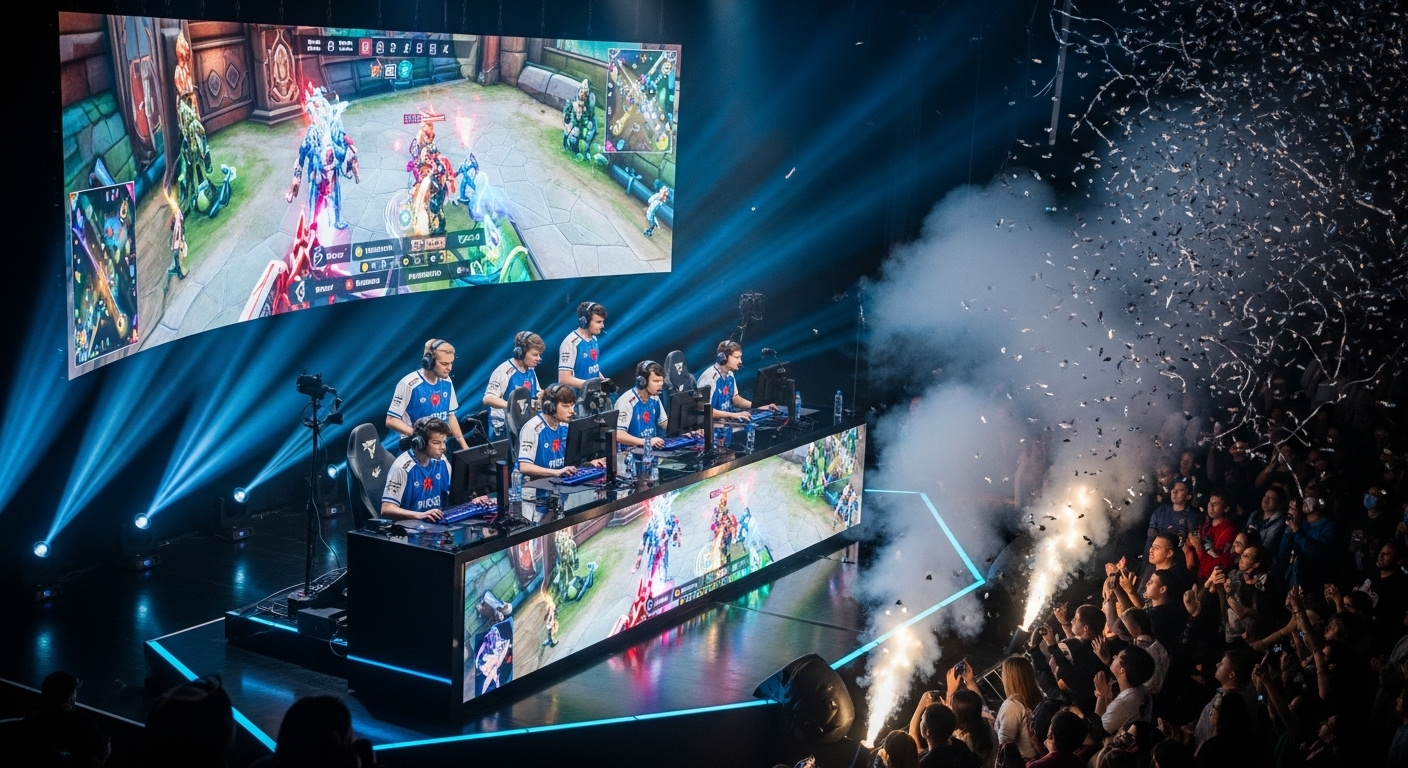
Live streaming platforms have transformed esports into a spectator-driven industry. Millions of viewers watch tournaments in real time, interact with commentators, and engage in chat communities. Streaming allows players to showcase skills, build personal brands, and create engaging content for fans worldwide.
Artificial Intelligence and Analytics
AI and data analytics support team strategy, performance tracking, and audience engagement. Coaches and analysts use data to improve gameplay, predict opponent tactics, and identify areas for skill improvement. AI also personalizes viewer experiences by recommending content based on preferences.
Virtual Reality and Immersive Experiences
While still emerging, VR technology has the potential to redefine esports. Virtual arenas can provide immersive environments for both players and viewers, offering new perspectives and interactive experiences. AR features may also enhance live events, integrating real-world and digital elements seamlessly.
Professionalization of Esports
Esports has become a legitimate professional field. Players follow structured training routines, receive coaching, and participate in organized leagues. Teams hire managers, analysts, and psychologists to support peak performance.
Major tournaments, such as The International for Dota 2, the League of Legends World Championship, and the Fortnite World Cup, feature large prize pools and extensive media coverage. Sponsorships from global brands provide additional revenue streams, enabling teams to operate like traditional sports organizations.
Social and Cultural Impact of Esports
Esports fosters vibrant communities and global connectivity. Fans join online forums, chat during streams, and attend live events to celebrate shared interests. This social dimension strengthens engagement and creates a sense of belonging.
Esports has also influenced mainstream culture. Players are recognized as celebrities, game events inspire music, fashion, and art, and esports content appears in traditional media. By merging gaming with entertainment culture, esports shapes trends and brings new forms of social interaction.
Economic Significance of Esports
The esports industry generates billions in revenue through tournament prize pools, sponsorships, advertising, merchandise, and media rights. Professional players earn income through salaries, endorsements, streaming, and tournament winnings.
Esports also fuels technological innovation, supporting hardware development, software solutions, and digital media production. Hosting major events contributes to local economies through tourism, infrastructure development, and increased business activity.
Esports in Education
Educational institutions have embraced esports through scholarships, leagues, and academic programs. Students learn teamwork, strategy, leadership, and digital literacy while participating in competitions. These programs highlight esports as a credible career pathway in areas such as professional play, game development, analytics, content creation, and event management.
Challenges in Esports
Despite its growth, esports faces challenges such as burnout, mental health issues, and online toxicity. Professional players often train for long hours under high-pressure conditions. Maintaining physical and mental health is critical for sustained performance.
Developers and organizations are implementing measures such as scheduled breaks, mental health support, parental controls for younger players, and anti-cheating systems. Promoting inclusivity and fair play remains essential for the long-term sustainability of esports.
The Future of Esports
Esports is poised for continued growth and innovation. Emerging technologies, such as VR, AR, cloud gaming, and AI, will enhance both gameplay and spectator experiences. Mobile esports and cross-platform competition will expand accessibility and global reach.
Integration with mainstream media and entertainment will create new engagement opportunities. Esports will continue professionalizing, with standardized leagues, enhanced training facilities, and larger prize pools. Its influence on culture, economy, and social interaction will deepen as gaming becomes increasingly embedded in daily life.
Conclusion: Esports as a Cultural and Competitive Revolution
Esports has transformed from casual gaming into a global competitive and cultural powerhouse. It combines strategy, skill, teamwork, and technology to create dynamic experiences for players and audiences alike.
The rise of esports illustrates a new era of competition, where digital platforms, global connectivity, and immersive gameplay redefine what it means to compete and engage with entertainment. Esports is more than a hobby or pastime—it is a transformative force shaping culture, social interaction, and the future of digital entertainment worldwide.
As technology advances and the community grows, esports will continue to inspire, challenge, and connect millions of players and fans across the globe, solidifying its place as one of the most influential entertainment mediums of the 21st century.