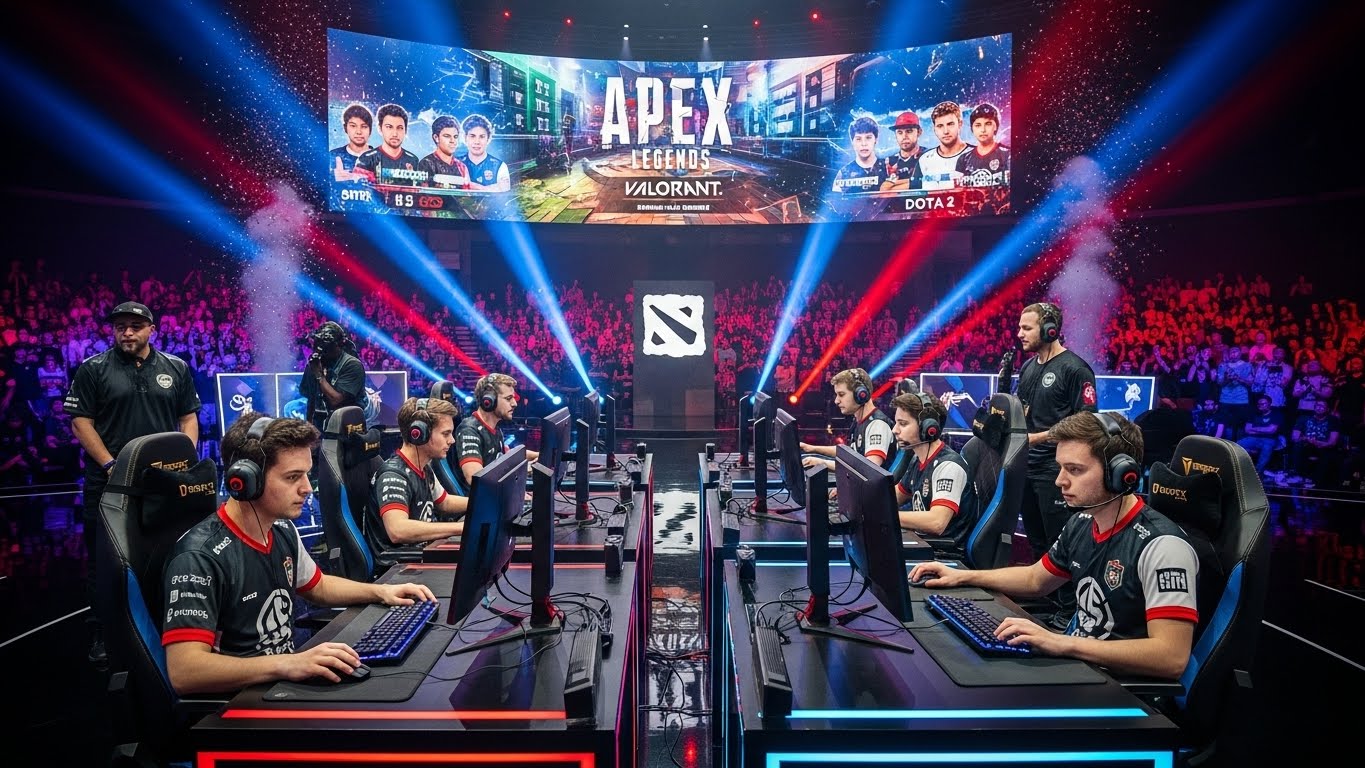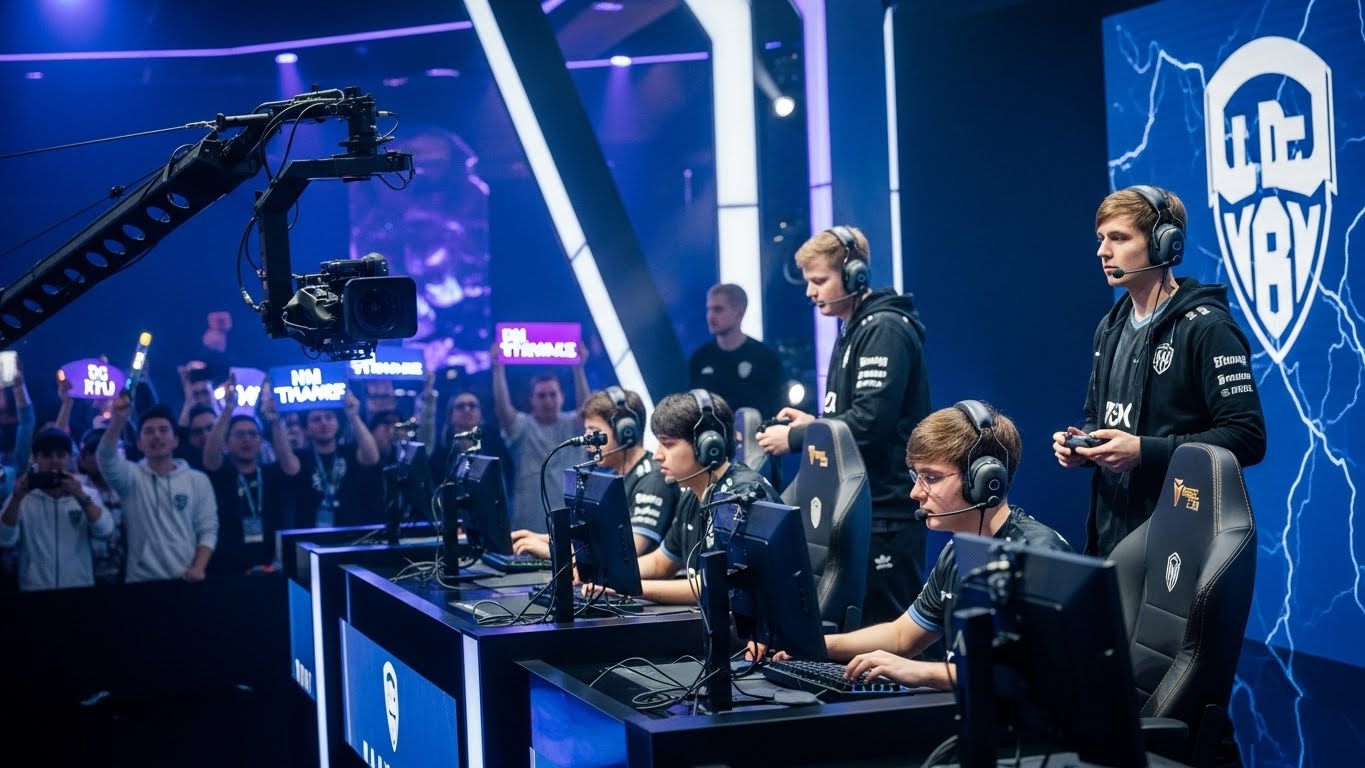
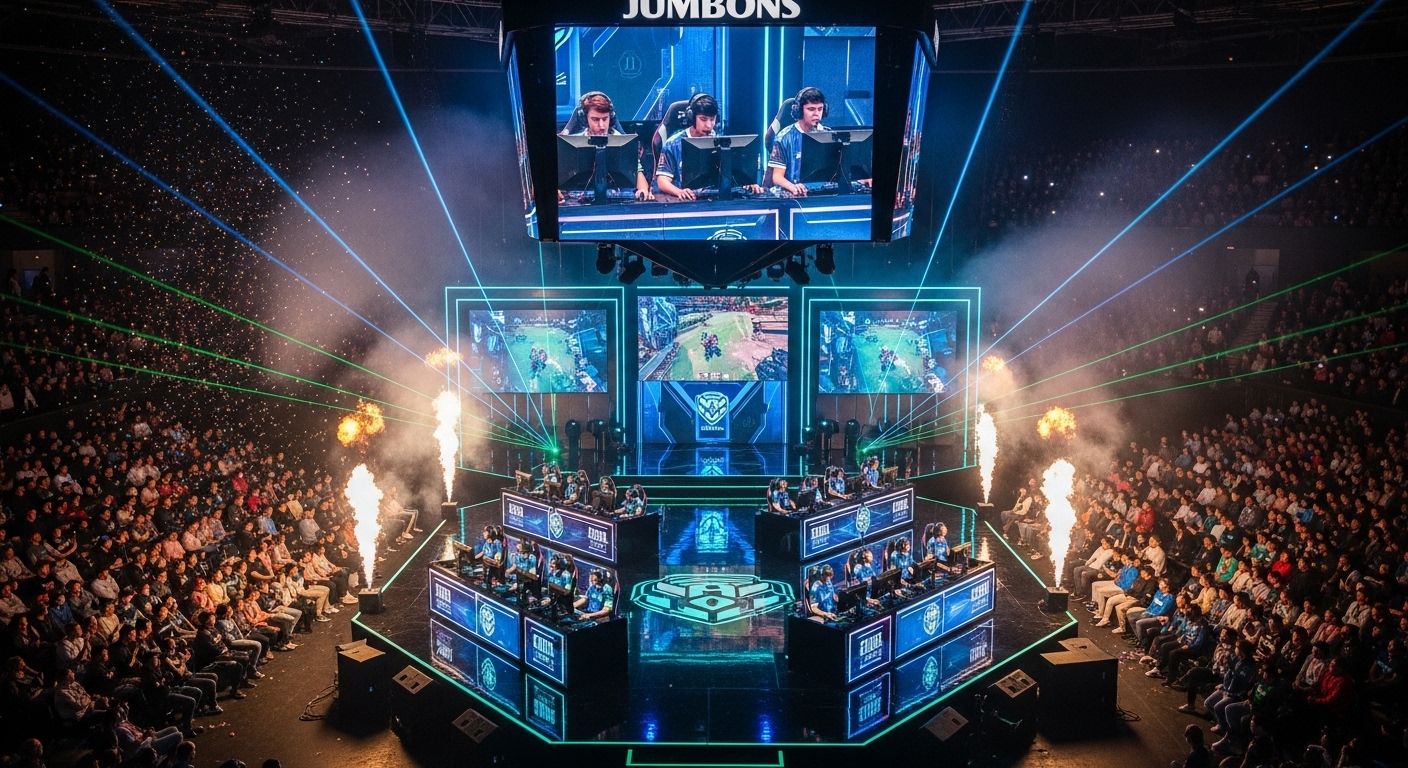
Esports has evolved from a niche hobby to a global entertainment powerhouse. In just a few decades, it has transformed from the realm of competitive gaming enjoyed by a small group of enthusiasts into a multi-billion-dollar industry that attracts millions of fans worldwide. Esports now features massive tournaments, professional teams, and high-profile sponsorships, with some players earning salaries comparable to top athletes in traditional sports.
But how did this evolution take place? In this blog post, we’ll explore the rise of esports, its cultural impact, and what the future might hold for this booming industry.
What Is Esports?
Before delving into the history and future of esports, it’s important to define what the term actually means. Esports refers to organized, multiplayer video game competitions, particularly between professional players, individually or as teams. The games involved vary greatly, ranging from strategy games like League of Legends and Dota 2, to first-person shooters such as Counter-Strike and Call of Duty, to sports simulations like FIFA.
Unlike casual gaming, where individuals play for fun or as a hobby, esports demands high levels of skill, strategy, and teamwork. Players train rigorously, competing in tournaments that are often broadcast to a global audience. With the rise of streaming platforms like Twitch and YouTube, esports has also become a spectator sport, where fans watch live events, follow teams, and engage with players both online and offline.
The Origins of Esports
Esports has roots that stretch back to the early days of video gaming itself. In the 1970s and 1980s, arcade games like Pong and Space Invaders were some of the first titles to spark competitive play among players. Tournaments began to emerge in small local communities, often centered around arcades or college campuses. The first known video game competition was the Intergalactic Spacewar Olympics in 1972 at Stanford University, where participants competed in the game Spacewar.
However, the real turning point for esports came in the late 1990s and early 2000s when the internet began to make multiplayer gaming accessible on a global scale. Titles like StarCraft, Quake, and Warcraft III provided players with an arena to compete against each other online, and the first major esports tournaments began to form. One of the first global esports events was the World Cyber Games, which began in 2000. These early competitions helped set the stage for the professional esports leagues we see today.
The Rise of Major Esports Titles
The early 2000s were pivotal in establishing the foundation of esports, but it was the launch of several key games that truly propelled esports into the mainstream. League of Legends, developed by Riot Games and released in 2009, is one of the most influential games in the history of esports. The game’s simple mechanics, strategic depth, and team-oriented gameplay made it a perfect fit for competitive play, and it quickly became one of the most-watched and most-played games in the world.
Other major titles, such as Dota 2, Counter-Strike: Global Offensive, and Overwatch, also played crucial roles in the growth of the industry. These games not only offered engaging gameplay for players but also provided thrilling viewing experiences for fans. Dota 2’s The International tournament, for example, has become one of the biggest esports events globally, offering millions of dollars in prize money each year.
The launch of these games coincided with the rise of live-streaming platforms like Twitch, where fans could watch matches, learn from pro players, and interact with their favorite teams. This shift toward spectator-driven esports laid the foundation for the industry’s rapid growth.
The Professionalization of Esports
As esports grew, so did its level of professionalism. What began as a grassroots movement with local tournaments and volunteer organizers evolved into a global industry with established leagues, sponsors, and high-paying contracts.
One of the first steps toward professionalization came in the form of organized leagues. The Electronic Sports League (ESL), founded in 2000, quickly became one of the most influential esports organizations in the world, hosting events for games like Counter-Strike and StarCraft II. Similarly, the Overwatch League (OWL), launched by Blizzard Entertainment in 2018, set a new standard for esports, with franchised teams representing cities around the world, similar to traditional sports leagues.
As esports became more professional, so too did the infrastructure supporting it. Teams began to sign contracts with players, offering salaries, training facilities, and coaching staff. Esports organizations became akin to traditional sports teams, complete with sponsorship deals, merchandise, and fan engagement strategies.
The Economic Impact of Esports
Esports is now a multi-billion-dollar industry. In 2020, the global esports industry was valued at over $1 billion, with projections showing continued growth in the coming years. Sponsorships, advertising, media rights, and merchandise sales all contribute to the industry’s revenue. Large brands, including Coca-Cola, Intel, and Mercedes-Benz, have all invested heavily in esports, further legitimizing it as a mainstream entertainment industry.
Beyond sponsorships, esports organizations also generate revenue from streaming platforms. Services like Twitch, YouTube Gaming, and Facebook Gaming have become key players in the industry. Through ad revenue, subscription fees, and donations from viewers, these platforms provide a significant income stream for both players and teams.
The increase in prize money for major tournaments is another indicator of esports’ economic impact. The International, the annual Dota 2 tournament, is known for its enormous prize pool, which in 2021 reached over $40 million. This prize pool is largely funded through crowd-sourced donations, with players and fans contributing to the pot. Other tournaments like the League of Legends World Championship and CS:GO’s ESL Pro League also offer substantial cash prizes, making esports a viable career for top-tier players.
Esports as a Global Spectator Sport
Esports has also had a profound impact on the way we think about sports entertainment. Traditional sports leagues like the NFL, NBA, and FIFA have long been dominant players in the global entertainment landscape, but esports has emerged as a serious competitor, particularly among younger generations.
Esports tournaments are broadcast globally, attracting millions of viewers across a range of platforms. In some regions, esports has overtaken traditional sports in terms of viewership. The League of Legends World Championship consistently ranks among the most-watched live events each year, even surpassing the Super Bowl in terms of online viewership.
The rise of esports has also led to the creation of dedicated esports arenas and stadiums. The HyperX Esports Arena in Las Vegas, for example, hosts regular tournaments and events, attracting fans from all over the world. These venues are designed to provide fans with an immersive, live-event experience, complete with large screens, professional commentary, and cheering crowds.
Esports and the Future
As esports continues to grow, it’s clear that the future of the industry is bright. However, challenges still remain. One of the key hurdles for esports is the issue of mainstream acceptance. Despite its growing popularity, esports is still not recognized as an official sport by many countries or organizations, which affects things like funding, regulation, and athlete benefits.
Another challenge lies in the long-term career sustainability of esports players. While some players achieve great success early in their careers, the nature of competitive gaming means that players can often burn out or face health issues related to long hours of play. As the industry matures, there will likely be increased focus on player welfare, including mental health support, better contracts, and career longevity.
Nonetheless, the potential for growth remains immense. The inclusion of esports in the Asian Games and the ongoing discussions around its possible inclusion in the Olympics further solidify its place in the global entertainment ecosystem.
As technology advances, we may also see new forms of esports emerge, such as virtual reality (VR) gaming and augmented reality (AR) competitions, opening up new avenues for both players and fans to engage with the sport in innovative ways.
Conclusion
Esports has come a long way since its humble beginnings in arcades and dorm rooms. Today, it is a thriving global industry that combines entertainment, competition, and technology to create a unique spectator experience. From casual gaming to professional tournaments, esports has captured the imagination of millions, with the potential to grow even further in the coming years. As it continues to evolve, esports will undoubtedly shape the future of both gaming and sports entertainment.