Introduction
Esports, or competitive video gaming, has transformed from a niche hobby into a global phenomenon in just a few decades. What began as casual gaming competitions among friends has evolved into a multi-billion-dollar industry, attracting millions of players and spectators worldwide. Esports blends skill, strategy, teamwork, and entertainment, offering experiences that rival traditional sports in intensity and excitement. This blog explores the world of esports, its history, cultural impact, economic significance, and the ways it is shaping the future of competition and entertainment.
The Origins of Esports
The roots of esports can be traced back to the late 1970s and early 1980s when arcade competitions and early home gaming consoles became popular. Players would gather at local arcades to compete in games such as Space Invaders, Pac-Man, and later, fighting and sports games. These early competitions laid the groundwork for organized esports tournaments.
The 1990s marked a significant turning point with the rise of personal computers and networked gaming. Games like StarCraft, Counter-Strike, and Warcraft created competitive communities where players could challenge each other online. Internet connectivity allowed competitions to transcend local areas, fostering a global gaming culture. The 2000s saw the rise of professional teams and sponsorships, establishing esports as a legitimate and serious industry.
The Popularity of Esports Today
Today, esports encompasses a wide range of games, from first-person shooters and real-time strategy games to multiplayer online battle arenas and sports simulations. Titles like League of Legends, Dota 2, Fortnite, and Call of Duty dominate the competitive scene, each attracting millions of players and fans worldwide.
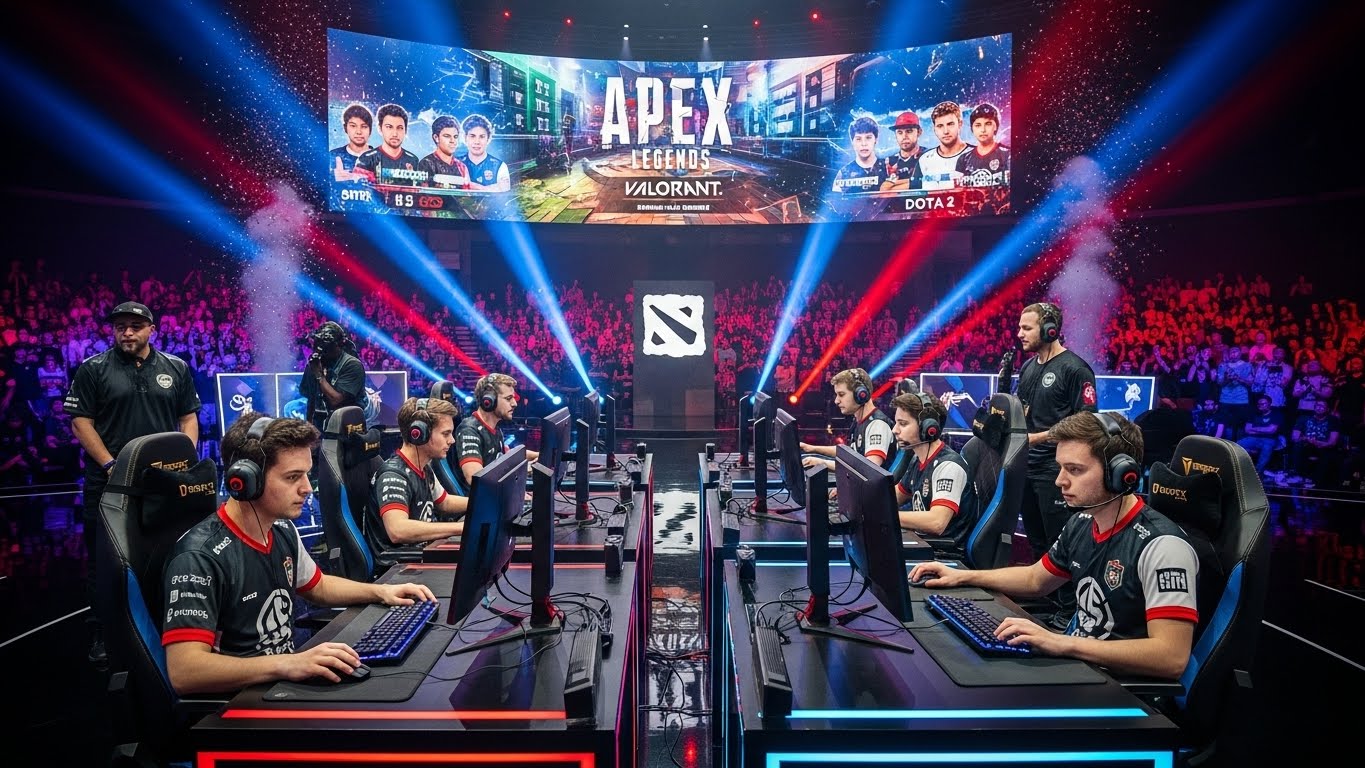
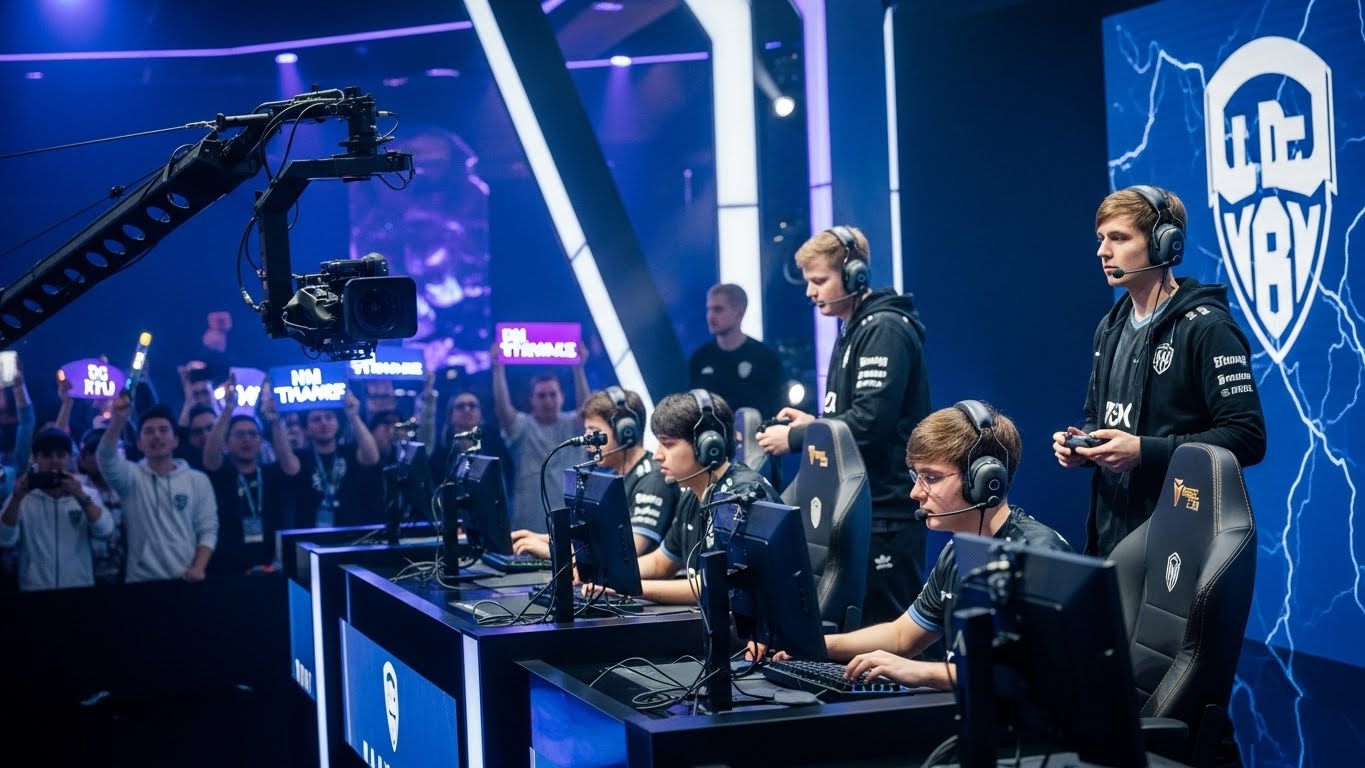
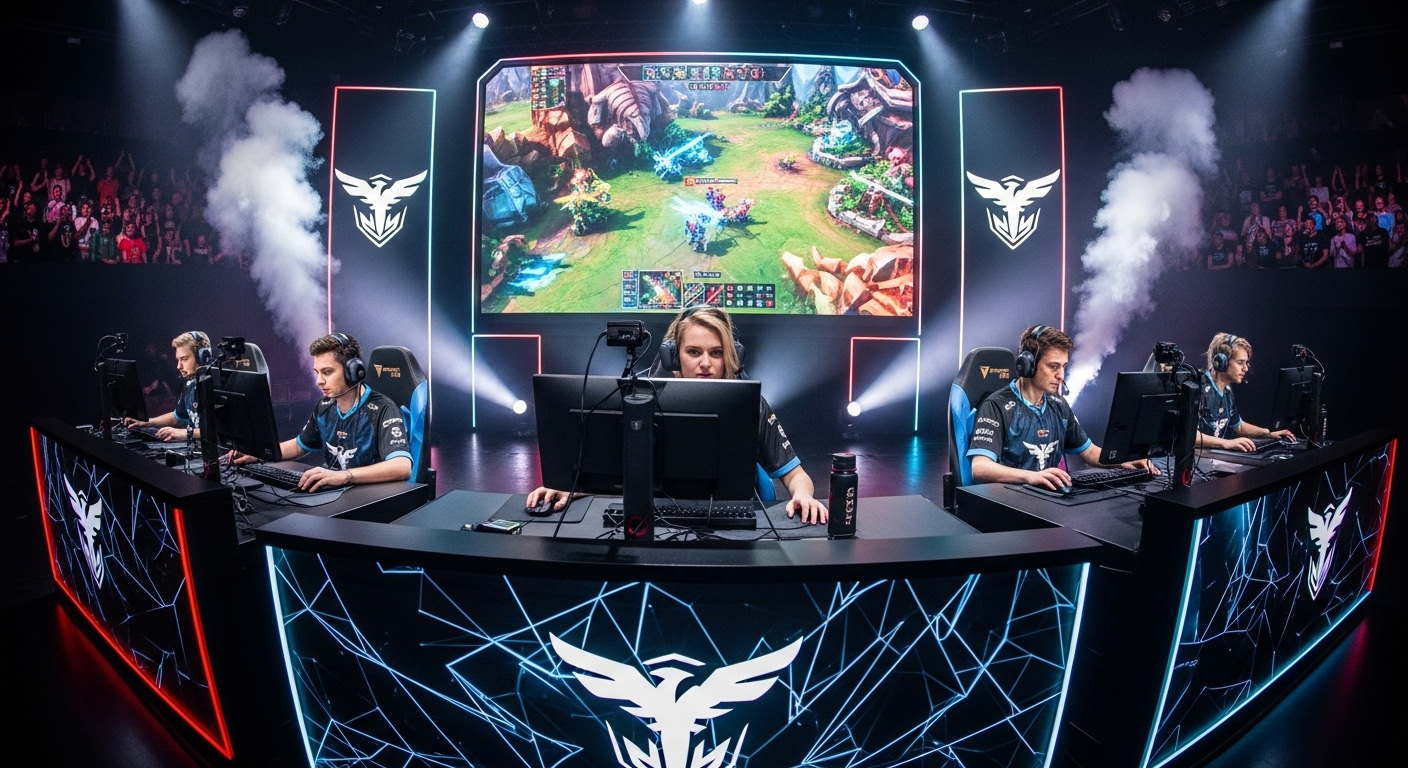
Esports tournaments are no longer limited to small venues. Stadiums and arenas host live events with tens of thousands of spectators, while online streaming platforms allow millions more to watch in real time. Popular tournaments, such as the League of Legends World Championship or The International Dota 2 Championship, offer multi-million-dollar prize pools, highlighting the scale and professionalism of the industry.
The Role of Professional Players
Professional esports players are the backbone of the industry. Like traditional athletes, they dedicate countless hours to practice, strategy development, and teamwork. Their success depends on skill, quick reflexes, mental endurance, and the ability to work under high-pressure situations.
Esports players often specialize in specific roles within their games, similar to positions in traditional sports. Team coordination, communication, and adaptability are crucial for success. Just as traditional sports require coaches and support staff, esports teams employ analysts, strategists, and psychologists to maximize performance. Professional players are not only competitors but also influencers, shaping gaming culture and inspiring millions of aspiring gamers.
Esports as a Global Cultural Phenomenon
Esports has had a significant cultural impact, creating communities that transcend geographic boundaries. Fans engage with teams and players through streaming platforms, social media, and online forums. These communities provide a sense of belonging, identity, and shared passion, similar to the culture surrounding traditional sports teams.
Esports also influences mainstream entertainment, fashion, and media. Professional players become celebrities, inspiring merchandise, sponsorship deals, and content creation. Cosplay, fan art, and esports-related content have become integral aspects of youth culture worldwide. The integration of esports into popular culture reflects its growing influence on how people communicate, socialize, and consume media.
The Economic Impact of Esports
Esports is a multi-billion-dollar industry, generating revenue through sponsorships, advertising, ticket sales, merchandise, and broadcasting rights. Corporate sponsors, ranging from technology companies to consumer brands, invest heavily in teams and tournaments. This financial support allows esports to grow sustainably and attract top talent.
Streaming platforms have revolutionized the business model, enabling live viewership and fan engagement at an unprecedented scale. Professional players and content creators can monetize their skills and personalities, creating new career opportunities within the gaming ecosystem. The economic significance of esports extends beyond entertainment, driving innovation in technology, media, and marketing.
The Psychology and Skills Behind Esports
Success in esports requires more than fast reflexes and technical proficiency. It demands mental resilience, strategic thinking, and decision-making under pressure. Players must maintain focus for hours, anticipate opponents’ moves, and adapt strategies in real time.
Team-based esports games emphasize collaboration, communication, and leadership. Players learn to coordinate effectively, manage conflict, and support one another under stress. These psychological skills are transferable, offering benefits in problem-solving, teamwork, and professional development beyond gaming.
Moreover, esports fosters creativity and critical thinking. Players experiment with strategies, analyze patterns, and develop innovative approaches to challenges. The cognitive demands of esports demonstrate that competitive gaming is both intellectually and physically engaging.
Technology Driving the Growth of Esports
Technology has been instrumental in the rise of esports. High-speed internet, powerful gaming hardware, and streaming platforms have made competitive gaming accessible and engaging for global audiences. Cloud gaming and advanced servers ensure smooth gameplay, enabling large-scale tournaments without technical limitations.
Virtual reality and augmented reality are emerging as potential extensions of esports, offering immersive experiences for players and fans alike. Artificial intelligence and analytics tools provide insights into player performance, game balance, and strategic planning. Technology continues to push the boundaries of esports, making it more dynamic, interactive, and inclusive.
Esports and Education
Esports is increasingly being integrated into educational programs. Schools and universities offer esports teams, scholarships, and academic programs focusing on game design, management, and competitive gaming. These initiatives recognize the skills developed through esports, such as strategic thinking, teamwork, leadership, and digital literacy.
Competitive gaming in education also promotes inclusivity. Students who may not excel in traditional sports can find recognition, confidence, and community through esports. By combining gaming with education, institutions prepare students for careers in technology, entertainment, and business, bridging the gap between passion and profession.
Health and Wellness in Esports
While esports offers numerous cognitive and social benefits, it also presents unique health challenges. Prolonged gaming sessions can lead to physical issues such as eye strain, poor posture, and repetitive strain injuries. Mental health challenges, including stress, anxiety, and burnout, are also prevalent among professional players.
Addressing these concerns is essential for sustainable growth in esports. Teams implement training regimens, physical exercise routines, and mental health support to ensure players maintain a balance between competition and well-being. Nutrition, sleep, and ergonomic practices are increasingly emphasized to enhance performance and longevity in the field.
The Future of Esports
The future of esports is promising, with opportunities for growth and innovation. Emerging technologies, such as artificial intelligence, virtual reality, and cloud gaming, will transform both gameplay and spectator experiences. Esports is likely to become even more integrated with mainstream entertainment, including music, film, and interactive media.
Inclusivity and accessibility will continue to shape the industry. Adaptive esports for players with disabilities, community-driven initiatives, and global partnerships will expand participation. Esports will also increasingly contribute to education, professional development, and career opportunities in technology and entertainment.
As esports continues to gain recognition, it may one day rival traditional sports in viewership, economic influence, and cultural impact. Its ability to unite communities, inspire creativity, and push human potential ensures that esports is not just a passing trend but a transformative force in modern society.
Conclusion
Esports represents a new era of competition and culture, where digital platforms create opportunities for skill, creativity, and collaboration. It challenges traditional notions of sports, demonstrating that athleticism is not limited to physical prowess but includes cognitive, strategic, and social abilities.
From its humble beginnings in arcades to the grandeur of international tournaments, esports has become a global phenomenon that inspires millions. It offers career opportunities, fosters communities, and cultivates valuable skills applicable in both professional and personal life.
The rise of esports signals a future where competition, entertainment, and technology intersect seamlessly. As the industry continues to grow, it will redefine how we perceive games, athletes, and achievement. Beyond pixels and screens, esports embodies the spirit of human innovation, ambition, and connection—a testament to what can be achieved when passion meets opportunity.
Esports is more than a game; it is a movement shaping the future of entertainment, culture, and competition worldwide.