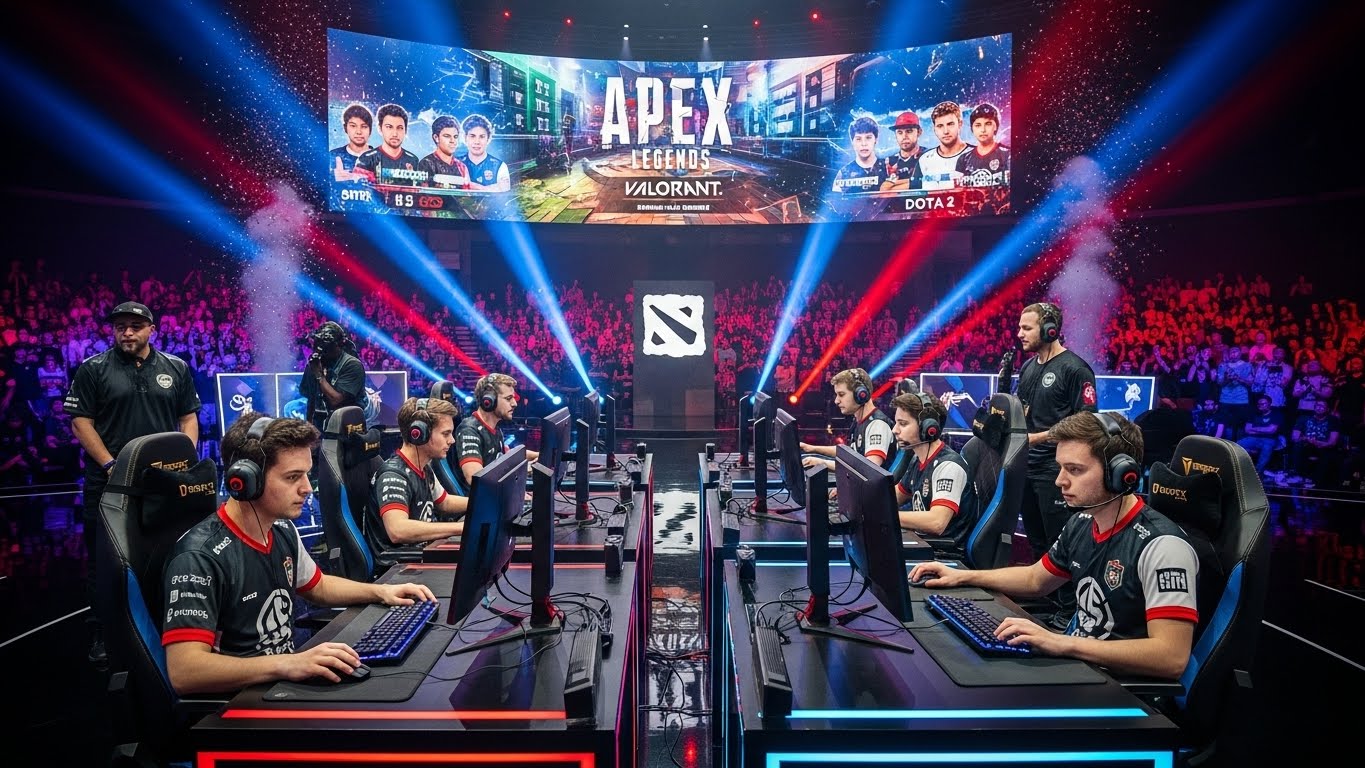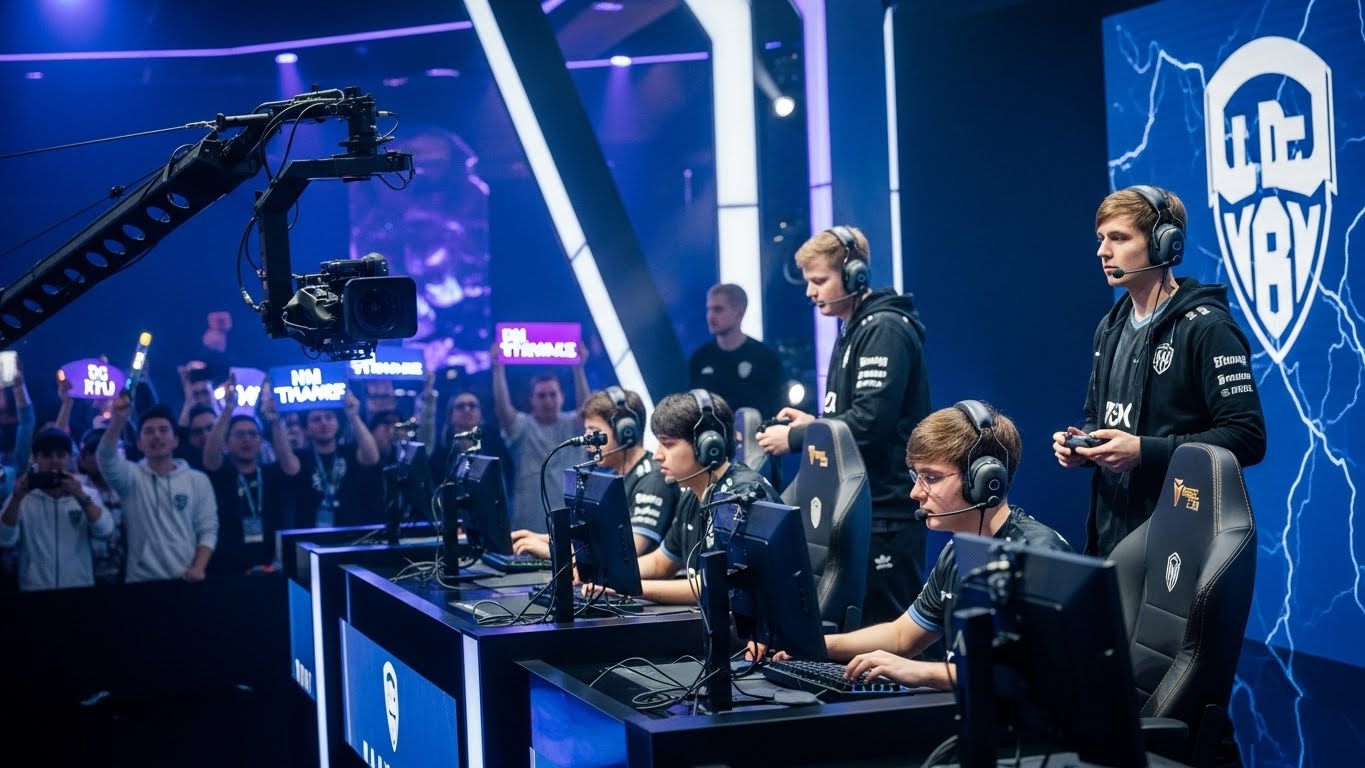
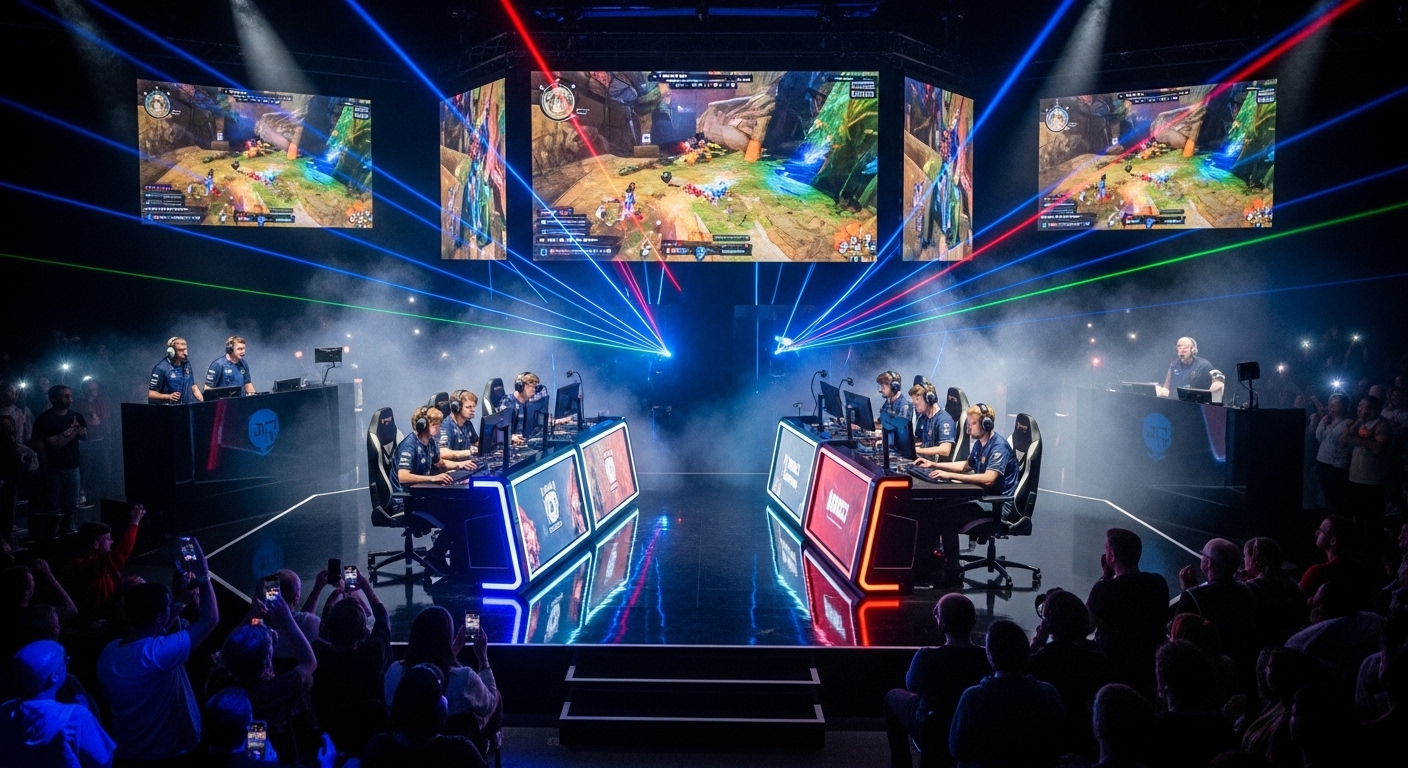
In the past few years, esports has risen from a niche interest to a global powerhouse that rivals traditional sports in terms of audience size, economic impact, and cultural significance. Competitive gaming, once seen as a hobby for passionate gamers, is now a multi-billion-dollar industry with millions of fans worldwide. With major tournaments, global sponsors, professional teams, and a thriving online community, esports has become a driving force in the entertainment world. In this blog, we will explore the history, growth, impact, and future of esports, shedding light on how it has reshaped the way we think about competition, technology, and entertainment.
The Origins of Esports: From Arcades to Online Competitions
Esports, as we know it today, has its roots in the early days of video gaming. In the 1970s and 1980s, competitive gaming was limited to local events and arcade competitions. Games like Space Invaders and Pong attracted players to arcades, where they could compete for high scores and bragging rights. However, these early events were far from the large-scale, televised competitions we see now.
The first significant milestone in the evolution of esports came with the introduction of multiplayer video games in the 1990s. Games such as Quake, StarCraft, and Counter-Strike allowed players to compete online, connecting people from all over the world. The birth of the internet played a pivotal role in this transformation, enabling players to join virtual communities and participate in global tournaments. In 1997, the Red Annihilation tournament for Quake was one of the first to establish the concept of professional-level esports, offering both competition and exposure.
During the late 1990s and early 2000s, esports began to formalize, with tournaments like the World Cyber Games and Electronic Sports League (ESL) emerging to organize competitive play and foster a growing global gaming community. While esports remained relatively niche during this period, it laid the groundwork for the explosive growth that would follow.
The Explosion of Esports: A Global Phenomenon
The early 2010s marked a turning point for esports, as major games began to dominate the competitive gaming scene. Multiplayer Online Battle Arena (MOBA) games like League of Legends, Dota 2, and Heroes of the Storm brought a new level of strategic depth, requiring players to work together in teams and outmaneuver opponents. These games were designed with competitive play in mind, creating ecosystems that allowed players, teams, and fans to engage in meaningful ways.
The League of Legends World Championship, launched in 2011, was a major catalyst in propelling esports into the mainstream. With its multi-million-dollar prize pool and a growing global fanbase, it proved that esports could generate revenue, attract sponsorships, and offer professional opportunities to players. Over time, other games followed suit, and the esports ecosystem grew more complex with the establishment of professional leagues and events.
Tournaments like The International for Dota 2, with its massive prize pools funded by the gaming community, further solidified esports as a serious industry. In 2018, The International offered a prize pool of over $25 million, the largest in esports history at the time. This level of financial backing attracted more sponsors, investors, and media attention, turning esports into a globally recognized form of entertainment.
The Role of Streaming: A Revolution in Content Consumption
One of the most significant factors behind the rapid rise of esports has been the emergence of live streaming platforms, with Twitch leading the charge. Twitch, launched in 2011, allowed gamers to broadcast their gameplay in real-time, offering viewers the chance to watch and interact with players during competitions. This interactive element, combined with high-quality streams and real-time chat, made watching esports an engaging and immersive experience.
Streaming platforms gave esports a direct line to fans, allowing them to watch major tournaments from anywhere in the world. Viewers could now follow their favorite teams, players, and events live, engage with the community, and even support their favorite streamers through donations and subscriptions. The accessibility of live esports content on Twitch, YouTube, and other platforms has played a huge role in growing the fanbase, making esports a global entertainment medium.
In addition to live streaming, YouTube and other platforms have provided a space for highlights, interviews, tutorials, and analysis of esports events. The ability to watch archived content has further expanded esports’ reach and helped create a new wave of content creators who specialize in esports commentary, analysis, and news.
Professionalism in Esports: The Rise of the Pro Gamer
With the increasing size of tournaments and the growing popularity of esports, the role of the professional gamer has evolved. What once was considered a hobby or passion for most players has now turned into a full-fledged career. Professional esports players dedicate hours every day to practice and refine their skills, and just like athletes in traditional sports, they are expected to perform at the highest level.
Top players in games like League of Legends, Counter-Strike: Global Offensive, Overwatch, and Fortnite can earn substantial salaries, including sponsorships, tournament winnings, and streaming revenue. Esports players also have coaches, analysts, and managers to help them improve their strategies, performance, and mental toughness, mirroring the structure found in traditional sports teams.
Esports teams have grown in size and prominence, with organizations such as Cloud9, G2 Esports, Team Liquid, and Fnatic becoming household names in the gaming community. These teams operate similarly to traditional sports franchises, with player rosters, brand partnerships, and long-term sponsorship deals. The success of these teams has made esports more professional, and the rise of corporate backing has added legitimacy to the entire industry.
Esports as an Economic Powerhouse
Esports is not just a source of entertainment; it’s also a rapidly growing economic force. In 2021, the global esports industry was estimated to be worth over $1.08 billion, with projections for continued growth in the coming years. This revenue comes from various sources, including sponsorships, advertising, media rights, ticket sales, merchandise, and streaming.
Sponsorship deals are one of the largest contributors to esports’ economic growth. Companies like Intel, Red Bull, Coca-Cola, and Mercedes-Benz have all invested heavily in esports, recognizing the vast audience potential. Brands see esports as an effective way to target younger demographics, who are often harder to reach through traditional advertising methods.
The media rights market for esports is also growing rapidly. Major esports events are broadcasted globally through platforms like Twitch, YouTube, and cable networks such as ESPN and TBS. The growing demand for live content has driven broadcast deals, and esports is increasingly being treated like a mainstream sport.
In addition, esports-related merchandise, such as team jerseys, gaming peripherals, and collectibles, has become a lucrative revenue stream for organizations and players alike. As the fanbase grows, so too does the demand for exclusive, limited-edition products that allow fans to show their support for their favorite teams.
The Social Impact of Esports: Community and Culture
Esports is more than just competition; it’s a global community that brings together millions of people from diverse backgrounds. Gaming has become a social activity, with players bonding over their favorite titles, teams, and players. Esports tournaments often feel like a celebration of this shared passion, where fans come together to cheer on their favorite teams and celebrate victories with their peers.
Esports has also had a significant impact on youth culture. Many young people now aspire to become professional gamers, and esports has provided them with the tools to do so. Competitive gaming has created pathways for students to earn scholarships, gain exposure, and even travel the world for tournaments. Universities around the globe are offering esports scholarships, and gaming programs are now part of many educational curriculums.
The rise of esports has also brought gaming into the mainstream, challenging traditional views about gaming as a solitary or antisocial activity. Streaming, tournaments, and online communities have made gaming a shared experience, one that fosters friendship, collaboration, and skill development. The sense of belonging in the esports community has helped players from all walks of life find their place and pursue their passions.
The Future of Esports: Innovation, Growth, and Challenges
The future of esports looks promising, with new technologies, trends, and opportunities on the horizon. The continued development of virtual reality (VR) and augmented reality (AR) could revolutionize the way players and fans experience esports. Imagine a future where fans can watch live tournaments from the perspective of the players themselves or even interact with virtual worlds in real-time. These advancements will undoubtedly make esports even more immersive and engaging.
Mobile gaming is another rapidly growing sector within esports. With the rise of smartphones and tablets, mobile esports has become a massive part of the global gaming scene. Games like PUBG Mobile, Free Fire, and Arena of Valor have drawn millions of players and viewers, expanding esports beyond the traditional PC and console markets.
However, despite its tremendous growth, esports faces several challenges. Sustainability remains a concern, with the industry relying heavily on sponsorships and external investments. As esports continues to mature, it will need to diversify its revenue streams and ensure long-term financial stability.
Additionally, the mental and physical health of esports players is becoming an increasingly important issue. The rigorous training schedules and high levels of competition can lead to burnout, stress, and other health problems. Esports organizations must prioritize player well-being and provide the necessary support systems to help players manage the pressures of professional gaming.
Conclusion: A New Era of Entertainment
Esports has come a long way from its humble beginnings as a niche hobby. Today, it is a global phenomenon that impacts millions of players and fans worldwide. With its professional leagues, multi-million-dollar tournaments, major sponsors, and growing