
Introduction: The Digital Revolution of Competition
Esports, short for electronic sports, represents one of the most remarkable evolutions in modern entertainment. What began as small-scale gaming tournaments in college dorm rooms and local arcades has now become a multibillion-dollar global industry. Today, millions of people around the world tune in to watch professional players compete in virtual arenas, while sponsors, brands, and investors pour resources into the rapidly expanding ecosystem.
The story of esports is not just about video games — it’s about innovation, culture, technology, and the human desire for competition and community. Understanding how this digital phenomenon emerged, evolved, and continues to shape the modern entertainment landscape reveals much about how we play, connect, and consume in the 21st century.
The Origins of Esports: Humble Beginnings in the 1970s and 1980s
The roots of esports trace back to the early days of computing. In October 1972, Stanford University hosted one of the first known video game competitions: the Intergalactic Spacewar Olympics. The event, centered around the game Spacewar!, offered a year’s subscription to Rolling Stone magazine as a prize. Although modest by modern standards, it marked the beginning of organized digital competition.
During the 1980s, arcade gaming fueled the first wave of competitive play. Titles such as Pac-Man, Donkey Kong, and Space Invaders challenged players to set high scores that would be immortalized on leaderboards. These early contests fostered the concept of individual achievement and recognition — essential components of esports culture today.
The 1990s introduced multiplayer gaming and local area network (LAN) tournaments. Games like Doom, Quake, and StarCraft allowed players to compete directly against each other, paving the way for the competitive gaming communities that would later thrive online.
The Internet Era: Birth of Modern Esports
The late 1990s and early 2000s marked a turning point. The spread of the internet revolutionized gaming, transforming isolated players into global communities. The arrival of broadband connections meant that gamers could now face opponents from around the world in real time.
Games like Counter-Strike, Warcraft III, and StarCraft: Brood War dominated the early online competitive scene. South Korea emerged as a global hub, with dedicated television channels broadcasting live matches and players attaining celebrity status. The Korean eSports Association (KeSPA), established in 2000, formalized professional gaming as a legitimate career path, complete with team structures, sponsorships, and rigorous training.
This period also saw the creation of major tournaments such as the World Cyber Games and the Electronic Sports World Cup, which provided global platforms for players to compete. These events laid the groundwork for the international esports industry we know today.
The Professionalization of Esports: Building the Industry
As the 2010s began, esports matured into a professional ecosystem. Developers began designing games specifically with competitive balance and spectator engagement in mind. League of Legends, Dota 2, and Counter-Strike: Global Offensive became central pillars of this evolution.
Formation of Leagues and Teams
Professional teams started to mirror traditional sports organizations. Franchises such as Team Liquid, Fnatic, Cloud9, and T1 built infrastructures that included coaching staff, analysts, training facilities, and marketing divisions. Players signed formal contracts, with salaries, endorsements, and performance bonuses becoming standard.
The creation of structured leagues like the League of Legends Championship Series (LCS) and Overwatch League (OWL) provided consistency and long-term stability. These leagues introduced regular seasons, playoffs, and relegation systems, making esports more accessible and comprehensible to mainstream audiences.
Tournament Ecosystems and Prize Pools
Another defining feature of this era was the growth of prize pools. Valve’s The International tournament for Dota 2 shattered records with crowdfunded prize pools reaching tens of millions of dollars. This not only elevated player earnings but also attracted global media attention, proving that esports could rival — and sometimes surpass — traditional sports in terms of spectacle and reward.
The Spectator Experience: Streaming and the Global Audience
One of the most transformative forces behind the rise of esports is streaming technology. Platforms like Twitch and YouTube Gaming allowed millions of fans to watch live gameplay, follow their favorite teams, and even interact with professional players. This direct connection between player and audience redefined how people consumed entertainment.
The Role of Twitch and YouTube
Twitch became synonymous with esports broadcasting, offering free, accessible, and interactive viewing experiences. Chat functions created a sense of community among viewers, fostering loyalty and engagement. YouTube expanded accessibility further, enabling highlights, replays, and content creation to flourish beyond live broadcasts.
Mainstream Integration
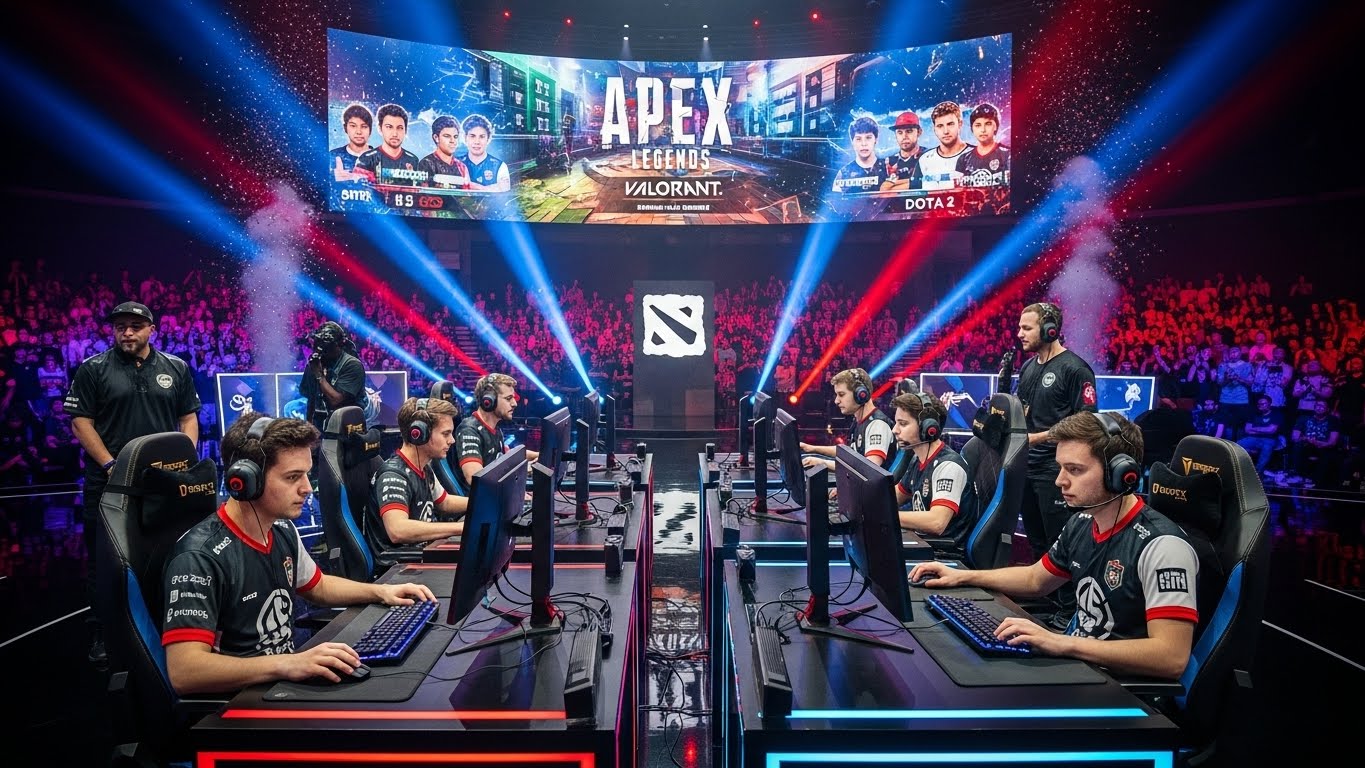
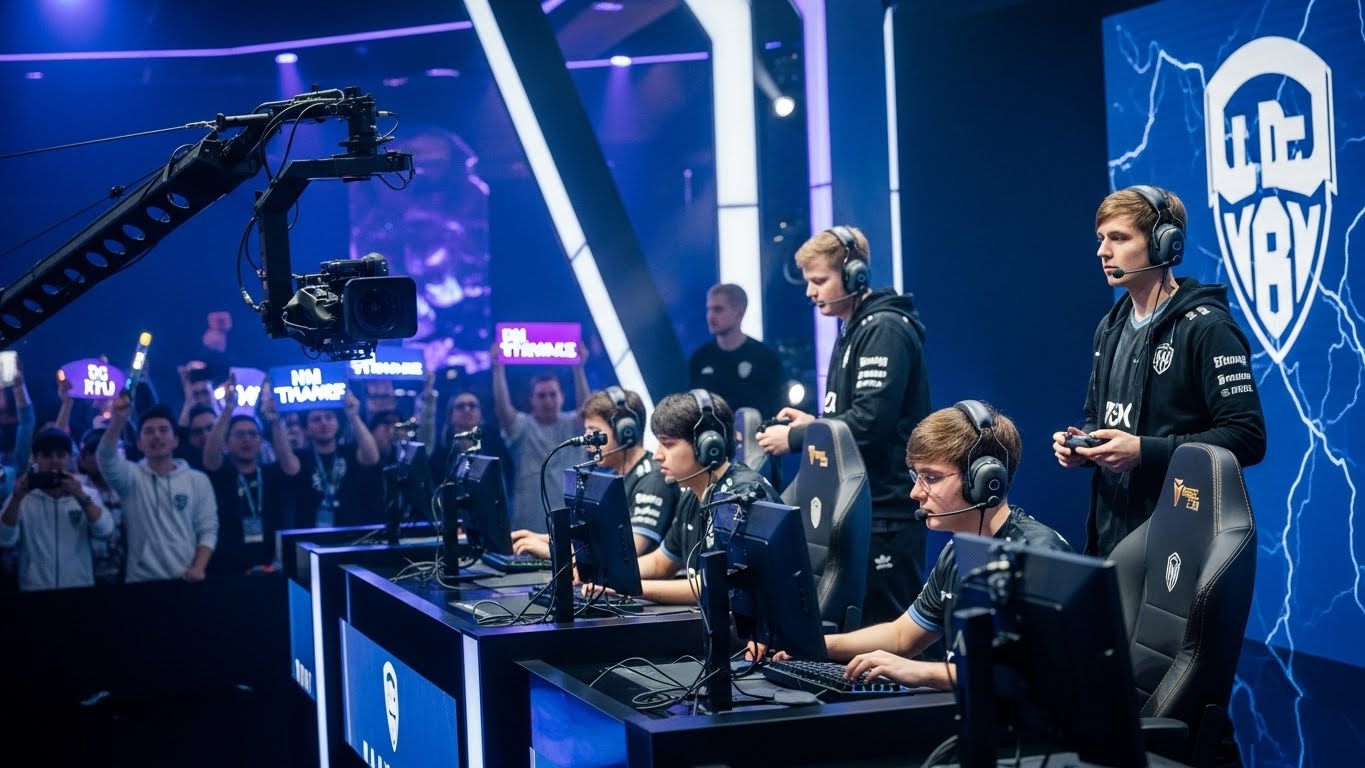
Traditional media also began to take notice. Major networks started airing esports tournaments, and streaming services signed exclusive broadcasting deals. Esports highlights appeared on sports news channels, and large-scale events filled arenas such as Madison Square Garden and the Staples Center — venues once reserved for basketball, concerts, and boxing.
The line between digital and traditional sports entertainment began to blur, signaling esports’ entry into mainstream culture.
Game Genres that Define Esports
The esports landscape spans a wide range of genres, each offering unique competitive dynamics and audience appeal. Some of the most influential genres include:
Multiplayer Online Battle Arenas (MOBAs)
Titles like League of Legends and Dota 2 dominate this genre. These games require deep strategic coordination, teamwork, and individual skill. MOBAs are celebrated for their complexity, with each match presenting thousands of potential outcomes based on player decisions and team synergy.
First-Person Shooters (FPS)
Games like Counter-Strike: Global Offensive, Valorant, and Overwatch have defined competitive shooting. Precision, reflexes, and communication are key elements. The genre’s fast-paced nature makes it highly engaging for spectators.
Battle Royale Games
Modern entries such as Fortnite, PUBG, and Apex Legends reimagined large-scale competition. These games introduced unpredictability and mass participation, drawing both casual and professional players into massive tournaments.
Sports and Fighting Games
Franchises like FIFA, NBA 2K, and Street Fighter connect esports to traditional sports and arcade roots. The fighting game community, though smaller in scale, is renowned for its passion, diversity, and grassroots organization.
Strategy and Card Games
Games such as StarCraft II, Hearthstone, and Clash Royale bring intellectual and tactical depth to esports. These titles reward planning, adaptability, and foresight, appealing to players who value mind games over reflexes.
The Business of Esports: Revenue and Investment
The esports industry has become a lucrative global market. Revenue streams come from sponsorships, media rights, merchandise, ticket sales, and digital goods. Major corporations, including technology giants and traditional sports franchises, have entered the space, seeing opportunities for brand expansion and audience engagement.
Sponsorship and Advertising
Brands leverage esports to reach younger, tech-savvy audiences that traditional marketing often struggles to engage. Energy drink companies, hardware manufacturers, and even fashion labels have sponsored teams and events. Advertising has evolved from mere logo placement to integrated campaigns, influencer partnerships, and in-game promotions.
Media Rights and Franchising
As viewership numbers rival those of major sports leagues, media rights have become a key revenue source. Game publishers, leagues, and streaming platforms negotiate exclusive deals for broadcasting rights, similar to how television networks handle traditional sports.
Franchising models — where organizations pay entry fees to join exclusive leagues — have added structure and financial predictability. This mirrors systems seen in sports like the NBA or NFL, signaling esports’ growing maturity as an industry.
The Cultural Impact of Esports
Esports is more than competition; it’s a cultural movement. It reflects global youth identity, creativity, and digital community.
Changing Perceptions of Gaming
For decades, video games were seen as mere entertainment or even distractions. Esports shattered that perception, demonstrating that gaming can foster teamwork, strategic thinking, and professional achievement. Universities now offer esports scholarships, and governments recognize professional players as legitimate athletes.
Representation and Inclusion
Esports transcends borders, languages, and physical limitations. Players from diverse backgrounds compete on equal footing, united by skill and passion rather than geography. However, discussions about gender inclusion, diversity, and mental health continue to evolve, shaping a more inclusive future.
Fashion, Music, and Lifestyle Integration
Esports has influenced fashion, music, and pop culture. Collaborations between teams and designers have led to streetwear collections, while musicians perform at tournaments and create gaming-themed tracks. The intersection of digital and physical culture has made esports a lifestyle, not just a hobby.
Challenges in the Esports Ecosystem
Despite its success, esports faces several challenges that must be addressed for long-term sustainability.
Player Health and Burnout
Professional gamers often train for over ten hours a day, leading to physical strain and mental exhaustion. Organizations are increasingly implementing wellness programs, focusing on exercise, nutrition, and psychological support to prevent burnout.
Monetization and Stability
While top-tier players and teams earn substantial income, lower-tier professionals often struggle financially. The industry’s heavy reliance on sponsorship and viewership means that maintaining consistent profitability is an ongoing challenge.
Cheating and Integrity
As in any competitive field, integrity is crucial. Cheating, match-fixing, and software exploitation can damage credibility. Esports organizations continue to strengthen regulations, improve anti-cheat systems, and enforce stricter penalties.
Regulation and Governance
Unlike traditional sports, esports lacks a single global governing body. This creates fragmentation across different games and regions. Standardized rules, player contracts, and arbitration processes are still evolving, though efforts are underway to bring more cohesion to the competitive landscape.
Technology Driving the Future of Esports
Technology remains the backbone of esports innovation. From virtual reality to artificial intelligence, advancements continue to redefine how games are played, broadcast, and experienced.
Virtual and Augmented Reality
Virtual reality (VR) and augmented reality (AR) promise immersive esports experiences, blending physical motion with digital environments. Future tournaments may combine real-world arenas with interactive holograms, creating hybrid competitions that engage both players and audiences.
Artificial Intelligence and Data Analytics
AI tools help teams analyze gameplay patterns, optimize strategies, and predict opponent behavior. Data analytics also enhance viewer experiences by providing real-time statistics, replays, and performance metrics during broadcasts.
5G and Cloud Gaming
The expansion of 5G networks and cloud computing removes hardware limitations, allowing high-performance gaming from almost any device. This democratizes access to esports, enabling players worldwide to compete without expensive equipment.
Esports and Education: A New Pathway for Learning
Esports is now integrated into academic environments, from school clubs to university programs. Institutions use esports to teach teamwork, communication, and digital literacy. Scholarships for esports athletes are increasingly common, legitimizing gaming as an educational pursuit.
Curriculums in game design, event management, and digital marketing are emerging alongside competitive programs. These initiatives prepare students for careers in a growing industry that extends beyond playing — into broadcasting, analytics, coaching, and production.
The Globalization of Esports
Esports is a universal language. It transcends borders and unites fans under shared passion. Regional powerhouses such as South Korea, China, North America, and Europe dominate, but emerging markets in the Middle East, South Asia, and Africa are rapidly growing.
Regional Growth
- Asia remains the epicenter, with infrastructure and government support leading development.
- North America has established professional leagues and commercial sponsorships.
- Europe thrives on grassroots communities and local tournaments.
- The Middle East and Africa are expanding through mobile gaming and youth engagement initiatives.
Global Events
Tournaments such as The International, League of Legends World Championship, and Fortnite World Cup attract millions of live viewers from every continent. These global spectacles showcase not only elite competition but also cultural exchange and collaboration.
The Future of Esports: Where Do We Go Next?
As technology, investment, and audience engagement continue to evolve, esports is poised for an even greater future.
Integration with Traditional Sports
Collaborations between esports organizations and traditional sports teams are becoming common. Football clubs, basketball franchises, and even Olympic committees are exploring esports divisions. This integration could reshape how future generations define “sports.”
Metaverse and Cross-Platform Play
The rise of the metaverse — interconnected digital worlds — could revolutionize esports. Players might soon compete across multiple virtual environments, with seamless transitions between games and social interactions.
Sustainability and Inclusivity
The next stage of esports development must focus on sustainability: fair pay, inclusivity, and mental health awareness. Creating a balanced ecosystem ensures longevity and continuous growth.
Conclusion: The Legacy and Promise of Esports
Esports represents far more than a new form of entertainment. It is a cultural and technological revolution that bridges creativity, competition, and community. From the early days of pixelated duels to today’s multimillion-dollar tournaments, esports has proven that digital passion can inspire real-world success.
As we look ahead, the boundaries between the physical and digital will continue to blur. Esports will not only influence how we play but also how we learn, communicate, and connect. The story of esports is still being written — and its next chapters promise to be even more extraordinary.