Introduction
In the twenty-first century, competition has found a new home—on screens. Esports, or electronic sports, has evolved from a niche hobby into a global phenomenon, captivating millions of fans and generating billions in revenue. What was once a pastime for gamers is now a legitimate industry with professional athletes, international tournaments, sponsorships, and an audience rivaling that of traditional sports. The rise of esports is not merely about video games; it represents the merging of technology, entertainment, and competition in a way that defines modern culture.
The Origins of Esports
The story of esports begins decades ago, in the early 1970s, when the first recorded video game competition took place at Stanford University. Players competed in a game called Spacewar, and the winner received a year’s subscription to a magazine. It was a modest start, but it planted the seeds for something much bigger. During the 1980s and 1990s, arcade competitions and console gaming brought multiplayer contests into the mainstream. Titles like Street Fighter, Mortal Kombat, and StarCraft began to build communities around competitive play. By the 2000s, the internet revolution allowed players from around the world to connect and compete in real time, setting the stage for the esports explosion we see today.
The Rise of Professional Esports
As technology improved, so did the scale and professionalism of esports. High-speed internet, live-streaming platforms, and high-quality graphics made it possible for competitions to attract massive audiences. Games such as League of Legends, Dota 2, Counter-Strike, and Overwatch turned into global franchises, each with its own competitive ecosystem. Teams were no longer just groups of friends; they became professionally managed organizations with coaches, analysts, and sponsors. Prize pools soared to millions of dollars, and elite players began earning salaries comparable to traditional athletes.
The Spectator Revolution
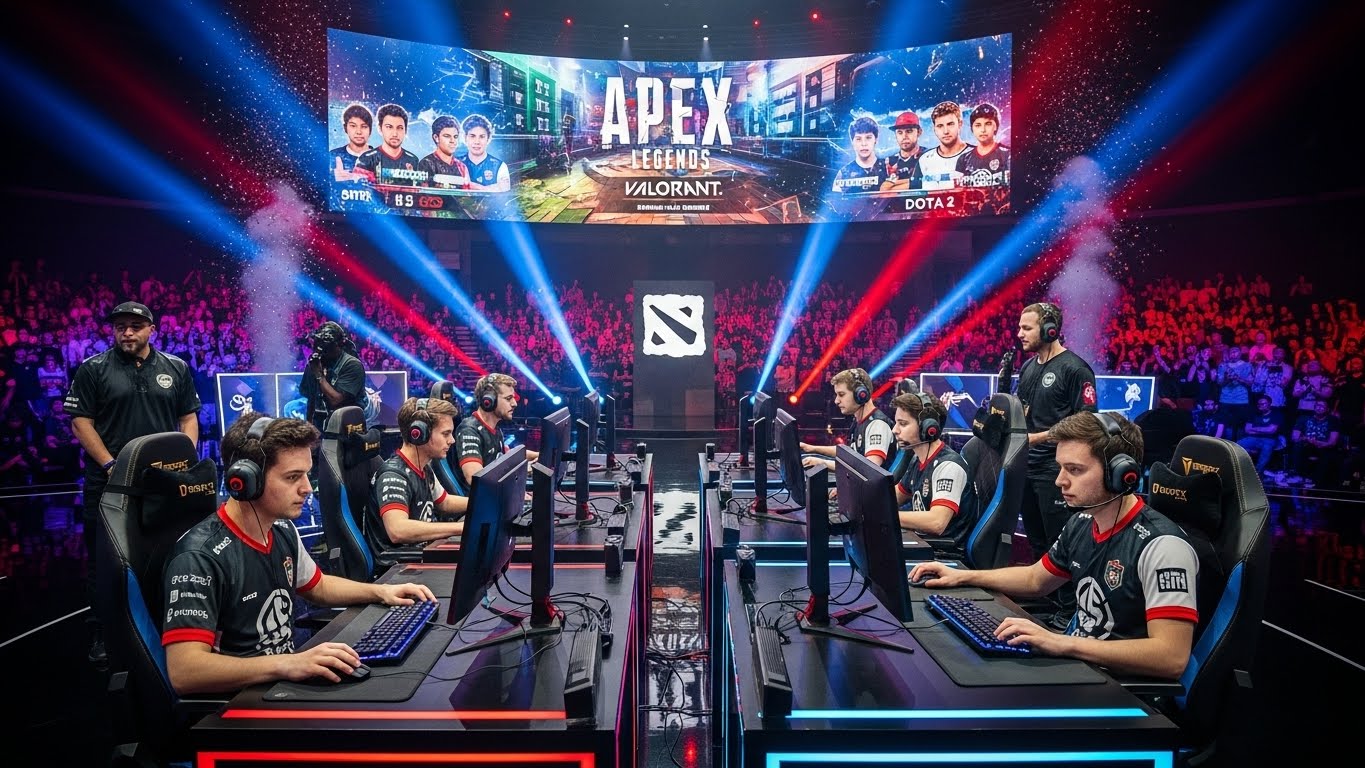
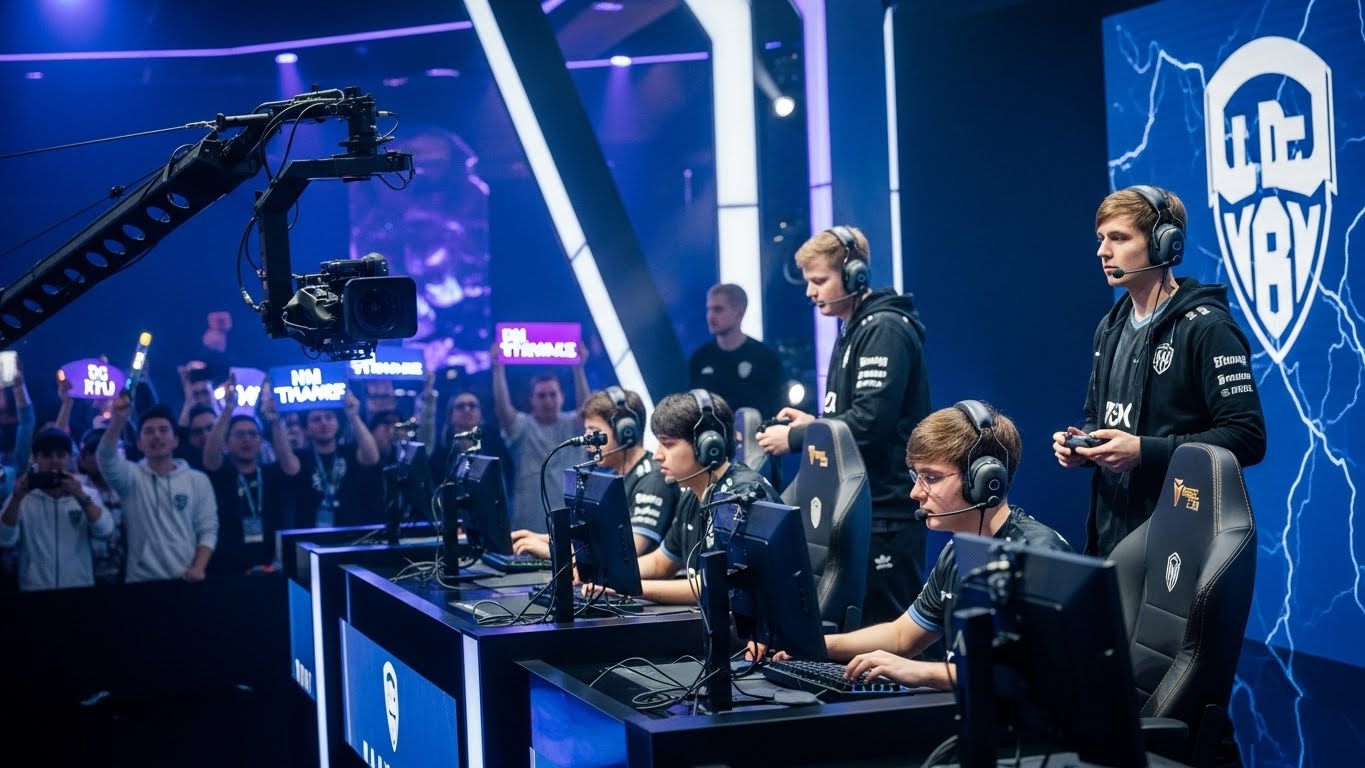
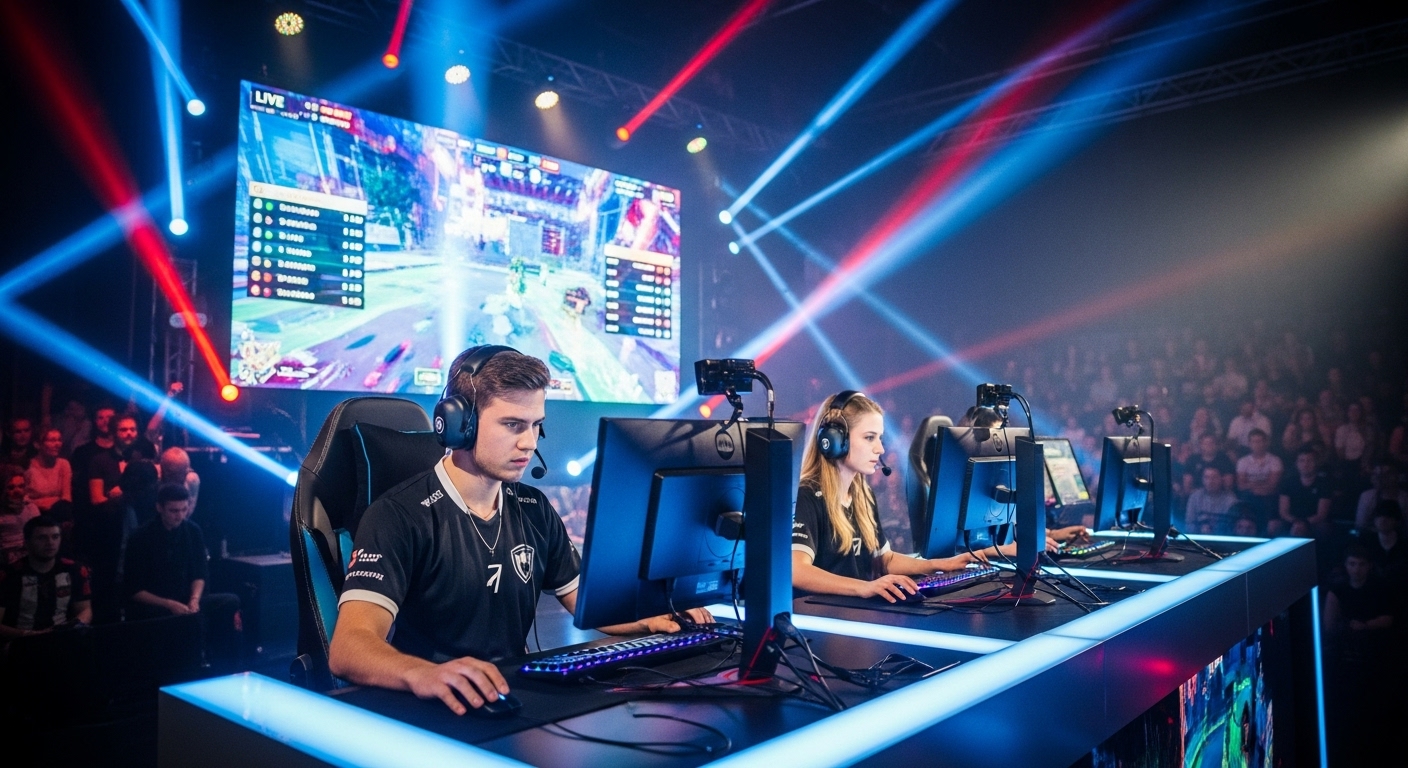
One of the most fascinating aspects of esports is how it transformed gaming from a solitary activity into a global spectator sport. Fans can now watch live tournaments from anywhere in the world, cheering for their favorite teams just as fans do in football or basketball. Esports arenas are packed with enthusiastic supporters, and millions tune in to live broadcasts. This spectator culture has given rise to a new kind of celebrity—the professional gamer. Players such as Faker, s1mple, and Ninja have become household names, each with a loyal fan base and immense influence. Esports commentary, analysis, and live streaming have created a thriving entertainment ecosystem that connects players and fans like never before.
Technology: The Backbone of Esports
The foundation of esports lies in technology. From powerful gaming PCs to advanced consoles, high-speed internet, and cloud-based gaming, every technological advancement has played a role in shaping the esports experience. Virtual reality and augmented reality are pushing the boundaries of what competitive gaming can be. Artificial intelligence is helping teams analyze their opponents’ strategies, while data analytics is used to track player performance and optimize training. The integration of technology ensures that esports remains dynamic, evolving, and deeply connected to the digital transformation of society.
The Global Impact of Esports
Esports is no longer confined to specific regions. It is a global phenomenon uniting people across cultures, languages, and backgrounds. Asia has been a dominant force, particularly countries like South Korea and China, where esports has reached mainstream recognition. Europe and North America have also become major players, hosting international tournaments and nurturing professional teams. The global nature of esports has created a sense of community and shared excitement that transcends borders. Players collaborate across continents, and fans from different cultures come together to celebrate their love for the game.
Economic Powerhouse: The Business of Esports
Behind the entertainment and competition lies a powerful business engine. Esports has become a billion-dollar industry fueled by sponsorships, advertising, media rights, and merchandise sales. Major brands now invest heavily in esports to connect with younger audiences who consume digital content rather than traditional television. Companies in technology, energy drinks, and apparel have found esports to be a fertile marketing ground. Universities and colleges have even started offering esports scholarships, further legitimizing it as a career path. The economic influence of esports continues to grow, transforming it into one of the most lucrative and rapidly expanding industries in the world.
Esports and Education
The perception of gaming has shifted dramatically over the years. What was once considered a distraction is now recognized for its educational and developmental potential. Esports programs in schools teach teamwork, strategic thinking, leadership, and problem-solving. Students who participate in esports often develop strong communication skills and technological literacy. Universities around the world are now launching dedicated esports departments, research programs, and scholarships to prepare students for careers not only as players but also as coaches, analysts, marketers, and event organizers. Esports has thus become a bridge between entertainment and education.
The Psychological and Physical Aspects of Esports
While esports may not involve physical exertion in the same way as traditional sports, it demands an extraordinary level of mental and emotional strength. Professional gamers train for long hours every day, honing their reflexes, precision, and decision-making abilities. Focus, hand-eye coordination, and mental endurance are essential for success. Esports athletes must also manage stress, maintain a healthy lifestyle, and balance screen time to avoid burnout. Many teams now employ psychologists, fitness trainers, and nutritionists to ensure their players perform at peak levels. This holistic approach to training demonstrates that esports requires discipline and dedication comparable to any athletic pursuit.
Esports and Traditional Sports: A New Rivalry
The growing popularity of esports has sparked an interesting debate about its place alongside traditional sports. Some argue that esports lacks the physical component that defines athletics, while others believe it embodies the same principles of competition, teamwork, and strategy. The truth lies somewhere in between. Esports does not replace traditional sports; instead, it expands the definition of what it means to be an athlete in the modern age. Many traditional sports organizations have recognized this potential and have entered the esports arena by creating their own teams or sponsoring gaming events. The lines between physical and digital competition continue to blur as both worlds learn from and influence each other.
The Social Influence of Esports
Esports has become more than just entertainment—it is a cultural movement. It shapes social interactions, online communities, and even personal identities. Fans connect through forums, social media, and live chats, building friendships and networks that span the globe. For many young people, esports provides a sense of belonging and purpose. It also serves as a platform for inclusivity, where anyone with talent and determination can compete regardless of physical ability or background. The digital nature of esports allows it to transcend barriers that often exist in traditional sports, promoting diversity and equality.
Challenges Facing the Esports Industry
Despite its success, esports faces several challenges that could shape its future. Issues such as player burnout, lack of regulation, cheating, and cyber threats remain significant concerns. The rapid commercialization of esports also raises questions about sustainability and the welfare of players. Additionally, the industry must address gender disparities and ensure equal opportunities for all participants. Maintaining integrity, transparency, and ethical standards will be vital as esports continues to evolve and attract a global audience.
The Future of Esports
The future of esports looks brighter than ever. With the continued advancement of technology and growing mainstream acceptance, esports is poised to become one of the dominant forms of entertainment in the coming decades. Virtual and augmented reality could redefine how players compete and how fans experience games. Artificial intelligence could make competitions more strategic and engaging. As esports becomes integrated into schools, media, and even the Olympic Games, its influence on society will continue to expand. The digital arena is not a passing trend; it is the new frontier of human competition.
Conclusion
Esports represents the fusion of innovation, creativity, and competition. It reflects how deeply technology has become woven into the fabric of modern life. From humble beginnings to global tournaments watched by millions, esports has proven that gaming is not just play—it is passion, discipline, and community. The digital generation has found its stadiums, its athletes, and its heroes in this virtual world. As the boundaries between reality and the digital realm continue to fade, esports will stand as a testament to how humanity adapts, evolves, and thrives in an ever-changing technological landscape.
Word count: Approximately 1500 words