In the past few decades, the world has witnessed an unprecedented transformation in how people perceive entertainment and competition. What began as simple digital pastimes has evolved into one of the most influential cultural and economic movements of the modern age. Esports, short for electronic sports, represents not just a form of gaming but a global phenomenon where skill, technology, community, and passion intertwine. From casual online battles to multimillion-dollar tournaments, esports has reshaped the meaning of sportsmanship and audience engagement for a new generation.
The Origins of Competitive Gaming
To understand the explosive growth of esports, it is essential to look back at its humble beginnings. The earliest form of competitive gaming can be traced to the 1970s and 1980s when video games like Space Invaders and Pong first appeared in arcades. These games sparked the human instinct for competition, drawing players to challenge one another for the highest score.
In 1980, Atari organized the Space Invaders Championship, which is often considered the first official video game competition. Over ten thousand participants from across the United States joined, demonstrating that the desire to compete in virtual spaces was already deeply ingrained in the gaming culture.
As technology advanced, so did the complexity and popularity of games. The 1990s introduced local area network (LAN) gaming, where players connected their computers for multiplayer battles. Games such as Quake, StarCraft, and Counter-Strike became legends in competitive gaming circles, laying the groundwork for what would become organized esports. These early tournaments were modest compared to today’s spectacles, but they carried the same essence — skill, strategy, and the thrill of victory.
The Internet Revolution and the Birth of Global Esports
The introduction of high-speed internet in the early 2000s completely changed the landscape of gaming. Players no longer needed to be in the same physical space to compete. Online multiplayer platforms connected millions of players worldwide, creating virtual arenas where talent could be showcased instantly.
South Korea emerged as the pioneer in transforming competitive gaming into a national phenomenon. StarCraft: Brood War became a cultural force, with professional players gaining celebrity status and televised matches drawing millions of viewers. Dedicated esports organizations, gaming houses, and training facilities started to appear, mirroring traditional sports infrastructure.
This model quickly spread globally. Western countries began organizing leagues for games such as Counter-Strike, Halo, and Warcraft III. Online streaming platforms, which would later become essential to the esports ecosystem, allowed fans to watch live competitions from anywhere in the world. What had once been a niche hobby was rapidly turning into a professional industry.
The Role of Streaming and Social Media
Perhaps the single greatest catalyst for the rise of esports was the advent of live streaming. Platforms that allowed gamers to broadcast their gameplay revolutionized how audiences consumed content. Suddenly, watching skilled players perform incredible feats in real time became as accessible as turning on a television.
Streaming did more than provide visibility; it created communities. Fans could interact with players directly through chat, follow their favorite teams, and participate in discussions that blurred the line between spectator and participant. This interactivity gave esports an intimacy that traditional sports often lacked. It wasn’t just about watching people play — it was about belonging to a shared passion.
Social media further amplified this effect. Players and teams built personal brands, engaged followers with behind-the-scenes content, and created storylines that fueled rivalries and fandom. The combination of accessibility, personality, and skill transformed esports into an entertainment powerhouse that rivaled established forms of media.
The Expansion of Esports Titles
One of the unique aspects of esports is its diversity. Unlike traditional sports that revolve around fixed disciplines, esports spans a wide array of games, each with its own culture and competitive ecosystem.
The multiplayer online battle arena (MOBA) genre, led by League of Legends and Dota 2, redefined large-scale team competition. Both titles became staples of the esports world, hosting international tournaments with massive prize pools and millions of viewers.
First-person shooters (FPS) like Counter-Strike: Global Offensive, Call of Duty, and Overwatch brought fast-paced action and tactical depth to competitive gaming. These games demanded not only reflexes but also coordination and strategic thinking on par with traditional sports like basketball or soccer.
Battle royale games such as Fortnite and PUBG added new excitement, blending survival instincts with competitive intensity. Meanwhile, sports simulation games like FIFA and NBA 2K bridged the gap between real-world athletics and virtual competition.
Each genre contributed something unique to esports, ensuring that there was a place for every type of gamer and fan. This inclusivity helped the industry reach audiences far beyond the typical gaming demographic.
The Business of Esports
As esports viewership exploded, so did its commercial potential. Major corporations, recognizing the massive engagement and youthful audience, began investing heavily. Sponsorships, advertisements, and media rights turned esports into a billion-dollar industry.
Teams began to operate like professional sports franchises, with dedicated management, training staff, and marketing departments. Players signed contracts, received salaries, and represented brands on global stages. Merchandise sales and exclusive partnerships brought in additional revenue streams, while event organizers created global circuits that mirrored the structure of major sports leagues.
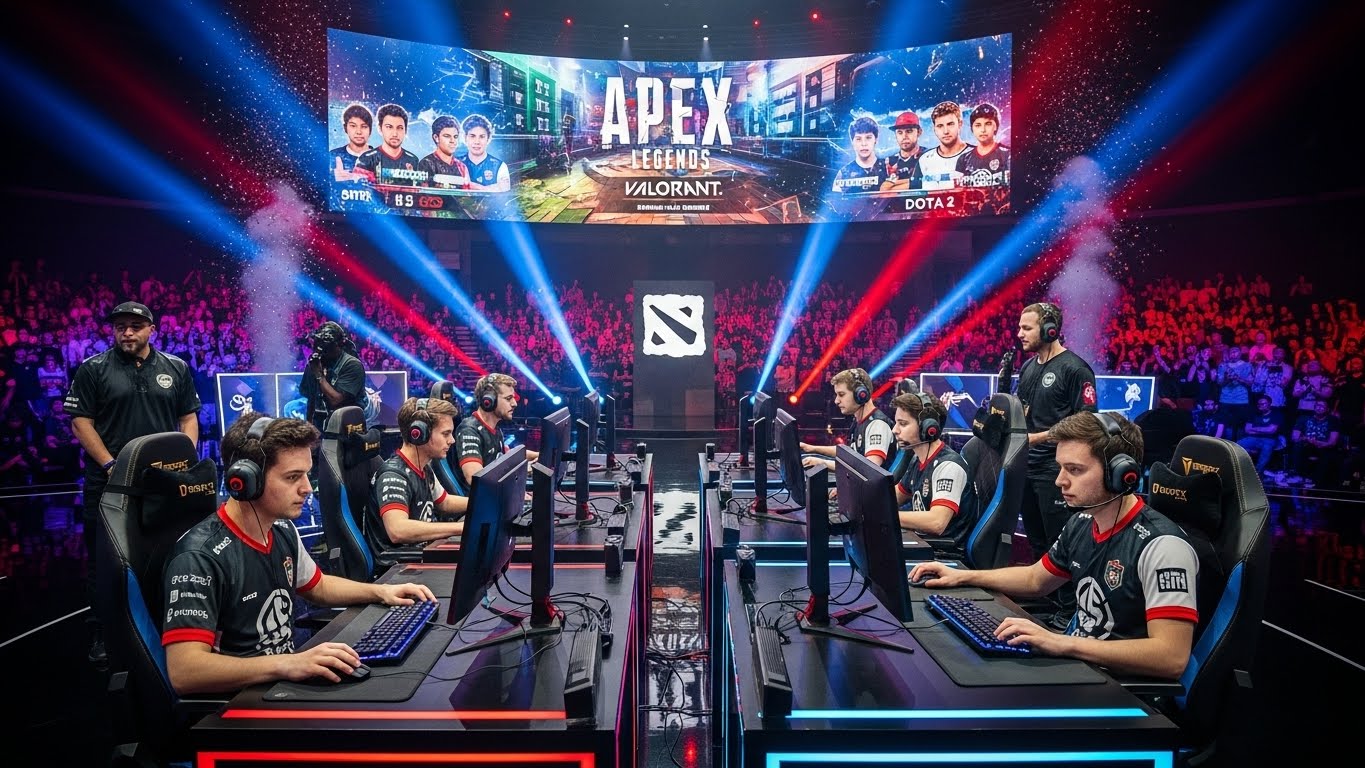
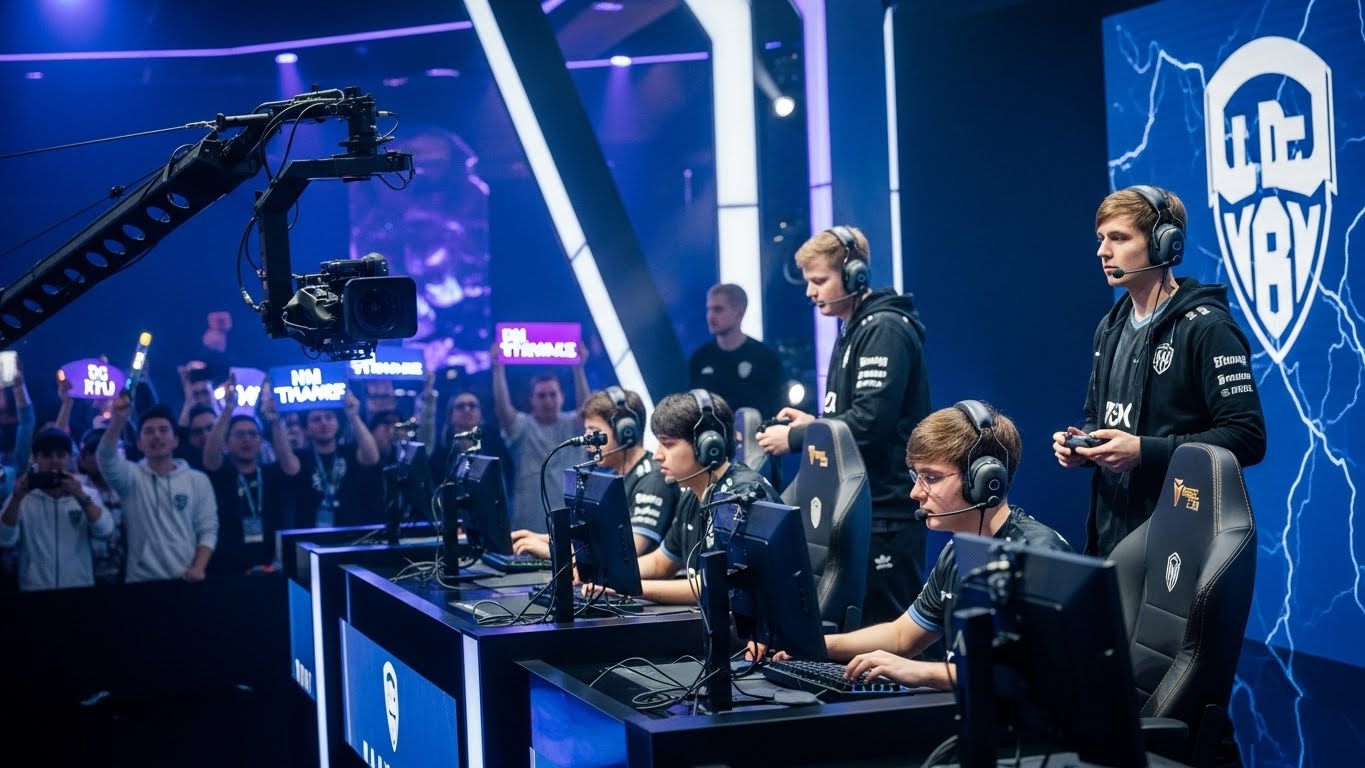
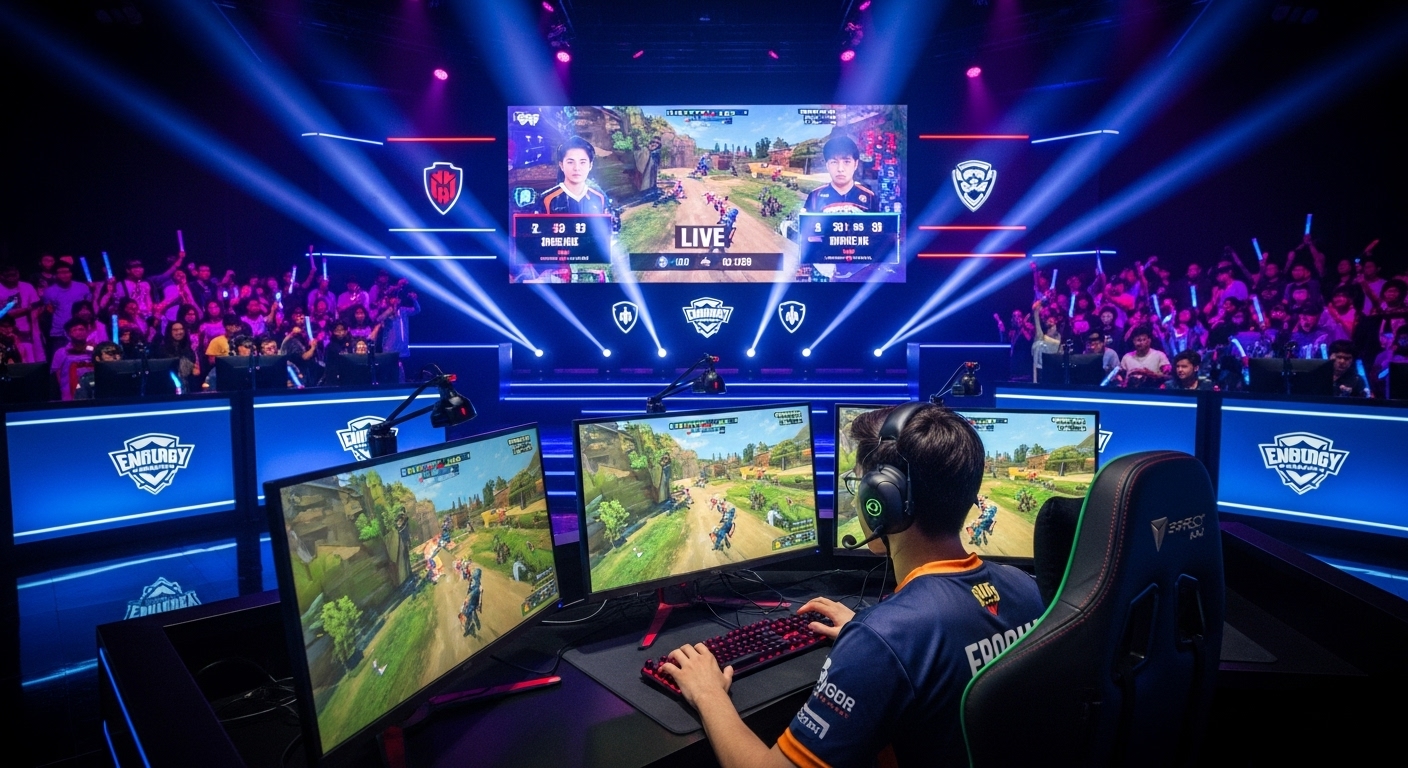
Major cities began hosting grand tournaments in arenas packed with tens of thousands of fans. These events were more than competitions — they were spectacles filled with music, lights, and storytelling. The atmosphere rivaled that of the Super Bowl or the World Cup, symbolizing the full maturation of esports as a legitimate form of entertainment.
Esports as a Career Path
In earlier decades, the idea of pursuing gaming as a career seemed unrealistic. However, the success stories of professional players, commentators, and content creators have completely shifted this perception.
Professional esports athletes dedicate countless hours to practice, studying opponents, and refining their strategies. The physical and mental demands of high-level competition are immense, often comparable to traditional athletes. Reflexes, hand-eye coordination, endurance, and emotional control all play critical roles in achieving success.
Beyond players, esports has opened doors for numerous other professions. Coaches, analysts, production teams, broadcasters, marketing specialists, and event coordinators all contribute to the ecosystem. The growth of esports education — with universities offering scholarships and courses related to gaming and digital media — underscores its legitimacy as a viable career path.
The community-driven nature of esports also allows for independent success. Streamers, content creators, and influencers build careers around gaming without the need for formal organizations. This democratization of opportunity is one of the most empowering aspects of the industry.
The Cultural Impact of Esports
Esports is not just about competition; it has become a cultural movement that reflects the values of the digital generation. It embodies diversity, inclusivity, and global connection. Gamers from different backgrounds and countries can unite over shared interests, forming friendships that transcend borders.
Major events bring together audiences who speak different languages but share the same excitement. The passion for a favorite team or player creates a sense of belonging similar to that found in traditional sports fandoms.
Moreover, esports has influenced mainstream media, fashion, and music. Collaborations between game developers and pop artists, branded apparel lines, and cinematic storytelling have blurred the boundaries between gaming and popular culture. What was once seen as a subculture is now at the forefront of modern entertainment.
Esports has also played a role in promoting technological innovation. The demand for high-performance hardware, efficient streaming platforms, and immersive digital experiences continues to push the boundaries of what’s possible in the tech industry.
Challenges Faced by the Esports Industry
Despite its rapid growth and success, esports faces a range of challenges that must be addressed for sustainable development. One major concern is player burnout. The intense training schedules and mental pressure of constant competition can lead to exhaustion and health issues. Many players retire at a young age due to the demanding nature of the profession.
Another issue is regulation. Since esports spans multiple countries and game publishers, there is no unified governing body to enforce consistent rules or protect player rights. Disputes over contracts, cheating allegations, and match-fixing scandals have occasionally damaged the industry’s reputation.
Gender disparity also remains a challenge. Although women are active participants in gaming communities, they are often underrepresented in professional esports. However, efforts are being made to create more inclusive environments and equal opportunities.
Monetization and sustainability pose additional hurdles. While viewership numbers are impressive, converting that audience into consistent revenue remains complex. Maintaining balance between commercialization and community integrity is crucial for long-term success.
The Educational and Social Value of Esports
Beyond entertainment, esports has proven to be an effective educational and social tool. Many educators now recognize the cognitive benefits of gaming, such as problem-solving, teamwork, and strategic thinking. Schools and universities have begun integrating esports programs to teach communication, leadership, and technology literacy.
Esports also fosters social inclusion. For individuals who may struggle with traditional physical sports or social interactions, gaming provides a platform to connect, compete, and build confidence. It encourages collaboration and cultural exchange, creating a sense of unity in an increasingly digital world.
The discipline and focus required in competitive gaming translate well to other aspects of life. Many players learn time management, perseverance, and adaptability — qualities essential in both personal and professional development.
The Future of Esports
The future of esports appears boundless. Technological advancements like virtual reality, augmented reality, and artificial intelligence promise to redefine the gaming experience once again. Esports events may soon include fully immersive environments where players and spectators share the same digital space in real time.
Mobile gaming is another frontier driving global expansion. With the accessibility of smartphones, competitive titles like Mobile Legends and PUBG Mobile have brought esports to regions where console and PC gaming were previously less dominant. This accessibility ensures that the industry continues to grow inclusively.
As traditional sports organizations continue to collaborate with esports franchises, the line between physical and digital competition will blur even further. Governments and educational institutions are beginning to acknowledge esports as a legitimate discipline, leading to better infrastructure and recognition.
In the long term, esports has the potential to become one of the defining cultural pillars of the twenty-first century — a universal platform where technology, creativity, and human ambition converge.
The Human Spirit Behind the Screens
At its core, esports is not just about pixels, strategies, or technology; it is about human emotion. Every victory, defeat, and comeback reflects the same spirit that drives any athlete — the desire to excel, to connect, and to inspire.
The stories of players rising from small communities to global stages remind us that esports is not an escape from reality but an extension of it. It represents how human beings continually find new ways to express competition, artistry, and resilience.
For millions of fans worldwide, esports is more than a pastime; it is a passion that unites them in a shared digital arena. The energy, creativity, and sense of belonging it fosters ensure that it will continue to grow and evolve for generations to come.
Conclusion
Esports has traveled an extraordinary journey — from local arcades to packed arenas, from solitary screens to global celebrations of skill and teamwork. It has shattered outdated stereotypes about gaming and established itself as one of the most dynamic industries of the modern age.
As we move deeper into a world where technology continues to shape human experience, esports stands as a testament to innovation, community, and the enduring competitive spirit. Its future is not merely bright; it is transformative — a bridge between cultures, generations, and the endless possibilities of digital creation.