Introduction
Not too long ago, the idea of people gathering in an arena to watch others play video games might have seemed far-fetched. Fast forward to today, and esports—short for electronic sports—is one of the fastest-growing entertainment industries in the world. From sold-out stadiums to million-dollar tournaments, esports has moved from basements and internet cafés to mainstream recognition. It’s no longer just about “playing games”; it’s about competing, entertaining, and building a global culture that blends technology, creativity, and passion.
The Early Days of Competitive Gaming
Esports didn’t start with the flashy lights and massive prize pools we see today. The first seeds were planted decades ago. In the 1970s and 1980s, arcade competitions were popular among early gamers. Games like Space Invaders and Pac-Man introduced the concept of chasing high scores, while local arcades became social hubs for friendly rivalry. One of the earliest recorded video game competitions took place in 1972 at Stanford University, where students competed in the game Spacewar! for a year’s subscription to Rolling Stone magazine. It might sound small by today’s standards, but that event laid the foundation for organized gaming competitions.
As technology advanced, so did gaming. The 1990s saw the rise of PC and console gaming, which gave birth to organized tournaments like the Nintendo World Championships in 1990 and the Red Annihilation tournament in 1997 for Quake—an event often regarded as one of the first modern esports tournaments. This was also the era of LAN parties, where players brought their computers together for multiplayer sessions of games like Counter-Strike, StarCraft, and Doom. These gatherings weren’t glamorous, but they were the breeding ground for the competitive spirit that still defines esports today.
The Internet Changes Everything
The arrival of high-speed internet in the early 2000s transformed gaming. Players could now compete globally without being in the same room. Titles like StarCraft in South Korea, Counter-Strike in Europe, and Halo in North America became synonymous with online competition. South Korea, in particular, was a major catalyst in esports’ development. The government recognized gaming as a legitimate industry, leading to professional teams, televised matches, and celebrity players. StarCraft was so popular in South Korea that players like Lim “BoxeR” Yo-hwan became national icons.
Online multiplayer games also benefited from improved hardware and streaming capabilities. This era birthed esports organizations, professional leagues, and dedicated sponsorships. Suddenly, what was once considered a casual hobby began to resemble a real career path for talented players.
The Explosion of Esports in the 2010s
The 2010s were the decade when esports went from being a niche scene to a global mainstream phenomenon. Several key factors contributed to this explosive growth:
1. Streaming Platforms
The rise of platforms like Twitch and YouTube Gaming changed how audiences consumed content. Fans could watch their favorite players live, interact in real time, and feel part of a community. Streaming created accessibility and authenticity that traditional sports couldn’t always match. It wasn’t just about competition—it was about personality, entertainment, and connection.
2. Game Developers Embracing the Competitive Scene
Companies like Riot Games (League of Legends), Valve (Dota 2, Counter-Strike), and Blizzard (Overwatch, StarCraft II) started investing directly in esports ecosystems. They built structured leagues, organized massive tournaments, and supported players through official partnerships. For example, The International, Dota 2’s flagship event, became famous for its record-breaking prize pools, funded largely by in-game purchases from fans.
3. Mainstream Media and Corporate Sponsorship
Brands and broadcasters began to take notice. ESPN aired esports events. Coca-Cola, Intel, and Red Bull sponsored tournaments. Universities launched esports scholarships, and stadiums that once hosted concerts or sports matches were now hosting gaming championships.
4. Global Accessibility
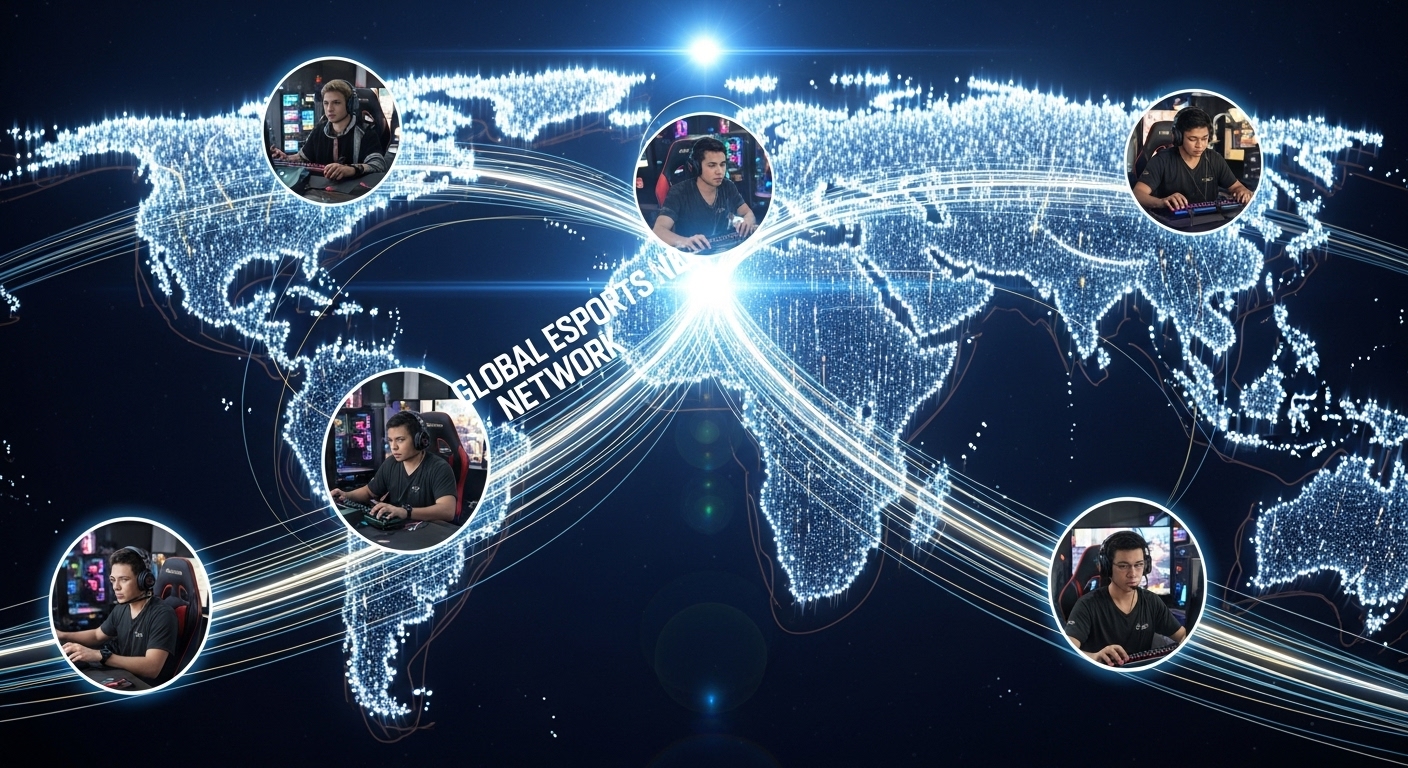
Unlike traditional sports, esports didn’t require physical proximity or expensive equipment. Anyone with a computer or console could play. This global accessibility allowed esports to thrive across regions—Asia, Europe, North America, and now even Africa and South America have thriving competitive communities.
The Most Popular Esports Titles
While hundreds of games have competitive scenes, a few stand out as the pillars of esports culture.
League of Legends (LoL)
Riot Games’ League of Legends is often credited for bringing esports to mainstream recognition. The League of Legends World Championship attracts millions of viewers annually, with production values rivaling the Super Bowl. Its success lies in the game’s accessibility, team-based strategy, and Riot’s investment in global infrastructure.
Dota 2
Valve’s Dota 2 remains one of the most complex and strategically rich games in the esports world. The International, Dota 2’s annual world championship, regularly features prize pools exceeding tens of millions of dollars. Fans crowdfund much of it through in-game purchases, creating a strong sense of community ownership.
Counter-Strike: Global Offensive (CS:GO)
Few games have had the longevity of Counter-Strike. Since its release in 1999, the franchise has been a cornerstone of competitive gaming. Its simple concept—two teams, terrorists and counter-terrorists, battling in short, tactical rounds—makes it easy to understand but difficult to master.
Fortnite
Epic Games’ Fortnite blurred the lines between gaming, pop culture, and esports. Its blend of creative building mechanics, vibrant visuals, and regular events featuring artists and brands made it a cultural phenomenon. The Fortnite World Cup in 2019 offered a $30 million prize pool, making 16-year-old Bugha an overnight millionaire.
Valorant, Overwatch, and Call of Duty
These games have helped diversify the esports scene further. Valorant combines elements of tactical shooters and hero-based games, appealing to both casual and competitive audiences. Overwatch’s team-based design brought colorful characters and fast-paced action, while Call of Duty’s long-standing legacy continues to thrive with dedicated leagues and global tournaments.
The Business of Esports
Esports isn’t just about players and fans—it’s an entire ecosystem. The industry includes game publishers, tournament organizers, sponsors, broadcasters, merchandise companies, and even betting platforms. The global esports market is worth billions, driven by sponsorships, advertising, ticket sales, and media rights.
Teams and Organizations
Professional teams like Team Liquid, Cloud9, T1, and FaZe Clan operate much like traditional sports franchises. They recruit players, negotiate contracts, manage branding, and secure sponsorships. Players can earn salaries, performance bonuses, and revenue shares.
Event Production
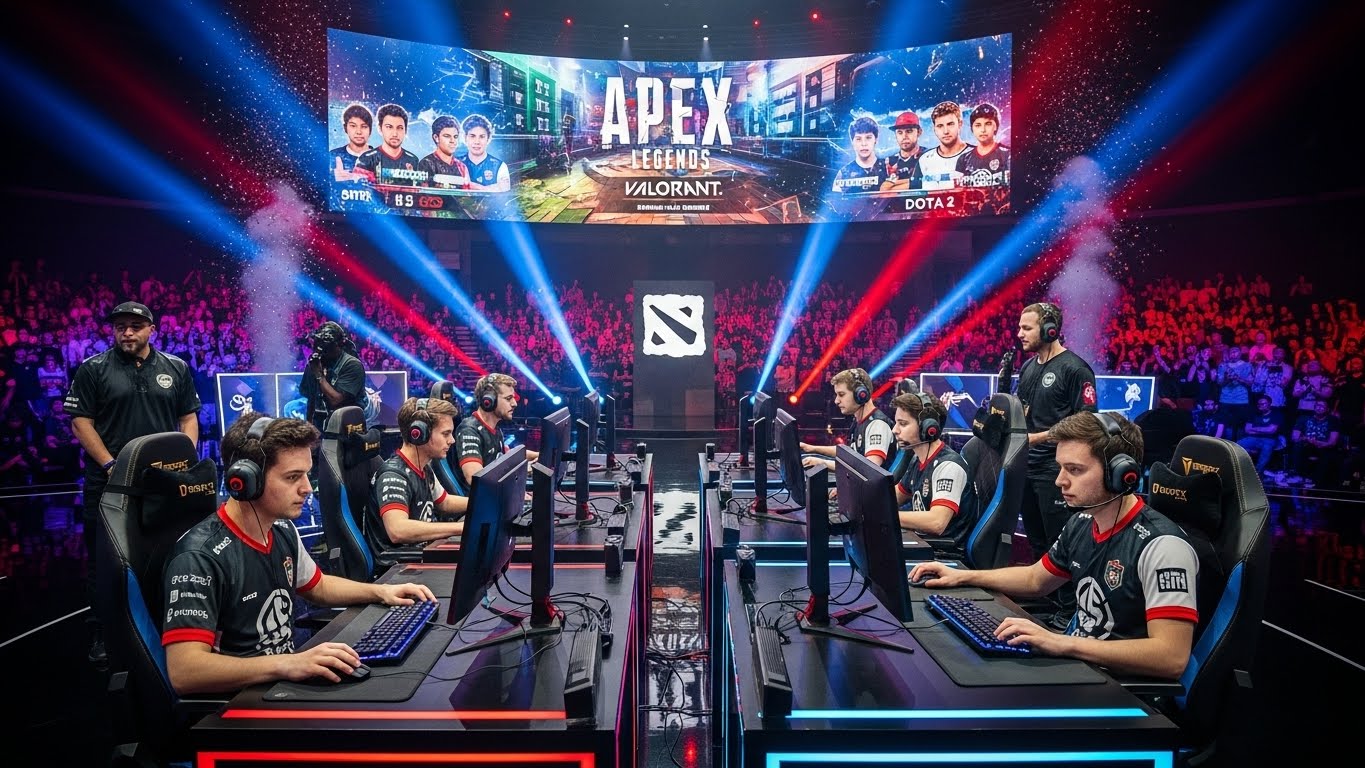
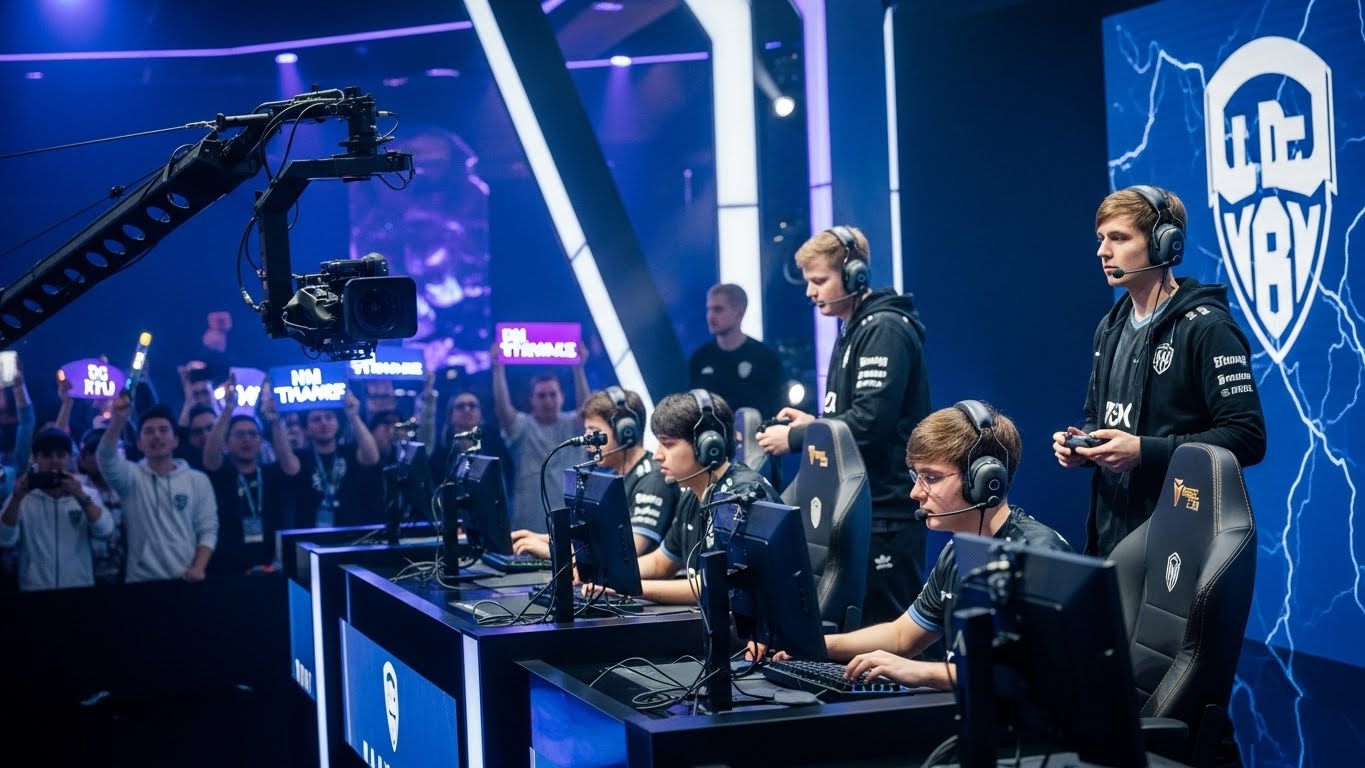
Major tournaments are massive productions involving technical crews, commentators, analysts, and stage designers. Events like ESL One or the League of Legends Worlds finals are broadcast to millions of viewers across multiple languages, often held in world-class arenas.
Sponsorship and Branding
Brands view esports as a gateway to younger, tech-savvy audiences. Energy drink companies, computer hardware brands, and even luxury fashion houses have entered the scene. Sponsorships aren’t limited to banners—they’re integrated into streams, player jerseys, and in-game events.
Media and Broadcasting
Streaming remains the primary platform for esports, but traditional broadcasters have started investing too. ESPN, BBC, and various national channels have aired esports tournaments. This blend of digital and traditional media ensures esports reaches audiences of all kinds.
The Player Lifestyle and Culture
Behind every great team are players who dedicate countless hours to practice, strategy, and teamwork. The life of an esports athlete might seem glamorous from the outside, but it demands immense discipline.
Professional players typically train 8–12 hours a day, reviewing gameplay, studying opponents, and maintaining peak reaction times. Teams often live together in “gaming houses,” allowing for focused practice and team bonding. However, this intense lifestyle also raises challenges related to burnout, mental health, and longevity. Unlike traditional athletes who might play into their 30s or 40s, esports players often peak in their early 20s.
Fortunately, the industry has become more aware of these challenges. Organizations now provide coaching, nutrition plans, and mental health support to players. Some players transition into streaming, coaching, or content creation after retiring from competitive play.
Esports as a Career Path
For younger generations, esports offers more than just dreams of competition. It’s a legitimate career field spanning multiple roles—casters, analysts, production staff, marketers, designers, and event managers. Universities have started offering degrees and scholarships in esports management, game design, and broadcasting.
Moreover, the line between professional player and content creator continues to blur. Many players stream their practice sessions, build audiences, and establish personal brands. This combination of competitive skill and entertainment appeal is reshaping what it means to have a career in gaming.
The Role of Technology
Technology is the backbone of esports. From hardware innovations like high-refresh monitors and gaming peripherals to software improvements in matchmaking and anti-cheat systems, tech advancements have enhanced both player performance and viewer experience.
Cloud gaming, artificial intelligence, and augmented reality are also influencing the next generation of esports. AI tools now help teams analyze opponents’ strategies, while virtual production technology enhances broadcasts with real-time graphics. As internet speeds continue to improve worldwide, esports will become even more accessible to new audiences.
Esports and Traditional Sports: A Growing Connection
The relationship between esports and traditional sports has evolved from skepticism to collaboration. Major sports franchises like the NBA, NFL, and Formula 1 have launched their own esports leagues. For example, the NBA 2K League mirrors the actual basketball season, while Formula 1’s Esports Series attracts both professional racers and gamers.
Traditional athletes have also become investors in esports teams. Legends like Michael Jordan, David Beckham, and Shaquille O’Neal have all entered the scene, seeing esports as the future of entertainment and fan engagement.
The Cultural Impact of Esports
Esports has influenced pop culture in profound ways. Game soundtracks feature in mainstream playlists, and popular streamers attract more followers than some celebrities. Events like the Fortnite Travis Scott concert or League of Legends’ virtual K-pop group K/DA show how gaming has become a powerful medium for music, fashion, and digital expression.
In some countries, esports athletes receive the same recognition as traditional sports stars. In South Korea and China, professional gamers are treated as celebrities, complete with fan clubs and endorsements. This cultural shift has helped legitimize gaming as more than just a pastime—it’s an art form, a performance, and a shared experience.
Challenges Facing Esports
Despite its success, esports faces challenges that need addressing for sustainable growth.
Player Welfare
Burnout, short careers, and inconsistent income are ongoing concerns. Establishing player unions and standardized contracts can help protect athletes and ensure fair treatment.
Regulation and Governance
Unlike traditional sports, esports lacks a universal governing body. Each game publisher manages its ecosystem, which can lead to inconsistencies in rules and formats. Creating unified standards could help the industry maintain integrity and stability.
Cheating and Match-Fixing
With high stakes and large audiences, esports is vulnerable to cheating and illegal betting. Developers are investing in better anti-cheat systems, but maintaining fair play remains a constant battle.
Diversity and Inclusion
Esports has made strides, but gender representation and inclusivity still need improvement. Women and marginalized groups often face toxicity or underrepresentation. Initiatives that promote equality and safe environments are essential for the community’s future.
Sustainability and Mental Health
The pressure to perform can lead to mental health struggles. Teams and organizations are beginning to take well-being seriously by offering psychological support and promoting healthier schedules.
The Future of Esports
The future of esports is bright and full of potential. As technology evolves and global interest grows, we can expect even more innovation. Virtual reality esports could become mainstream, blending physical and digital competition. Mobile esports will continue expanding, especially in regions where smartphones are more accessible than gaming PCs.
We’ll also see greater integration with education and entertainment. Esports will play a key role in digital literacy, teamwork, and strategic thinking for younger generations. The metaverse—a shared digital universe—could also reshape how esports is played and viewed, allowing fans to attend virtual arenas as avatars.
Conclusion
Esports has come a long way from its humble beginnings. What started as friendly arcade competitions has evolved into a global industry uniting millions of players and fans. It’s not just about gaming—it’s about culture, technology, and community. Esports represents a shift in how we define sports, entertainment, and human connection in the digital age.
As we look to the future, one thing is clear: esports isn’t a passing trend. It’s a movement—a reflection of our increasingly connected, creative, and competitive world. And while the games might change over time, the spirit of competition, the thrill of the crowd, and the love for the game will always remain at the heart of esports.