
Introduction: A New Era of Competition
Not long ago, competitive gaming was something only a small group of enthusiasts cared about. It lived in local computer cafés, cramped basements, and dimly lit LAN parties where friends would spend nights battling each other in games like Counter-Strike, StarCraft, or Dota. Fast forward to today, and Esports—short for electronic sports—has evolved into a multibillion-dollar global industry. What was once considered a hobby has transformed into a legitimate form of entertainment, complete with professional players, sponsors, and massive arenas filled with roaring fans.
This shift didn’t happen overnight. Esports grew steadily, fueled by advances in technology, streaming platforms, and the deep social connection that gaming provides. To understand how far Esports has come—and where it’s heading—we need to explore its roots, growth, and cultural significance.
The Origins of Competitive Gaming
The foundation of Esports dates back to the early 1970s, long before online gaming existed. The first recognized video game competition happened at Stanford University in 1972, where students played a game called Spacewar. The prize? A year’s subscription to a magazine. It may sound trivial by today’s standards, but that event marked the beginning of something bigger—the idea that gaming could be competitive and communal.
As video games became more accessible in the 1980s, arcade tournaments started to attract attention. Games like Pac-Man, Donkey Kong, and Space Invaders brought players together to test their reflexes and climb the high-score charts. The appeal was simple yet powerful: beating another player meant recognition, and recognition meant prestige within a passionate community.
In the 1990s, as personal computers became more powerful, networked gaming made headway. LAN (Local Area Network) parties became popular, allowing friends to connect multiple computers and play games like Doom and Quake against each other. The thrill of defeating someone sitting across the room was unmatched—and for many, this was their first taste of true multiplayer competition.
The Internet Revolution and Online Gaming
The early 2000s were a turning point for Esports. The spread of broadband internet changed everything. No longer limited to local connections, players could now compete with anyone, anywhere in the world. This opened up new possibilities for competitive gaming and allowed communities to grow at an unprecedented pace.
Games like Counter-Strike, Warcraft III, and StarCraft became the cornerstones of online tournaments. South Korea, in particular, became a hub for competitive gaming. The country embraced Esports early, with professional players, dedicated leagues, and even television channels broadcasting matches. The Korean StarCraft scene was a phenomenon—it produced celebrities, fan clubs, and an entire subculture that would later influence the global Esports model.
Meanwhile, in the West, organizations began to take shape. Events like Major League Gaming (MLG) in the United States and the Electronic Sports World Cup in Europe provided structured platforms for professional competition. These early initiatives laid the groundwork for what would become a massive entertainment industry.
The Birth of the Modern Esports Era
By the late 2000s, Esports started to gain momentum beyond niche circles. One of the main catalysts for this transformation was the rise of streaming platforms. Before streaming, fans had limited ways to watch their favorite players compete. But when services like Twitch and YouTube Gaming appeared, everything changed.
Suddenly, anyone could watch live tournaments, follow their favorite players, and even interact with them through chat. This interactivity turned gaming into a participatory experience. Esports wasn’t just about the matches anymore—it was about the stories, personalities, and communities that formed around them.
During this period, major titles like League of Legends, Dota 2, and Call of Duty solidified Esports as a legitimate spectator sport. These games had global audiences, structured leagues, and sponsorships from major companies. Prize pools began to skyrocket, attracting even more players to the competitive scene. For example, the Dota 2 International became known for its massive community-funded prize pools, often exceeding tens of millions of dollars.
Professional Players and the Life of an Esports Athlete
The modern Esports professional is far removed from the casual gamer stereotype. These players train rigorously, often practicing eight to twelve hours a day to refine strategies, study opponents, and maintain peak performance. Team coordination, reaction time, and mental stamina are as critical as physical training is in traditional sports.
Players often live together in team houses or training facilities where they practice under the guidance of coaches, analysts, and managers. Nutritionists and psychologists are also becoming part of the support system, recognizing the mental demands of the sport. Burnout, after all, is a real threat. The pressure to perform, coupled with constant competition and online scrutiny, can take a toll on young players.
Despite the challenges, the rewards are significant. Top players can earn millions from tournament winnings, sponsorships, and streaming deals. But beyond money, there’s also prestige. Esports champions are celebrated by fans worldwide, and many become influencers in their own right.
The Role of Streaming and Content Creation
Streaming didn’t just help Esports grow—it reshaped how we experience entertainment altogether. Twitch, YouTube, and similar platforms blurred the line between player and spectator. Viewers don’t just watch Esports—they participate by engaging with streamers, joining discussions, and supporting their favorite teams financially.
Many professional players transition into streaming after their competitive careers, maintaining their fan base while sharing insights, tutorials, and gameplay. This constant cycle of interaction keeps the Esports ecosystem vibrant and accessible.
Streaming also democratized exposure. A talented player no longer needs to rely solely on tournament wins to build a reputation. A strong online presence can open doors to sponsorships and professional opportunities. In many ways, it’s the equivalent of scouting in traditional sports—only here, it’s done in real time and with a global audience.
Esports Organizations and Global Leagues
The rise of Esports organizations was inevitable as the industry grew. These are the teams and brands that manage players, handle sponsorships, and compete in leagues worldwide. Names like Team Liquid, Fnatic, T1, and Cloud9 have become synonymous with professionalism and success.
Major publishers also began investing in structured leagues to ensure long-term stability. Riot Games launched the League of Legends Championship Series (LCS) and later expanded globally with regional leagues. Blizzard followed suit with the Overwatch League, introducing a city-based franchise system similar to the NBA or NFL.
These efforts brought structure, predictability, and legitimacy to the Esports scene. With franchised teams, consistent schedules, and standardized rules, fans could now follow their favorite organizations across seasons, just like traditional sports.
The Economics of Esports
Behind the bright lights and cheering fans, Esports operates as a sophisticated business. Revenue comes from several sources—sponsorships, media rights, merchandise, ticket sales, and digital content. Sponsors from outside the gaming industry, such as automobile companies, banks, and even fashion brands, now invest heavily in Esports.
Media rights are another major driver. Platforms compete for exclusive streaming rights to tournaments, similar to how television networks bid for traditional sports events. Meanwhile, in-game purchases and branded collaborations add another layer of monetization.
Yet, the Esports economy is still evolving. Profitability varies between organizations, and sustainability remains a key concern. Some teams depend heavily on investor funding, while others build diversified revenue streams through content, merchandise, and fan engagement.
The industry’s rapid growth has also attracted investors who view Esports as a gateway to reaching younger, digitally native audiences. With global revenues now exceeding a billion dollars annually, it’s clear that Esports has moved beyond the “experimental” stage.
Cultural Impact and Mainstream Recognition
Esports is not just a business—it’s a cultural phenomenon. It has shaped how people connect, communicate, and compete. The idea of a gamer as an isolated individual has been replaced by one of community, creativity, and collaboration.
Universities around the world now offer Esports scholarships, treating competitive gaming as a legitimate athletic pursuit. High schools host their own Esports teams, and even the Olympic Committee has discussed integrating Esports into future events.
Mainstream recognition has also come through media coverage. Esports highlights appear on major sports networks, and its stars grace magazine covers and talk shows. This visibility has helped break down long-held stereotypes about gaming, proving that digital competition can be as engaging and demanding as physical sports.
Diversity, Inclusion, and Challenges
While Esports has made incredible strides, it still faces important challenges. Diversity remains one of the biggest. Women, for example, are underrepresented in professional gaming. Although female players and teams exist, they often face harassment and discrimination both online and in competition.
Efforts are being made to create more inclusive environments, from gender-inclusive tournaments to stronger moderation on streaming platforms. Prominent figures and organizations are advocating for equal opportunity, emphasizing that talent and passion, not gender or background, should define success in Esports.
Another challenge is regulation. Unlike traditional sports governed by clear associations, Esports is fragmented across games and publishers. Each company sets its own rules, tournament formats, and disciplinary systems. As the industry matures, there’s an ongoing conversation about standardizing practices to ensure fairness and stability.
Esports and Technology: A Perfect Partnership
Technology and Esports share a symbiotic relationship. Advancements in gaming hardware, internet speed, and broadcasting have made it possible to deliver high-quality, real-time competition to millions of viewers.
Virtual reality (VR) and augmented reality (AR) are the next frontiers. These technologies could transform how players and fans experience games, offering immersive ways to participate. Artificial intelligence is also finding its place, from enhancing game balance to analyzing player performance.
Moreover, mobile gaming has brought Esports to an even wider audience. In regions like Southeast Asia and India, mobile Esports titles like PUBG Mobile and Mobile Legends have exploded in popularity, proving that high-end PCs and consoles aren’t necessary to build thriving competitive ecosystems.
The Psychology of Esports: What Makes It So Addictive
One reason Esports has such universal appeal lies in its psychological impact. Watching Esports engages the same competitive instincts that draw people to traditional sports. There’s strategy, teamwork, underdog stories, and moments of individual brilliance that ignite excitement.
For players, the motivation goes deeper. Esports provides a sense of mastery, identity, and belonging. It rewards skill and dedication, offering recognition that transcends physical boundaries. Fans, in turn, connect emotionally with teams and players, forming global communities united by passion.
Esports also fosters personal growth. Many young players learn discipline, time management, and communication through competitive gaming. These are transferable skills that benefit them beyond the screen.
The Global Stage: Major Tournaments and Spectacle
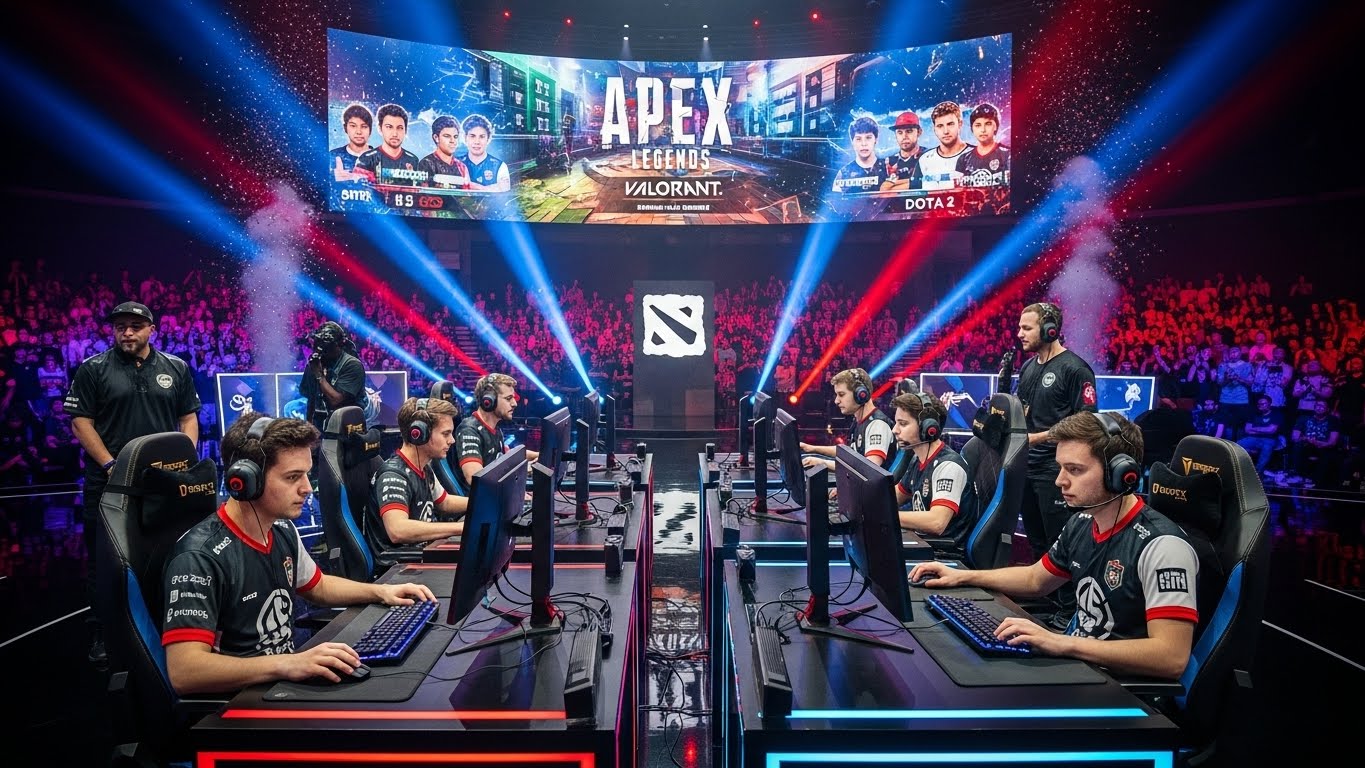
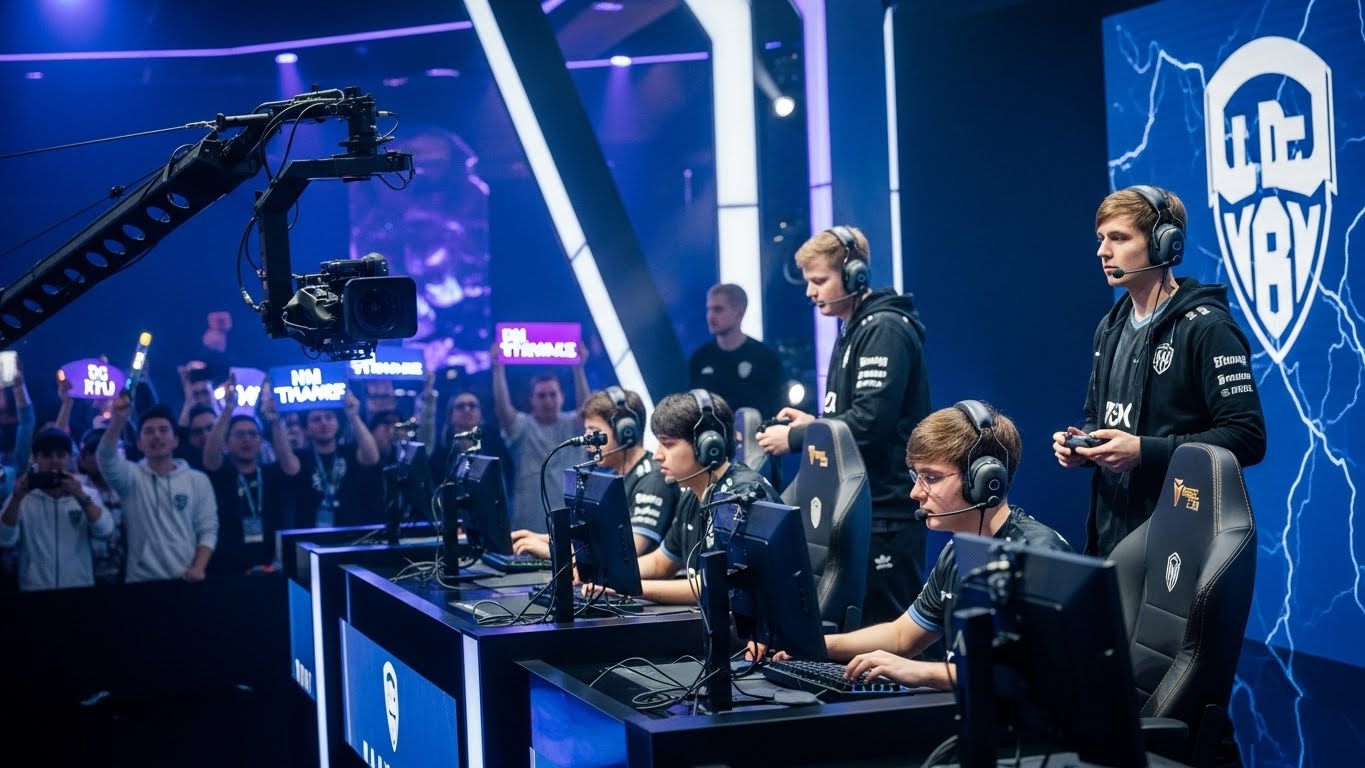
The spectacle of Esports tournaments rivals that of major sporting events. The International, the League of Legends World Championship, and the Fortnite World Cup draw millions of live viewers. Massive arenas fill with fans waving team flags, chanting, and celebrating plays with the same intensity you’d see at a soccer or basketball game.
These events are more than competitions—they’re cultural gatherings. They bring together people from different backgrounds, united by a shared love for gaming. The production value is staggering, with cinematic lighting, commentary, and live performances turning each event into a festival.
The global reach of these tournaments cannot be overstated. With players from every continent, Esports has become one of the most inclusive and international entertainment forms on the planet.
Esports Education and Career Opportunities
The industry’s growth has also created diverse career paths. Beyond professional players, there are coaches, commentators, event organizers, marketers, designers, and journalists. Universities and training academies now offer courses in Esports management, production, and broadcasting.
Students can learn everything from business strategy to event logistics, preparing for careers in one of the fastest-growing digital industries. Educational institutions have realized that Esports isn’t a passing trend—it’s a legitimate field with long-term opportunities.
The Future of Esports
So, where is Esports headed next? All signs point toward continued expansion. With more investment, media attention, and technology integration, the future looks bright.
We’ll likely see more crossovers with traditional sports organizations, as well as deeper integration with entertainment industries like music and film. Hybrid events blending live performance and gaming could redefine how audiences experience competition.
At the same time, sustainability will be a focus. Teams and leagues are learning that long-term success depends on nurturing players’ mental health, promoting diversity, and maintaining ethical standards. As Esports continues to mature, these conversations will shape its identity for years to come.
Conclusion: The Power of Play
The story of Esports is a story about human connection through technology. It’s about competition, creativity, and community. What began as a niche pastime has become a cultural force that unites millions across the globe.
Esports proves that passion can build industries, that digital worlds can create real bonds, and that play—at its core—is something that defines us all. Whether you’re a professional gamer, a casual fan, or someone just discovering the scene, one thing is clear: Esports is here to stay, and its best chapters are still being written.