Introduction to Esports
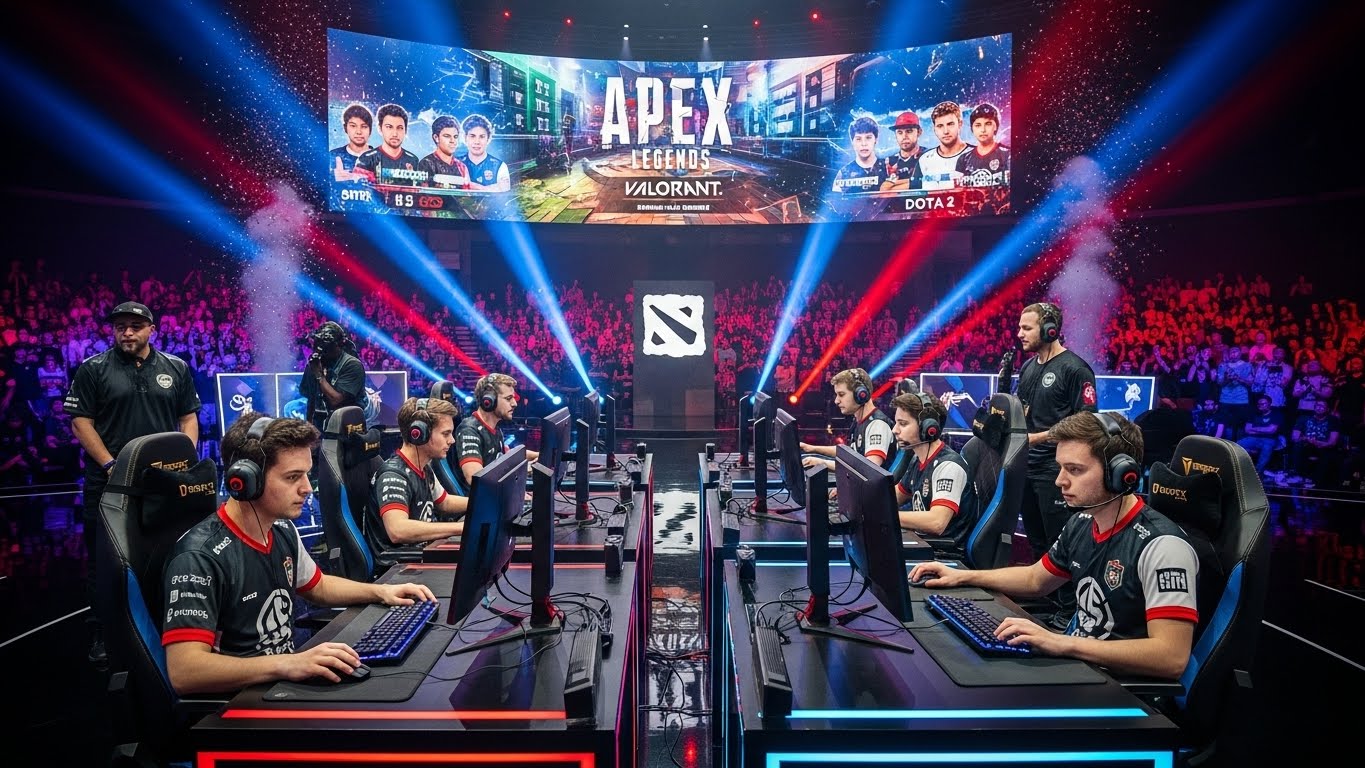
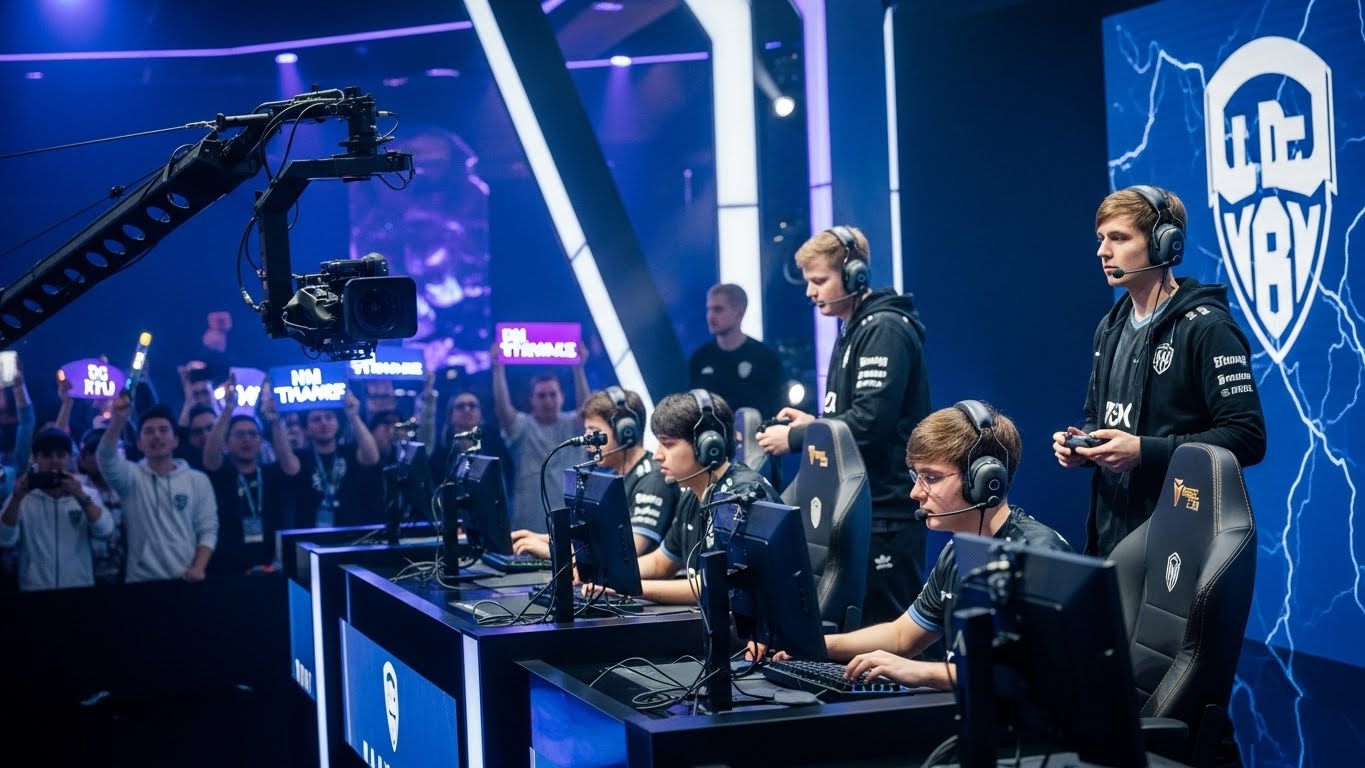
Esports, short for electronic sports, refers to competitive video gaming at a professional level. It has transformed from a casual pastime into one of the most rapidly growing industries in global entertainment. Millions of players and fans around the world now engage with Esports through live tournaments, online streaming platforms, and large-scale events that rival traditional sports in both viewership and revenue. What began as friendly competitions in local gaming arcades or living rooms has now become a billion-dollar global industry, with professional players, sponsorships, and teams that operate much like those in football, basketball, or cricket.
The essence of Esports lies in its accessibility and universality. Anyone with a computer, console, or mobile device can participate, which has allowed it to grow exponentially across all demographics. Today, it represents more than just gaming; it is a form of digital entertainment, culture, and community.
The Origins and Evolution of Esports
The history of Esports dates back to the early days of video gaming in the 1970s and 1980s. The first recognized gaming competition took place at Stanford University in 1972, where players competed in a game called Spacewar. Although small in scale, it marked the beginning of competitive gaming. In the 1980s, arcade games like Pac-Man, Donkey Kong, and Space Invaders became popular, and high-score contests started to gain attention.
The 1990s brought significant technological advancements, including the rise of personal computers, gaming consoles, and the internet. This decade saw the first major online multiplayer games and tournaments, such as the Red Annihilation Quake tournament in 1997, which many consider the first real Esports event. Players from different regions could now compete without being in the same physical location, a development that transformed gaming forever.
By the 2000s, Esports had entered a new phase of growth. Games like StarCraft, Counter-Strike, and Dota became central to the emerging Esports culture. South Korea played a pivotal role during this era, establishing professional gaming leagues and televised Esports competitions that inspired the rest of the world. The creation of online platforms and live-streaming services in the 2010s further accelerated Esports’ popularity, making it accessible to millions of viewers and turning professional gamers into celebrities.
The Growth of the Esports Industry
Esports has evolved into a multi-billion-dollar industry supported by sponsorships, advertising, media rights, and merchandise. Global brands and investors now see Esports as a legitimate and profitable business. Major companies from outside the gaming world, including automotive, beverage, and technology firms, have entered the Esports market through partnerships and sponsorships.
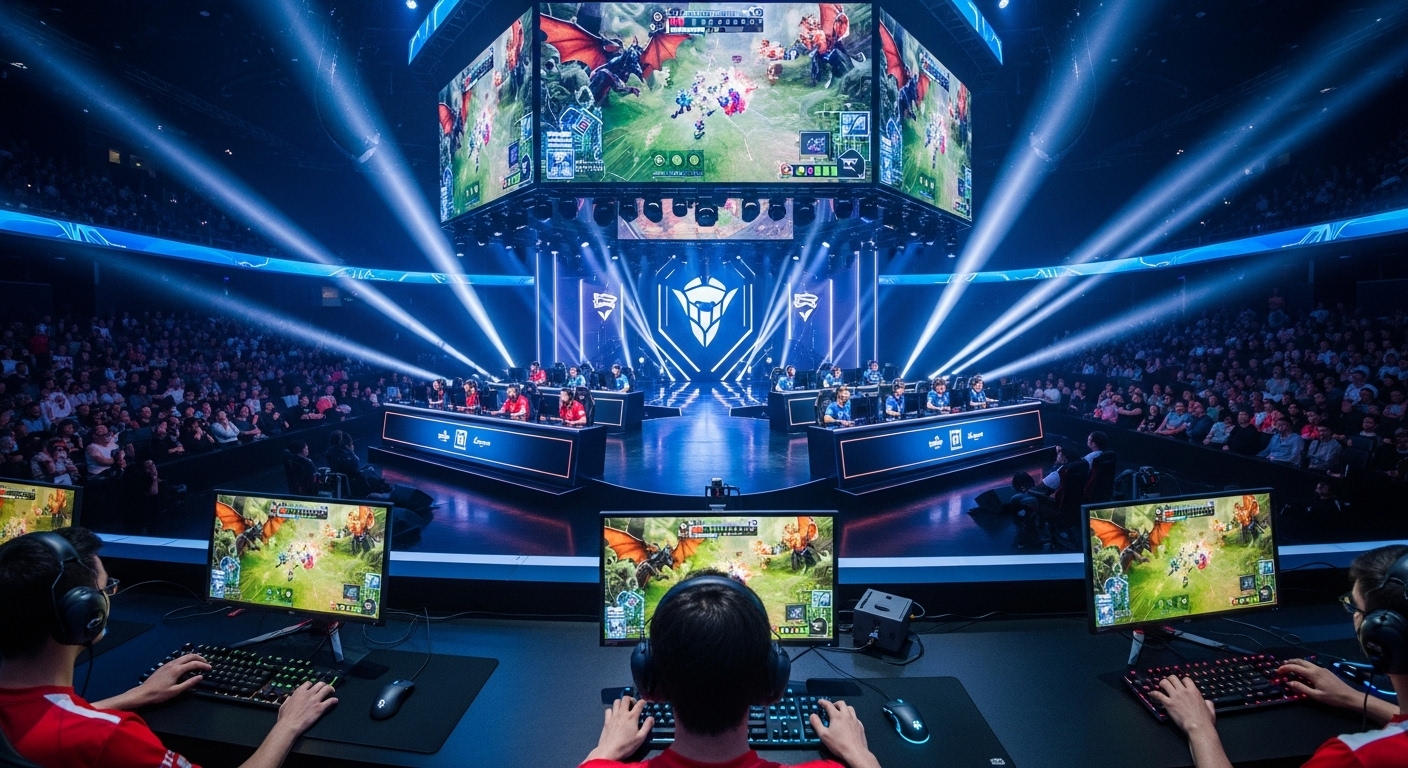
Large-scale tournaments such as The International (for Dota 2), the League of Legends World Championship, and the Fortnite World Cup attract massive online audiences and fill arenas across the world. Prize pools have reached millions of dollars, rivaling those of traditional sports. For example, top players and teams can now earn significant income through salaries, prize winnings, endorsements, and streaming revenue.
The infrastructure supporting Esports has also expanded. Professional teams now operate with managers, coaches, analysts, and dedicated training facilities. Esports organizations mirror traditional sports clubs in structure and professionalism, emphasizing performance, branding, and fan engagement. This organized ecosystem has helped solidify Esports as a respected part of the entertainment and sports industries.
Esports and Technology
Technology plays a vital role in the growth of Esports. The development of powerful gaming hardware, high-speed internet, and streaming technology has made competitive gaming possible on a global scale. Platforms like Twitch and YouTube Gaming have allowed fans to watch live matches and interact with players in real time.
Virtual reality and augmented reality are expected to further transform the Esports landscape. These technologies can create immersive experiences for both players and spectators, making Esports even more engaging. Additionally, advancements in artificial intelligence and data analytics have given teams the ability to analyze gameplay in detail, develop strategies, and improve performance.
The integration of cloud gaming and mobile technology has also made Esports more accessible. Mobile Esports titles like PUBG Mobile, Free Fire, and Mobile Legends have opened up new opportunities in regions where high-end gaming PCs or consoles are less common. This expansion has made Esports a truly global phenomenon, connecting players from all walks of life.
Popular Games in Esports
A wide variety of games fall under the Esports umbrella, each appealing to different audiences and skill sets. Multiplayer online battle arena (MOBA) games such as League of Legends and Dota 2 are among the most popular, featuring team-based gameplay that requires strategy, coordination, and quick decision-making.
First-person shooters (FPS) like Counter-Strike: Global Offensive, Valorant, and Call of Duty are also dominant Esports titles, known for their fast-paced action and tactical depth. These games often feature intense one-on-one duels and team strategies that keep viewers on the edge of their seats.
Battle royale games, including Fortnite and Apex Legends, have gained massive followings due to their unique mix of survival and competition. Sports simulation games like FIFA, NBA 2K, and Rocket League bring traditional sports fans into the Esports world, offering familiar gameplay in a virtual format.
Each of these games has its own ecosystem of tournaments, professional teams, and dedicated fan bases, contributing to the diversity and richness of the Esports industry.
The Global Impact of Esports
Esports has broken down barriers across cultures, languages, and borders. It has become a universal language of competition and entertainment. Players from different countries can compete on equal footing, united by their passion for gaming. This has led to a truly global community where collaboration and competition coexist.
The influence of Esports extends beyond gaming itself. It has impacted entertainment, fashion, education, and even national policies. Governments in several countries now recognize Esports as an official sport, providing funding and support for players and organizations. Universities and colleges have started offering Esports scholarships, degrees, and research programs, acknowledging its academic and professional potential.
In terms of cultural impact, Esports has shaped modern youth identity. It has created new forms of celebrity, where professional gamers and streamers can achieve fame similar to that of movie stars or athletes. The fan culture surrounding Esports is vibrant, with live events, fan art, and online communities that foster a sense of belonging.
Esports as a Career
The rise of Esports has opened up diverse career opportunities beyond playing professionally. While becoming a professional gamer is a dream for many, the industry also needs broadcasters, analysts, event organizers, content creators, marketing specialists, and software developers.
Esports commentators and hosts play a crucial role in making tournaments exciting for viewers. Event organizers manage large-scale competitions, often coordinating international logistics. Analysts study player performance and strategies, while coaches help teams refine their gameplay and communication.
Additionally, the content creation side of Esports has exploded, with streamers and influencers building personal brands and generating income through platforms like Twitch and YouTube. These opportunities have turned Esports into a viable career path for many young people who are passionate about gaming and technology.
Challenges Faced by the Esports Industry
Despite its rapid growth, Esports faces several challenges. One major issue is maintaining fairness and integrity. Cheating, match-fixing, and performance-enhancing software have occasionally tarnished the reputation of competitive gaming. Organizations continue to invest in anti-cheat systems and stricter regulations to ensure fair play.
Another challenge is player burnout and mental health. Professional gamers often train for long hours, which can lead to physical and psychological strain. The pressure to perform and constant competition can cause stress and anxiety. The industry is gradually recognizing the need for better player support systems, including mental health counseling and balanced training routines.
Monetization and sustainability also present concerns. While top-tier tournaments attract huge audiences and sponsors, smaller games and regions may struggle to find consistent funding. The financial stability of teams and players can be uncertain, especially in emerging markets.
Lastly, gender diversity remains an ongoing issue. Although many women are active gamers, female representation in professional Esports remains limited. Encouraging inclusivity and providing equal opportunities is essential for the long-term growth and credibility of the industry.
The Role of Education and Esports
Esports has entered the academic sphere in surprising ways. Many schools and universities around the world have started offering Esports programs that focus on business, management, and game design. Students can now pursue careers related to Esports management, marketing, broadcasting, and event planning.
Educational institutions are recognizing the benefits of Esports for developing teamwork, communication, and problem-solving skills. School-based Esports programs promote collaboration and provide a sense of community for students who may not participate in traditional sports.
Furthermore, the study of Esports offers insights into digital culture, media production, and technology. As the industry continues to evolve, education will play a vital role in training future professionals who can contribute to its growth in a sustainable and ethical manner.
Esports and the Future of Entertainment
The future of Esports looks incredibly promising. With the continuous development of technology, more immersive gaming experiences are on the horizon. Virtual arenas, interactive spectator modes, and enhanced realism will redefine how fans engage with Esports.
Esports could eventually merge with traditional sports through hybrid experiences that combine physical and digital competition. The integration of artificial intelligence may allow for smarter matchmaking, dynamic tournaments, and even new game genres designed specifically for competitive play.
The metaverse, a concept blending virtual worlds and digital identities, is also expected to play a major role. Esports could become one of the central pillars of metaverse entertainment, offering virtual stadiums, customizable avatars, and interactive fan experiences that go far beyond today’s limitations.
Conclusion
Esports has evolved from a niche hobby into a global phenomenon that connects millions of people through competition, creativity, and community. It has reshaped how society views gaming, turning it from a solitary pastime into a professional and cultural force.
As technology continues to advance, Esports will only grow in influence and scope. Its potential to unite people across borders, promote innovation, and inspire new generations makes it one of the most exciting developments of the 21st century. The journey of Esports is far from over—it is just the beginning of a digital revolution in how we play, watch, and experience the world of competition.