Introduction to the World of Esports
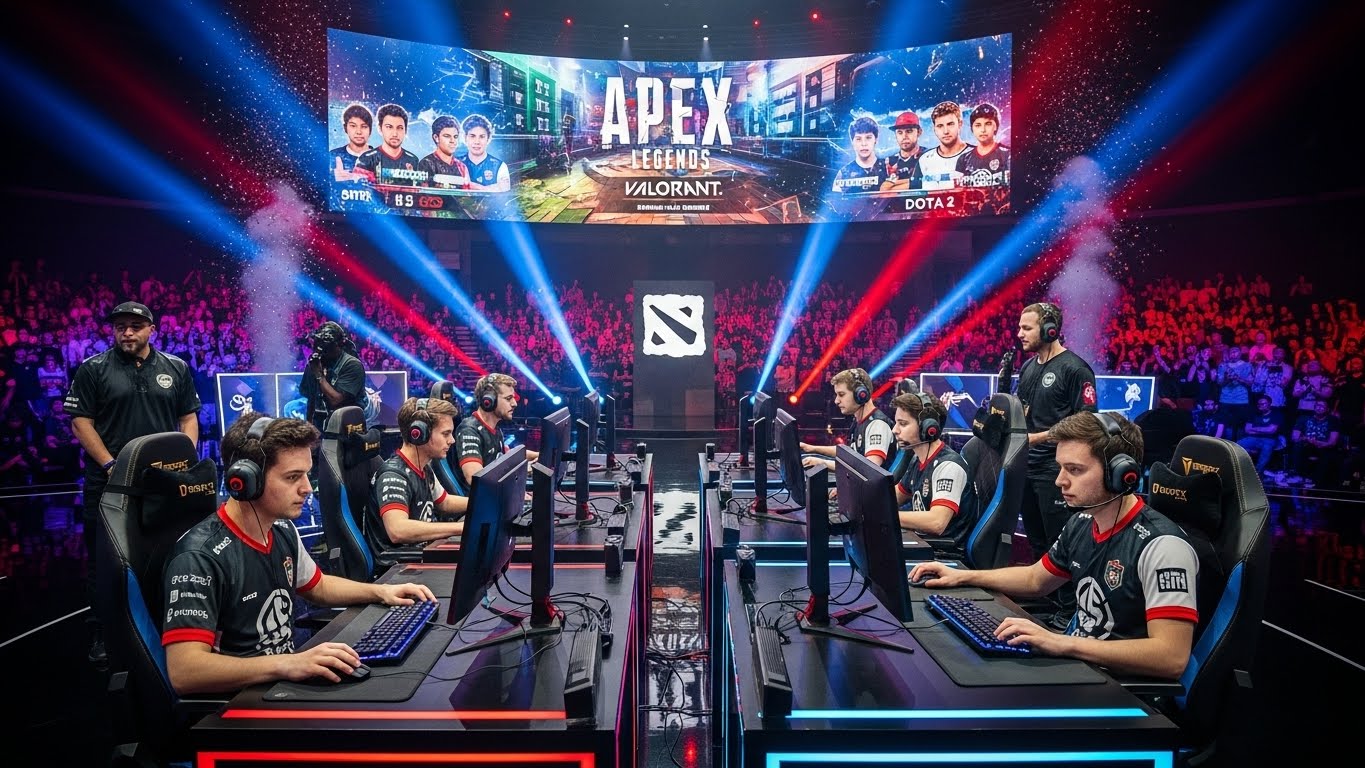
Esports, short for electronic sports, has evolved from a niche pastime into one of the most dynamic and influential industries in modern entertainment. What began as casual gaming competitions among friends has transformed into a multi-billion-dollar global phenomenon. Esports involves organized, multiplayer video game competitions, particularly between professional players, individually or as teams. From classic titles like Counter-Strike and StarCraft to modern giants such as League of Legends, Dota 2, Valorant, and Fortnite, Esports has created a new form of competitive spectacle that attracts millions of viewers around the world.
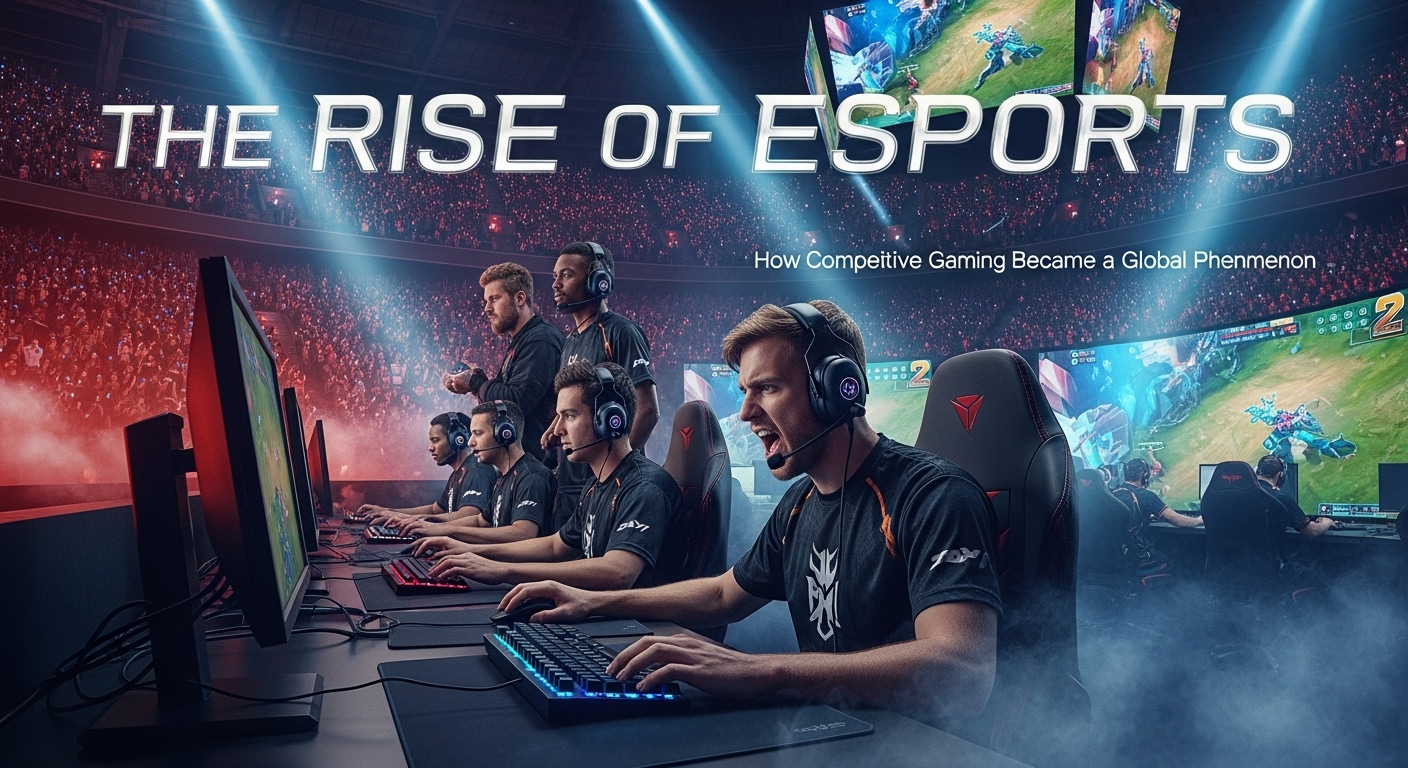
The rise of Esports signifies more than just a new form of entertainment—it represents a cultural shift in how people interact with technology, competition, and community. Today, professional gamers enjoy celebrity status, major tournaments fill entire stadiums, and fans tune in online to cheer for their favorite teams just as they would in traditional sports.
The Early History and Evolution of Esports
The roots of Esports can be traced back to the 1970s when video games were still in their infancy. The first known competitive gaming event took place in 1972 at Stanford University, where students competed in a game called Spacewar. The prize was a one-year subscription to a popular magazine, but it marked the beginning of organized video game competition.
In the 1980s, arcade gaming brought competition into the public eye. Titles like Pac-Man, Donkey Kong, and Space Invaders inspired high-score contests that drew the attention of media outlets and laid the groundwork for future gaming tournaments. As home consoles and personal computers became more accessible, players could compete without needing an arcade.
The 1990s marked a turning point. The rise of the internet allowed multiplayer gaming to expand beyond local connections. Games like Quake and StarCraft became staples in competitive play, while South Korea established a structured Esports ecosystem that would later inspire the rest of the world. By the 2000s, professional gaming leagues, sponsorships, and live broadcasts had become integral parts of the Esports scene.
The Modern Era of Esports
In the 2010s, Esports experienced explosive growth, largely driven by streaming platforms and social media. Websites such as Twitch and YouTube Gaming made it possible for fans to watch live matches, follow their favorite players, and engage with communities in real time. This accessibility turned Esports into a mainstream spectacle.
Games like League of Legends, Dota 2, Counter-Strike: Global Offensive, and Overwatch began to host massive international tournaments with multi-million-dollar prize pools. The League of Legends World Championship and The International became annual highlights, drawing audiences rivaling traditional sports events.
Esports also diversified into various genres beyond shooters and strategy games. Battle royale titles like Fortnite and PUBG, sports simulations such as FIFA and NBA 2K, and fighting games like Street Fighter and Super Smash Bros. brought in new fans from different corners of gaming culture.
The Global Reach of Esports
One of the most remarkable aspects of Esports is its global appeal. Unlike many traditional sports limited by geography or access, Esports transcends borders. Players from Asia, Europe, North America, and even Africa compete on the same virtual stage. South Korea remains a powerhouse, particularly in titles like StarCraft II and League of Legends, while China has built an enormous Esports infrastructure with government support and corporate investment.
In the West, North America and Europe host some of the most successful Esports organizations, including Team Liquid, Cloud9, G2 Esports, and Fnatic. The Middle East and South Asia are emerging as new regions of competitive gaming growth, with increasing investment in local tournaments and gaming infrastructure.
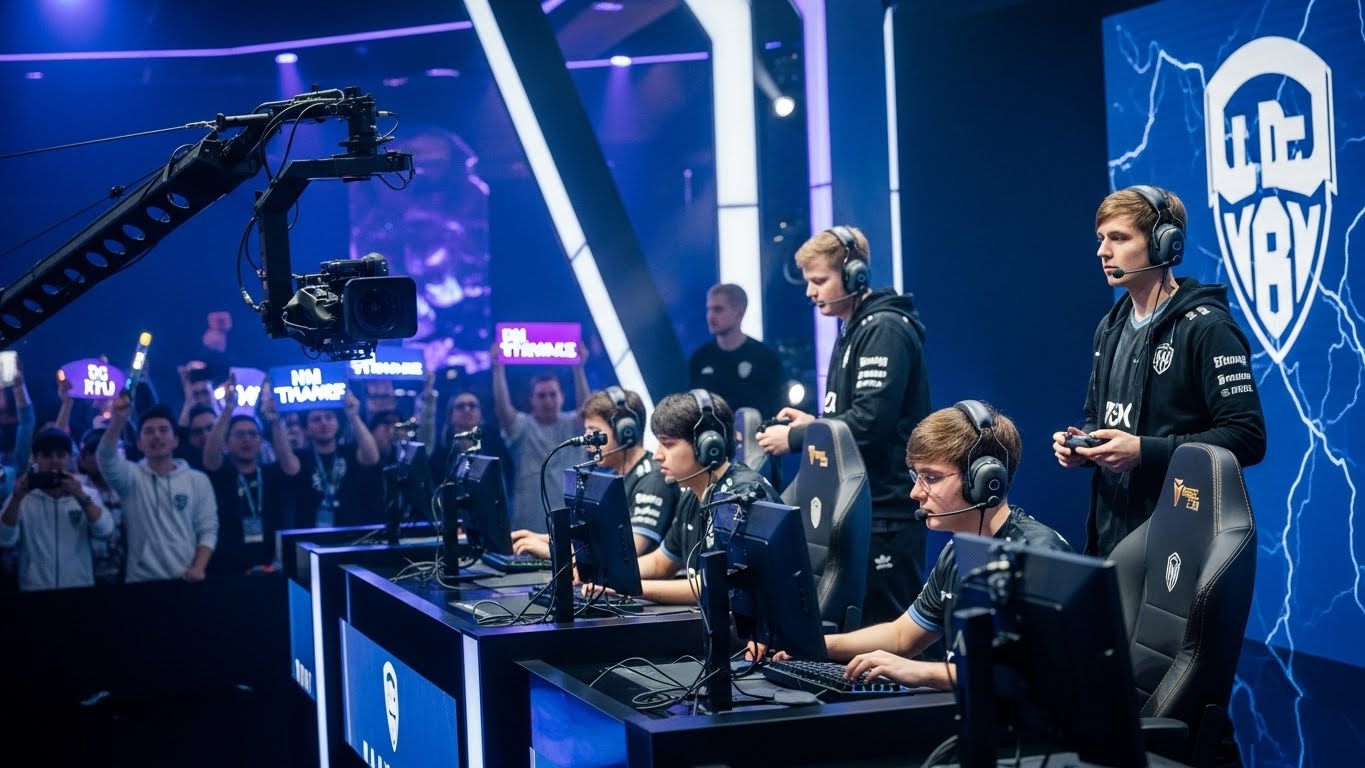
Esports events are now held in arenas once reserved for concerts or traditional sports, filling venues like Madison Square Garden and the Staples Center. These events attract live audiences of thousands and online audiences in the millions. The diversity of players and fans shows how deeply Esports has integrated into global culture.
The Professional Life of Esports Players
Professional Esports athletes dedicate years to mastering their craft. Just like traditional athletes, they follow rigorous training routines, study gameplay strategies, and work closely with coaches and analysts. Team environments often include nutritionists, psychologists, and performance experts who help players maintain physical and mental well-being.
Players usually start young, often entering the professional scene in their late teens. Reflexes, decision-making, and teamwork are crucial skills that determine success. While the peak career span of a professional gamer is shorter than that of traditional athletes, opportunities for transitioning into coaching, streaming, or content creation extend their involvement in the industry.
Moreover, Esports players are now recognized by institutions that once ignored gaming as a career. Universities offer Esports scholarships, national teams compete under their countries’ flags, and governments are beginning to classify Esports as legitimate sports, granting players the same recognition as other professional athletes.
The Role of Technology in Esports Growth
Esports would not exist without technological advancement. High-speed internet, powerful gaming hardware, and advanced software platforms have made global competition possible. Streaming services allow for seamless broadcasting to millions of viewers simultaneously. Virtual reality, artificial intelligence, and augmented reality are now influencing how Esports content is produced and consumed.
Cloud gaming and 5G technology are also revolutionizing accessibility. Players can compete on mobile devices with minimal latency, expanding the reach of Esports to regions where gaming PCs and consoles are less common. Mobile Esports titles like Mobile Legends: Bang Bang, PUBG Mobile, and Free Fire have cultivated massive audiences in countries such as India, Indonesia, and Brazil.
The Economic Impact of Esports
Esports is now a billion-dollar industry encompassing sponsorships, media rights, merchandise, and ticket sales. Major corporations invest heavily in Esports, recognizing its marketing potential among younger, tech-savvy audiences. Brands that once had no connection to gaming—such as automobile companies, fashion labels, and food manufacturers—now sponsor teams and tournaments.
In addition to direct revenue, Esports drives growth in adjacent industries like streaming, hardware production, and event management. Cities compete to host major tournaments because of the tourism and economic activity they generate. For instance, international finals attract visitors who spend on hotels, dining, and local entertainment.
Job creation in Esports extends beyond players. Commentators, producers, designers, event coordinators, and marketers all contribute to the ecosystem. This diverse workforce demonstrates that Esports is not merely a pastime but a viable and sustainable industry.
Esports and the Educational System
Educational institutions around the world are increasingly incorporating Esports into their programs. High schools and universities now offer Esports clubs, degrees in game design and management, and scholarships for talented players. These programs help students develop skills such as teamwork, communication, leadership, and strategic thinking.
Moreover, Esports provides an entry point for students interested in careers in technology, media, and business. Through organized competition, students gain exposure to the broader gaming ecosystem, including broadcasting, analytics, and event production. Esports in education helps bridge the gap between recreation and professional opportunity.
Challenges Facing the Esports Industry
Despite its rapid growth, Esports faces several challenges. One major concern is player burnout. The intense training schedules and constant competition can take a toll on mental health. Efforts to introduce player welfare programs and balanced practice routines are becoming more common.
Another issue is the lack of standardized regulation. Unlike traditional sports governed by unified bodies, Esports operates under the rules of individual game developers and organizations. This can lead to inconsistencies in player contracts, tournament rules, and competitive integrity.
Toxic behavior and cheating also threaten the credibility of Esports. Developers and organizers continue to develop systems for fair play, anti-cheat technology, and community moderation. Additionally, gender inequality remains an issue, with female players and teams still striving for equal opportunities and representation in the competitive scene.
The Cultural Influence of Esports
Esports has significantly influenced modern culture. It has changed how people socialize, consume entertainment, and even define success. Streamers and professional gamers are cultural icons, influencing fashion, music, and digital trends.
Gaming culture has also become a medium for creativity. From fan art and cosplay to documentaries and films, Esports inspires countless artistic expressions. Major events like The Game Awards now celebrate not only the games but the people who make them part of everyday life.
Esports also plays a role in promoting inclusivity and community building. Online tournaments bring together players from different backgrounds, languages, and cultures. Through teamwork and shared passion, barriers of geography and identity are often broken down, fostering a global community united by gaming.
Esports and Traditional Sports: A Comparison
The relationship between Esports and traditional sports is both competitive and collaborative. Critics once dismissed Esports as lacking physicality, but over time, it has gained recognition for requiring skill, strategy, and mental endurance. Traditional sports organizations, recognizing Esports’ potential, have entered the scene by forming partnerships or launching their own teams.
For example, professional football clubs, basketball teams, and even racing organizations have Esports divisions. This collaboration benefits both industries by sharing audiences and resources. Esports broadcasts are also adopting production techniques from sports television, creating a more engaging viewing experience.
While traditional sports emphasize physical performance, Esports focuses on mental agility and coordination. Both, however, demand discipline, teamwork, and an unrelenting drive to improve. This convergence suggests that the future of sports entertainment may blend physical and digital competition.
The Future of Esports
The future of Esports appears brighter than ever. With continuous technological advancement and increasing mainstream acceptance, it is poised to become one of the most significant entertainment sectors in the world. Virtual reality Esports may introduce new forms of physical interactivity, while artificial intelligence could enhance training and analysis for players.
As infrastructure improves in developing regions, global participation will increase, creating new opportunities for players, fans, and businesses. Esports could also play a larger role in education, career development, and social engagement.
Regulatory bodies may emerge to standardize the industry, ensuring fairness, player protection, and ethical competition. Meanwhile, Esports journalism and academia will likely expand, offering deeper insights into its social and economic impact.
Conclusion
Esports is far more than a trend—it is a cultural revolution that bridges technology, competition, and entertainment. From humble beginnings in university labs and arcades, it has grown into an international phenomenon that unites millions of people across the globe. The passion, skill, and creativity that define Esports make it one of the most exciting industries of the 21st century.
Its influence reaches beyond gaming—it transforms how we communicate, learn, and celebrate achievement. Whether one is a player, a fan, or simply an observer, Esports offers a glimpse into the future of human connection in the digital age. As technology continues to evolve, Esports will remain at the forefront of innovation, proving that the spirit of competition thrives not only on physical fields but also in the boundless world of virtual arenas.
ChatGPT can make mistakes. Check important info.