Introduction: A New Era of Competition
There was a time when video games were seen as simple pastimes — hobbies for teenagers, distractions from “real life.” Parents worried that kids were spending too much time in front of screens, and society largely dismissed gaming as a waste of time. Yet, in just a few decades, gaming has evolved into one of the most dynamic and profitable industries in the world. At the heart of this revolution lies Esports, or electronic sports — competitive gaming at a professional level, watched by millions, and celebrated on the same stage as traditional athletics.
Esports is no longer just a subculture; it is a massive global movement that combines technology, entertainment, competition, and culture. The growth of this industry has transformed the way people view video games and redefined what it means to be an athlete in the digital age. From high-stakes tournaments to streaming platforms, Esports has created a new kind of sportsmanship — one driven by reflexes, strategy, and innovation rather than physical strength alone.
The Origins of Esports: From Arcades to Arenas
To understand how Esports became what it is today, we must go back to the origins of competitive gaming. The roots of organized video game competition stretch as far back as the early 1980s, when arcades were the heart of gaming culture. Games like Space Invaders and Pac-Man attracted young players eager to prove their skills and top local leaderboards. The very first recognized video game competition took place in 1972 at Stanford University, featuring the game Spacewar! The prize? A year’s subscription to Rolling Stone magazine.
The 1990s saw the rise of multiplayer gaming and the internet, which made competition more accessible and exciting. Titles like Street Fighter II, Quake, and StarCraft gave birth to local and regional tournaments. South Korea, in particular, became the epicenter of early Esports culture, with televised gaming competitions drawing millions of viewers. Professional players began to emerge, and the concept of a “cyber athlete” started to gain legitimacy.
By the early 2000s, Esports had found its footing. Competitive leagues and international tournaments began forming, offering prize pools that rivaled traditional sporting events. The launch of streaming platforms like Twitch and YouTube Gaming would later catapult Esports into mainstream popularity.
The Global Explosion of Esports
In the 2010s, Esports transitioned from niche competitions to a mainstream global spectacle. Games like League of Legends, Counter-Strike: Global Offensive, Dota 2, and Overwatch brought millions of players together from around the world. The introduction of streaming allowed fans to watch their favorite teams and players live, anytime and anywhere. What began as a passion for a few became a massive entertainment industry.
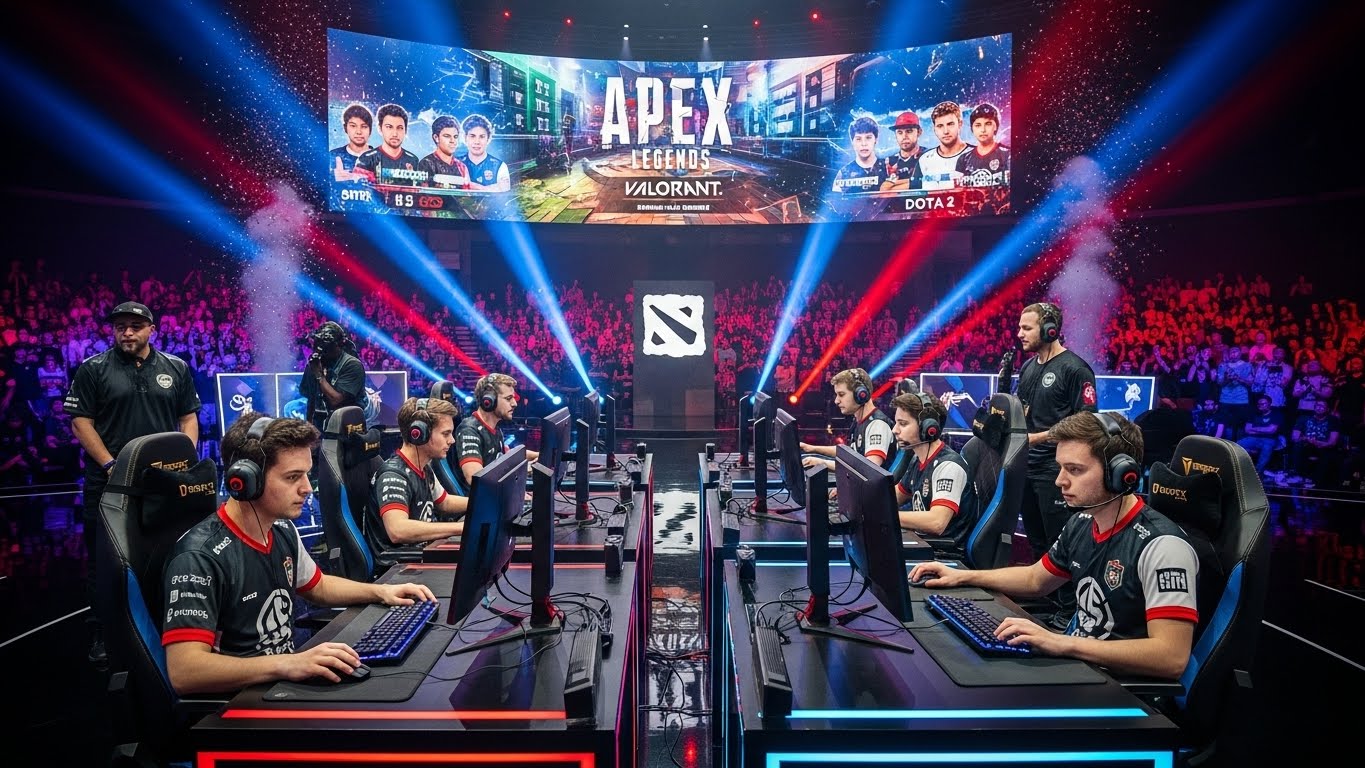
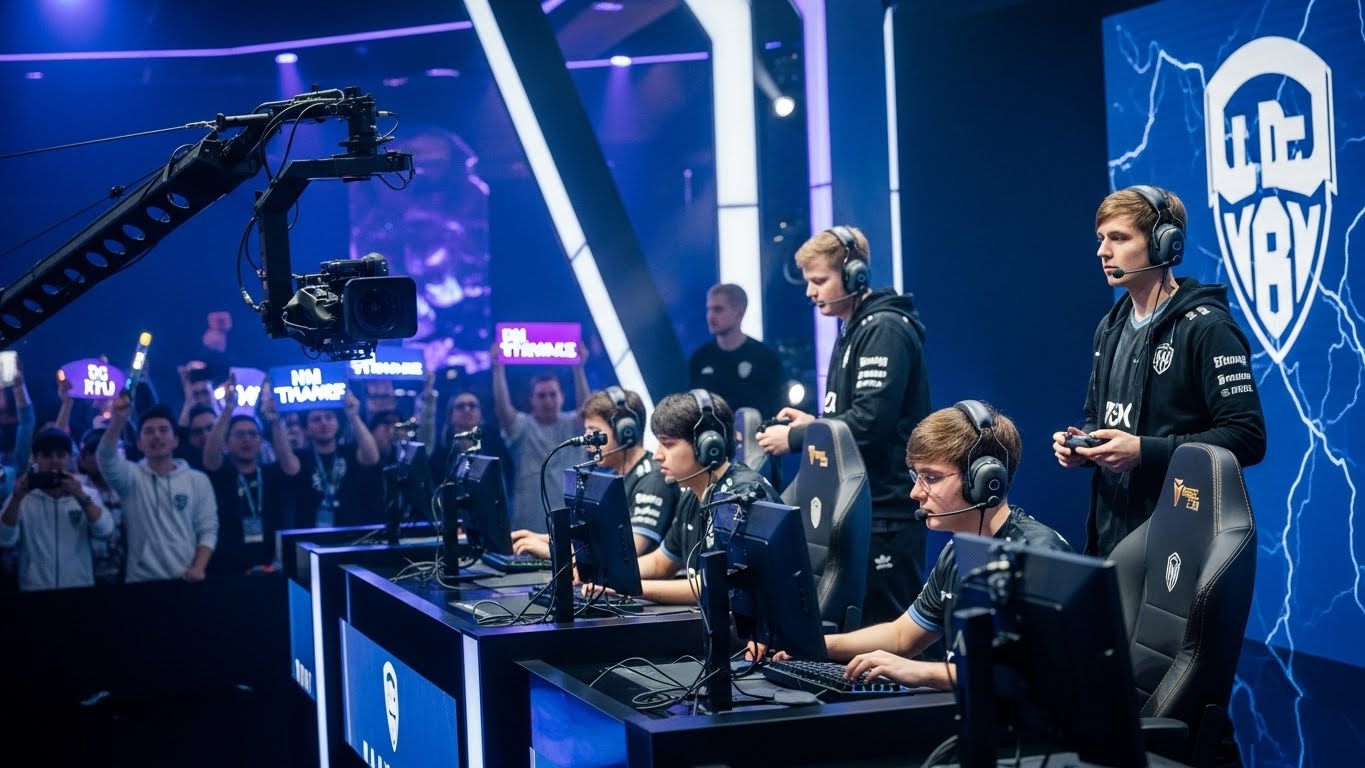
The scale of modern Esports events is staggering. Championships now fill stadiums — the League of Legends World Championship sells out arenas like Madison Square Garden, while The International for Dota 2 has awarded prize pools exceeding tens of millions of dollars. Millions more tune in online, setting viewership records that sometimes surpass those of traditional sports finals.
Esports organizations have evolved into professional entities with sponsors, coaches, analysts, and dedicated training facilities. Top players enjoy celebrity status and lucrative endorsements. Some countries have even recognized Esports athletes as professionals, granting them visas and support just like Olympic competitors. This legitimization has helped erase much of the stigma once associated with gaming, turning it into a respected global profession.
The Culture Behind the Screens
Beyond the tournaments and prize money, Esports has created a vibrant, inclusive culture that brings together diverse communities. Unlike traditional sports, which often require specific physical abilities, Esports opens the door for anyone with passion, skill, and dedication. It has become a symbol of digital democracy — a place where gender, race, and background matter less than reaction time, strategy, and teamwork.
Streaming platforms have been instrumental in building this culture. Professional gamers share their daily lives, training routines, and matches directly with fans, creating authentic connections. This level of transparency and accessibility has made Esports stars relatable in a way that traditional athletes rarely are. Fans engage not just as spectators but as participants in the ecosystem — through chat interactions, fan art, commentary, and even modding game environments.
Moreover, gaming communities have become cultural powerhouses. Esports teams now have branding, merchandise, and fan clubs similar to football or basketball teams. Major events often feature music performances, cosplay, and entertainment, blending digital and real-world experiences into one seamless celebration of gaming.
Esports as a Career: The New Frontier
In the past, telling someone you wanted to be a professional gamer might have invited skepticism or laughter. Today, it’s a legitimate career path. While becoming a top-tier player is still incredibly competitive, the Esports ecosystem offers a wide range of opportunities. Beyond the players themselves, there are coaches, analysts, commentators, event organizers, marketers, and content creators — all essential to keeping the industry running.
Universities around the world now offer scholarships for Esports players, just as they do for traditional athletes. Academic programs focus on Esports management, marketing, and game design, preparing students for careers in this growing field. Meanwhile, gaming houses and training facilities have become the new equivalent of sports academies, where young talents refine their skills under professional guidance.
The financial opportunities are equally significant. Sponsorship deals, streaming revenue, and tournament winnings can amount to millions for the top players and teams. Some Esports athletes earn more than traditional sports players, especially when factoring in endorsements and fan donations. Brands that once focused solely on football or basketball are now heavily investing in Esports, recognizing its immense reach and youth appeal.
The Role of Technology in Esports
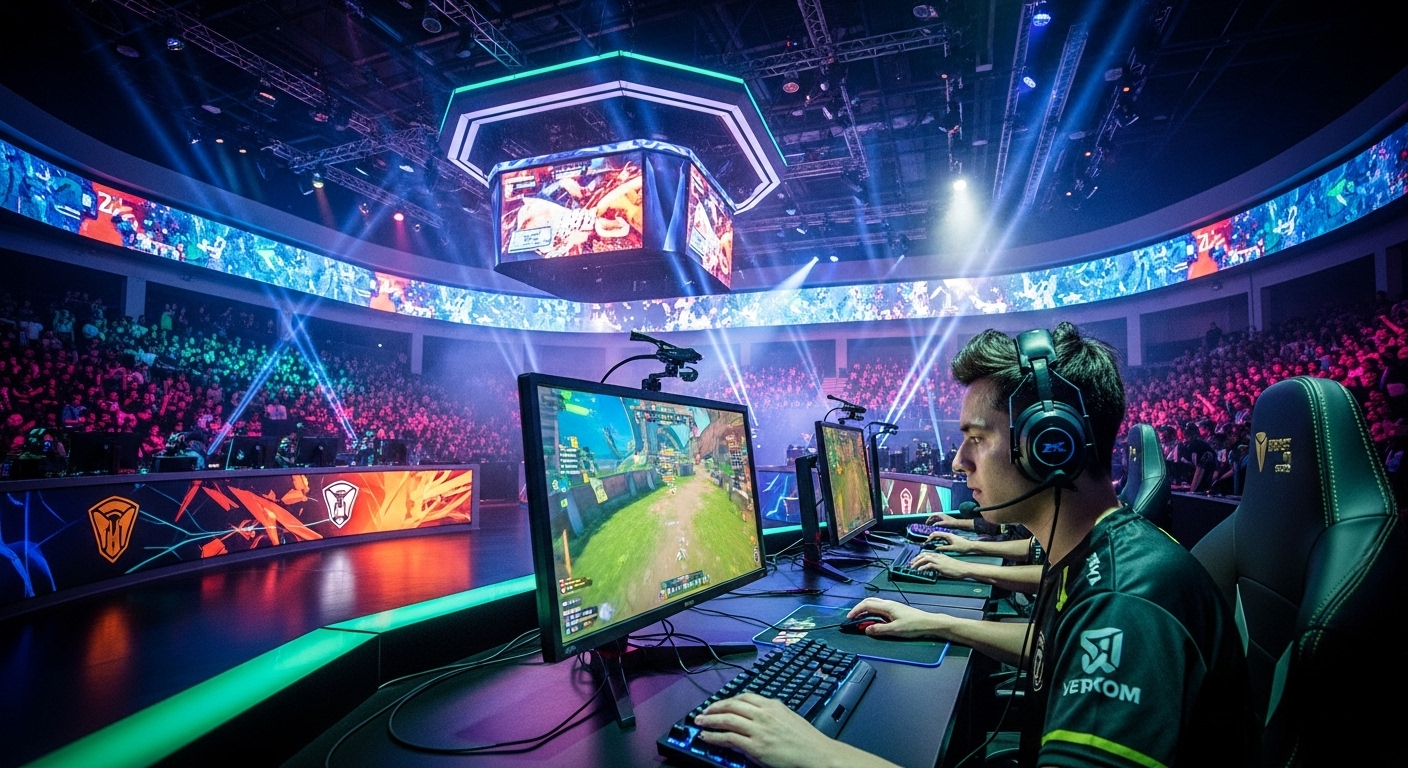
The meteoric rise of Esports would not have been possible without rapid technological innovation. High-speed internet, powerful graphics cards, and advanced gaming peripherals have all played a critical role in elevating competitive gaming to new heights. Live streaming technology allows instant global broadcasts, connecting fans from Tokyo to Toronto in real time. Virtual reality and augmented reality are also starting to influence how Esports might evolve in the future.
Artificial intelligence and data analytics are being integrated into player performance analysis, helping teams understand patterns and improve strategies. Just as in traditional sports where analytics revolutionized coaching, Esports is leveraging data to push the limits of gameplay precision and decision-making. Developers are even creating custom-built engines optimized for competitive balance and viewer engagement.
Moreover, the spread of 5G and cloud gaming platforms has made it possible for players in remote areas to compete on equal footing with those in gaming hubs. This democratization of access continues to expand Esports’ reach, fostering new talent and breaking down geographical barriers.
The Impact on Traditional Sports
Esports has not only established its own identity but also reshaped the landscape of traditional sports. Major sports franchises and athletes are now investing in Esports teams, recognizing the potential for crossover appeal and audience growth. Football clubs like Manchester City, Paris Saint-Germain, and FC Barcelona have launched their own Esports divisions, blurring the lines between physical and digital sports.
Even the International Olympic Committee has taken notice, experimenting with Esports exhibitions and exploring ways to integrate gaming into future Olympic programs. This recognition from one of the most prestigious sporting bodies in the world signals that Esports is no longer an outsider — it is a legitimate component of modern athletic culture.
The overlap between the two worlds is natural. Both demand discipline, teamwork, mental toughness, and a competitive spirit. The main difference lies in the arena — one uses a physical field, the other a digital one. As technology continues to evolve, we may soon see hybrid competitions that combine both realities, further bridging the gap between the virtual and the physical.
Esports and Mental Resilience
While Esports might not require physical endurance in the same way traditional sports do, it demands extraordinary mental strength. Professional gamers often train for 8 to 12 hours a day, refining reflexes, strategies, and coordination. The mental pressure of performing in front of millions, dealing with split-second decisions, and maintaining focus under high stakes can be immense.
Burnout and stress are common challenges. To address this, organizations are investing in mental health programs and sports psychology for their players. Teams employ nutritionists, physiotherapists, and mental coaches to ensure overall well-being. This holistic approach has become essential in sustaining careers that can otherwise be short due to the intensity of competition.
The discussion around mental health in Esports has also encouraged broader conversations about wellness in gaming culture. The message is clear — while gaming is fun, balance and mindfulness are crucial for long-term success and happiness.
Women in Esports: Breaking Barriers
For many years, gaming was seen as a male-dominated space, but that perception is rapidly changing. Women are rising as powerful figures in Esports, both as players and leaders. Female teams and mixed-gender tournaments are gaining visibility, while organizations are pushing for inclusivity and equal opportunities.
Female streamers, commentators, and coaches are inspiring a new generation of gamers who see representation that was once lacking. The conversation around gender equality in gaming has gained momentum, with more emphasis on creating safe and welcoming environments for all participants. Esports, by its very nature, holds the potential to become the most inclusive form of competition — where skill truly outweighs physical or social barriers.
The Economics of Esports
Esports has evolved into a multi-billion-dollar industry, with revenues coming from sponsorships, media rights, merchandise, advertising, and ticket sales. The audience — composed primarily of millennials and Gen Z — is one of the most valuable demographics for advertisers. This generation consumes content digitally, values authenticity, and engages deeply with online communities, making Esports a perfect platform for modern marketing.
Franchise-based leagues such as the Overwatch League and Call of Duty League mirror traditional sports models, complete with city-based teams, revenue sharing, and seasonal tournaments. Major corporations have entered the scene as sponsors, ranging from tech giants to luxury brands, drawn by Esports’ reach and engagement levels.
The economic ecosystem extends beyond competition. Esports drives growth in hardware sales, software development, streaming platforms, and even tourism. Host cities benefit from Esports events that attract international visitors, similar to the way cities profit from hosting the Olympics or World Cup.
The Future of Esports: Boundless Possibilities
The trajectory of Esports shows no sign of slowing down. As technology continues to advance, the boundaries between games, entertainment, and social platforms are becoming increasingly blurred. Virtual reality tournaments could one day allow fans to experience matches from inside the game. The integration of artificial intelligence could introduce new forms of coaching and competition.
Moreover, the concept of the “metaverse” — a shared digital universe — may transform Esports into a fully immersive experience. Spectators could watch matches as avatars within the virtual arena, interacting with players and fans in real time. This vision of interactive, community-driven entertainment could redefine what it means to watch or play.
Education and career development within Esports will also continue to expand. More schools and universities are embracing gaming programs, preparing the next generation for roles in broadcasting, event management, and digital storytelling. Esports is not just about playing games; it’s about innovation, communication, and creativity in a digital-first world.
Challenges Ahead
Despite its success, Esports faces several challenges that will shape its future. Player burnout, inconsistent regulations, and match-fixing scandals have occasionally tarnished its image. The industry also grapples with questions about sustainability — how to balance commercialization with community authenticity.
Additionally, the competitive lifespan of players is relatively short, often peaking in their early twenties. Establishing career pathways after retirement is becoming an essential part of the conversation. There are also debates about game ownership — since developers control the rights to their games, they hold significant influence over the Esports ecosystem, unlike traditional sports governed by independent bodies.
Nevertheless, these challenges are signs of a maturing industry. As Esports continues to evolve, greater structure, regulation, and professionalism are emerging. The path ahead may not be without obstacles, but its potential remains limitless.
Conclusion: The Digital Arena of Tomorrow
Esports represents more than just a new kind of entertainment; it is a cultural revolution. It has transformed how people connect, compete, and dream. What began as casual competition among friends has become a global movement uniting millions across borders and backgrounds. It proves that passion, creativity, and skill can transcend physical limitations, and that technology can amplify human potential rather than replace it.
The rise of Esports signals a broader shift in how we define achievement and community in the 21st century. It’s not just about winning or losing but about innovation, collaboration, and shared experience. Whether you are a player, a fan, or simply an observer of modern culture, Esports invites everyone into its digital arena — where imagination becomes reality, and the spirit of competition continues to evolve.