The Rise of Esports
Over the past decade, esports has transformed from a niche pastime into a global entertainment powerhouse. What was once a small community of passionate gamers competing in local tournaments has evolved into a multi-billion-dollar industry. From massive stadium events to millions of viewers watching online, esports has become one of the most influential forces in modern entertainment.
From Gaming Rooms to Global Stages
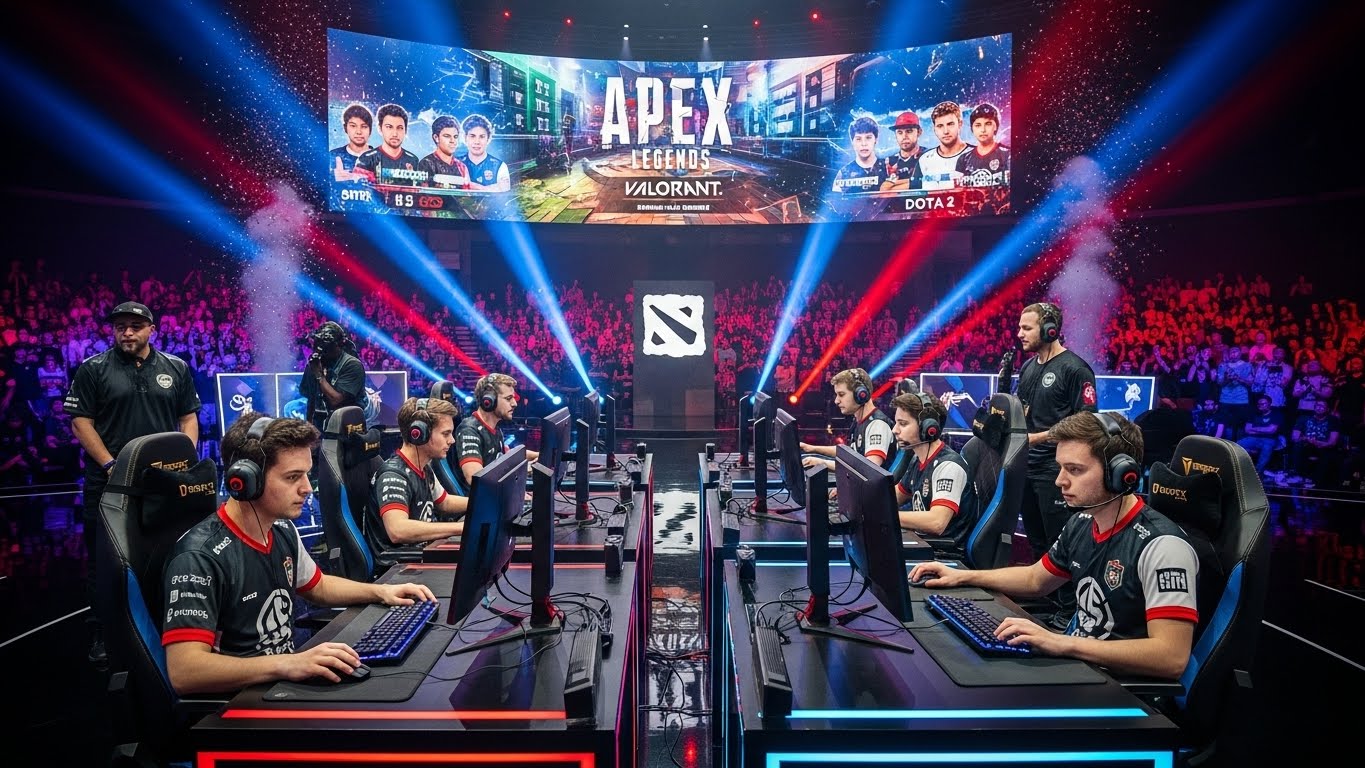
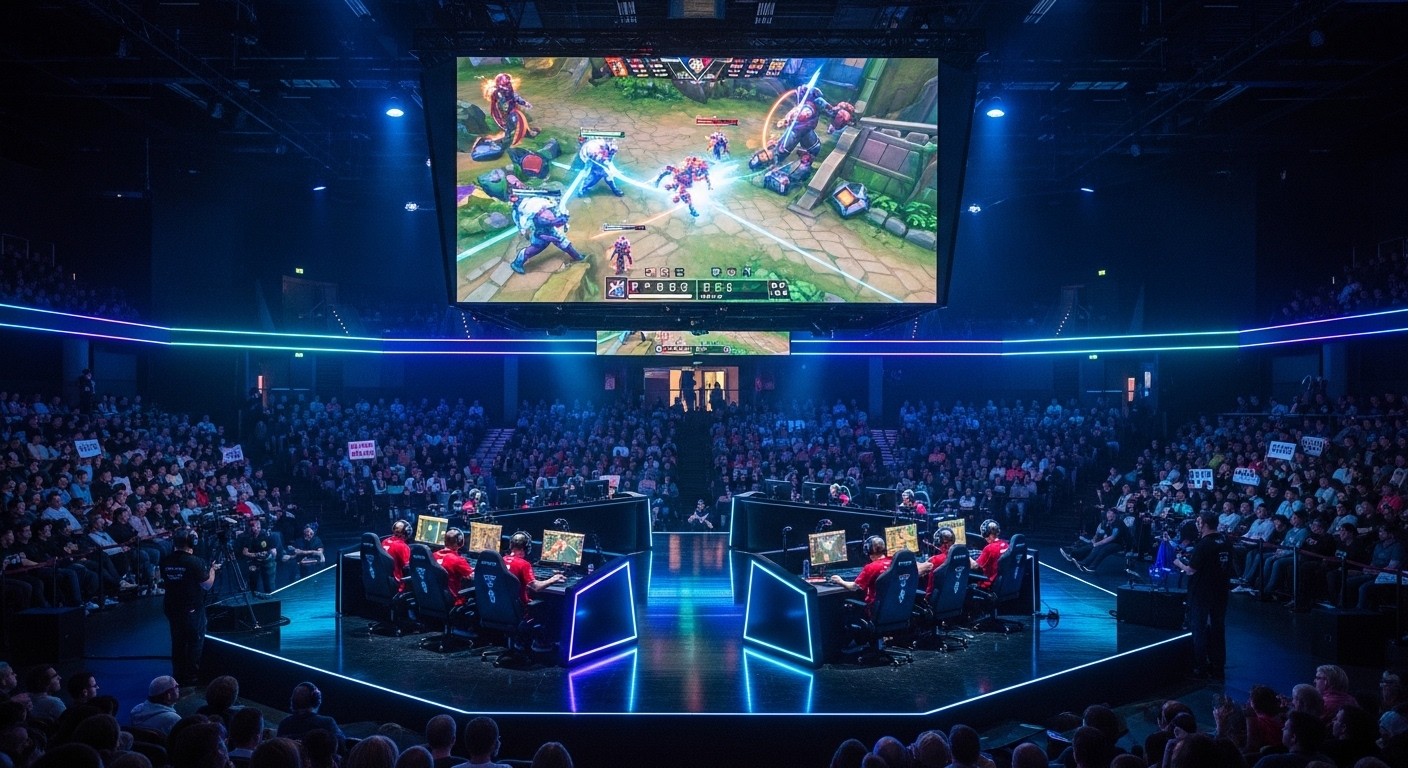
In the early days, competitive gaming was limited to small LAN parties or internet cafés where players tested their skills for fun. Today, international tournaments like The International for Dota 2 or League of Legends Worlds Championship fill arenas and attract millions of online spectators. These events are no longer casual gatherings—they are full-scale productions complete with commentators, professional lighting, and global broadcasts.
The Players: Modern-Day Athletes
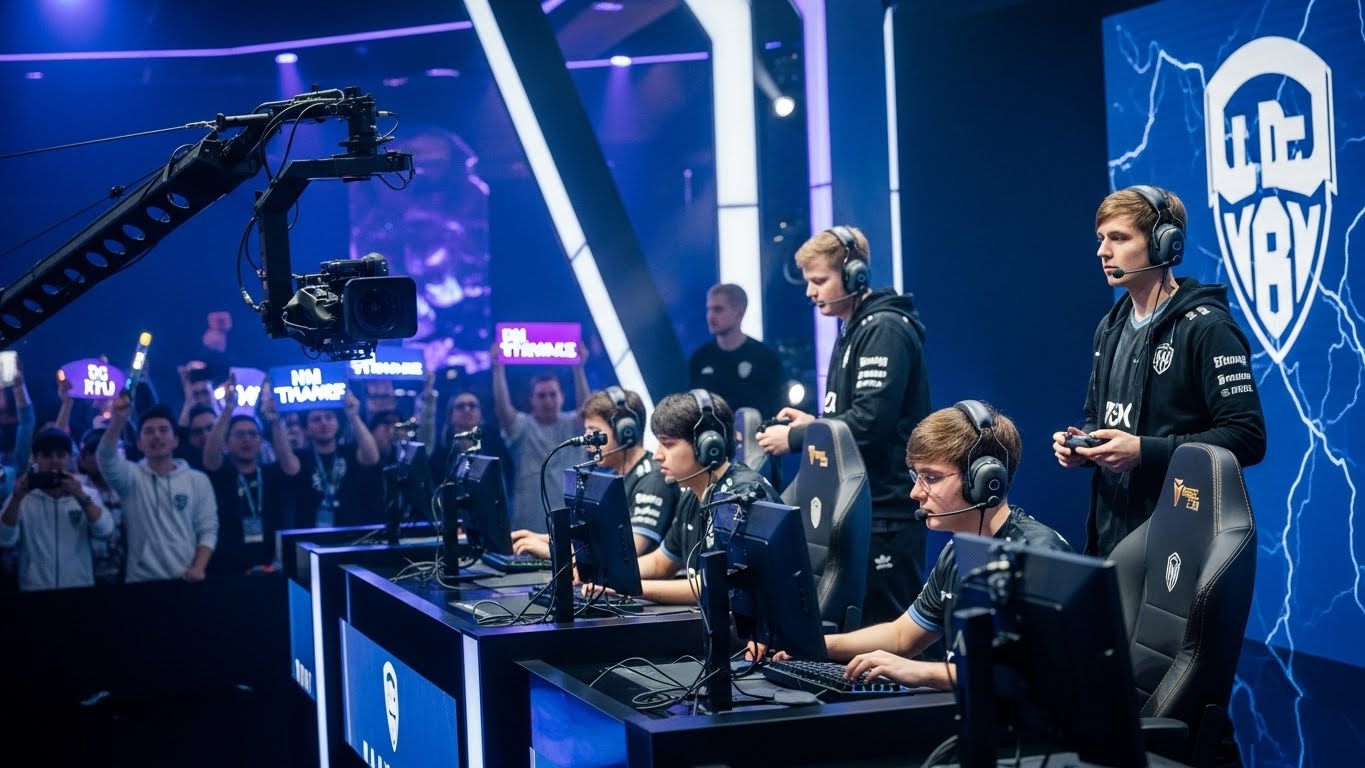
Professional esports players train with the same discipline and dedication as traditional athletes. They spend hours perfecting their reflexes, strategies, and teamwork. Many belong to professional organizations that provide coaches, analysts, and physical trainers to keep them at peak performance. Their focus, precision, and mental agility have redefined what it means to be an athlete in the digital age.
The Business of Esports
Behind the screens, esports is driven by a powerful economic engine. Sponsorships, media rights, merchandise, and advertising deals have created a booming market. Major brands that once ignored gaming now invest heavily in esports teams and tournaments. Universities offer scholarships for esports players, and cities are building dedicated esports arenas to host international competitions.
Technology and Innovation
Advancements in technology have fueled the growth of esports. High-speed internet, advanced gaming hardware, and streaming platforms have made it possible for anyone to compete and watch from anywhere in the world. Virtual reality and artificial intelligence are beginning to shape the next phase of competitive gaming, promising even more immersive and interactive experiences for players and fans alike.
The Community and Culture
At the heart of esports lies its community—a diverse and passionate group of fans who share a love for gaming. Online platforms and social media allow fans to connect, discuss strategies, and support their favorite teams. Esports has also become a bridge between cultures, bringing together players from different parts of the world to compete and collaborate.
The Future of Esports
As technology continues to evolve, the future of esports looks brighter than ever. With younger generations growing up in a digital-first world, the audience for competitive gaming will only continue to expand. Educational programs, global leagues, and mainstream media coverage are paving the way for esports to become a permanent part of the global sports landscape.
Conclusion
Esports has proven that competition is not limited to physical arenas—it thrives in digital spaces too. It combines skill, creativity, and technology in ways that traditional sports never could. As the world becomes increasingly connected, esports stands at the forefront of a new era of entertainment, inspiring millions and redefining the meaning of competition in the modern world.