Introduction to the Gaming Revolution
Gaming has become a cornerstone of modern life, transforming from a simple form of amusement into one of the most influential industries in the world. It is no longer merely about pressing buttons or achieving high scores; gaming today represents a fusion of art, technology, storytelling, and community. From children discovering adventure in colorful worlds to adults escaping into immersive virtual universes, gaming has captured hearts and minds across all generations.
In an age defined by technology, gaming stands as a mirror of human creativity and innovation. It has redefined entertainment, shaped social interaction, and driven advancements in digital technology. What was once considered a pastime has evolved into a global phenomenon that inspires creativity, competition, and connection.
The Historical Journey of Gaming
The journey of gaming began long before the first video screen flickered to life. Ancient civilizations played physical games to test strategy, skill, and luck. But the birth of electronic gaming in the twentieth century marked a monumental shift. The first digital games, created in laboratories and arcades, introduced the idea that machines could be used for fun and interaction.
The late 1970s and 1980s brought a golden age of arcade classics. Games like Pac-Man, Space Invaders, and Donkey Kong became cultural icons, drawing crowds to brightly lit gaming halls. These titles laid the groundwork for the rise of home consoles that would soon change entertainment forever. The 1990s witnessed the birth of legendary franchises such as Super Mario, The Legend of Zelda, and Final Fantasy, blending creativity and technology in ways never seen before.
As technology advanced, so did gaming. Three-dimensional graphics, cinematic storytelling, and online multiplayer features took gaming to new heights. What once required imagination now unfolded in vivid realism. From cartridges to discs to cloud streaming, gaming has continually evolved, adapting to each new technological era while keeping the joy of play at its core.
The Technology That Powers Modern Gaming
Behind the magic of modern gaming lies an incredible web of technological innovation. The industry constantly pushes hardware and software boundaries, giving rise to breathtaking visuals, lifelike animations, and complex worlds. High-performance consoles and gaming PCs are now capable of rendering millions of details per second, creating experiences that are indistinguishable from reality.
Artificial intelligence has revolutionized how games operate. It powers intelligent opponents, adaptive storylines, and dynamic environments that respond to player actions. Machine learning allows games to learn from how players behave, offering unique experiences each time they play.
Virtual reality and augmented reality have opened new doors for immersion. VR transports players into fully interactive digital worlds, while AR brings game elements into the real world, merging imagination with everyday life. Cloud gaming, meanwhile, removes hardware limitations, allowing users to play high-end games on any device with an internet connection.
The technology behind gaming does not just serve entertainment—it also drives innovation across industries, influencing advancements in education, medicine, and simulation.
The Artistic Side of Gaming
Games today are widely recognized as a legitimate art form. They combine storytelling, music, design, and interactivity to create emotional and sensory experiences. A well-crafted game can be as moving as a novel or as visually striking as a film. Game designers are artists who build entire worlds, each one filled with atmosphere, symbolism, and emotion.
The artistry of gaming lies in how it engages the player. Unlike traditional media, where audiences passively consume stories, games invite participation. Players make choices, face consequences, and shape their own experiences. This level of interactivity transforms gaming into a deeply personal form of expression.
Music and sound design add emotional depth to gaming. From epic orchestral scores to quiet ambient tones, soundscapes immerse players in mood and emotion. Visual aesthetics also play a crucial role. The artistry behind detailed character design, world-building, and lighting effects is nothing short of extraordinary. Whether it is the hand-painted style of an indie game or the cinematic realism of a blockbuster title, each artistic decision enhances the storytelling experience.
The Global Rise of Mobile Gaming
One of the most impactful revolutions in the gaming industry has been the rise of mobile gaming. Smartphones have transformed gaming from a niche interest into a universal activity. People can now play anywhere, anytime, without needing specialized hardware.
Mobile games cater to every type of player—from casual gamers seeking quick entertainment to dedicated fans of complex strategy games. The accessibility of mobile gaming has made it the most popular segment of the industry, reaching billions of users worldwide. Its success lies in simplicity, convenience, and creativity.
Advancements in mobile technology have allowed for visually stunning and feature-rich games. Touchscreen controls, in-app purchases, and cross-platform compatibility have made mobile gaming a powerhouse of innovation. It has also created new communities, connecting people through leaderboards, multiplayer challenges, and social sharing.
Mobile gaming’s inclusivity has democratized entertainment, proving that gaming is for everyone, regardless of age, experience, or background.
The Power of Online Gaming Communities
Gaming has transformed from a solitary activity into a social experience that connects people across the globe. Online multiplayer games have created vast digital communities where millions gather daily to play, collaborate, and compete. These communities transcend geographical, cultural, and linguistic boundaries, forming friendships that often extend beyond the screen.
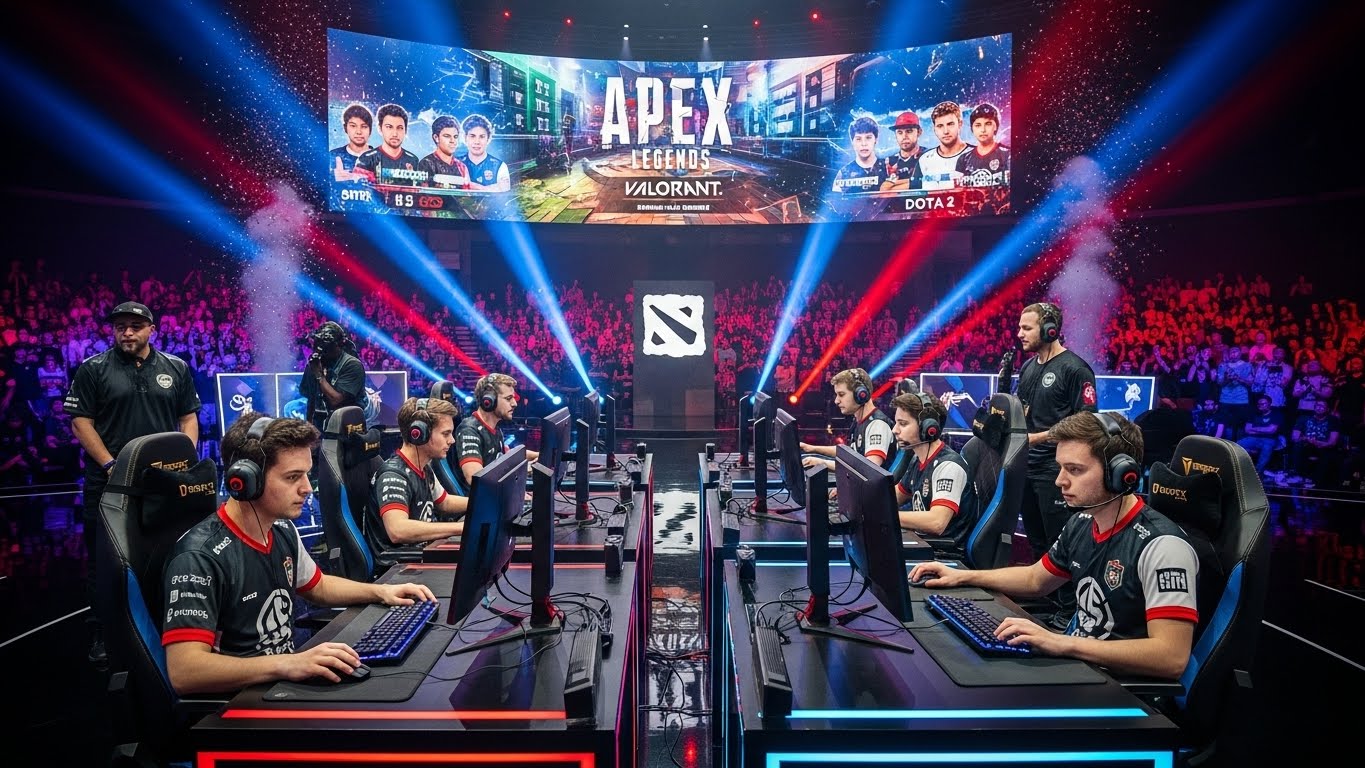
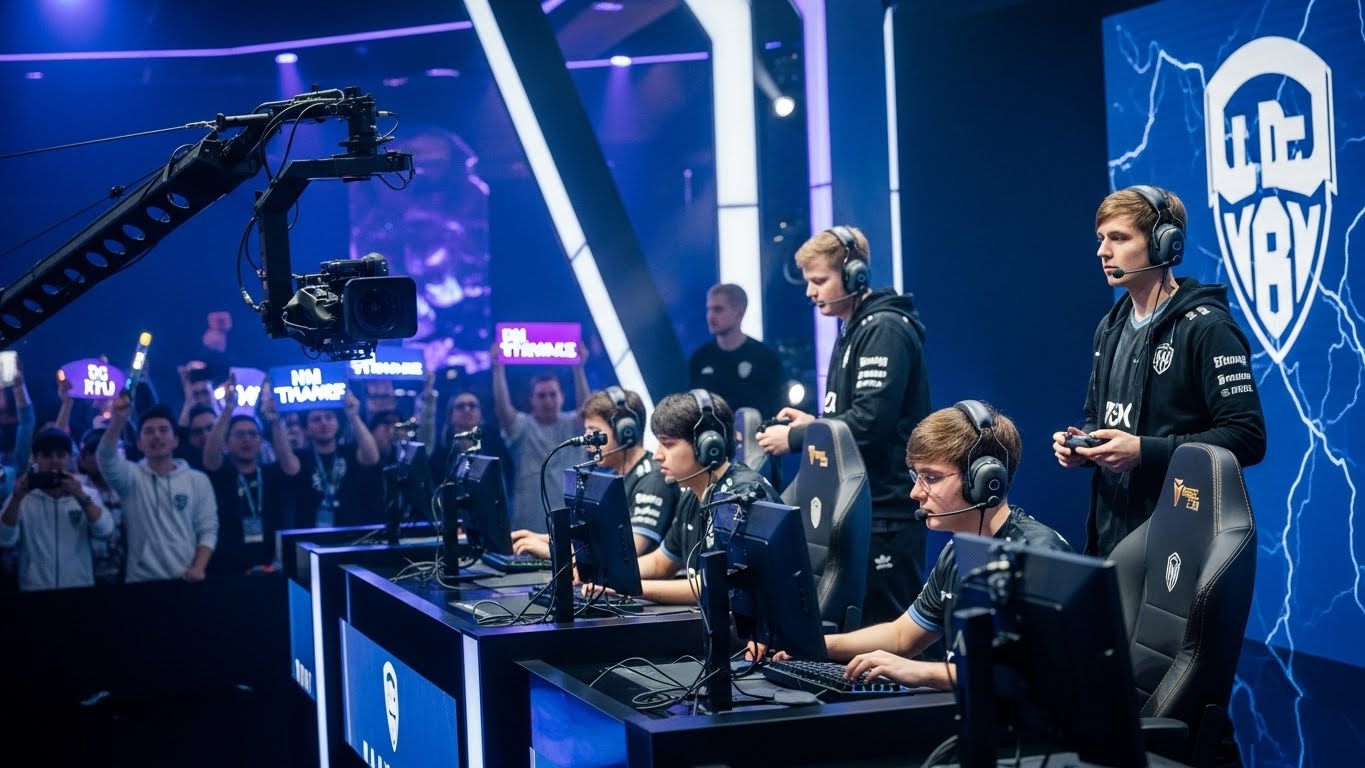
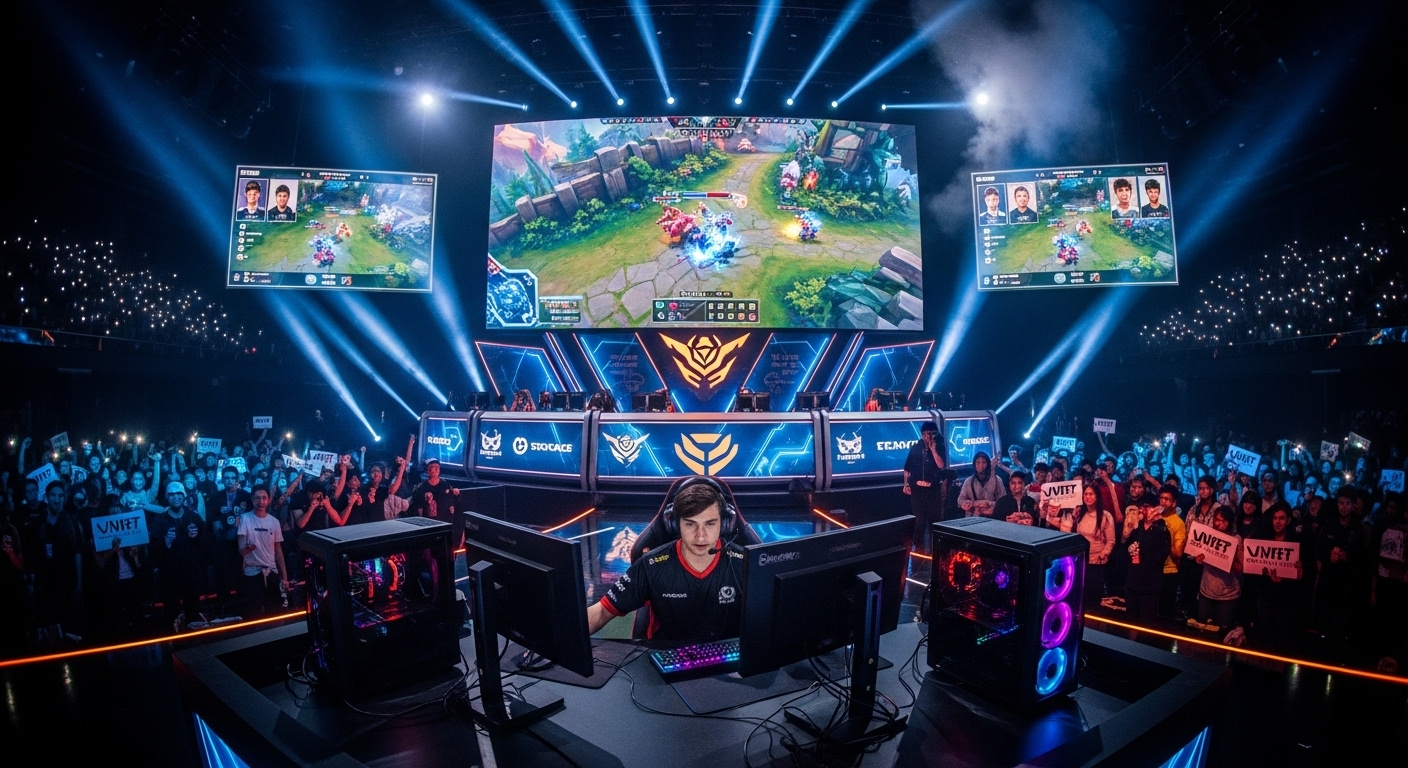
The rise of online communication tools has enhanced this sense of community. Players can chat, share strategies, and celebrate victories together in real time. Esports, competitive gaming tournaments featuring professional players, have turned gaming into a spectator sport watched by millions.
Streaming and content creation platforms have also given rise to a new generation of digital entertainers. Gamers who broadcast their play sessions attract audiences larger than traditional television shows. These influencers shape trends, promote inclusivity, and bring people together through shared passion.
The social side of gaming emphasizes collaboration, teamwork, and belonging, turning virtual worlds into places of connection and creativity.
The Educational Value of Games
Beyond entertainment, gaming has proven to be a powerful educational tool. Games teach problem-solving, critical thinking, and strategic planning. They encourage curiosity, creativity, and resilience. Educational games make learning engaging and interactive, helping students grasp complex topics through play.
Gamification—applying game mechanics to non-game activities—has revolutionized classrooms and workplaces alike. It motivates people to learn and achieve goals through challenges, rewards, and progression systems. In professional training, simulation games provide realistic environments for practicing complex skills, from flying aircraft to performing surgery.
Even traditional video games contribute to learning. Strategy games enhance planning and foresight, puzzle games sharpen logic, and role-playing games build empathy and storytelling skills. The educational potential of gaming continues to expand as developers explore ways to combine fun with learning.
The Economic Power of the Gaming Industry
Gaming has grown into one of the most profitable entertainment industries in the world, surpassing both film and music in global revenue. It generates billions each year, driving technological advancement and job creation across sectors. From software development and design to marketing and esports management, gaming supports a diverse and thriving economy.
Digital distribution has allowed independent developers to reach global audiences, fostering creativity and innovation. Meanwhile, major studios continue to produce blockbuster titles that push the limits of storytelling and technology.
Esports has emerged as a dominant force within the industry, with professional tournaments, sponsorships, and live events attracting massive audiences. The competitive gaming scene has created new career opportunities, turning passionate players into global icons.
Gaming’s economic influence extends beyond entertainment. It shapes marketing strategies, drives hardware innovation, and even impacts global cultural trends. Its growth shows no sign of slowing down, cementing gaming’s role as a key driver of the digital economy.
The Psychological Benefits of Gaming
Gaming often receives criticism, but when enjoyed responsibly, it offers many positive psychological benefits. It provides relaxation, mental stimulation, and a healthy escape from daily stress. Games can improve cognitive abilities such as focus, memory, and coordination. They encourage problem-solving and adaptability, skills that are useful in everyday life.
Narrative-driven games help players explore emotions and moral choices, fostering empathy and self-awareness. Cooperative games promote teamwork, communication, and trust among players. For many people, gaming is a way to unwind, recharge, and connect with others.
Of course, balance is essential. Excessive play can lead to burnout, but mindful gaming encourages healthy engagement. The industry has increasingly focused on promoting digital wellness by introducing features like time reminders and parental controls.
When approached positively, gaming becomes not just entertainment but a source of joy, connection, and personal growth.
The Future of Gaming
The future of gaming promises to be more immersive, inclusive, and interactive than ever before. Emerging technologies are shaping new forms of play that blend the physical and digital worlds. Artificial intelligence will make characters and environments smarter, creating games that adapt to every player’s style.
Virtual reality will continue to evolve, offering experiences that feel almost real. Augmented reality will transform how we interact with our surroundings, turning everyday spaces into playgrounds of imagination. The metaverse—a vast, interconnected digital universe—will redefine gaming entirely, merging social interaction, creativity, and economy into one shared experience.
Inclusivity and diversity will be central to gaming’s future. Developers are designing games that represent different cultures, genders, and abilities, ensuring everyone can see themselves reflected in the stories they play. Accessibility features will make gaming more welcoming for all.
The possibilities are endless. Gaming’s future will not only entertain but also inspire, educate, and unite people around the world.
Conclusion: The Endless Adventure of Gaming
Gaming has traveled a long and extraordinary path, evolving from simple pixels to vast digital worlds that rival reality. It has become a universal language of creativity, connection, and expression. Through innovation, storytelling, and technology, gaming continues to push boundaries and shape the future of entertainment.
At its heart, gaming is about more than winning or losing. It is about exploration, imagination, and shared experience. It connects people, sparks ideas, and reminds us of the endless potential of play. As technology advances and creativity flourishes, the journey of gaming will continue—boundless, inspiring, and forever evolving.
In this digital odyssey, gaming stands not just as a pastime but as a reflection of humanity’s greatest qualities: curiosity, ingenuity, and the unyielding desire to dream.