Introduction
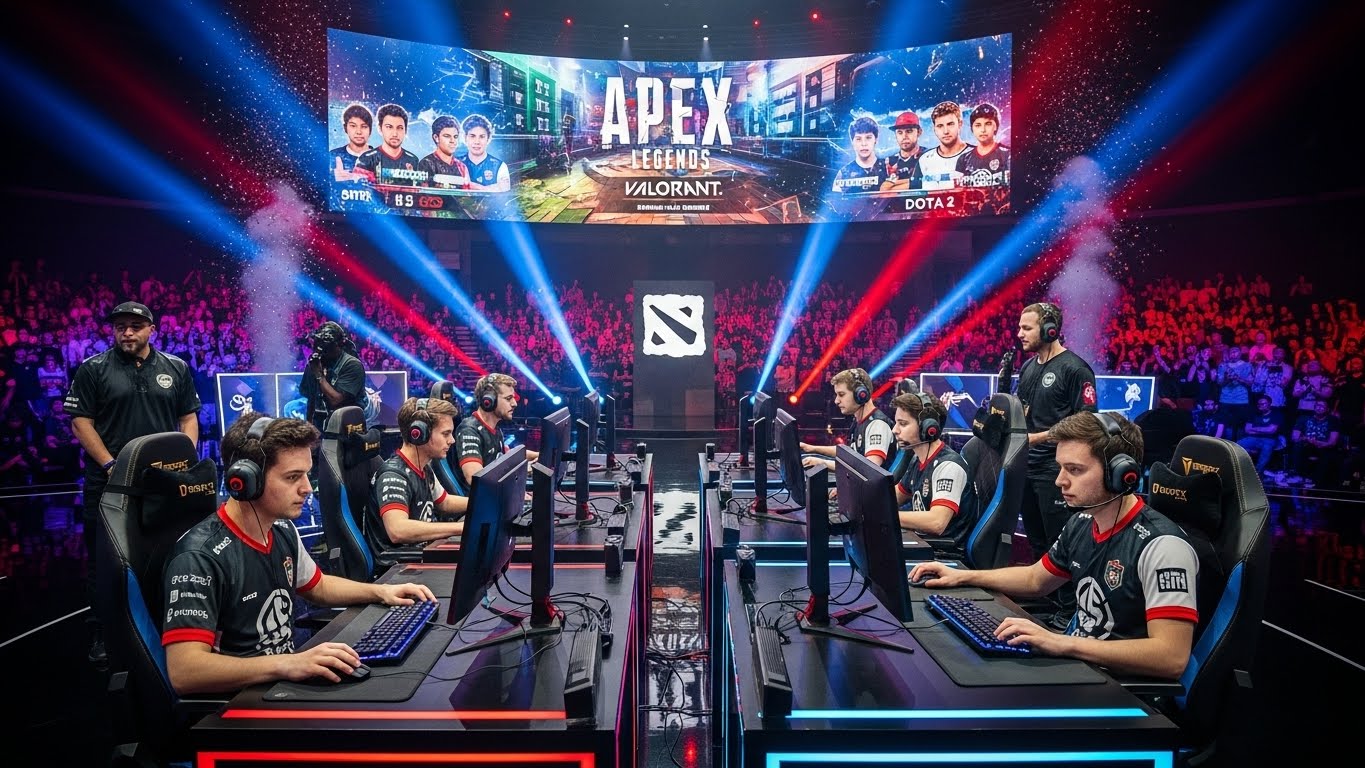
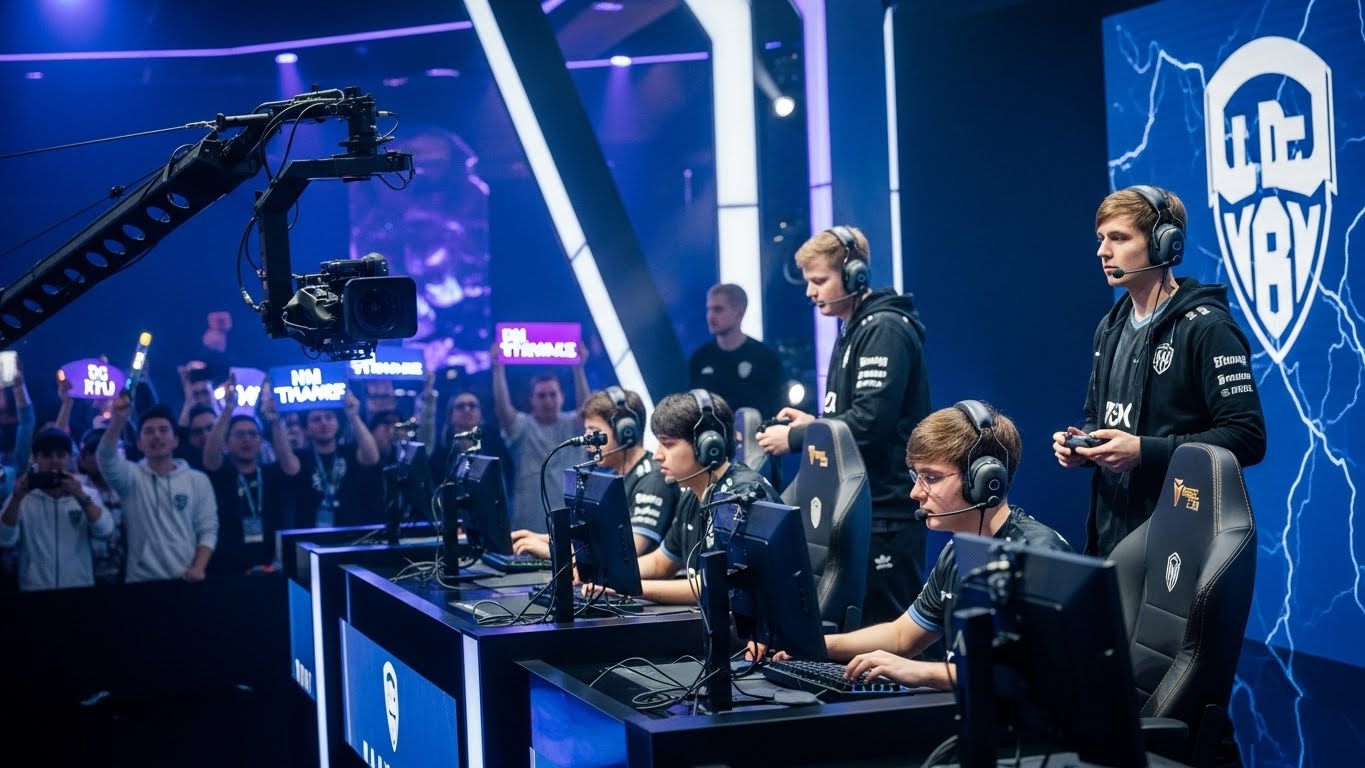
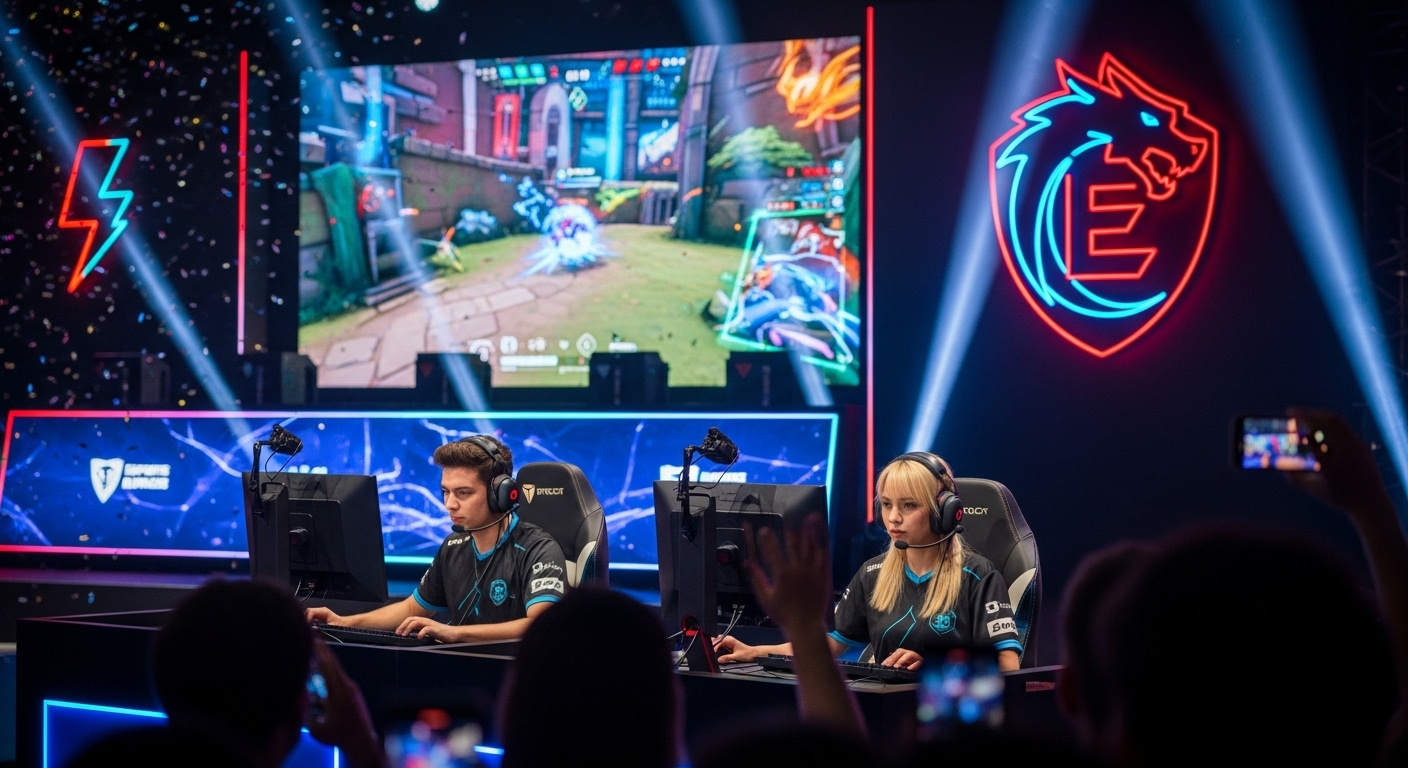
Esports, or competitive gaming, has transformed from a niche hobby into a global phenomenon. What was once considered casual entertainment now commands massive audiences, professional players, and significant financial investments. With tournaments filling arenas and online streams reaching millions, esports is no longer just a pastime—it is an influential part of modern culture.
The Growth of Esports
Over the past decade, esports has experienced exponential growth. Major tournaments for games like League of Legends, Dota 2, and Counter-Strike: Global Offensive have prize pools that rival traditional sports. The proliferation of streaming platforms has also made esports more accessible, allowing fans worldwide to follow their favorite players and teams in real time. This growth has attracted sponsors and investors, recognizing the marketing potential in a young, tech-savvy audience.
Professionalization of Gaming
Esports has created a professional ecosystem akin to traditional sports. Players undergo rigorous training regimens, coaches analyze strategies, and teams operate with management and support staff. The development of esports academies has nurtured young talent, ensuring that competitive gaming continues to thrive. This professionalization demonstrates that esports is more than entertainment—it is a career path for many, providing opportunities in areas like marketing, event management, and content creation.
Cultural Impact
Esports has also reshaped how society perceives gaming. Once stereotyped as a solitary activity, competitive gaming now celebrates skill, strategy, and teamwork. It has fostered global communities where fans interact, share knowledge, and celebrate achievements. Moreover, esports has influenced media, fashion, and technology, with collaborations between game developers, brands, and entertainment companies creating new cultural touchpoints.
Challenges Facing the Industry
Despite its growth, esports faces challenges. Player burnout, mental health concerns, and inconsistent regulations pose significant obstacles. The rapid rise of the industry has also led to disparities in pay and recognition, with some players and games receiving disproportionate attention. Addressing these challenges is crucial for sustainable growth and the long-term credibility of competitive gaming.
The Future of Esports
Looking forward, esports is poised to continue its upward trajectory. Advances in virtual reality and augmented reality may redefine gameplay experiences, while expanding markets in Asia, Europe, and North America promise greater viewership. Integration with mainstream media and potential inclusion in multi-sport events may further solidify esports’ status as a legitimate sport and cultural force.
Conclusion
Esports is no longer just a trend—it is a global movement shaping entertainment, culture, and careers. With its rapid growth, professionalization, and influence on society, competitive gaming has secured a permanent place in the modern world. As technology evolves and audiences expand, the esports landscape will continue to push boundaries, inspiring the next generation of players and fans alike.