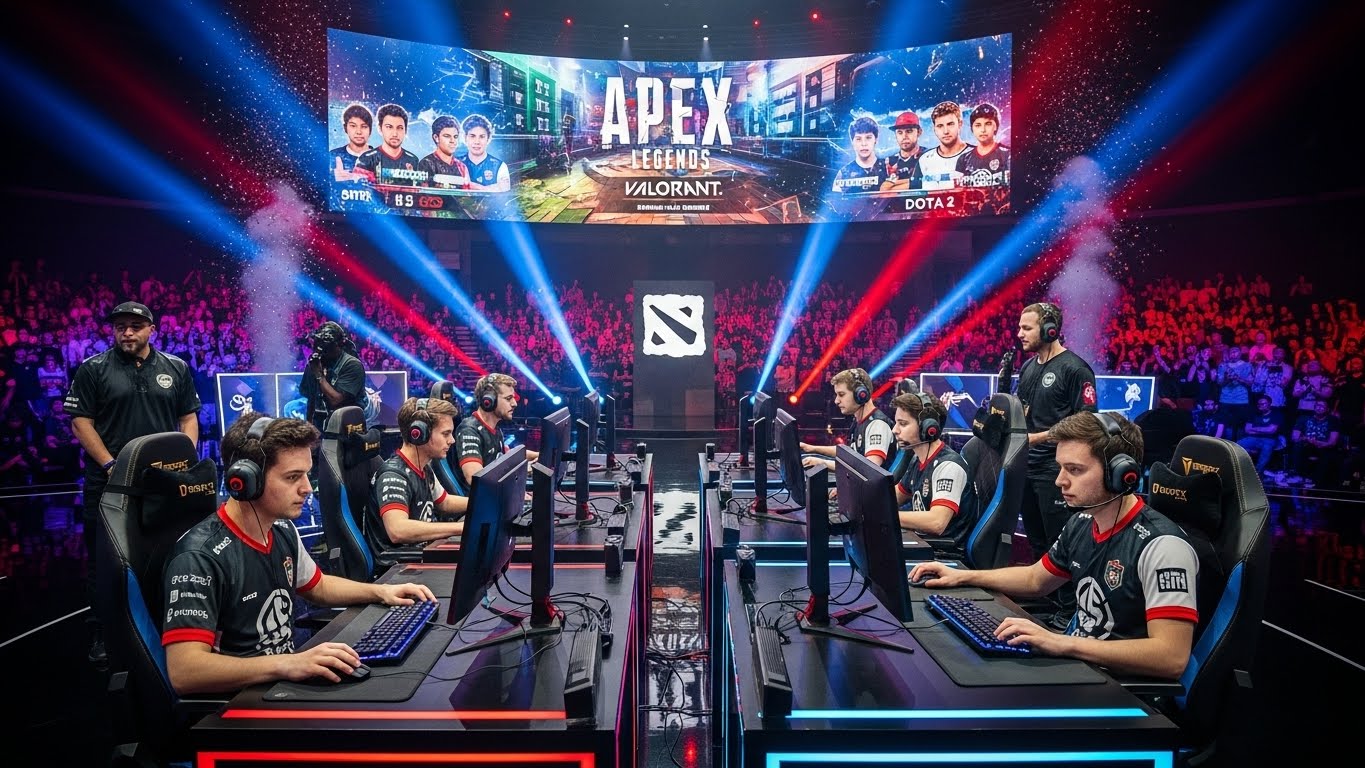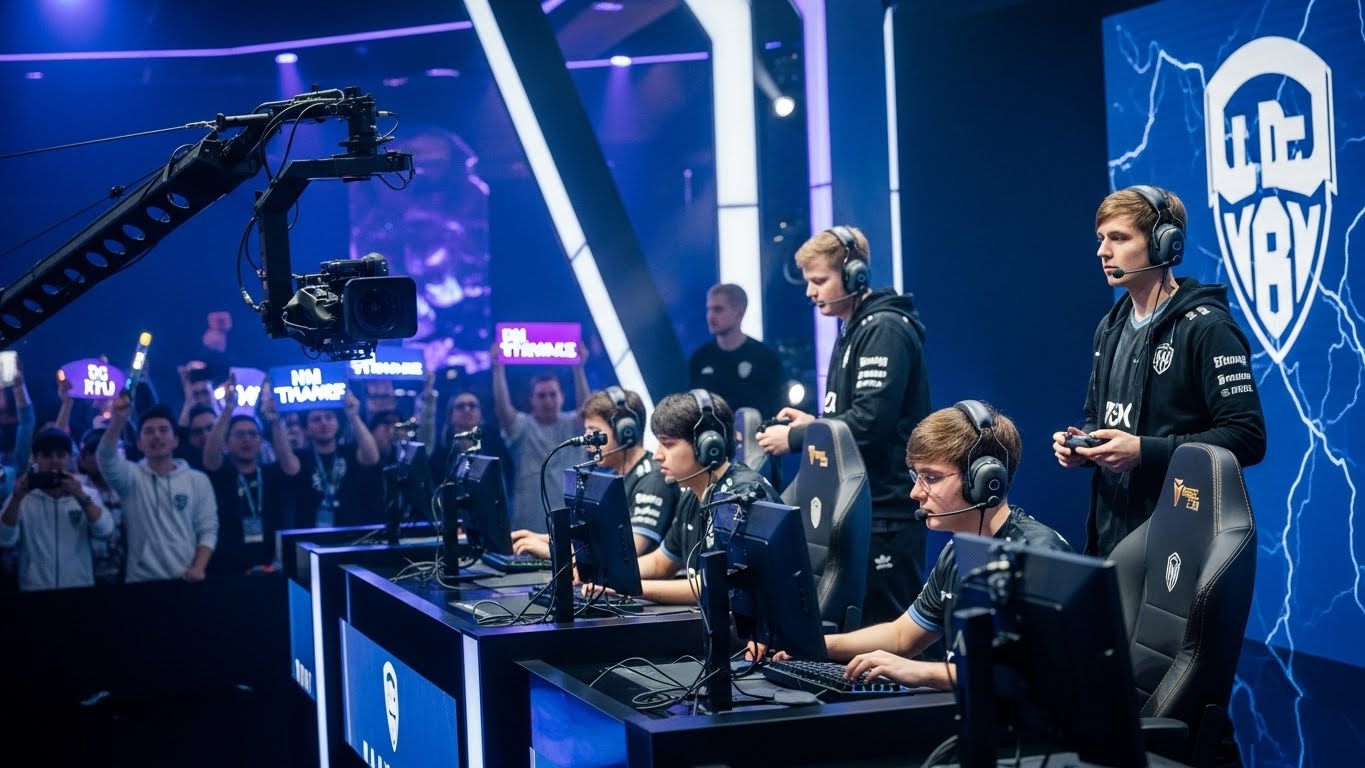
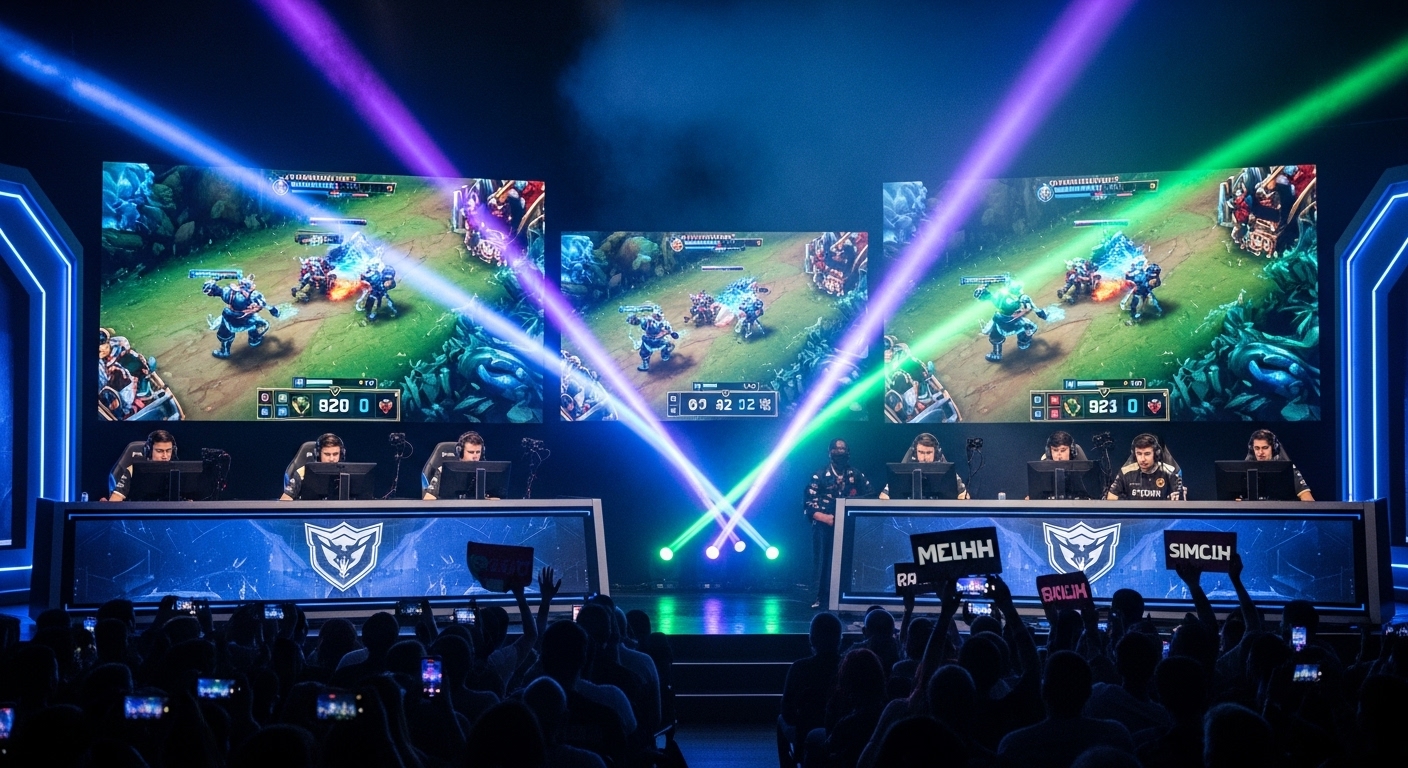
Esports, once a niche subculture for hardcore gamers, has evolved into a mainstream entertainment powerhouse that rivals traditional sports in terms of viewership, sponsorship, and cultural influence. Over the last two decades, competitive gaming has exploded in popularity, drawing millions of fans, creating professional leagues, and offering massive prize pools. What was once a casual hobby for a small community of gamers is now an industry that has carved out its place in the world of sports, entertainment, and even mainstream media. In this blog post, we’ll dive into the world of esports, examining its growth, key players, and the future of competitive gaming.
The Origins of Esports: From LAN Parties to Global Tournaments
Esports has deep roots in the early days of digital gaming. The concept of competitive gaming can be traced back to the 1970s and 1980s when games like Space Invaders and Pong were played in arcades. However, it wasn’t until the late 1990s and early 2000s that the esports community truly began to form. Early competitive events were often organized in local areas, known as LAN (Local Area Network) parties, where players would gather to compete in games like Quake, StarCraft, and Warcraft. These early tournaments were the birthplace of a growing esports scene.
The first real “mainstream” esports event took place in 1997 with the Red Annihilation tournament for Quake, which brought together players from around the world and attracted significant attention. This was a pivotal moment for esports, proving that competitive gaming had the potential to grow beyond small communities and reach a wider audience. From there, more tournaments and professional leagues began to take shape, laying the foundation for the global esports ecosystem we know today.
The Evolution of Esports: From Hobby to Profession
As internet speeds improved and online gaming became more accessible, the esports scene grew exponentially. The early 2000s saw the rise of global gaming platforms like Battle.net and Steam, which facilitated online multiplayer gaming. These platforms allowed players to compete against each other from around the world, turning casual online games into competitive sports. Games like Counter-Strike, Warcraft III, and League of Legends became staples in the esports community, hosting regular tournaments and competitions that attracted thousands of players and viewers.
One of the defining moments in the evolution of esports was the launch of League of Legends (LoL) in 2009 by Riot Games. LoL quickly became one of the most popular esports games, with the League of Legends World Championship becoming an annual event that would draw millions of viewers worldwide. The success of LoL paved the way for other games to enter the competitive scene, including Dota 2, Overwatch, Fortnite, and Call of Duty, each creating their own competitive leagues and tournaments.
The Esports Industry Today: Massive Audiences and Big Business
Esports is no longer just a niche activity; it has become a multi-billion-dollar industry. Major tournaments now draw huge audiences, with events like the League of Legends World Championship and The International for Dota 2 attracting millions of live viewers and online streamers. In fact, the 2020 League of Legends World Championship drew over 45 million concurrent viewers, showcasing the massive global appeal of competitive gaming.
Esports has also attracted significant investments from traditional sports organizations, tech companies, and media outlets. Companies like Intel, Red Bull, Coca-Cola, and Audi have become prominent sponsors of esports events and teams, while platforms like Twitch and YouTube Gaming have become the go-to destinations for live-streaming esports tournaments and content. Esports has even found its way into the mainstream media, with broadcasts of major tournaments being aired on traditional TV networks like ESPN, and top players being treated like celebrities.
The financial side of esports has grown just as fast as its audience. Prize pools for major tournaments now reach into the millions of dollars, and professional esports players can earn substantial salaries through sponsorships, streaming, and tournament winnings. The most successful esports players have become household names, with brands clamoring to associate themselves with these influencers. It’s clear that esports is no longer just about gaming; it’s a legitimate career path for many.
Esports Leagues and Professional Teams: The New Age of Sports Organizations
One of the most significant developments in the esports industry has been the formation of professional leagues and organizations, mirroring the structure of traditional sports. Just like the NBA or NFL, esports now has its own major leagues, such as the League of Legends Championship Series (LCS), the Overwatch League (OWL), and Call of Duty League (CDL). These leagues feature professional teams that compete in regular-season matches, culminating in playoff tournaments and championships.
These professional esports organizations are run like traditional sports teams, with team owners, managers, coaches, and support staff. Teams recruit top-tier players, offer training facilities, and even have dedicated sponsorship deals with brands. Some esports teams, like Cloud9, Team Liquid, and G2 Esports, have become international brands in their own right, with large fanbases and merchandise sales. Esports players also receive salaries from their teams, alongside the potential to earn more through individual sponsorships, content creation, and streaming.
The rise of professional esports teams and leagues has brought a new level of legitimacy to the industry, allowing esports to be recognized as a true form of competitive sport. As esports continues to grow, more and more traditional sports franchises are diving into the space. For example, NBA teams like the Miami Heat and Golden State Warriors now own their own esports teams, showing that the boundaries between traditional and digital sports are continuing to blur.
The Esports Fanbase: A Global Community
One of the most striking aspects of esports is its fanbase. Unlike traditional sports, esports fans aren’t limited by geographic location. Fans of League of Legends in the United States can tune in to watch the same tournament as fans in South Korea, Brazil, or Europe. The global nature of esports has helped foster a unique sense of community, with fans from all corners of the world coming together to support their favorite teams, players, and games.
The fan experience in esports is also far more interactive than traditional sports. Fans can engage directly with players and teams through social media platforms, live streams, and online forums. Esports fans often form tight-knit communities, sharing strategies, memes, and fan art, and organizing meetups or viewing parties. The sense of connection and shared experience is a major draw for fans, especially younger audiences who are more accustomed to digital interactions.
Moreover, the esports audience is incredibly diverse, spanning multiple age groups, genders, and backgrounds. While esports has traditionally been dominated by younger males, there has been a growing effort to make the scene more inclusive and welcoming to women and underrepresented groups. This diversity has helped to create a more vibrant and engaging community, where fans and players alike can find their place.
The Future of Esports: Innovation, Growth, and Global Expansion
Looking ahead, the future of esports is incredibly bright. The industry is expected to continue growing at a rapid pace, with predictions that esports revenue will exceed $1.5 billion by 2023. New technologies, such as virtual reality (VR), augmented reality (AR), and 5G networks, could revolutionize the way fans experience esports events, making them even more immersive and interactive.
Esports is also on track to become an Olympic event, with the International Olympic Committee (IOC) discussing the possibility of including esports in future Olympic Games. This would further solidify esports as a legitimate and mainstream sport, helping it to reach even wider audiences.
The global expansion of esports will also continue, with more countries establishing their own esports leagues and tournaments. In regions like Asia, esports is already a cultural phenomenon, and other parts of the world, such as Latin America and Africa, are following suit. As internet access improves and gaming infrastructure develops in emerging markets, esports will continue to gain traction in new territories.
Conclusion: Esports – The Future of Entertainment
Esports has come a long way since its early days, evolving from a hobbyist activity to a massive global industry. With its ever-growing audience, professional leagues, and lucrative prize pools, esports is no longer just a “game” but a legitimate form of entertainment that rivals traditional sports in many ways. The rise of esports is a testament to the power of digital media and the passion of gamers worldwide.
As technology continues to evolve and the industry expands further, esports will only become more immersive, more inclusive, and more integrated into the fabric of global culture. Whether you’re a casual viewer or a dedicated player, there’s no doubt that esports is here to stay, shaping the future of gaming and entertainment for generations to come.