
The Emergence of Esports
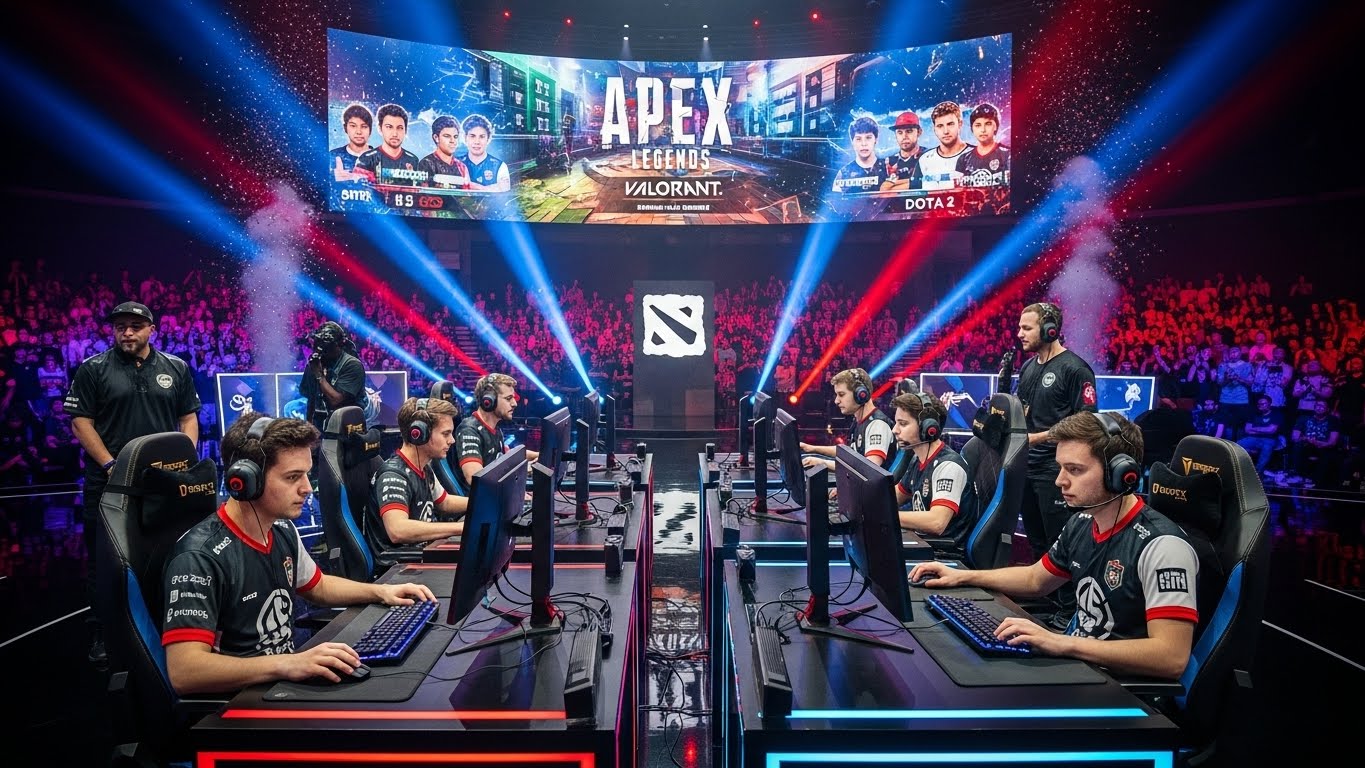
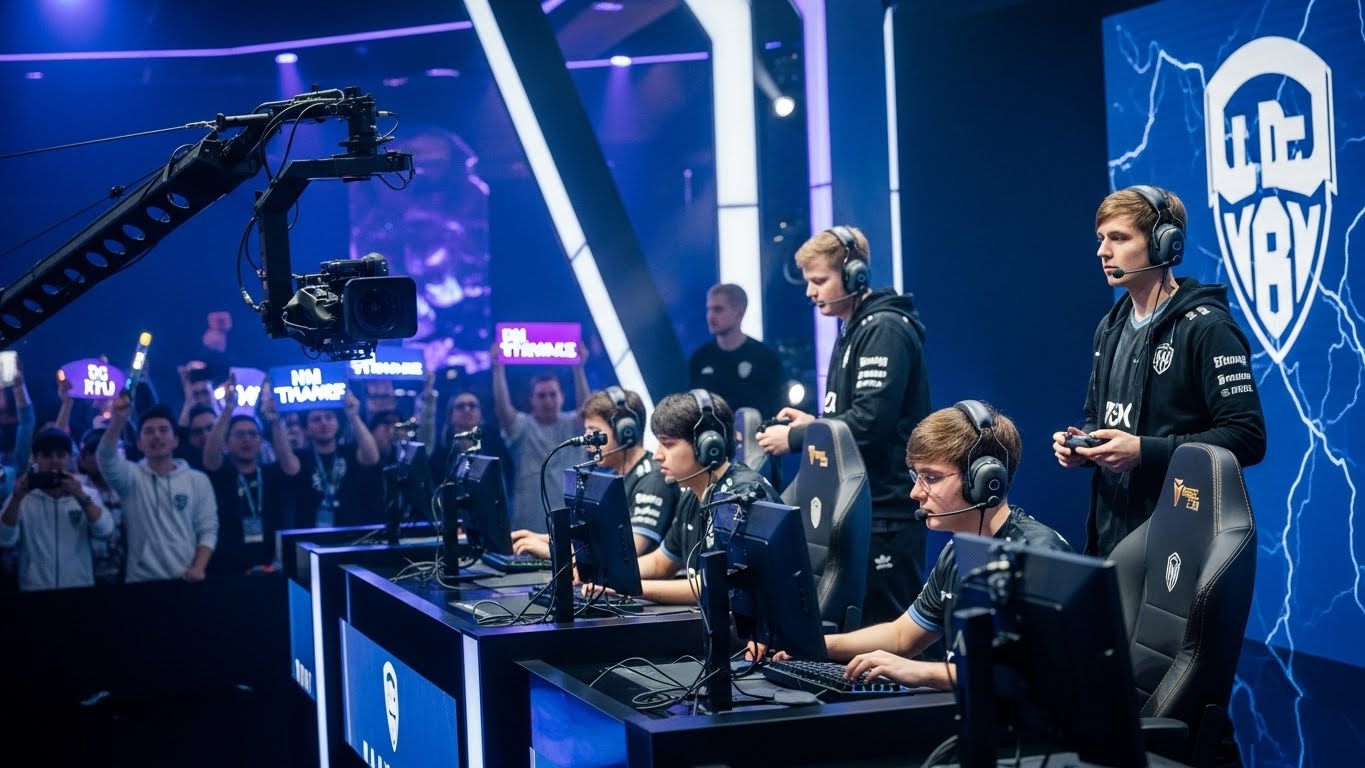
Esports, or electronic sports, has rapidly evolved from casual gaming into a global phenomenon. Once a hobby limited to small communities, competitive gaming now attracts millions of fans worldwide. With professional leagues, major tournaments, and substantial prize pools, esports has established itself as a legitimate form of competition and entertainment, blending skill, strategy, and digital innovation.
Professionalism in Esports
Today, esports players are professional athletes in every sense. They dedicate hours to training, mastering strategies, and coordinating with teammates. Coaching, sponsorships, and dedicated training facilities help players achieve peak performance. This level of professionalism has turned gaming into a career path, offering recognition, financial rewards, and international opportunities for skilled players.
Popular Esports Games
Esports encompasses a wide range of game genres. Multiplayer online battle arenas (MOBAs) like League of Legends and Dota 2 focus on teamwork and strategy. First-person shooters (FPS) such as Counter-Strike and Valorant require precision and reflexes. Sports simulations like FIFA and NBA 2K bring real-world sports into digital competition. Each game demands unique skills, attracting diverse players and fostering a wide fan base.
Building Communities Through Esports
Esports is more than competition; it builds social connections. Online streaming platforms allow fans to watch matches, learn strategies, and interact with players. Tournaments create shared experiences, fostering camaraderie among fans and participants. Esports communities celebrate achievements, share tips, and provide a sense of belonging, making gaming both social and engaging.
Cognitive and Skill Development
Competitive gaming improves a variety of cognitive and social skills. Strategy games enhance critical thinking and problem-solving, while fast-paced shooters sharpen reflexes and hand-eye coordination. Team-based games encourage communication, collaboration, and leadership. These skills not only contribute to gaming success but also support personal and professional development.
The Economic Impact of Esports
The esports industry generates billions of dollars annually. Revenue comes from tournament prizes, sponsorships, advertising, merchandise, and streaming platforms. Organizations invest in players, marketing, and infrastructure to grow their reach. Esports has created new career opportunities in game development, content creation, event management, and media, making it a significant contributor to the global economy.
Challenges in Competitive Gaming
Despite its success, esports faces challenges. Players may experience mental and physical strain due to long practice hours and high competition. Online communities must address issues such as cheating, toxicity, and fair play. Encouraging responsible gaming and ensuring player well-being are essential for sustaining growth and maintaining a positive environment.
The Future of Esports
Esports is poised for continued growth. Virtual reality, augmented reality, and artificial intelligence are making games more immersive and interactive. Global audiences are expanding, and esports is gaining recognition alongside traditional sports. With technological advancements and increasing participation, esports will continue to shape entertainment, culture, and competitive gaming worldwide.
Conclusion
Esports is far more than playing video games. It is a professional, cultural, and social movement that combines skill, strategy, and entertainment. As the industry grows, it will continue to redefine competition, inspire players, and engage fans across the globe. The rise of esports marks a new era in digital entertainment, where gaming is a legitimate, respected, and exciting arena for millions.