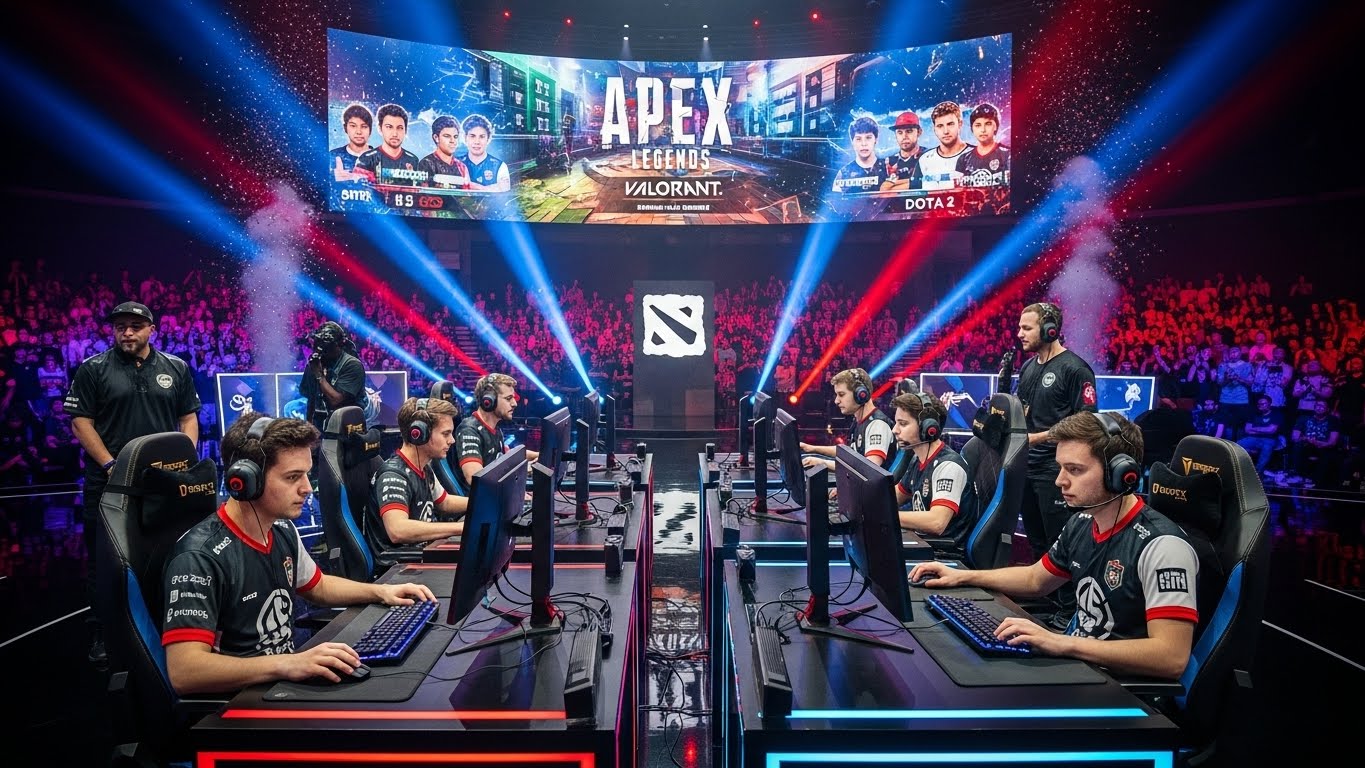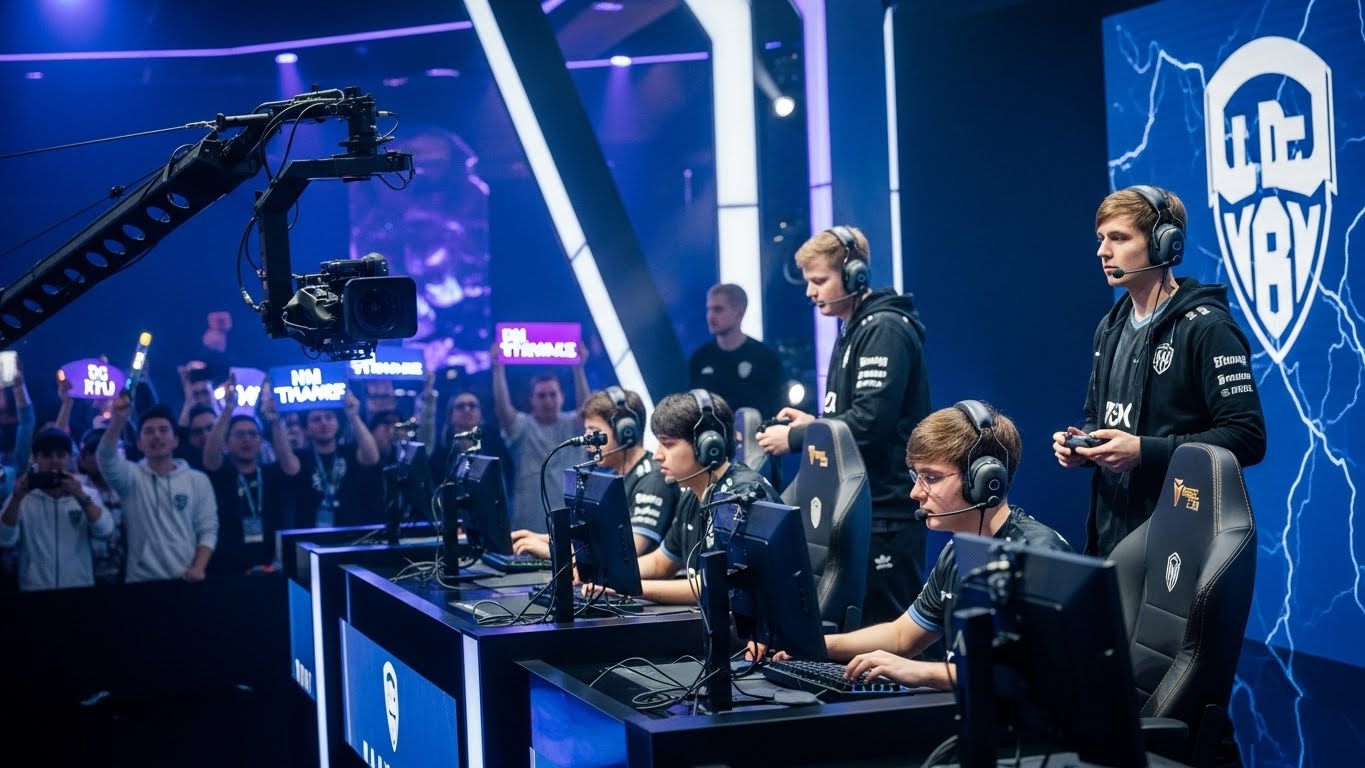

The digital revolution has transformed the entertainment industry in ways previously unimaginable. Among the most significant transformations is the meteoric rise of esports, a multi-billion-dollar industry that has redefined how we perceive gaming, competition, and entertainment. What was once a niche hobby for a select few has now become a global phenomenon, attracting millions of players, fans, and investors from all corners of the globe. Esports is not just about playing games; it’s about competition, community, and culture. In this blog post, we will dive deep into the world of esports, tracing its evolution, exploring its current state, and offering insights into where the industry is headed in the future.
The Origins of Esports: From Arcade Games to Digital Competition
While esports might seem like a modern invention, its roots stretch back several decades. The first inklings of competitive gaming can be traced to the late 1970s, when the arcade game Space Invaders became a cultural phenomenon. The game introduced millions of people to the concept of playing video games not just for fun, but for the challenge of competing with others. In 1980, the Space Invaders Championship marked the first-ever large-scale gaming competition, though it was still limited to a single arcade.
As video game technology advanced through the 1980s and 1990s, competitive gaming continued to grow. During this time, arcade games like Pac-Man and Donkey Kong fueled a competitive spirit among gamers, but it wasn’t until the 1990s that esports truly began to take shape. Multiplayer games such as Quake, Warcraft, and StarCraft began to show potential for online competition. LAN (Local Area Network) parties and tournaments became more common, especially in tech-savvy communities. Players gathered in large halls to compete in tournaments, often sponsored by gaming companies or tech brands.
The Pioneers of Modern Esports: South Korea’s Impact
While competitive gaming was beginning to take root in North America and Europe, it was in South Korea that esports truly flourished. The late 1990s and early 2000s saw the rise of StarCraft, a real-time strategy game developed by Blizzard Entertainment. StarCraft became a national obsession in South Korea, with professional players achieving celebrity status. The nation’s infrastructure, including its high-speed internet and media outlets, created the perfect environment for esports to thrive.
In 2000, the Korean e-Sports Association (KeSPA) was founded, and the country soon saw the establishment of professional leagues and gaming channels like Ongamenet (OGN), which broadcasted live esports tournaments. The creation of gaming cafes, or “PC bangs,” further fueled the esports culture, as these venues became the hubs for competitive gaming. By the mid-2000s, esports was officially a part of South Korea’s cultural fabric, with national broadcasts of tournaments and sponsorship deals from large companies like Samsung and Hyundai.
South Korea’s approach to esports became the model for the rest of the world. The success of StarCraft demonstrated that esports could be not only a hobby but a legitimate career path, with professional players, coaches, and analysts all contributing to the growth of the industry.
The Explosion of Global Esports in the 2010s
As the 2010s rolled around, esports had firmly established itself as a major industry. The rise of League of Legends (LoL), released in 2009, marked a turning point for the global esports scene. LoL became a massive success, quickly establishing its own professional league in the United States and Europe. By 2013, Riot Games, the developer behind LoL, hosted the first League of Legends World Championship, a tournament that drew millions of viewers from around the world. The tournament’s success demonstrated that esports could attract the same level of viewership as traditional sports.
The launch of Twitch in 2011 was another game-changer for the industry. Twitch allowed gamers to stream their gameplay live, creating a space for not only professional players but also content creators and casual players to engage with audiences. Twitch quickly became the dominant platform for live-streaming esports events, and it played a key role in building the fanbases of many esports leagues and tournaments.
Throughout the 2010s, other games like Dota 2, Counter-Strike: Global Offensive, Overwatch, and Fortnite joined the competitive gaming landscape, each bringing its own style of play and competitive scene. As these games gained popularity, esports events began to fill arenas, with sold-out crowds watching the world’s best players battle it out for cash prizes, sponsorships, and global recognition.
The economic impact of esports became increasingly apparent. In 2019, the global esports market was valued at over $1 billion, driven by sponsorships, streaming, and merchandising. Companies like Intel, Coca-Cola, and Mercedes-Benz began to partner with esports teams and events, validating the industry as a mainstream form of entertainment.
The Business of Esports: Revenue Streams and Investments
Today, esports has evolved into a full-fledged industry with multiple revenue streams. These include:
- Sponsorships and Partnerships: Brands have recognized the vast potential of esports audiences, leading to lucrative sponsorship deals with teams, tournaments, and individual players. Sponsors can range from tech giants like Intel and NVIDIA to lifestyle brands like Red Bull and Nike. These sponsorships are often a significant source of revenue for esports organizations.
- Tournament Prize Pools: Major esports tournaments now offer multi-million-dollar prize pools, with the biggest events, like The International for Dota 2, boasting prize pools exceeding $40 million. The scale of these prize pools has only grown over the years, drawing top-tier players from around the world.
- Streaming and Content Creation: Live streaming platforms like Twitch, YouTube Gaming, and Facebook Gaming have become essential parts of the esports ecosystem. These platforms generate revenue through advertisements, subscriptions, and donations, with esports events often bringing in millions of viewers. In fact, the most popular esports tournaments now attract viewership figures comparable to traditional sports events, like the Super Bowl or the FIFA World Cup.
- Media Rights: As esports gains more visibility, media companies have begun to bid for the rights to broadcast tournaments. Deals with platforms like ESPN and Turner Sports have brought esports to a broader audience, legitimizing its place in mainstream media.
- Merchandising: Just like traditional sports teams, esports organizations sell merchandise such as jerseys, hats, and other apparel. Fans can now support their favorite teams and players by purchasing branded items, which adds another layer of revenue for the esports industry.
- In-Game Purchases and Microtransactions: Many esports titles, such as League of Legends, Fortnite, and Counter-Strike: Global Offensive, have adopted microtransactions. Players can purchase cosmetic items like skins, emotes, and other content, contributing significantly to the revenue of both developers and esports organizations.
This diverse mix of revenue sources has enabled esports to grow at an astonishing rate, with the industry expected to be worth over $2 billion by 2025.
The Cultural Impact of Esports: A New Form of Entertainment
Esports has gone far beyond just gaming; it has become a cultural force, changing the way people consume entertainment. Esports fans are highly engaged and passionate, often following their favorite players and teams as they would any other traditional sports star. The sense of community among fans is a key part of the appeal of esports, as it fosters global connections between people who share a common love for competitive gaming.
One of the most unique aspects of esports is its ability to reach younger audiences. With a median age of 26, the esports fanbase is significantly younger than that of traditional sports. This demographic has grown up in a digital age, and they consume entertainment in ways that are radically different from previous generations. Esports has provided these fans with a new way to engage with sports, offering real-time interactions through live-streaming, social media, and fan communities.
Esports has also led to the emergence of new career paths. Professional gamers, coaches, analysts, broadcasters, and even event organizers now have viable careers in the industry. Additionally, esports has become a popular academic pursuit, with universities around the world offering scholarships and degrees related to competitive gaming. This development has cemented esports as a legitimate career option for many young people, further fueling its growth.
The Future of Esports: What’s Next?
As esports continues to mature, several key trends suggest that the industry will keep evolving and expanding. Here are a few possibilities for the future of esports:
Integration with Traditional Sports
We are already seeing traditional sports teams invest in esports, with organizations like the New York Knicks and Paris Saint-Germain owning esports teams. This trend is likely to continue, and we may see more hybrid events that combine traditional sports and esports. For instance, an esports tournament might take place in the same stadium as a major football match, creating a unique fan experience.
Virtual and Augmented Reality
Virtual reality (VR) and augmented reality (AR) have the potential to revolutionize esports by creating even more immersive experiences for players and viewers alike. Imagine stepping into a VR arena and experiencing a tournament firsthand, or using AR to get live stats and player data in real-time during a match. The development of these technologies could take esports to a whole new level.
Mobile Gaming
Mobile esports is already gaining traction, with games like PUBG Mobile and Mobile Legends attracting massive player bases and organizing large-scale tournaments. As mobile gaming technology continues to improve, we can expect mobile esports to become a larger part of the global competitive gaming scene.
Increased Global Expansion
Esports has already gained immense popularity in countries like the United States, South Korea, and China, but there is still much untapped potential in other parts of the world. Southeast Asia, Latin America, and the Middle East are all emerging as esports hubs, and as infrastructure improves, we can expect even more global growth.
Mainstream Recognition
As esports continues to grow in popularity, it is likely that it will receive even more mainstream recognition. This could mean greater visibility in traditional media outlets, more sponsorships from mainstream companies, and even the inclusion of esports in major sporting events like the Olympics.
Conclusion
Esports has evolved from a niche hobby into a global industry that rivals traditional sports in terms of viewership, revenue, and cultural significance. Its rise has been driven by technological advancements, the passion of its fanbase, and the growth of online platforms that allow fans to engage with their favorite games and players. As esports continues to mature, it will likely become an even more integral part of the global entertainment landscape, creating new opportunities for players, fans, and businesses alike.
The future of esports is bright, and its impact on culture, technology, and entertainment will only continue to grow. As the industry expands and more people get involved, one thing is clear: esports is here to stay.