Sports are more than just games played on fields or courts; they are a reflection of human ambition, resilience, and creativity. From ancient civilizations to modern stadiums, sports have served as a medium for cultural expression, personal growth, and social connection. They bring people together, inspire communities, and provide a platform for excellence and innovation. In today’s world, sports continue to evolve, incorporating technology, global competitions, and new disciplines while retaining their timeless impact on individuals and societies. This blog explores the history, significance, diversity, challenges, and future of sports, illustrating why they remain an essential part of human life.
The Historical Roots of Sports
Sports have a long and storied history, tracing back thousands of years. In ancient Greece, the Olympic Games were held to honor the gods, showcasing physical prowess and competitive spirit. Athletes competed in disciplines such as running, wrestling, and javelin throwing, and victories were celebrated as both personal achievements and communal pride.
Other civilizations also valued athletic competition. In ancient Egypt, physical contests such as swimming and wrestling were common, while Chinese societies practiced martial arts and archery for both combat training and recreation. In Mesoamerica, the Mayan and Aztec cultures played ritualistic ball games, blending athletic skill with spiritual significance.
These early sports were not just physical contests; they were deeply embedded in culture, religion, and social identity. They established the foundational principles of competition, fairness, and discipline that continue to define sports today.
Sports as a Universal Language
One of the most remarkable aspects of sports is its ability to transcend cultural and linguistic boundaries. A football match in Brazil, a cricket game in India, or a basketball tournament in the United States can all evoke universal emotions of excitement, tension, and joy. Sports create a shared experience that unites spectators and participants regardless of nationality, background, or beliefs.
The universality of sports allows people to connect over a common passion. Fans gather in stadiums, homes, and public spaces to cheer for teams and athletes. Social media platforms amplify this connection, enabling global discussions, celebrations, and debates about games and competitions.
Physical and Mental Benefits of Sports
Participation in sports offers significant physical and mental benefits. Physically, sports enhance cardiovascular health, muscle strength, flexibility, and coordination. Regular engagement reduces the risk of chronic illnesses such as obesity, diabetes, and heart disease. Sports also promote healthy habits and longevity, encouraging individuals to maintain active lifestyles throughout their lives.
Mentally, sports improve focus, discipline, and resilience. They offer an outlet for stress relief and emotional expression, helping individuals manage pressure and develop coping mechanisms. Team sports foster social skills such as communication, empathy, and collaboration, while individual sports enhance self-reliance, concentration, and personal responsibility.
Youth who participate in sports often demonstrate higher levels of confidence and leadership skills. These lessons extend beyond the playing field, influencing academic performance, career development, and personal relationships.
Types of Sports
Sports are incredibly diverse, catering to a wide range of interests, skills, and physical abilities. Understanding these categories highlights the versatility and appeal of athletic pursuits.
Team Sports
Team sports, including football, basketball, volleyball, and cricket, emphasize collaboration, strategy, and collective achievement. Success depends on the coordination of all players, effective communication, and mutual trust. Team sports teach valuable lessons about working with others, leadership, and handling both victory and defeat.
Individual Sports
Individual sports such as tennis, swimming, athletics, and gymnastics focus on personal skill, discipline, and perseverance. Athletes are solely responsible for their performance, highlighting the importance of self-motivation, preparation, and focus. These sports cultivate determination and resilience, offering a powerful sense of personal accomplishment.
Combat and Martial Arts
Combat sports, including boxing, wrestling, judo, and mixed martial arts, combine physical strength, strategy, and mental toughness. Practitioners develop reflexes, precision, and self-control while learning to navigate competitive pressure. Martial arts also emphasize discipline, respect, and ethical conduct, making them both physical and philosophical pursuits.
Extreme and Adventure Sports
Extreme sports such as rock climbing, surfing, skateboarding, and skydiving attract thrill-seekers who enjoy risk, adventure, and adrenaline. These activities require courage, adaptability, and careful planning. Extreme sports push boundaries, inspire innovation, and encourage participants to explore their physical and mental limits.
Endurance Sports
Endurance disciplines like marathon running, cycling, triathlons, and rowing test stamina, perseverance, and mental resilience. Athletes train rigorously, developing both physical and psychological strength. These sports emphasize goal-setting, long-term commitment, and the rewards of sustained effort.
Sports as a Cultural and Social Force
Sports are deeply intertwined with culture and society. They reflect social values, national pride, and historical context. Major sporting events, such as the Olympics, World Cup, or Super Bowl, become cultural milestones that unite communities and inspire generations.
Athletes often serve as role models, influencing fashion, lifestyle, and social norms. Their achievements encourage young people to pursue physical activity, education, and personal development. Sports also provide platforms for social change, raising awareness on issues such as equality, inclusion, and community development.
Communities often organize around sports, whether through local leagues, fan clubs, or school programs. Sports foster a sense of belonging, shared identity, and collective pride, reinforcing social cohesion and civic engagement.
The Economic Impact of Sports
Sports are a major economic driver worldwide. Professional leagues, tournaments, and sporting events generate billions in revenue through ticket sales, merchandise, broadcasting, and sponsorships. Cities hosting major events experience increased tourism, infrastructure development, and job creation.
At the grassroots level, sports programs provide employment opportunities for coaches, trainers, administrators, and educators. They also stimulate local businesses, from sporting goods stores to hospitality and transportation services. The sports industry supports careers in media, marketing, technology, and healthcare, highlighting its broad economic influence.
Technology and Innovation in Sports
Technology has revolutionized sports in multiple ways. Advanced equipment and performance analytics allow athletes to train more efficiently, prevent injuries, and maximize potential. Wearable devices monitor heart rate, movement, and fatigue, providing valuable data for coaches and trainers.
Broadcasting innovations enhance the fan experience, offering high-definition visuals, multiple camera angles, and interactive viewing options. Virtual reality and augmented reality are beginning to transform both training and spectator experiences, making sports more immersive and accessible.
Social media platforms have also changed the way fans engage with sports. Athletes, teams, and leagues can communicate directly with audiences, share behind-the-scenes content, and create global communities. This connectivity has broadened the reach and influence of sports worldwide.
Challenges in the World of Sports
Despite its many benefits, sports face several challenges. Issues of fairness and integrity, such as doping, match-fixing, and corruption, threaten credibility and public trust. Regulatory organizations must enforce strict standards to maintain the integrity of competitions.
Injuries remain a significant concern. High-performance athletes are at risk of both short-term and long-term physical harm. Proper medical care, training protocols, and preventive measures are essential to ensure athlete safety.
Inequality is another challenge. Not all communities have access to quality facilities, coaching, or resources. Efforts to promote inclusivity and diversity in sports are crucial for ensuring equal opportunities for all participants.
Mental health is an emerging focus, as competitive pressures can lead to stress, anxiety, and burnout. Supporting athletes psychologically is becoming as important as physical training in modern sports programs.
The Future of Sports
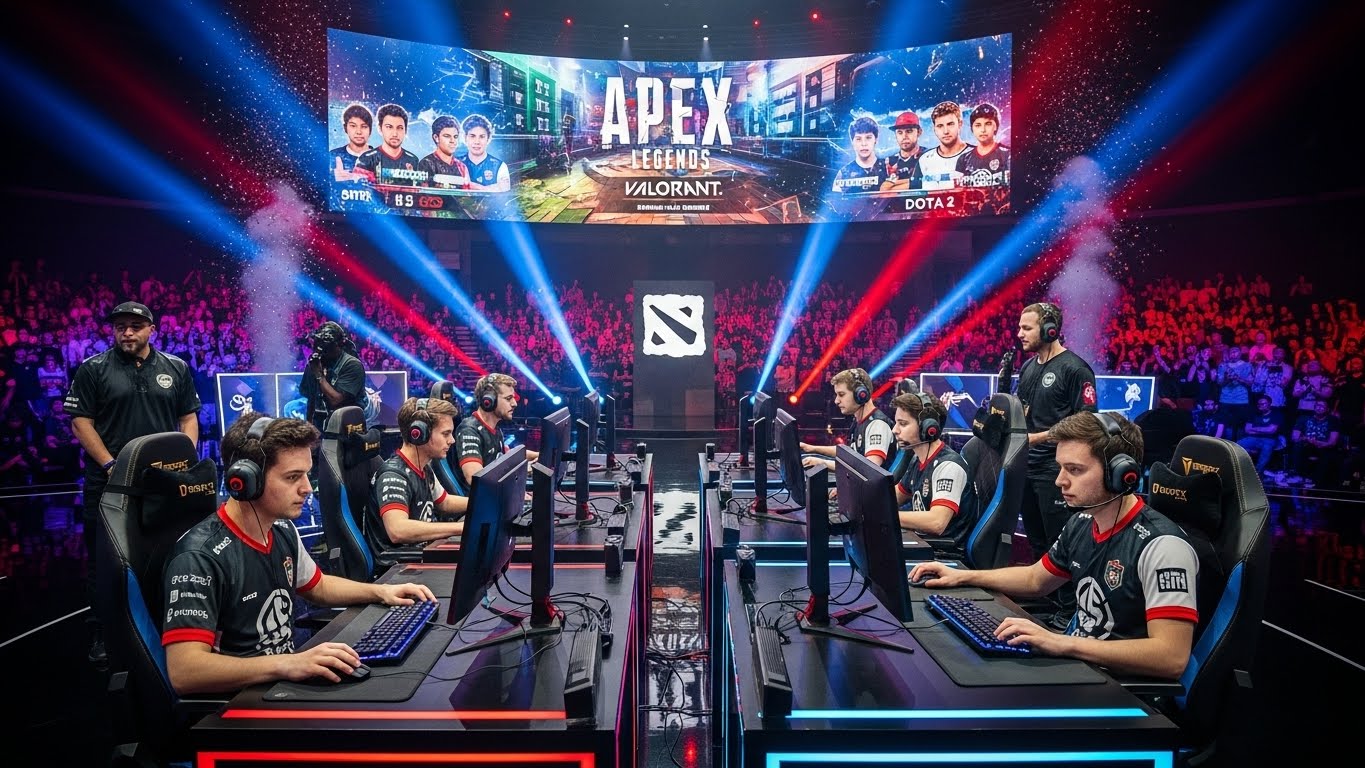
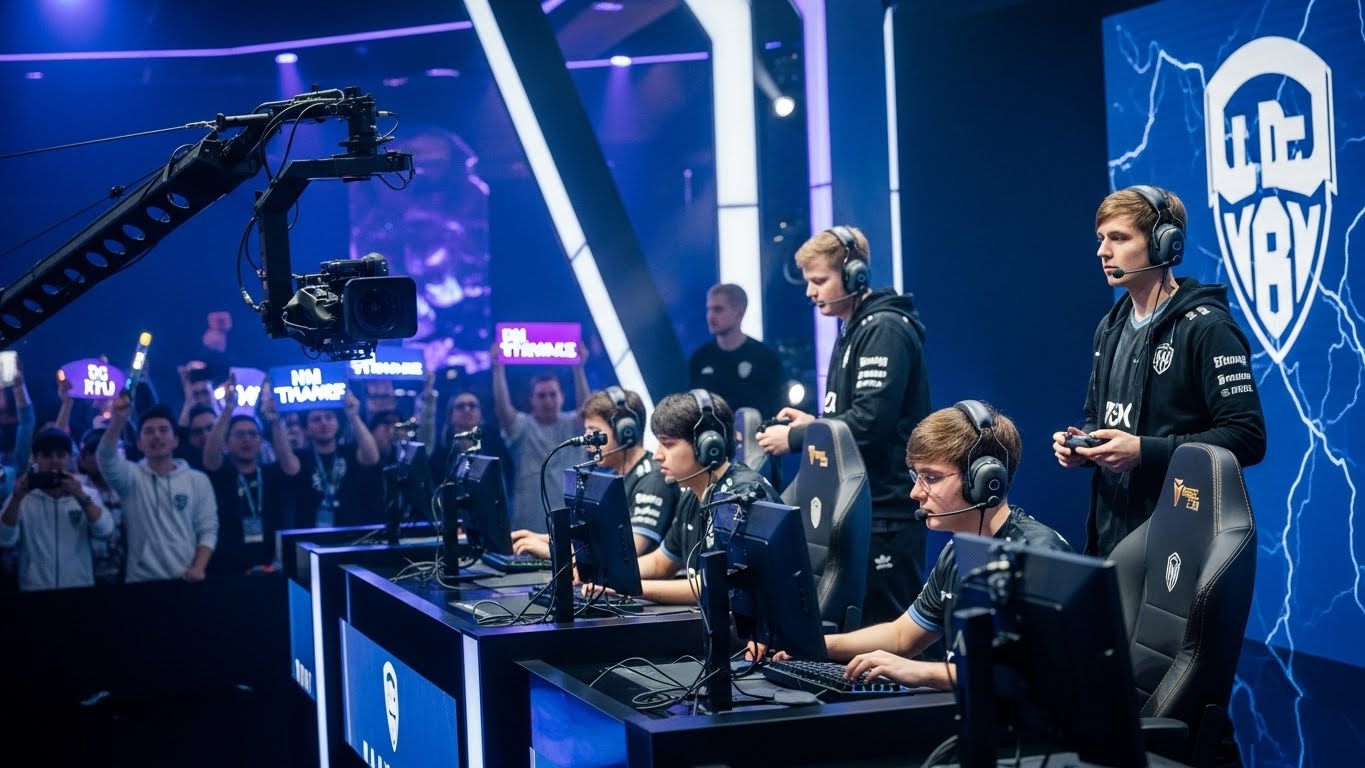
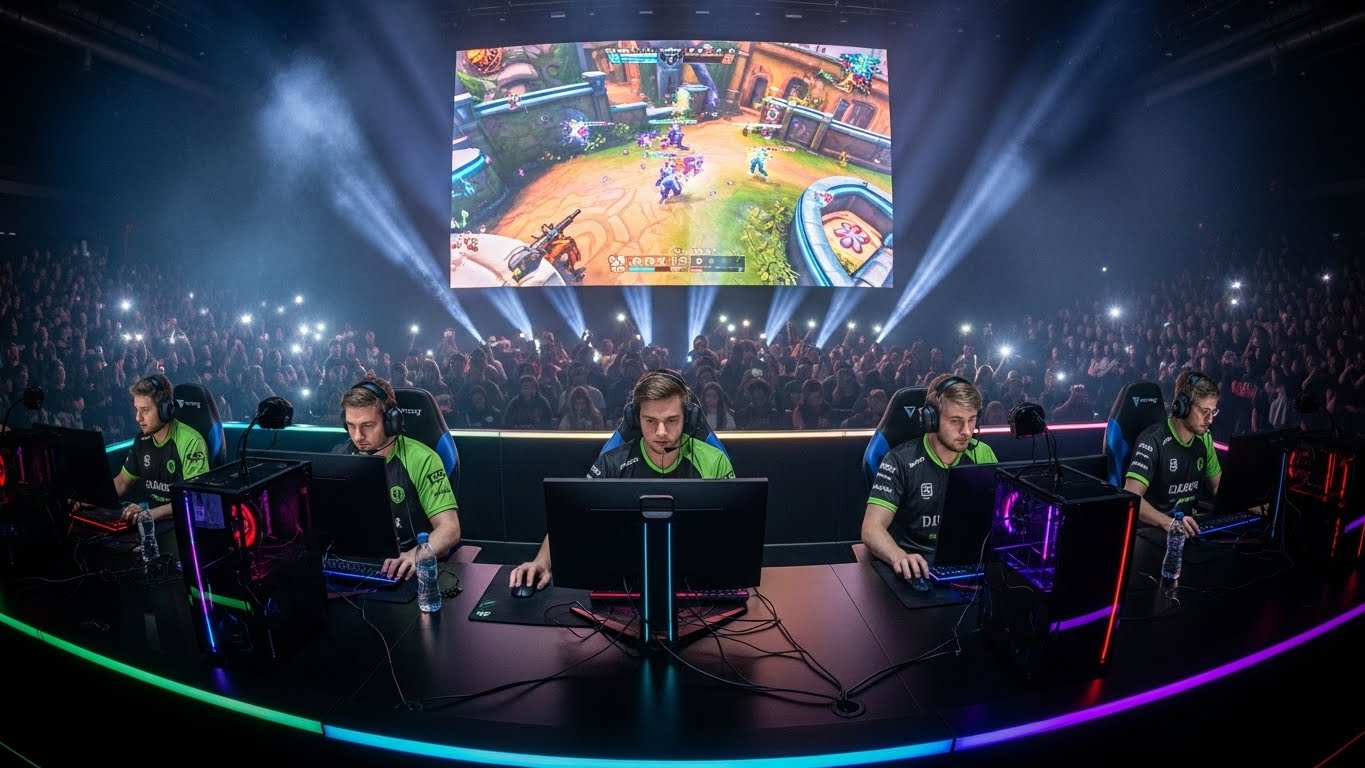
The future of sports promises continued innovation and growth. Technology will further enhance performance, spectator experiences, and global accessibility. Esports is emerging as a complementary field, merging traditional competition with digital engagement.
Sustainability is becoming a priority, with organizations seeking eco-friendly infrastructure, event management, and resource use. Sports will continue to embrace inclusivity, ensuring participation regardless of gender, ability, or socioeconomic background.
Globalization will further expand the reach of sports, connecting diverse cultures, fostering international competition, and inspiring collaboration. As the world evolves, sports will remain a dynamic and adaptable force, reflecting the values, challenges, and aspirations of society.
Conclusion
Sports are an integral part of human life, shaping character, culture, and community. They inspire excellence, foster social connections, and provide physical and mental benefits that extend far beyond the playing field. From ancient competitions to modern professional leagues, sports have maintained their universal appeal and enduring significance.
They teach discipline, perseverance, teamwork, and resilience while offering joy, excitement, and a sense of shared identity. Sports unite people across cultures, generations, and backgrounds, creating a global language of passion and achievement.
As technology advances and society continues to change, sports will evolve, innovate, and expand, remaining a powerful platform for personal growth, cultural expression, and collective celebration. The essence of sports—the pursuit of excellence, the thrill of competition, and the joy of participation—will endure, reflecting the best of humanity’s spirit, creativity, and resilience.