Introduction
Esports has erupted into one of the most dynamic and rapidly expanding industries on the planet. What began as small gatherings of passionate gamers competing for bragging rights has transformed into a multi-billion-dollar cultural phenomenon. Today, professional players earn celebrity status, arenas fill with cheering fans, and millions tune in to watch competitions from around the world. The rise of esports is not merely a story about video games; it is a testament to how digital entertainment, technology, community, and competition can fuse together to shape a new global culture. This blog explores the evolution of esports, the elements fueling its growth, and why it is becoming an integral part of modern entertainment.
The Evolution of Competitive Gaming
Esports did not rise overnight. Its roots trace back to the early days of arcade machines and home consoles, where players gathered informally to set high scores and challenge friends. The first widely recognized gaming tournament dates to the 1970s, signaling the birth of organized digital competition. However, the true acceleration began in the 1990s and early 2000s with multiplayer PC games and the widespread availability of the internet.
Titles such as StarCraft, Counter-Strike, and Warcraft III introduced competitive formats that allowed players from different countries to face each other virtually. This was the era that laid the groundwork for what would eventually become professional esports. Online leagues, communities, and game-specific tournaments began forming, building a foundation for the professional infrastructure we see today.
The Role of Technology in Esports Growth
Advancements in technology have been instrumental in transforming esports from niche gatherings into major events. High-speed internet, HD streaming, and powerful gaming hardware made it possible for players to compete at an elite level and for fans to watch in real time.
The introduction of dedicated streaming platforms created an easy and accessible way for millions to watch matches live. Unlike traditional sports broadcasting, streaming allowed direct interaction between viewers, players, and commentators, strengthening the sense of community. Social media further amplified esports, helping highlight star players, amazing plays, and behind-the-scenes stories that engaged fans around the world.
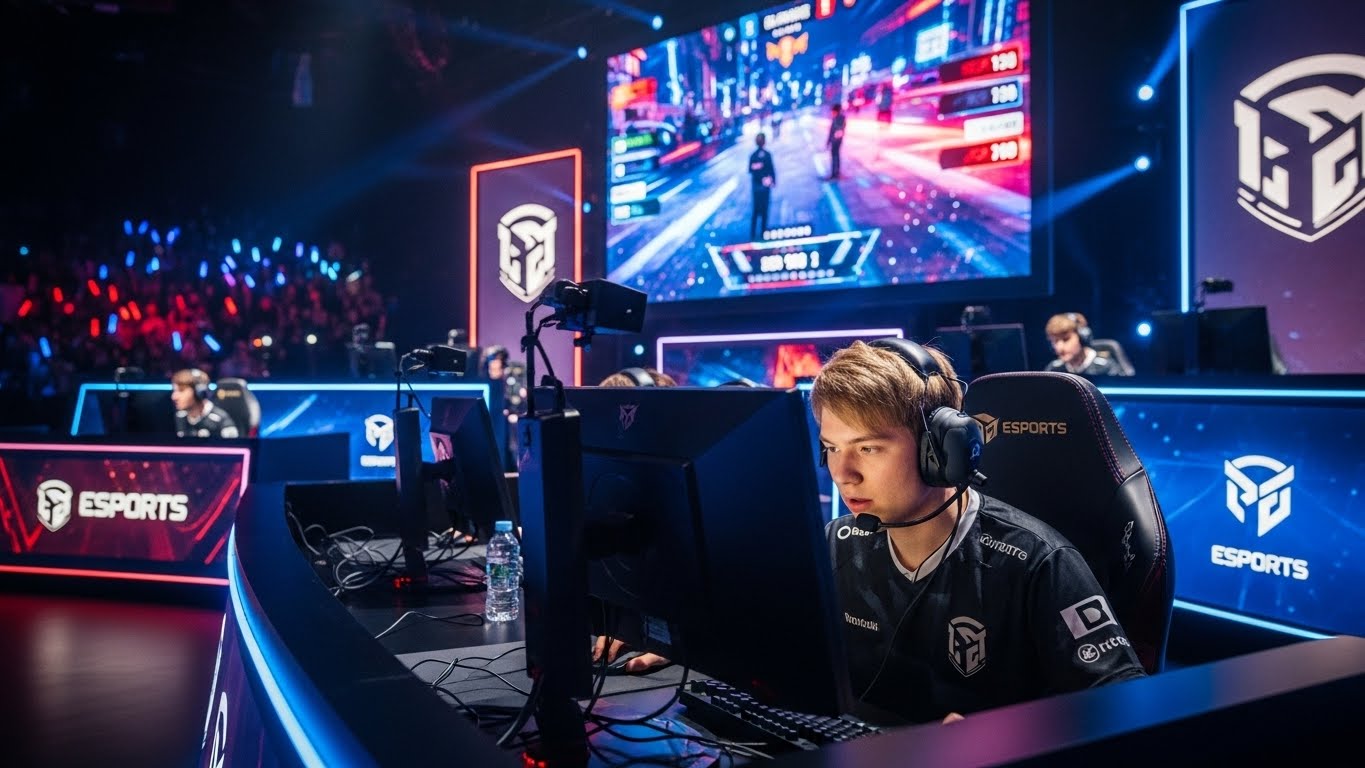
The evolution of gaming equipment has also played a crucial role. Professional athletes now use specialized keyboards, mice, controllers, and monitors designed to maximize performance. This modernization mirrors the equipment advancements seen in traditional sports and underscores esports’ seriousness as a competitive discipline.
The Rise of Professional Leagues and Tournaments
As esports gained global traction, professional leagues and international tournaments emerged to provide structure and legitimacy. Today, games such as League of Legends, Dota 2, Valorant, and Counter-Strike host some of the largest competitive scenes.
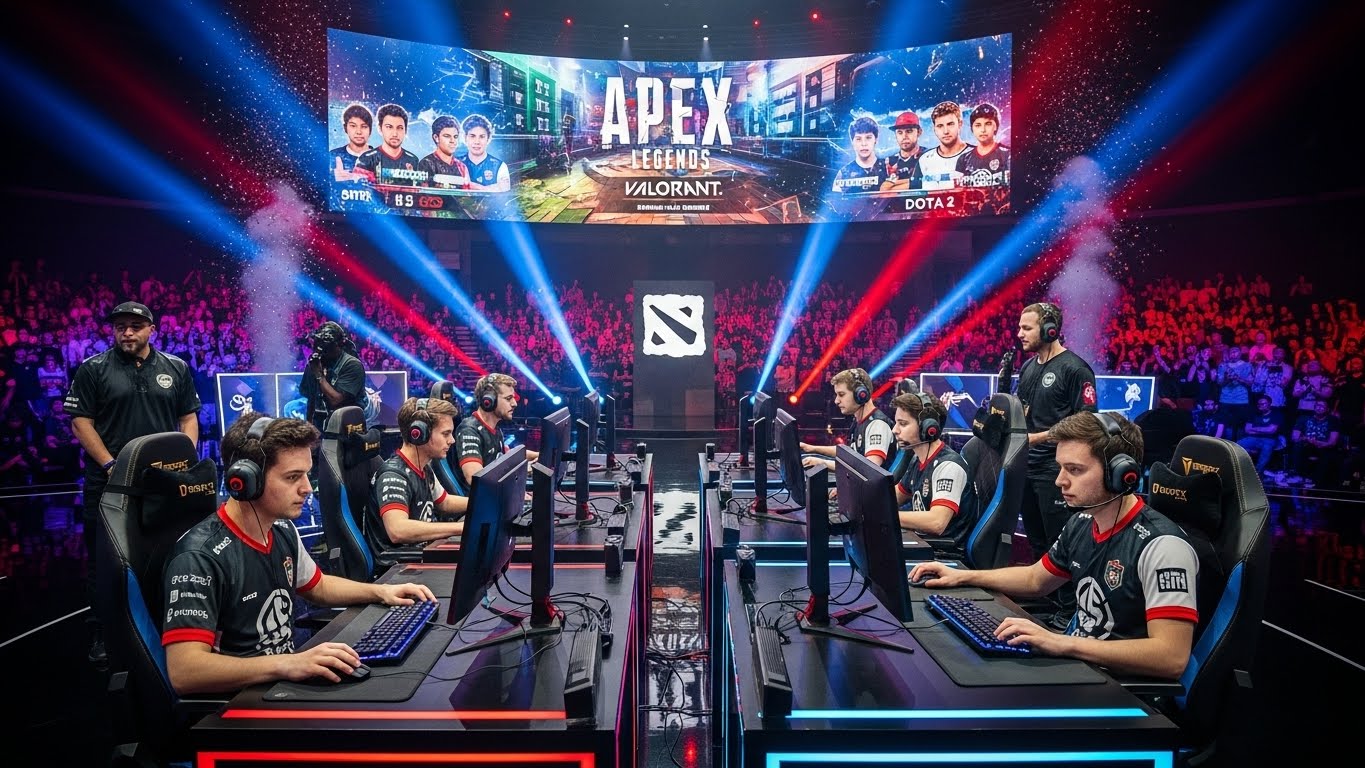
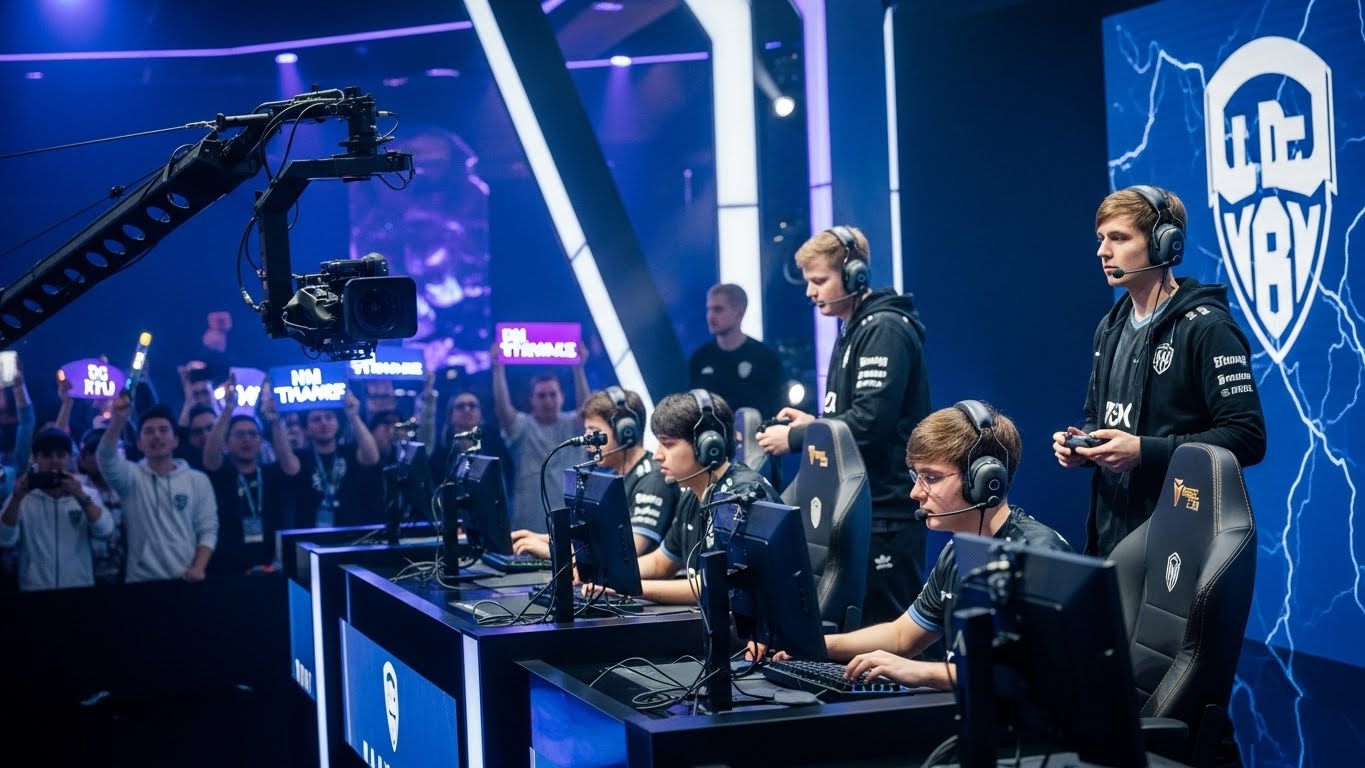
These tournaments attract millions of viewers and offer prize pools that rival or surpass those of many traditional sports. Major events fill massive arenas, complete with elaborate stages, pyrotechnics, and theatrical presentations. The atmosphere often resembles that of a rock concert fused with a sports championship, creating electrifying experiences for fans.
Professional teams now operate with coaches, analysts, nutrition experts, and dedicated training facilities. Players follow rigorous practice schedules and adopt strategic lifestyles to maintain peak performance. The competitive ecosystem has become so advanced that young athletes often join academy systems similar to junior sports leagues, hoping to rise through the ranks.
Esports as a Sustainable Career
One of the most fascinating developments in esports is the variety of career paths it offers. While professional players remain at the forefront, the industry supports a vast network of roles including coaches, event organizers, commentators, broadcasters, designers, video editors, and marketing specialists.
Players who retire from active competition frequently transition into coaching or content creation. Many become streamers, sharing gameplay and connecting directly with fans. This flexibility allows individuals to build long-term careers within the gaming ecosystem without relying solely on competition winnings.
Educational institutions have also begun to recognize esports’ value. Schools and universities now offer scholarships for talented players, and some even run full academic programs in esports management, game design, and digital media. This institutional support underscores esports’ growing legitimacy and sustainability.
The Community and Culture Behind the Screens
A major factor behind esports’ global success is its community. Esports fans are passionate, knowledgeable, and deeply engaged. They analyze match strategies, follow their favorite players’ careers, and participate in discussion forums. The digital nature of esports also allows fans from different countries to connect instantly, forming a truly international culture.
Esports has also created new traditions. From team chants and online memes to iconic plays remembered for years, the culture is vibrant and inclusive. Developers often collaborate with the community, releasing themed events or special in-game items related to major tournaments. This interaction enhances the fan experience and keeps the community involved in the growth of the games.
Cosplay, art, and music have become an integral part of the esports world as well. Fans celebrate their passion through creative expression, adding layers of diversity and personality to the overall culture. What makes esports particularly unique is how it blurs the lines between participants and spectators, creating a space where anyone can engage meaningfully.
The Economics Driving the Industry
Esports is now a major economic force. Revenue streams include sponsorships, media rights, merchandise, live events, and in-game purchases. Global brands see esports as an opportunity to reach younger audiences who spend significant time online. Today, companies from a variety of industries, including technology, energy drinks, fashion, and automotive, sponsor major teams and tournaments.
Merchandising has also become a powerful economic driver. Teams release jerseys, hoodies, and accessories that fans proudly wear to show support. In-game cosmetics tied to esports events generate additional revenue, allowing fans to participate digitally while supporting their favorite teams.
These financial developments help sustain organizations, support players, and fund future events. They also demonstrate how esports has matured into a stable, influential industry with significant potential for long-term growth.
Esports and Mainstream Recognition
The line between esports and traditional sports continues to blur. Many professional sports franchises now operate their own esports divisions, collaborating with gaming companies to enter the digital arena. Countries have begun recognizing esports athletes, granting them visas for international tournaments. Media outlets cover major esports events alongside traditional sports, reinforcing their cultural relevance.
This mainstream recognition has sparked ongoing discussions about whether esports should be included in international sporting events. While opinions differ, the conversation itself reflects how far esports has come. The debate highlights the physical skill, mental discipline, and teamwork required to compete at the highest levels.
Challenges Facing the Industry
Despite its remarkable rise, esports faces challenges that need careful consideration. One concern is player burnout. The intense training schedules and pressure to perform can affect mental and physical health. Organizations must prioritize balanced routines, proper rest, and mental well-being to create sustainable environments.
Another challenge is maintaining competitive integrity. Issues such as cheating, match-fixing, or inconsistent tournament rules must be addressed through clear regulations and robust oversight. As the industry grows, the need for standardized governance becomes more critical.
There is also the challenge of accessibility. While gaming is widely available, not all players have access to high-end equipment or stable internet connections. Closing this gap will allow more talent to emerge and strengthen global competition.
The Future of Esports
The future of esports is full of possibilities. As technology evolves, so will the games, platforms, and experiences. Virtual reality and augmented reality may introduce new forms of competition, bringing unprecedented levels of immersion. Improved global infrastructure will make online competition even smoother and more inclusive.
Additionally, increased collaboration between game developers, tournament organizers, and educational institutions will further professionalize the industry. Esports may eventually be viewed on the same level as traditional sports, not just as entertainment but as a key cultural and economic driver.
Conclusion
Esports has grown from humble beginnings into a global entertainment powerhouse, shaping modern culture and redefining competition in the digital age. Its rise demonstrates the power of community, technology, and passion. Whether you are a long-time fan, a casual viewer, or someone curious about this world, one thing is certain: esports is not just the future of gaming—it is the future of global entertainment.
If you’d like, I can also format this into a more polished layout, add SEO keywords, or provide a shorter version for social media.