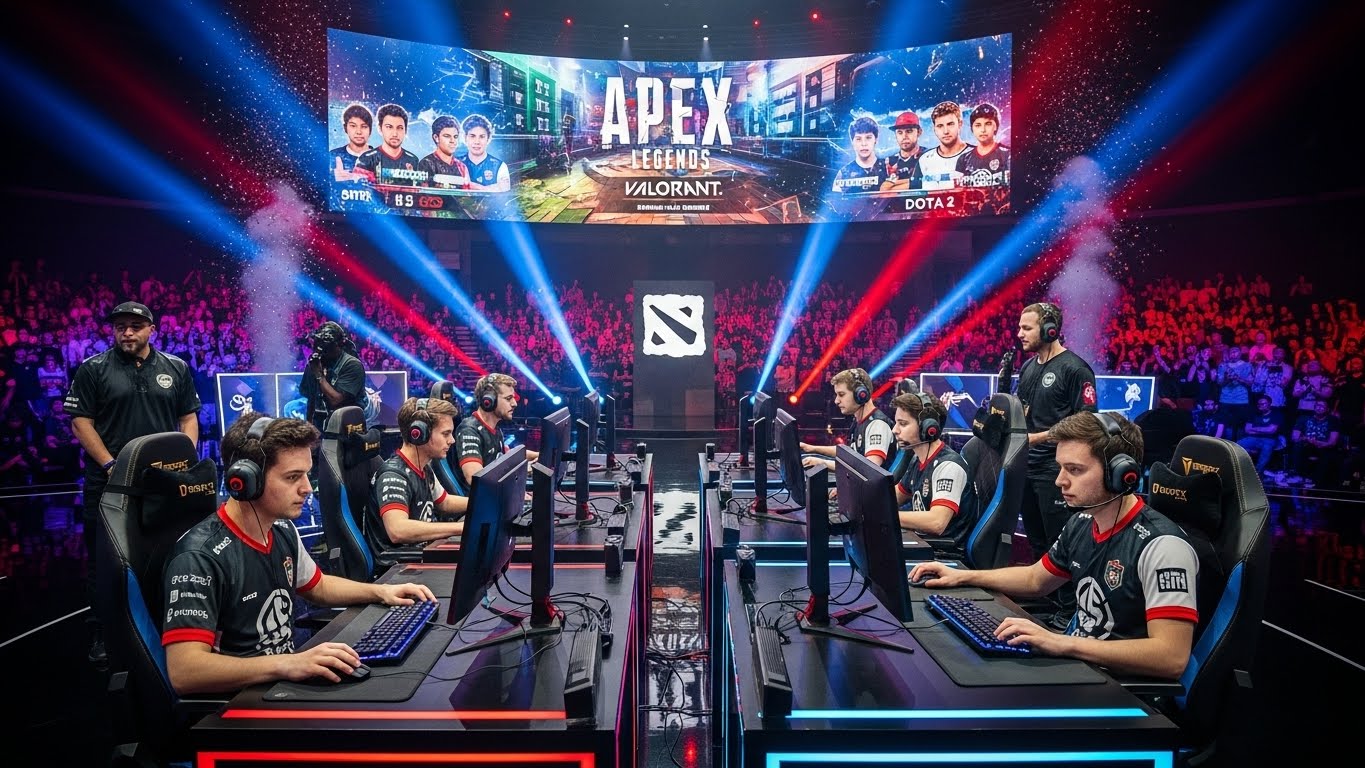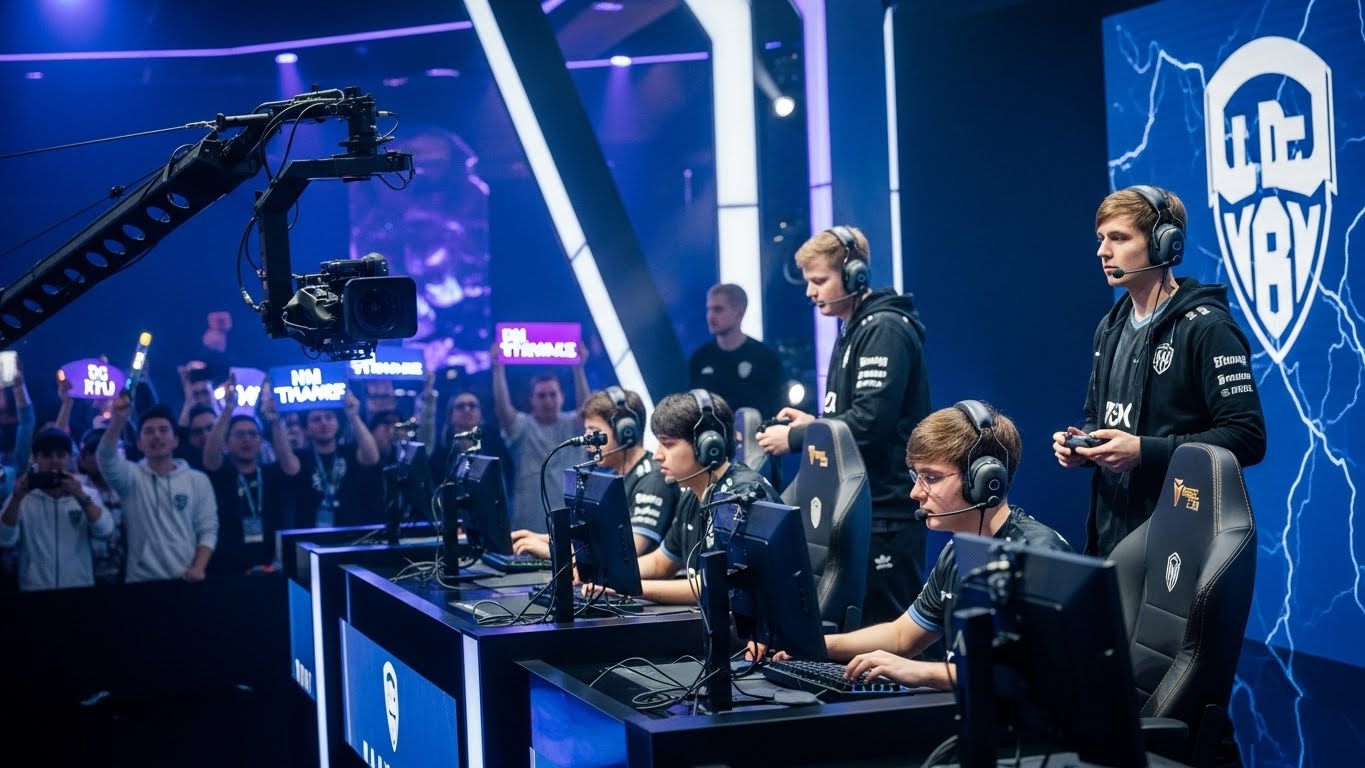
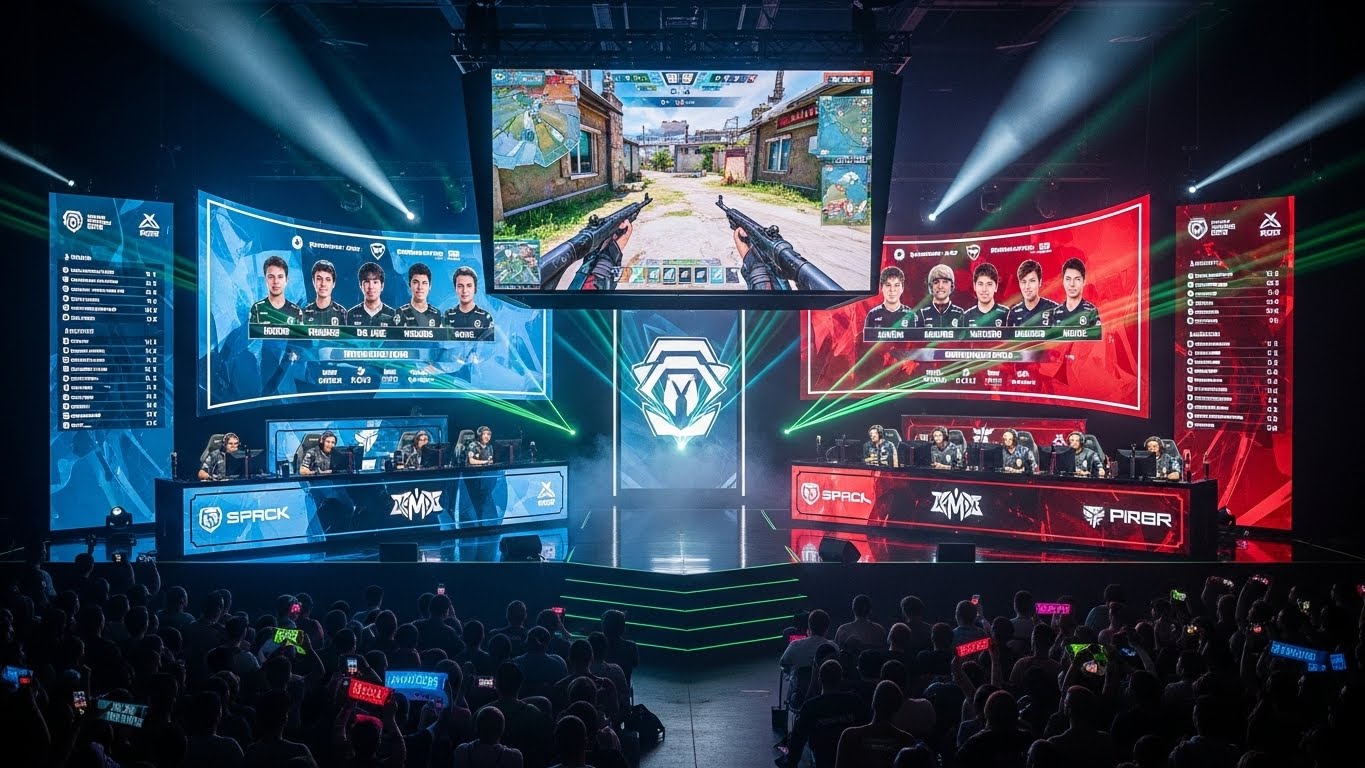
Esports, or competitive video gaming, has evolved from a niche hobby to a global phenomenon in less than two decades. Once dismissed as a pastime for casual gamers, esports now boasts professional leagues, massive tournaments, and audiences rivaling traditional sports. It combines skill, strategy, teamwork, and entertainment in ways that are reshaping how we view competition, technology, and culture. This blog explores the world of esports, its impact on society, and why it is no longer just a game.
The Rise of Esports: From Arcades to Arenas
The history of esports is as dynamic as the games themselves. Competitive gaming began in the 1970s and 1980s with local arcade competitions and small-scale tournaments. Early titles like Space Invaders and Pac-Man laid the groundwork for competitive gaming culture. The 1990s introduced networked gaming, with games such as Quake, StarCraft, and Counter-Strike fostering communities of competitive players.
The rise of the internet was a turning point. Online platforms allowed gamers to compete globally, share strategies, and build communities. By the 2000s, esports had evolved into professional leagues with sponsorships and organized events. Today, esports tournaments fill stadiums, attract millions of online viewers, and generate billions of dollars in revenue annually. What began as a hobby has become a serious industry with global reach.
Understanding the Esports Ecosystem
Esports is more than just playing video games. It is an entire ecosystem that includes players, teams, organizers, sponsors, broadcasters, and fans. Professional players dedicate years to honing their skills, practicing for hours daily to achieve precision and strategy. Teams often operate like traditional sports franchises, with coaching staff, analysts, nutritionists, and psychologists supporting players.
Game developers play a crucial role in shaping esports. Titles such as League of Legends, Dota 2, and Fortnite are designed with competitive play in mind, featuring mechanics that reward skill, strategy, and teamwork. Tournament organizers handle logistics, marketing, and production, creating events that are both competitive and entertaining. Broadcasters and streaming platforms allow millions to watch live, interact with players, and participate in the community. The synergy of all these elements makes esports a complex, professionalized industry.
The Physical and Mental Demands of Esports
Contrary to the stereotype of esports players as sedentary individuals, competitive gaming is both physically and mentally demanding. Players require excellent hand-eye coordination, reflexes, and dexterity. Long hours of gameplay demand stamina, focus, and the ability to remain calm under pressure. Physical fitness, proper nutrition, and rest are critical for peak performance.
Mental resilience is equally important. Esports players must manage stress, adapt to unpredictable scenarios, and make split-second decisions. Team-based games require communication, strategy, and leadership skills. High-level players undergo rigorous training to improve cognitive speed, problem-solving abilities, and emotional control. Esports is not just about pressing buttons; it is a demanding discipline that combines athleticism and intelligence.
Esports and Technology: A Perfect Marriage
Esports is inherently tied to technology. Advances in hardware, software, and connectivity have allowed competitive gaming to flourish. High-performance gaming PCs, consoles, and peripherals ensure players can compete at the highest level. Streaming technology enables global audiences to watch matches live with minimal latency, fostering community engagement.
Game analytics and artificial intelligence are transforming training and strategy. Players and coaches analyze in-game data to identify patterns, optimize tactics, and improve performance. Virtual reality and augmented reality are beginning to make inroads, offering immersive gaming experiences that could redefine the future of esports. The synergy between gaming and technology ensures that esports remains a frontier of innovation.
The Social Impact of Esports
Esports is more than entertainment; it is a cultural phenomenon. Online communities connect millions of fans worldwide, creating spaces where people share strategies, celebrate victories, and support their favorite players. Esports breaks down traditional barriers, allowing individuals from different countries, cultures, and backgrounds to compete and collaborate on equal footing.
For younger generations, esports offers role models and aspirational figures. Professional players inspire others to pursue careers in gaming, content creation, or technology. Esports also promotes inclusivity, with opportunities for players of all genders and abilities. Adaptive esports programs are emerging, allowing individuals with disabilities to compete at high levels, further demonstrating the social reach and impact of competitive gaming.
Esports as a Career
The rise of esports has created legitimate career opportunities. Professional players earn salaries, sponsorships, and prize money, while teams and organizations operate as businesses. Careers in esports extend beyond playing, including coaching, broadcasting, content creation, event management, and game development.
For many, esports represents a viable career path. Successful players can achieve global recognition, while teams and organizations generate revenue through merchandise, media rights, and partnerships. Even entry-level roles in marketing, analytics, or community management contribute to the growth of the industry. Esports has transformed gaming from a hobby into a professional and economic ecosystem.
The Economic Influence of Esports
Esports is a multi-billion-dollar industry with significant economic implications. Global tournaments attract sponsorships from major brands, media companies, and technology firms. Streaming platforms generate advertising revenue and subscription fees, while merchandise sales create additional income streams. Large-scale events stimulate local economies through tourism, hospitality, and infrastructure development.
Countries recognize the economic potential of esports. Investments in esports arenas, training facilities, and national leagues demonstrate the growing influence of competitive gaming. The industry continues to expand, offering opportunities for entrepreneurship, innovation, and international collaboration. Esports is not only entertainment; it is a powerful economic engine.
Women in Esports: Shaping the Future
Women have historically been underrepresented in esports, but that is changing rapidly. Female gamers are breaking barriers, competing at the highest levels, and challenging stereotypes. Tournaments, organizations, and initiatives focused on women’s esports are gaining visibility, encouraging greater participation and inclusivity.
Representation matters. Female players inspire young girls to pursue competitive gaming, while mixed-gender teams showcase talent and cooperation without bias. The growing presence of women in esports demonstrates that skill, strategy, and determination are universal, reinforcing the inclusive nature of the industry.
The Mental Health Conversation
The competitive nature of esports comes with mental health challenges. High expectations, long hours of practice, and public scrutiny can lead to burnout, anxiety, and stress. Recognizing these risks, teams are increasingly providing mental health support, including counseling, stress management programs, and mindfulness training.
Promoting balance is essential. Encouraging breaks, physical activity, and social interaction helps players maintain mental well-being. The esports industry is learning that sustainable performance requires attention to both physical and psychological health, aligning with broader conversations about mental wellness in professional sports.
The Future of Esports
The future of esports is bright and full of potential. Emerging technologies such as virtual reality, artificial intelligence, and cloud gaming will transform competitive experiences. Global connectivity will expand audiences, and continued investment in infrastructure will professionalize the industry further.
Esports is also likely to become more integrated with traditional sports. Collaborations, hybrid events, and cross-industry partnerships could bring new fans and opportunities. Education and youth programs will continue to nurture talent, ensuring the next generation of players, coaches, and professionals thrive. Esports is no longer just a pastime; it is an evolving cultural, technological, and economic force.
Conclusion
Esports has transcended its humble beginnings to become a global phenomenon that challenges traditional notions of competition, entertainment, and culture. It combines skill, strategy, technology, and social engagement in ways that resonate with millions worldwide. From professional leagues to grassroots communities, esports fosters connection, innovation, and personal growth.
The industry’s impact extends beyond screens and consoles. It promotes inclusivity, generates economic opportunities, and inspires new career paths. As technology advances and audiences expand, esports will continue to shape society, redefine competition, and captivate the next generation. The future of sports may be digital, but its power to unite, inspire, and transform is as real as ever.