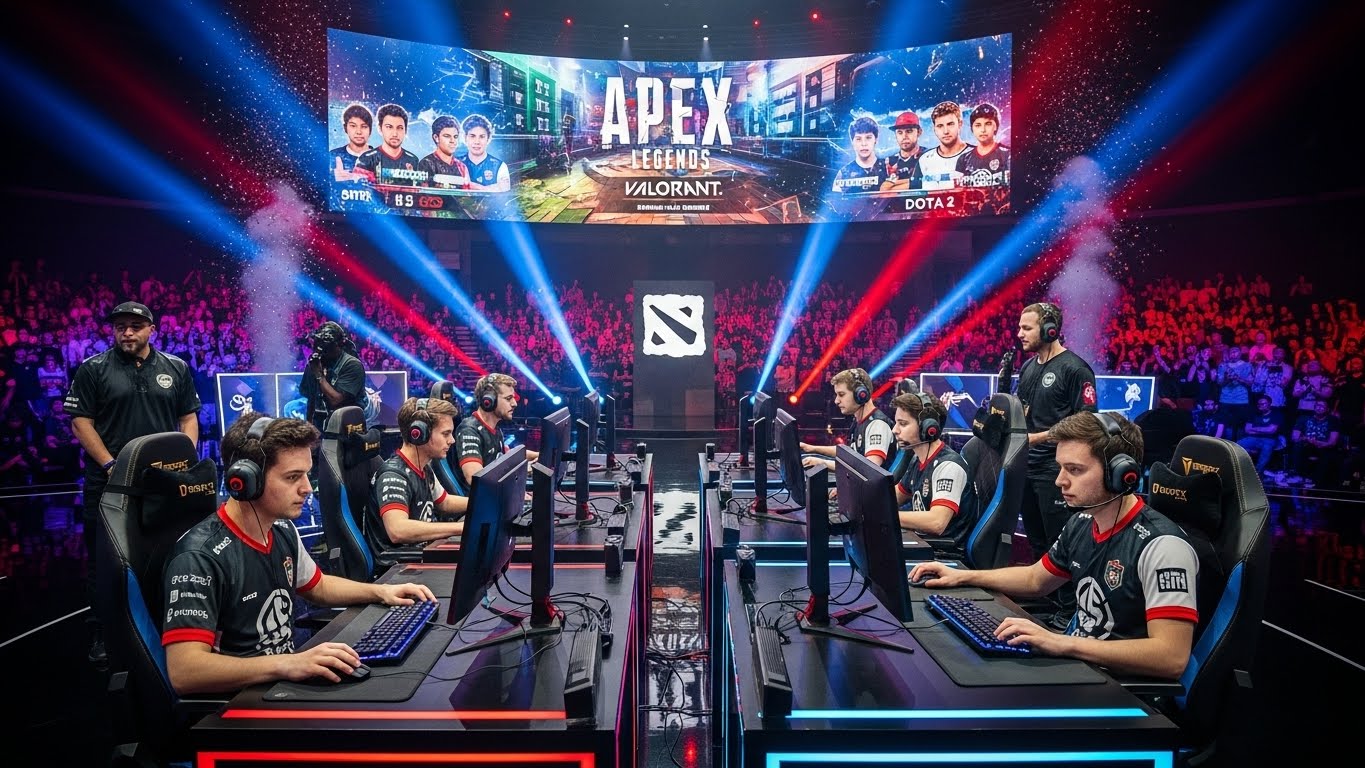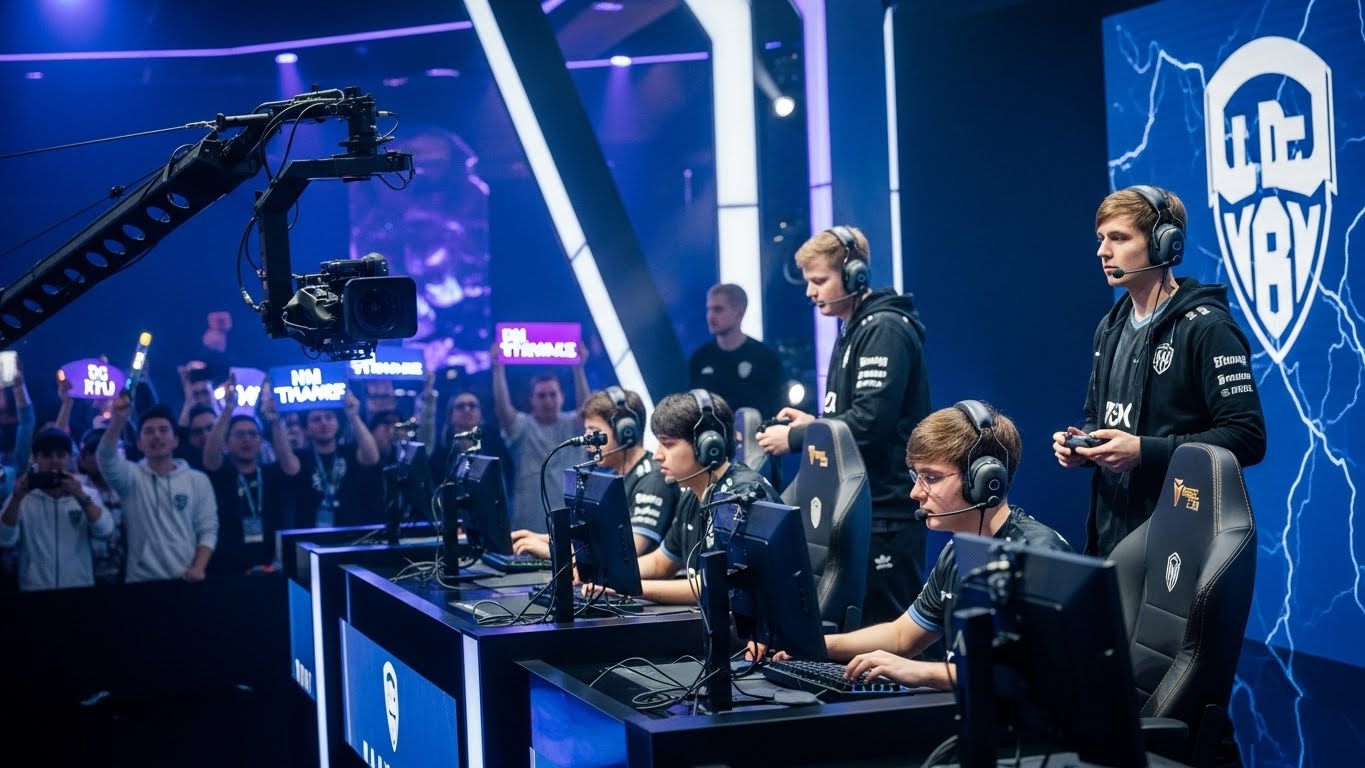
Gaming is one of the most mentally engaging and physically demanding activities of the digital age. From fast-paced esports matches to long hours of story-driven adventures, players push their bodies and minds to sustain focus and precision. Yet, no matter how passionate or skilled a gamer is, one challenge eventually catches up with everyone—gaming fatigue.
Gaming fatigue is not simply feeling tired after a long session. It’s a deeper sense of exhaustion that affects reflexes, focus, motivation, and enjoyment. Many gamers ignore it, believing they can power through, but fatigue can harm both performance and health in the long run. Understanding how to prevent and manage it is crucial for maintaining consistent performance, especially in competitive environments.
This article explores the causes of gaming fatigue and provides the best tips and strategies to avoid it—ensuring that gaming remains not just enjoyable, but sustainable.
Understanding Gaming Fatigue
Before learning how to prevent fatigue, it’s essential to understand what it actually is. Gaming fatigue refers to the mental, emotional, and physical exhaustion that comes from prolonged or repetitive gaming sessions without proper rest or recovery. It manifests in multiple ways: slower reaction times, lack of focus, irritability, eye strain, and even a loss of motivation to play.
For professional players or content creators, fatigue can also affect productivity and performance. The brain becomes overworked, the body becomes tense, and concentration begins to fade. What was once fun becomes draining, and performance drops dramatically.
Gaming fatigue can result from several factors—lack of sleep, poor posture, eye strain, dehydration, mental overload, or simply playing too long without breaks. The good news is that it can be managed with deliberate habits and training.
The Role of the Body and Brain in Gaming
Gaming might look effortless to outsiders, but it’s a complex coordination of mental and physical systems. The brain processes countless visual and auditory signals per second, while the hands respond with micro-movements. The eyes constantly adjust to lighting and motion, and the body maintains posture for hours on end.
When this system is overloaded, fatigue sets in. The brain starts slowing down, the body stiffens, and decision-making becomes sluggish. This is why even short gaming breaks or posture changes can make a big difference.
Just like traditional athletes, gamers must take care of both body and mind. Fatigue doesn’t just reduce enjoyment—it limits improvement. When you’re tired, you don’t learn efficiently, and your reactions become inconsistent. Recognizing the body’s limits and giving it time to recharge is essential for long-term gaming success.
Tip 1: Prioritize Quality Sleep
The most powerful way to combat fatigue is also the simplest—sleep. Many gamers sacrifice rest to play longer, not realizing that lack of sleep directly damages reaction time, memory, and decision-making. Even one night of poor sleep can make a player slower and less accurate.
Sleep is when the brain consolidates learning and resets cognitive functions. After intense gaming, the brain has processed vast amounts of information, from map layouts to mechanical movements. Without proper sleep, this data never fully settles, leading to decreased performance the next day.
Aim for consistent sleep patterns. Go to bed and wake up at the same time each day. Avoid screens at least 30 minutes before sleeping to reduce blue light exposure, which disrupts melatonin production. A rested gamer performs better, learns faster, and enjoys the game more.
Tip 2: Take Regular Breaks During Sessions
One of the most overlooked aspects of gaming health is pacing. Continuous play for hours without rest creates physical stiffness and mental exhaustion. The human brain functions best in cycles of focus and recovery.
A practical approach is to take short breaks every hour. During these breaks, step away from the screen, stretch your arms and legs, and give your eyes a chance to relax. Even five minutes of movement can improve circulation and reset focus.
These breaks also prevent repetitive strain injuries and allow your posture to reset. Many professional players use structured intervals, alternating between high-intensity gaming and deliberate rest. Over time, these breaks improve consistency and endurance.
Tip 3: Maintain Proper Posture
Poor posture is one of the biggest contributors to gaming fatigue. Sitting in a slouched or tense position restricts blood flow, strains the neck and back, and leads to chronic discomfort. Over time, this physical tension drains energy and focus.
To avoid posture-related fatigue, ensure your gaming setup supports a neutral, ergonomic position. Keep your monitor at eye level, your back straight, and your shoulders relaxed. Feet should rest flat on the ground or a footrest.
An ergonomic chair with lumbar support can make a major difference, as can wrist rests for mouse and keyboard users. Periodically check your posture during gaming to correct slouching habits. When your body feels comfortable, your mind stays sharp.
Tip 4: Hydrate and Eat Smart
Gaming might not feel physically intense, but your brain and body burn energy constantly. Dehydration is a silent performance killer—it reduces focus, causes headaches, and accelerates fatigue.
Keep a water bottle nearby and sip regularly throughout your gaming session. Avoid relying too heavily on energy drinks or sugary sodas, which provide short bursts of energy followed by crashes.
Nutrition also plays a key role. Foods rich in omega-3s, lean proteins, fruits, and vegetables provide long-lasting energy and improve cognitive performance. Heavy junk food can make you sluggish and tired. Think of food as fuel—high-quality fuel leads to high-quality performance.
Tip 5: Manage Screen Time and Eye Strain
Staring at a bright screen for hours can lead to digital eye strain, a common form of fatigue among gamers. Symptoms include dry eyes, headaches, and blurred vision. Eye strain not only affects comfort but also slows reaction time.
To prevent it, follow the 20-20-20 rule: every 20 minutes, look at something 20 feet away for at least 20 seconds. This helps your eyes reset focus and reduces tension in the ocular muscles.
Adjusting screen brightness and contrast to match room lighting also helps. Avoid playing in dark rooms with bright screens. Consider using blue light filters or gaming glasses designed to reduce glare. Protecting your eyes ensures longer, healthier play sessions.
Tip 6: Stretch and Exercise Regularly
Gaming keeps the mind active but the body still. Prolonged inactivity leads to stiffness, poor circulation, and fatigue. Regular exercise and stretching counteract these effects.
Incorporate simple stretches before and after gaming—neck rolls, wrist circles, shoulder shrugs, and back extensions. These movements relieve tension and improve blood flow.
Beyond stretching, regular physical exercise improves endurance, focus, and reaction time. Cardio workouts increase oxygen flow to the brain, while strength training supports posture. Even a short walk between sessions helps keep your energy steady.
Many professional gamers now treat fitness as part of their training routine because it directly enhances mental clarity and stamina. A healthy body sustains a high-performing mind.
Tip 7: Avoid Overtraining and Set Limits
In competitive gaming, the drive to improve can lead players to overtrain. Grinding endlessly may seem productive, but without balance, it leads to burnout. The brain needs rest to consolidate new skills.
Quality always beats quantity. Instead of playing for ten unfocused hours, aim for shorter, intentional sessions with clear objectives. Track your progress and reward yourself for improvement.
Setting limits also helps maintain enjoyment. Gaming should remain fun, not feel like a chore. When fatigue starts creeping in, take a break or switch activities. Pushing through exhaustion only leads to mistakes and frustration.
Recognizing your limits is not weakness—it’s wisdom. The best players know when to rest, recharge, and return stronger.
Tip 8: Manage Stress and Maintain Emotional Balance
Mental fatigue often comes from emotional stress rather than physical exhaustion. Frustration, pressure to win, or toxic interactions online can drain mental energy faster than hours of play.
Developing emotional balance is key. Practice calm breathing after intense matches. If a loss tilts you, step away instead of forcing another game. Create a routine that includes time for relaxation, hobbies, or socializing outside of gaming.
Mindfulness and meditation are effective techniques for maintaining emotional control. Even five minutes of deep breathing or reflection can clear the mind and reset focus. Emotional stability not only prevents fatigue but also sharpens decision-making in competitive scenarios.
Tip 9: Optimize Your Gaming Environment
The environment you play in directly affects fatigue. Poor lighting, cluttered setups, and uncomfortable temperatures can increase physical and mental strain.
Ensure your gaming space is clean, organized, and well-lit. Natural light helps regulate circadian rhythms, improving energy and mood. Maintain a comfortable room temperature to avoid overheating or discomfort during long sessions.
Sound also matters. Too much noise can be distracting, while complete silence can increase tension. Some players use soft background music or ambient sounds to maintain relaxation.
Your environment should feel like a space designed for performance and comfort. The more controlled and pleasant it is, the longer you can play without fatigue.
Tip 10: Balance Gaming With Other Activities
Gaming fatigue often comes from lack of variety. When your entire routine revolves around screens, your brain never gets a real break. Balancing gaming with other activities refreshes both body and mind.
Engage in physical hobbies, read, spend time outdoors, or hang out with friends. These activities reset your mental energy and offer new perspectives. They also prevent burnout by keeping your life balanced.
Remember, breaks from gaming don’t mean losing progress. In fact, time away often improves performance because your brain continues processing patterns and skills subconsciously. A balanced lifestyle enhances longevity in gaming and overall well-being.
Tip 11: Listen to Your Body’s Signals
The most effective fatigue prevention technique is awareness. Your body constantly gives signals when it’s reaching its limits—dry eyes, headaches, irritability, slow reactions, or loss of enjoyment. Ignoring these signs leads to burnout.
When these symptoms appear, stop and rest. Don’t push through pain or exhaustion. The best players respect their bodies’ feedback and respond early before problems escalate.
Listening to your body is not only a sign of discipline—it’s a hallmark of professionalism. Gaming performance improves when you train smart, not just hard.
Tip 12: Establish a Consistent Routine
Consistency is the secret behind every high-performing gamer. A structured daily routine that includes regular sleep, meals, and practice times helps regulate energy levels and focus.
Irregular schedules—playing all night one day and sleeping all day the next—confuse the body’s natural rhythm. This leads to constant fatigue, no matter how much rest you get.
Set predictable gaming blocks with designated rest intervals. Over time, your body adapts, making it easier to sustain energy during play. Consistency transforms gaming from a draining activity into a balanced, enjoyable habit.
The Mental Side of Fatigue
Fatigue isn’t just physical—it’s psychological. Boredom, lack of motivation, or constant pressure can make the mind feel heavy. To fight mental fatigue, keep gaming engaging. Set small goals, challenge yourself with new strategies, or explore different genres.
Social gaming also helps. Playing with friends provides motivation and emotional support. Laughter, teamwork, and connection reduce stress and make gaming more enjoyable.
On the professional side, esports organizations now employ mental performance coaches to help players manage fatigue, stress, and focus. Their methods—visualization, mindfulness, and cognitive training—demonstrate that mental recovery is as important as physical recovery.
Recognizing Burnout Early
Gaming fatigue, if ignored, can evolve into burnout—a deeper state of exhaustion marked by lack of motivation, irritability, and disengagement. Recognizing it early allows you to reverse it before it worsens.
If you find yourself dreading games you used to love, performing poorly despite effort, or feeling emotionally numb after playing, it may be time to take a longer break. Step away for a few days or weeks. Focus on rest, hobbies, and social life.
When you return, approach gaming with renewed purpose. Burnout is not a failure—it’s the body’s signal to slow down and rebalance.
Conclusion: Sustainable Gaming Is Smart Gaming
Avoiding gaming fatigue is about longevity and self-care. Whether you’re a casual gamer or a professional competitor, maintaining balance ensures that gaming remains enjoyable, healthy, and rewarding.
Rest, posture, hydration, and emotional control are not luxuries—they’re foundations of consistent performance. The players who understand their limits, respect their health, and train with mindfulness always go further than those who ignore fatigue.
Gaming is an incredible blend of art, competition, and human potential. But to play at your best, you must protect the system that powers it all—your mind and body. Stay rested, stay focused, and remember that the smartest way to win is to play sustainably.