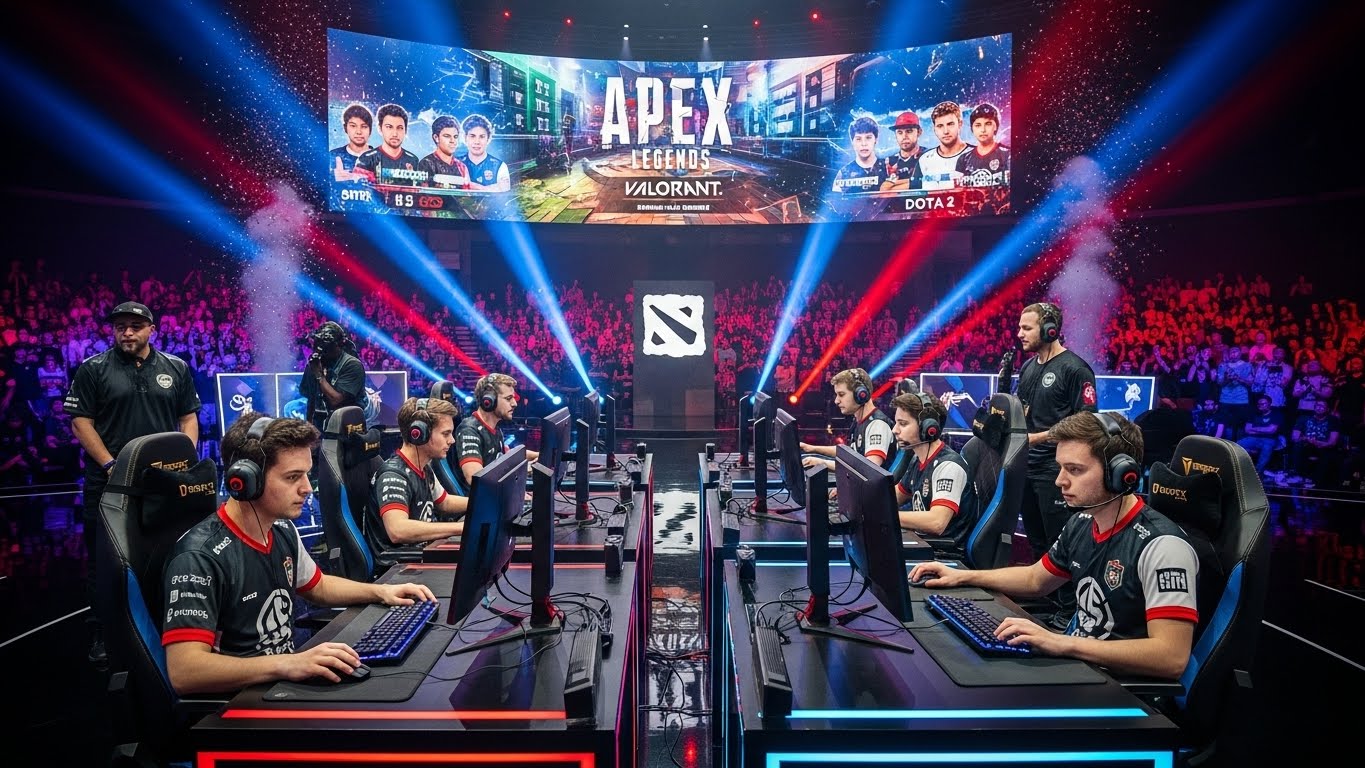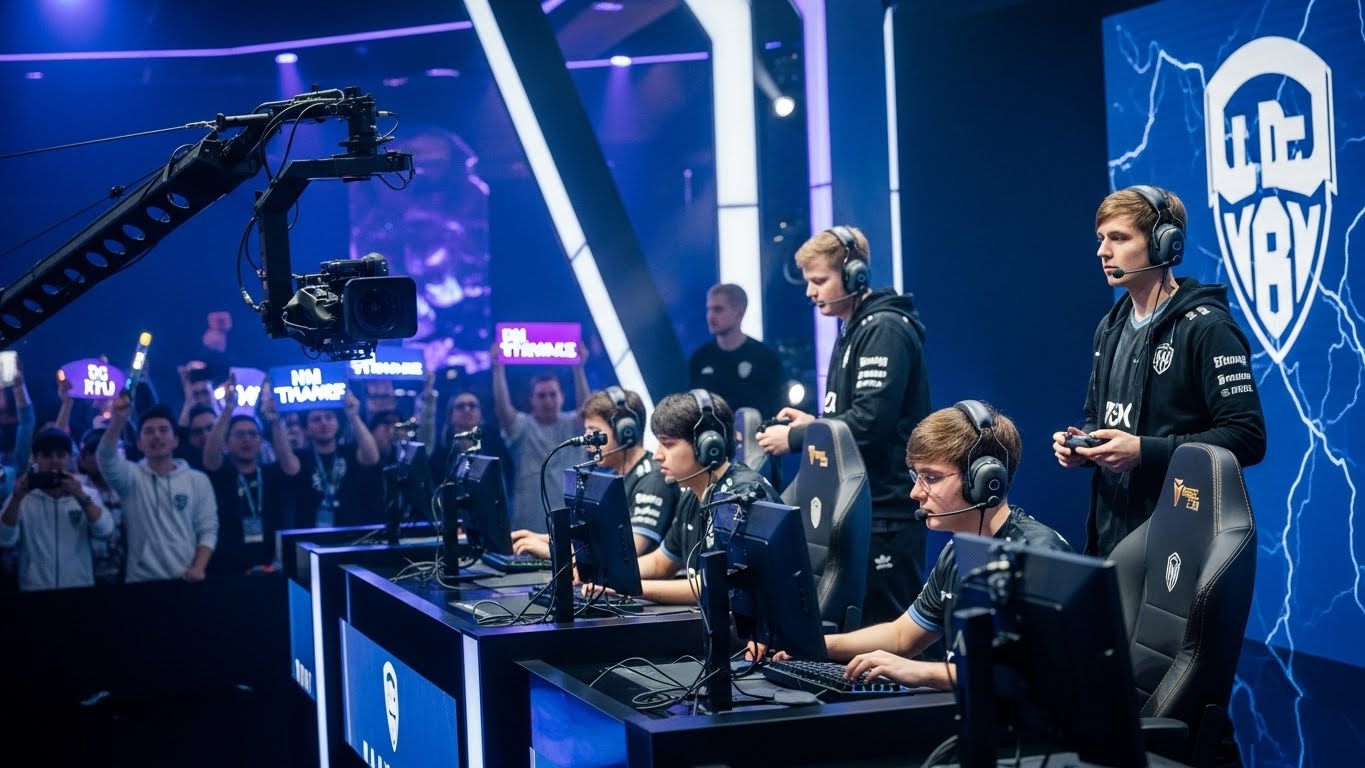

The world of sports has long been associated with physical prowess, teamwork, and competition. However, over the past two decades, a new form of competitive activity has emerged that challenges traditional notions of sport. This is the world of electronic sports, commonly known as eSports. eSports has grown from a niche hobby into a global phenomenon, attracting millions of players, fans, and investors. It is now recognized not only as a form of entertainment but also as a legitimate competitive arena where skill, strategy, and dedication determine success. This blog explores the rise of eSports, its evolution, major games, the culture surrounding it, its economic impact, and its future.
The Origins of eSports
The roots of eSports can be traced back to the late 1970s and early 1980s with the introduction of early arcade games. Competitive gaming started with simple high-score contests at arcades, where players could compare their performance on a local leaderboard. Games like Space Invaders, Pac-Man, and Donkey Kong became iconic, and players who excelled at these games were celebrated within local gaming communities.
In the 1980s, the growth of home gaming consoles brought video games into households, creating new opportunities for competition. Early gaming tournaments began to emerge, most notably the 1980 Space Invaders Championship in the United States, which drew thousands of participants. This event marked one of the first instances of organized competitive gaming and hinted at the future potential of eSports as a large-scale phenomenon.
The Growth of Competitive Gaming
The 1990s saw a significant transformation in competitive gaming. The rise of personal computers and networked gaming allowed players to compete against each other beyond local arcades or homes. Games like Doom and Quake introduced first-person shooters with multiplayer capabilities, laying the foundation for online competitive gaming. LAN parties, where players brought their computers together to compete in person, became popular social and competitive events.
Simultaneously, strategy games like StarCraft in South Korea demonstrated the potential of competitive gaming to attract large audiences. South Korea became a hub for professional gaming, with televised competitions, sponsorships, and professional teams. These developments helped establish the structure, culture, and legitimacy that eSports would continue to build upon in the following decades.
The Role of Streaming Platforms
A major turning point in the growth of eSports was the advent of streaming platforms. Services such as Twitch, YouTube Gaming, and later Facebook Gaming allowed players to broadcast their gameplay to global audiences in real time. This transformed gaming from a solitary or small-group activity into a spectator sport.
Streaming also created a direct connection between players and fans. Viewers could interact with players via chat, participate in community discussions, and support their favorite streamers through donations and subscriptions. This interaction fostered a sense of community and engagement that traditional sports could not always replicate. The ability to watch, learn, and interact with high-level players significantly increased the popularity and accessibility of eSports.
Popular eSports Games
eSports encompasses a variety of game genres, each with its own competitive scene and fanbase. First-person shooters (FPS) like Counter-Strike: Global Offensive and Call of Duty are known for fast-paced action, precision, and teamwork. Multiplayer online battle arena (MOBA) games such as League of Legends and Dota 2 focus on strategy, coordination, and long-term planning.
Fighting games, including Street Fighter and Super Smash Bros., emphasize individual skill, timing, and reflexes, while sports simulation games like FIFA and NBA 2K replicate real-world sports in virtual environments. Battle royale games such as Fortnite and PUBG have also captured massive audiences, combining survival elements with strategic gameplay. Each genre offers unique challenges and opportunities for competition, contributing to the diversity and global appeal of eSports.
Professional eSports Organizations
The professionalization of eSports is one of the key factors driving its growth. Teams and organizations now operate similarly to traditional sports franchises. They recruit top talent, provide coaching, invest in training facilities, and compete in regional and international tournaments. Some of the most recognized eSports organizations include Cloud9, Fnatic, Team Liquid, and T1, each with teams across multiple games.
Players often sign contracts with these organizations, receiving salaries, sponsorships, and other forms of compensation. Sponsorships and brand partnerships have become a significant source of revenue, with companies recognizing the marketing potential of a highly engaged and global audience. Professional teams compete in leagues and tournaments with substantial prize pools, further legitimizing eSports as a competitive endeavor.
Major eSports Tournaments
Tournaments are the centerpiece of professional eSports, providing structure, excitement, and recognition. Some of the largest and most prestigious tournaments include The International for Dota 2, the League of Legends World Championship, and the Overwatch League. These events attract millions of viewers both online and in-person, with prize pools often reaching tens of millions of dollars.
International tournaments bring together players from different regions, showcasing diverse strategies and skill levels. Regional leagues, such as the LCS in North America and the LCK in South Korea, provide consistent competition and help develop local talent. The combination of local and global events has created a layered ecosystem that supports both grassroots and professional eSports development.
The Culture of eSports
eSports has developed a vibrant and distinct culture. Fans not only watch games but actively participate in online communities, forums, and social media groups. Memes, fan art, and game-related content contribute to a shared sense of identity and belonging. Cosplay, where fans dress as their favorite characters, has become a common feature at tournaments and conventions, blending gaming culture with broader entertainment trends.
This culture also emphasizes skill, strategy, and sportsmanship. Top players are celebrated for their dedication, reflexes, and tactical intelligence. The rise of celebrity gamers has created role models for aspiring players, inspiring them to pursue competitive careers. eSports culture is global, inclusive, and highly engaged, creating connections across geography and language.
Economic Impact of eSports
The economic impact of eSports is immense. The industry generates revenue from multiple sources, including sponsorships, media rights, merchandise, ticket sales, and streaming partnerships. Analysts estimate that the global eSports market is worth billions and continues to grow annually.
Major corporations, including tech companies, beverage brands, and fashion labels, invest heavily in eSports marketing. Universities now offer scholarships for eSports athletes, and some schools have established dedicated gaming programs. The economic ecosystem surrounding eSports mirrors traditional sports, with revenue streams for teams, players, event organizers, and media platforms.
eSports and Education
Educational institutions have begun to recognize the value of eSports in developing skills such as teamwork, critical thinking, and strategic planning. Many universities now offer eSports scholarships, club teams, and dedicated facilities for gaming. Programs often integrate subjects like game design, digital media, marketing, and technology management, preparing students for careers in the broader gaming industry.
eSports also promotes inclusivity and accessibility. Unlike physical sports, it allows individuals of various physical abilities to compete on equal footing. This inclusiveness expands opportunities for participation and helps cultivate diverse talent in the gaming community.
Health and Well-being in eSports
Competitive gaming requires mental and physical preparation. Professional players spend hours training, analyzing gameplay, and developing strategies. This intense focus can lead to both cognitive and physical strain, including eye fatigue, repetitive strain injuries, and stress. Organizations and players are increasingly aware of these challenges, incorporating physical exercise, mental health support, and proper ergonomics into training routines.
Nutrition, sleep, and psychological support are becoming standard components of professional eSports programs. Understanding the balance between performance and well-being is critical to sustaining long-term careers in competitive gaming.
The Future of eSports
The future of eSports is bright, with continuous growth expected across global markets. Technological advancements, including virtual reality, augmented reality, and advanced analytics, are likely to further enhance gameplay and spectator experiences. AI-driven coaching and performance analysis tools will provide deeper insights for players and teams, elevating the level of competition.
Global expansion remains a key focus, with emerging markets in Asia, South America, and Europe contributing to the diversity of the eSports community. The integration of eSports into mainstream media, education, and entertainment will continue to redefine its cultural significance and economic potential.
eSports as a Cultural Phenomenon
eSports is more than just competitive gaming; it is a cultural phenomenon that reflects the values, creativity, and innovation of modern society. It combines entertainment, technology, social interaction, and competition into a single global experience. The rise of eSports demonstrates how human curiosity and ingenuity can transform hobbies into professional industries, shaping cultural trends and redefining the concept of sport.
As eSports continues to grow, it will influence broader aspects of entertainment, technology, and social interaction. The passion, dedication, and skill of players and fans alike ensure that competitive gaming remains a dynamic and evolving force in the 21st century.
Conclusion
The journey of eSports from humble arcade competitions to a global industry is a testament to the power of innovation, community, and passion. With millions of players and viewers worldwide, professional leagues, and multi-million-dollar tournaments, eSports has firmly established itself as a legitimate and influential form of competitive entertainment.
It offers opportunities for skill development, education, cultural exchange, and economic growth, while fostering global connections and community engagement. The future promises even greater technological integration, inclusivity, and innovation. eSports is not just a pastime—it is a reflection of modern culture, a dynamic form of competition, and a symbol of how entertainment can evolve in the digital age.
The world of eSports continues to grow, captivating players and audiences alike, and it stands poised to shape the future of entertainment, competition, and community engagement for generations to come.