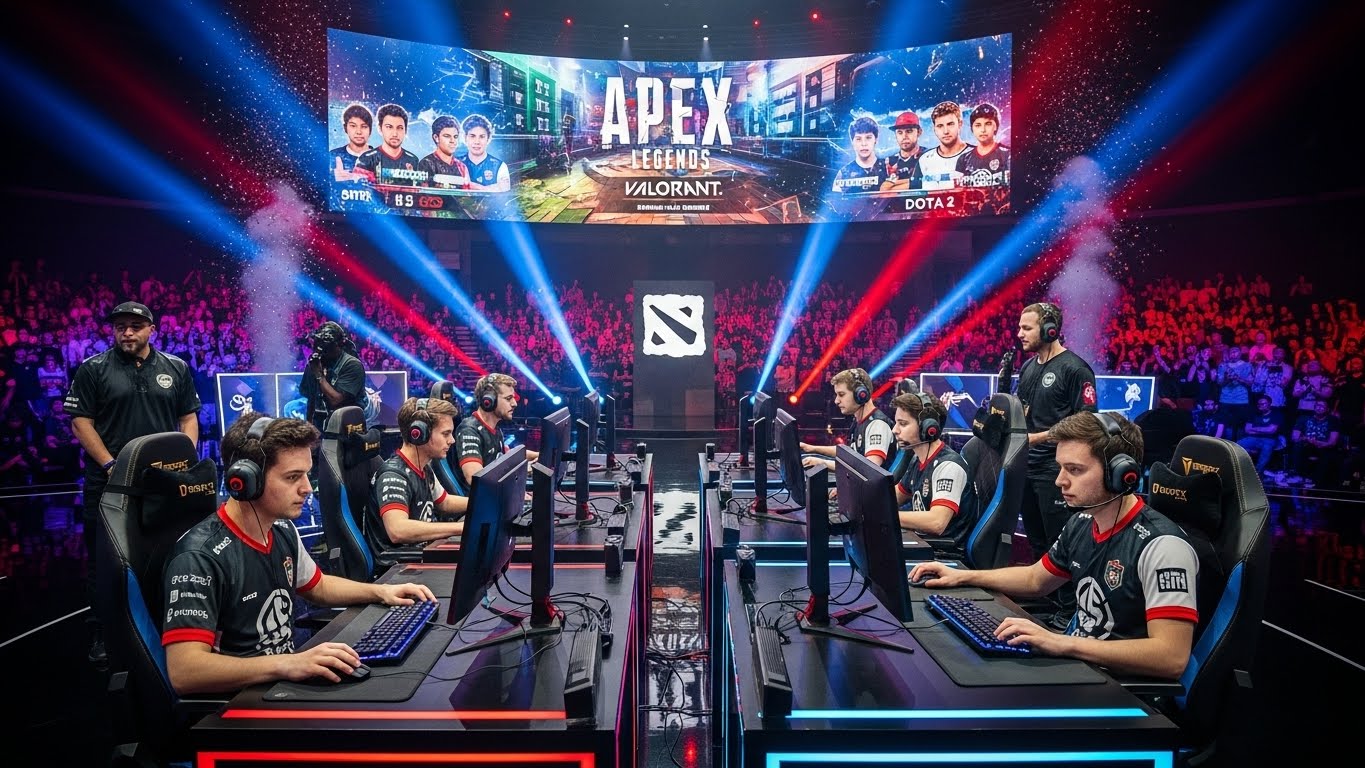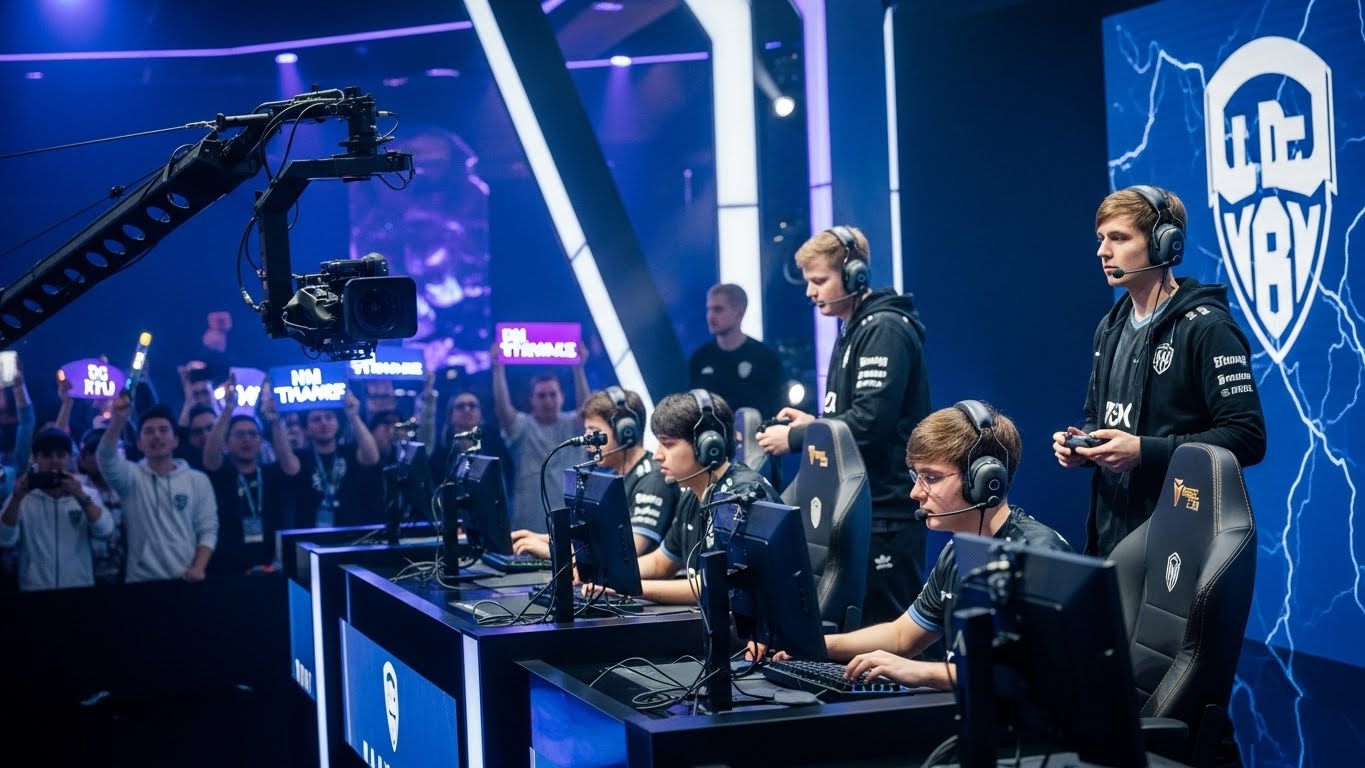
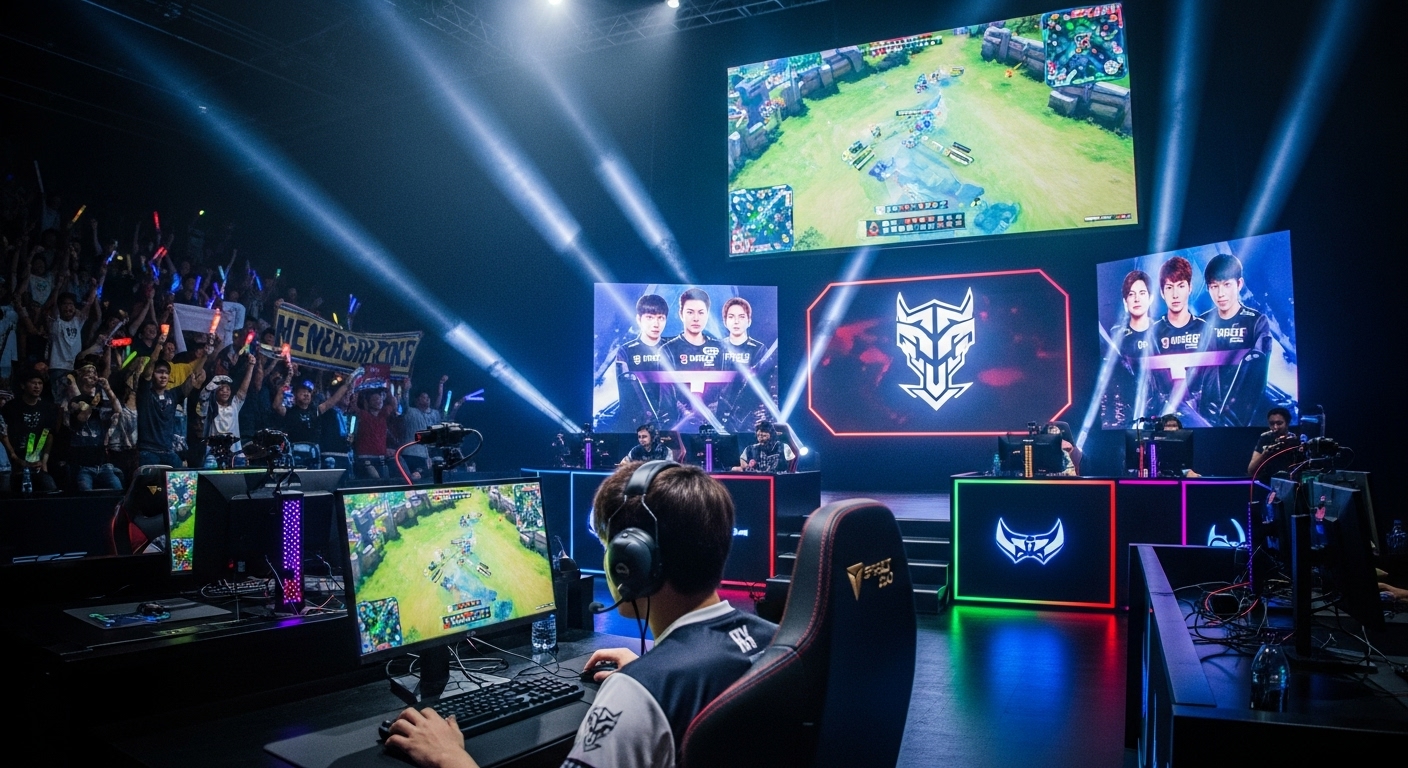
The esports industry has evolved from a niche community of passionate gamers into a global economic powerhouse that rivals traditional sports in viewership, engagement, and profitability. One of the strongest pillars holding up this multibillion-dollar industry is sponsorship. Brands from around the world, ranging from energy drink companies to technology giants, have invested heavily in esports sponsorships to reach an audience that is young, digital, and highly engaged. The economics of esports sponsorships reveal a fascinating blend of marketing innovation, audience analytics, and cultural integration that is reshaping the way companies advertise and connect with consumers.
The Rise of Esports as a Commercial Force
In the early 2000s, esports was primarily grassroots. Players competed in internet cafés, community halls, and small online tournaments for little more than bragging rights or modest cash prizes. However, as broadband access improved and platforms like YouTube and Twitch emerged, esports rapidly transitioned from a pastime into a form of global entertainment. Games like League of Legends, Counter-Strike: Global Offensive, Dota 2, and Fortnite began hosting professional tournaments that drew millions of viewers.
As viewership grew, the attention of big brands naturally followed. Just as traditional sports rely on sponsors to fund teams and events, esports began attracting major companies looking to tap into its growing influence. Sponsorship became not just a revenue stream but also a validation of esports as a legitimate industry with financial potential.
Understanding the Esports Audience
At the core of esports sponsorship economics lies the audience. Esports fans are typically younger than traditional sports audiences, with most viewers between the ages of 16 and 35. This demographic is notoriously difficult for advertisers to reach through conventional media channels like television or print. However, they are highly active online, spending significant time on platforms such as Twitch, YouTube, Discord, and social media.
Sponsors recognize the value of engaging with this audience through the environments where they are most comfortable. Unlike passive TV viewers, esports fans interact directly with their favorite teams, players, and streamers, creating an ecosystem where engagement levels are remarkably high. For sponsors, this translates into an opportunity for meaningful brand interaction rather than simple exposure.
How Sponsorships Drive Esports Revenue
The economics of esports sponsorships revolve around mutual benefit. For esports organizations, sponsorships provide the funding necessary to pay players, develop infrastructure, and organize events. For brands, they offer exposure to millions of potential customers in a dynamic digital environment.
In most cases, sponsorships are the largest single source of income for esports organizations. Teams like Team Liquid, Cloud9, and Fnatic rely heavily on deals with companies such as Red Bull, Monster Energy, Intel, and Logitech. These partnerships may include logo placement on jerseys, sponsored content, event naming rights, and digital campaigns.
For example, an energy drink company might sponsor a team, placing its logo on player uniforms, in-game overlays, and social media posts. In return, the company benefits from brand association with the excitement, intensity, and community spirit of esports. This association can be especially powerful for brands seeking to build credibility among younger consumers who value authenticity and entertainment.
Types of Esports Sponsorships
Esports sponsorships come in many forms, and their structure often depends on the objectives of the sponsoring brand. The most common types include:
- Team Sponsorships – Brands sponsor entire esports organizations or specific teams. This provides consistent brand visibility across tournaments, streams, and content. Examples include partnerships between car manufacturers and top-tier teams or collaborations between tech companies and player organizations.
- Tournament Sponsorships – Major events such as The International or League of Legends World Championship attract millions of viewers, making them prime opportunities for sponsors to advertise. These deals often include naming rights, product placements, and branded segments.
- Player Sponsorships – Similar to individual athlete endorsements, star players often partner directly with brands. They may promote products on social media, during streams, or in exclusive collaborations.
- In-Game Sponsorships – Some games integrate sponsors directly into gameplay through branded skins, virtual billboards, or special items. This method blends marketing with entertainment in an organic way that appeals to gamers.
- Content Sponsorships – Streaming and content creation are central to esports culture. Brands sponsor creators to promote their products during live streams, videos, or social media campaigns.
The Economics Behind Sponsorship Valuation
Determining the value of an esports sponsorship is both an art and a science. Traditional metrics like television ratings are replaced by digital analytics that track impressions, engagement, and conversions. Brands analyze factors such as:
- Audience Reach – How many unique viewers watch tournaments or follow a team.
- Engagement Rate – The level of interaction, including chat participation, likes, shares, and comments.
- Demographics – Age, gender, region, and interests of the audience.
- Brand Integration Opportunities – How naturally the brand can be incorporated into the gaming experience or community culture.
Many sponsors also consider the long-term potential of esports. The global esports audience is projected to keep expanding, with new markets in Asia, the Middle East, and Latin America showing strong growth. Brands investing early aim to secure loyalty and market dominance before competitors enter.
The Role of Data and Analytics
Esports sponsorships thrive on data. Every second of a broadcast generates measurable insights into viewership behavior, demographics, and sentiment. Unlike traditional advertising, esports allows brands to monitor real-time performance. If a particular campaign isn’t performing well, sponsors can adjust messaging, visuals, or timing instantly.
This data-driven approach has made esports sponsorships more efficient and appealing. Companies can quantify their return on investment with precision. Tools that measure audience attention, brand mentions, and conversion rates are now standard practice in evaluating esports sponsorships.
The Integration of Technology and Branding
Technology companies have naturally become some of the biggest sponsors in esports because their products are directly linked to gaming. Brands like Intel, NVIDIA, and AMD sponsor tournaments, teams, and streamers to showcase their latest innovations. This form of sponsorship is not just marketing but also product demonstration.
Hardware and software companies benefit from showcasing performance during live events. For example, a high-performance graphics card company might sponsor a major tournament, emphasizing that professional players use their technology for top-tier gameplay. The result is both brand credibility and consumer trust.
Non-endemic brands—those not directly related to gaming—also find success through creative integration. Car manufacturers, financial institutions, and even fashion brands are entering esports with fresh approaches. They sponsor lifestyle content, create limited-edition merchandise, or host virtual events to connect with fans in authentic ways.
Globalization and Market Expansion
The economics of esports sponsorships are global. While early growth was concentrated in North America, Europe, and East Asia, new regions are emerging as major players. Southeast Asia, the Middle East, and South America are witnessing explosive growth in both player participation and audience engagement.
Global brands see esports as an effective gateway to these markets. Sponsorships allow them to localize their campaigns while maintaining a consistent global identity. For instance, a brand might sponsor regional tournaments in Asia to appeal to local audiences, while also supporting global championships for international visibility.
Challenges in Esports Sponsorships
Despite the enormous potential, esports sponsorships come with unique challenges. One of the main issues is fragmentation. Unlike traditional sports, esports lacks a unified governing body. Each game has its own ecosystem, rules, and audience, which makes it difficult for sponsors to create universal campaigns across multiple titles.
Another challenge is audience authenticity. Gamers are highly sensitive to inauthentic marketing. Overly intrusive or irrelevant sponsorships can backfire, leading to community backlash. Brands must understand the culture of gaming and integrate in ways that respect the players and fans.
Additionally, fluctuating game popularity poses a risk. A sponsor investing heavily in a specific title might face declining returns if the game’s player base diminishes or if new games dominate the scene. Sponsors need flexibility and adaptability to navigate the fast-changing esports landscape.
Esports Organizations and Brand Partnerships
Professional esports organizations play a vital role in shaping sponsorship strategies. Teams are not just competitive entities—they are also media brands that produce content, merchandise, and community experiences. Successful organizations like T1, G2 Esports, and 100 Thieves combine competition with lifestyle branding, making them ideal partners for diverse sponsors.
These organizations often provide sponsors with multi-layered benefits, including exposure across tournaments, social media platforms, and merchandise lines. Some even collaborate with sponsors to design co-branded apparel or digital content, blurring the lines between marketing and entertainment.
Sponsorships Beyond Advertising
Modern esports sponsorships go beyond simple logo placements. Many have evolved into deep, strategic partnerships that contribute to community development and industry growth. Sponsors now support training facilities, educational programs, and diversity initiatives within esports.
For example, technology companies may sponsor training centers to help aspiring players develop professional skills. Financial institutions might create scholarship programs for young gamers pursuing careers in esports management. These initiatives not only enhance brand image but also contribute to the long-term sustainability of the industry.
The Impact on the Esports Ecosystem
Sponsorship money flows through the entire esports ecosystem, influencing players, teams, event organizers, and game developers. This financial support enables tournaments to offer larger prize pools, improves production quality, and helps players pursue full-time careers.
Players benefit directly from sponsorships through salaries, bonuses, and access to better facilities. Teams use sponsor funding to expand operations, hire staff, and engage fans through high-quality content. Organizers rely on sponsor revenue to host events that attract both live and online audiences.
Ultimately, sponsorships create a cycle of growth. The more sponsors invest, the higher the quality of esports content, which in turn attracts more fans—and therefore more sponsors.
The Future of Esports Sponsorship Economics
Looking ahead, the economics of esports sponsorships are expected to grow more sophisticated. As technology evolves, so will the ways brands engage with audiences. Virtual reality, augmented reality, and artificial intelligence are likely to open new dimensions for immersive sponsorship experiences.
Blockchain technology may also play a role, particularly in fan engagement and transparent data tracking. Tokenized fan rewards, digital collectibles, and decentralized sponsorship agreements could reshape how value is exchanged in esports.
Moreover, as traditional sports continue to converge with esports through cross-promotional events and hybrid tournaments, sponsors will gain even more diverse opportunities. The future of esports sponsorships lies in blending entertainment, innovation, and community to create shared value for all stakeholders.
Conclusion
The economics of esports sponsorships represent a complex yet thriving ecosystem built on creativity, data, and collaboration. Sponsors are not merely advertisers—they are partners in a movement that is redefining the boundaries of sports and entertainment.
From local teams to international tournaments, esports sponsorships fuel growth, innovation, and opportunity across the industry. They connect brands with passionate audiences in ways that are more interactive and measurable than ever before.