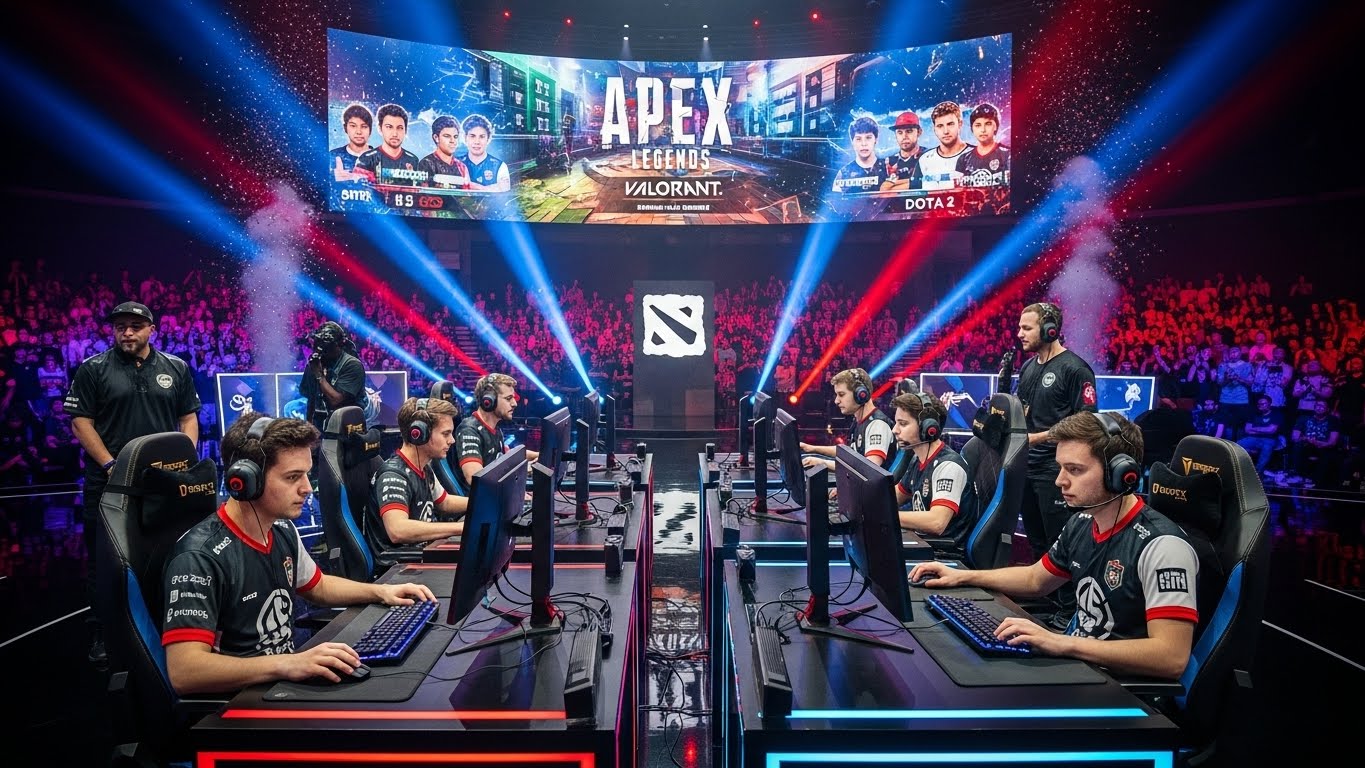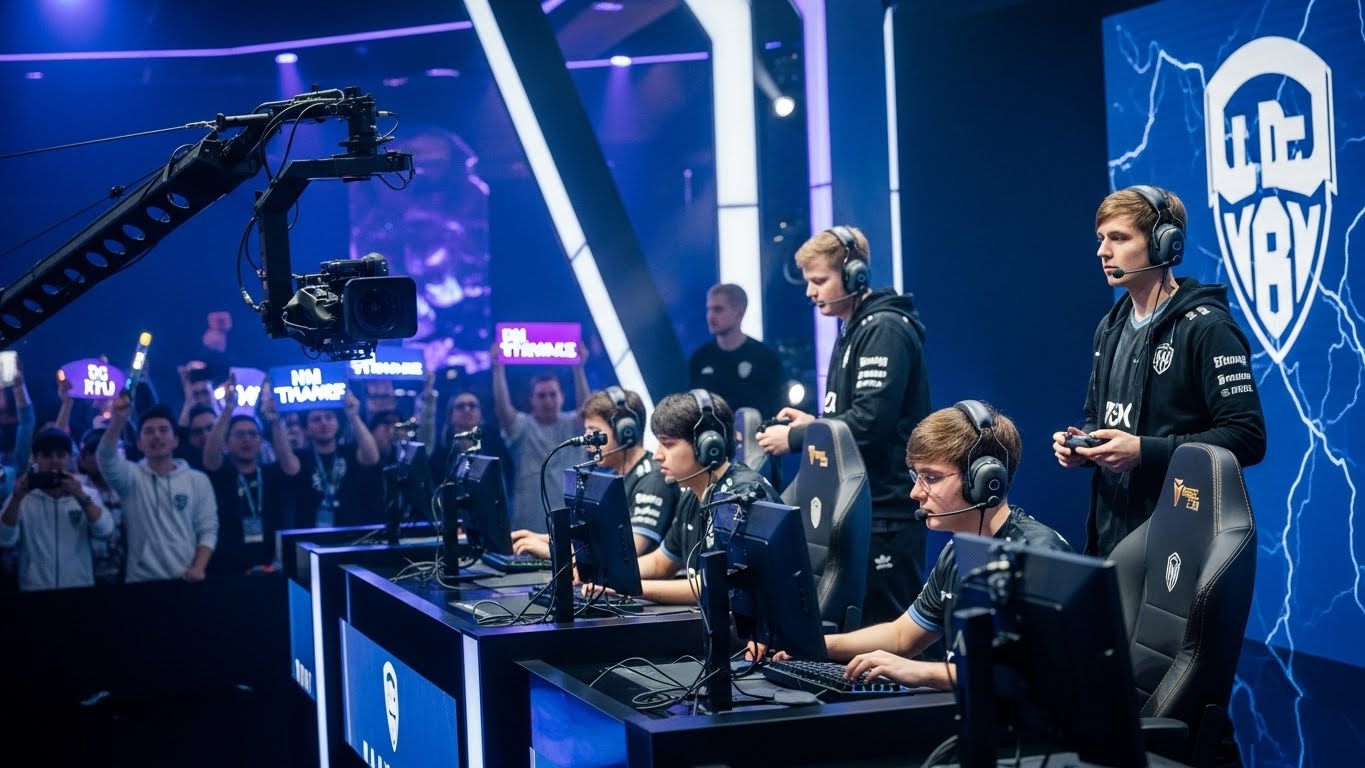
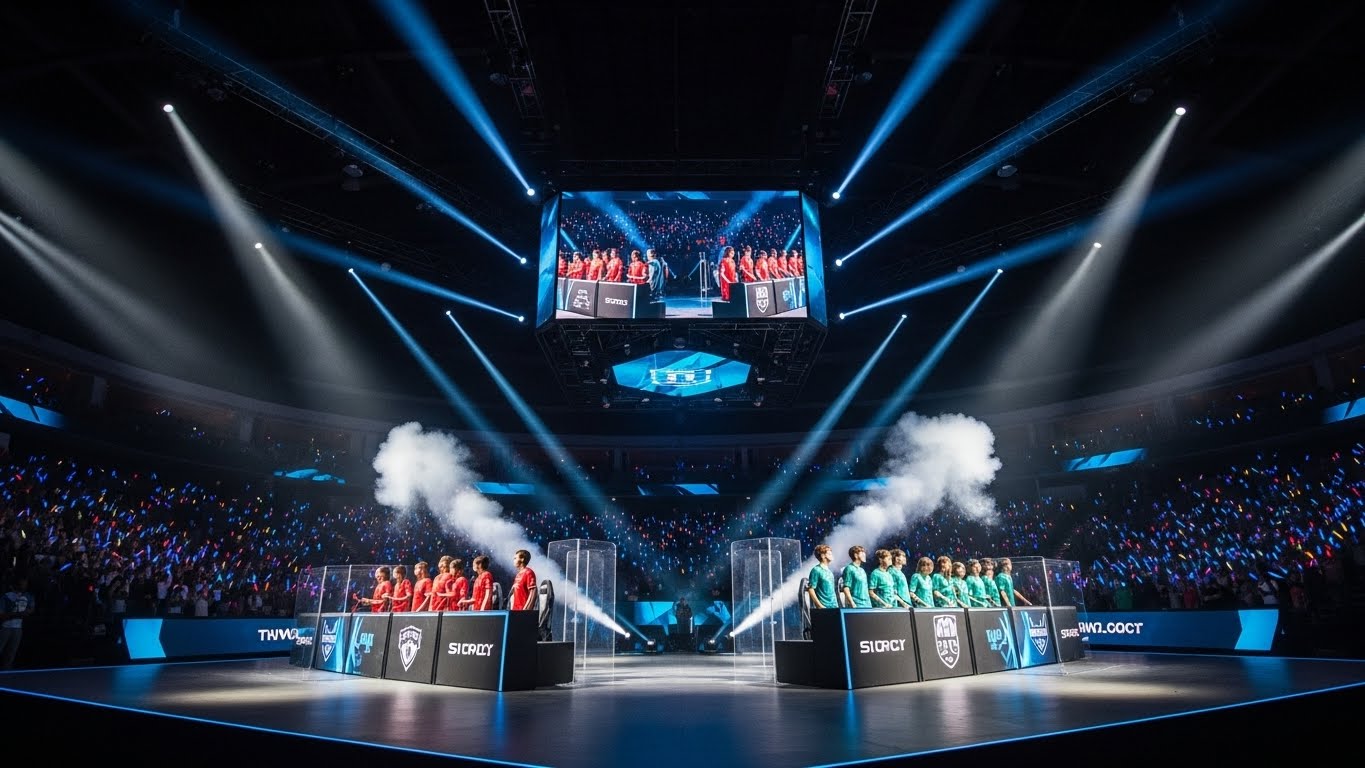
Esports has emerged as one of the most influential developments in modern entertainment. What began as friendly competitions among gamers has transformed into a global industry featuring professional players, massive tournaments, and millions of devoted fans. Esports is no longer confined to bedrooms or internet cafés; it now occupies stadiums, universities, and mainstream media. This digital revolution has reshaped how competition is defined, how careers are built, and how communities connect across the world.
The Origins of Competitive Gaming
The roots of esports trace back to the early days of video gaming when players competed for high scores on arcade machines. These early contests were informal, often held in small local venues, but they planted the seeds of competition. As technology advanced, multiplayer gaming became more accessible, allowing players to compete against each other through local networks and eventually the internet.
The introduction of online connectivity marked a turning point. Players from different cities and countries could now compete in real time. Competitive gaming communities formed around popular titles, organizing tournaments and developing rulesets. Over time, these grassroots efforts evolved into structured competitions, laying the foundation for modern esports.
The Growth of Esports into a Global Industry
Esports experienced rapid growth as game developers began supporting competitive play. Games were designed with balance, strategy, and spectator appeal in mind. This shift attracted sponsors, advertisers, and investors, transforming esports into a legitimate industry.
Professional leagues emerged, offering players contracts, salaries, and training facilities. Tournaments grew in scale, drawing international audiences and generating significant revenue. Today, esports events rival traditional sports in viewership, proving that digital competition has earned its place on the global stage.
Understanding the Esports Ecosystem
The esports world is supported by a diverse ecosystem that extends far beyond players. Teams operate as professional organizations with managers, coaches, analysts, and support staff. These professionals work together to refine strategies, analyze performance, and maintain player well-being.
Game developers maintain competitive integrity by updating games and ensuring fair play. Tournament organizers handle logistics, production, and event management, creating experiences that appeal to both live audiences and viewers at home. Fans play a crucial role as well, contributing to the culture, popularity, and longevity of esports through their passion and engagement.
Skill, Strategy, and Training in Esports
Esports demands a high level of skill and discipline. Professional players train for hours each day, practicing mechanics, strategies, and teamwork. Reaction time, precision, and decision-making are critical, often determining the outcome of matches within seconds.
Team-based esports require strong communication and coordination. Players must understand their roles and adapt to constantly changing situations. Mental preparation is just as important as technical skill, as players face intense pressure during high-stakes competitions. Esports training is rigorous, structured, and comparable to that of traditional athletes.
Physical and Mental Health in Competitive Gaming
Although esports is digitally based, physical health plays an important role in performance. Long hours of practice can lead to strain and fatigue if not managed properly. Professional teams increasingly emphasize physical exercise, proper posture, and healthy routines to support player longevity.
Mental health is a growing focus within esports. The pressure to perform, public scrutiny, and demanding schedules can affect emotional well-being. Organizations are recognizing the importance of mental resilience, offering support systems that help players manage stress and maintain balance. A healthy mind and body are now seen as essential components of success in esports.
Esports as a Social and Cultural Movement
Esports has become a powerful social force, connecting people across cultures, languages, and backgrounds. Online platforms allow fans to interact with players, discuss strategies, and share experiences. This sense of community is one of the defining features of esports culture.
For many young people, esports represents identity and belonging. It offers an alternative space where skill and dedication matter more than physical attributes. Esports culture celebrates creativity, diversity, and innovation, reflecting the values of a digital generation that thrives on connectivity and collaboration.
Career Opportunities Beyond Playing
While professional players often receive the most attention, esports offers a wide range of career paths. Coaching, commentary, event management, marketing, content creation, and game development are just a few of the roles that support the industry.
Educational institutions are beginning to recognize esports as a legitimate field of study, offering programs focused on management, production, and technology. These opportunities demonstrate that esports is not just a dream for elite players but a broad industry with sustainable career options.
The Economic Impact of Esports
Esports has become a significant economic contributor, generating revenue through sponsorships, merchandise, advertising, and event hosting. Large tournaments attract international visitors, boosting local economies and creating jobs.
Businesses across various sectors are investing in esports, recognizing its ability to engage younger audiences. This economic growth has encouraged further development, leading to better infrastructure, higher production values, and increased professional standards across the industry.
Women and Inclusivity in Esports
The esports landscape is gradually becoming more inclusive. Women are gaining visibility as players, coaches, and industry leaders. While challenges remain, efforts to create inclusive environments are helping to break down barriers and challenge stereotypes.
Initiatives that promote diversity and fair competition are reshaping esports culture. By valuing talent and dedication over gender or background, esports continues to evolve into a more representative and welcoming space for all participants.
Technological Innovation Driving Esports Forward
Technology is the backbone of esports. Advancements in hardware, software, and connectivity have enhanced both gameplay and viewing experiences. High-quality visuals, real-time analytics, and immersive broadcasts make esports more engaging than ever.
Emerging technologies such as virtual reality and artificial intelligence hold the potential to redefine competition and training. These innovations ensure that esports remains dynamic, continually pushing the boundaries of what digital competition can achieve.
The Future of Esports
The future of esports is filled with opportunity. As global access to technology improves, new regions and communities will join the competitive scene. Esports is likely to continue integrating with education, entertainment, and traditional sports, creating hybrid experiences that attract diverse audiences.
Sustainability and player well-being will play a larger role in shaping the industry’s direction. With continued investment and innovation, esports is positioned to remain a defining element of modern culture for generations to come.
Conclusion
Esports represents a new era of competition where digital skill, strategy, and creativity take center stage. It has transformed gaming into a global phenomenon that influences culture, economy, and social interaction. Beyond entertainment, esports offers opportunities for connection, career growth, and personal development.
As technology advances and communities expand, esports will continue to challenge traditional ideas of sports and competition. It is more than a trend or pastime; it is a powerful expression of human ambition in the digital age, proving that competition knows no boundaries, whether physical or virtual.