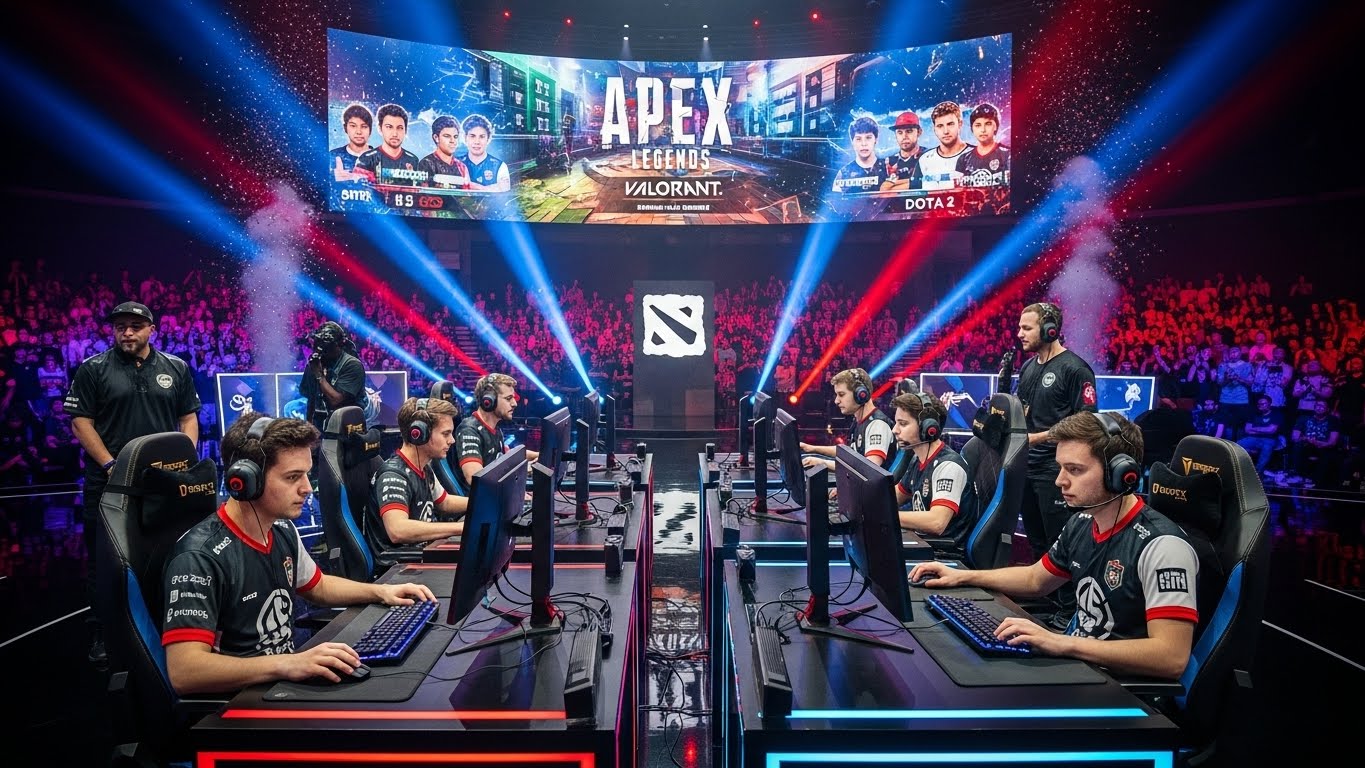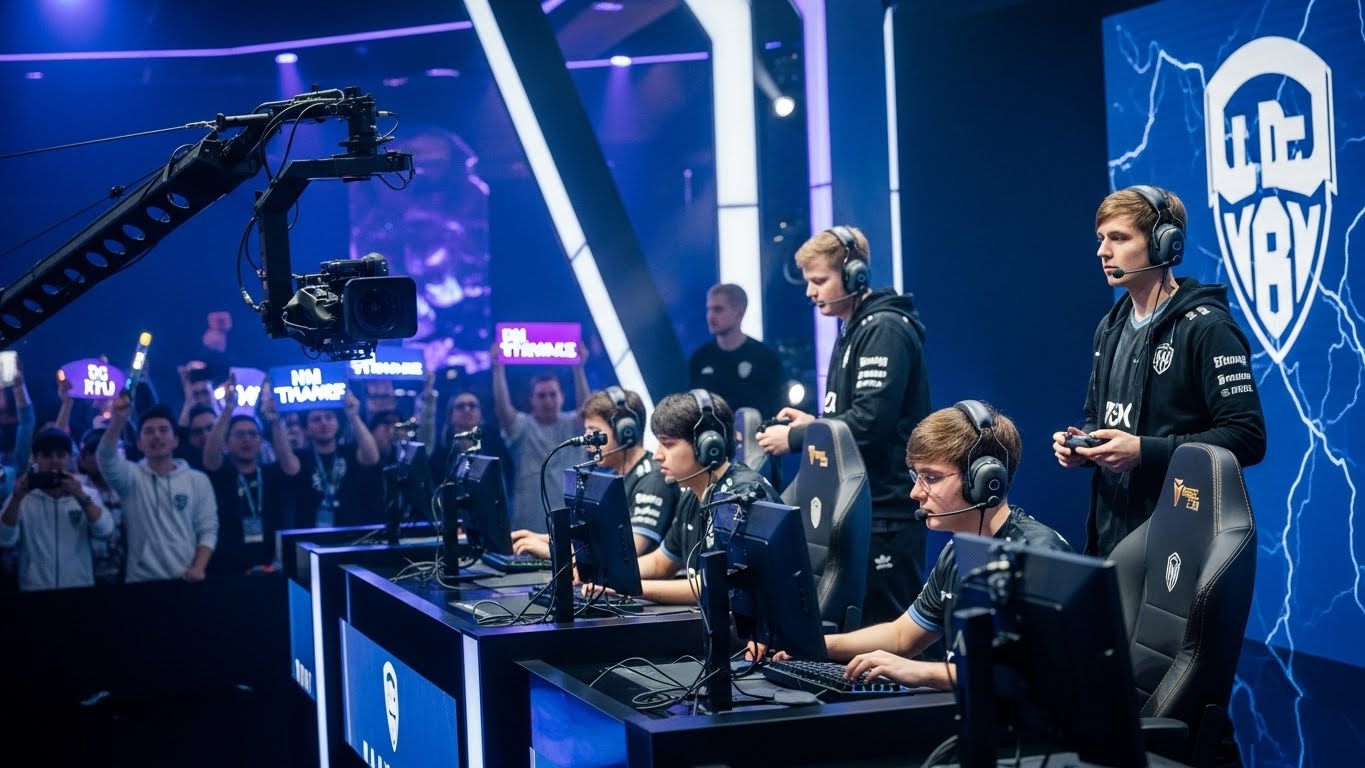
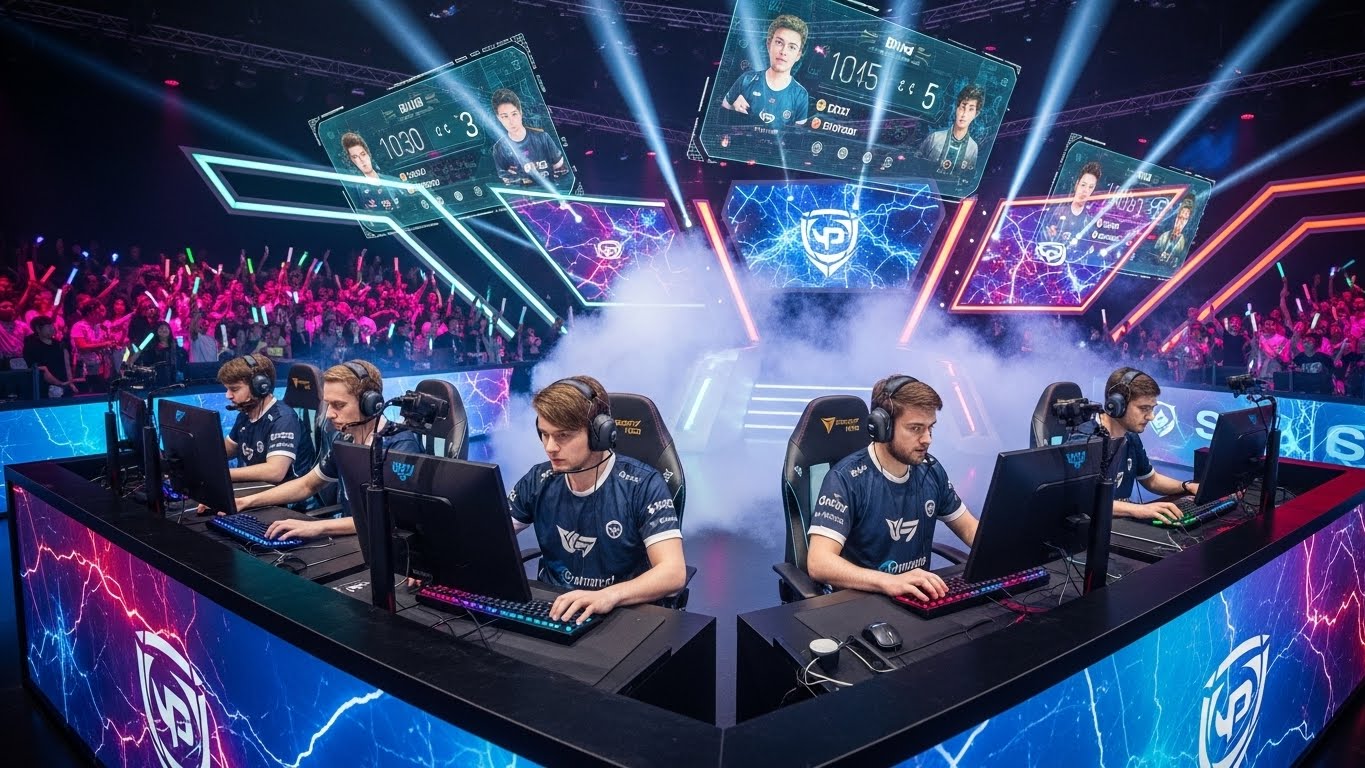
Esports has rapidly evolved from casual gaming sessions into a global competitive spectacle. What was once considered a pastime has become a professional industry that combines skill, strategy, technology, and entertainment. Today, esports commands massive audiences, creates international stars, and offers career paths that rival traditional sports. This transformation reflects broader changes in digital culture and how competition is defined in the modern era.
The Early Foundations of Esports
The roots of esports lie in the early days of video gaming when players competed for high scores in arcades. These early competitions were informal, driven by curiosity and passion rather than professional ambition. Players challenged friends, shared strategies, and built small communities around their favorite games.
As home consoles and personal computers became more accessible, competitive gaming expanded. Multiplayer games introduced the concept of structured competition, allowing players to test their skills against others beyond their immediate surroundings. These early experiences laid the groundwork for organized esports by fostering competitive spirit and community engagement.
The Transition from Hobby to Profession
Esports began its transition into a professional field with the rise of internet connectivity. Online multiplayer games allowed players from different regions to compete in real time, leading to the formation of organized tournaments. As viewership increased, sponsors and investors recognized esports as a viable industry.
Professional teams emerged, complete with training schedules, coaches, and management structures. Players signed contracts, earned salaries, and competed for significant prize pools. This professionalization changed public perception, positioning esports as a legitimate competitive discipline rather than a casual activity.
Understanding the Esports Ecosystem
Esports thrives within a complex ecosystem that extends far beyond the players. Teams rely on coaches, analysts, and support staff to optimize performance. Tournament organizers coordinate events, ensure fair competition, and deliver engaging experiences for spectators.
Game developers play a crucial role by maintaining balance, releasing updates, and supporting competitive formats. Broadcasters and commentators bring matches to life for audiences, while fans contribute energy, loyalty, and cultural identity. Together, these elements form a dynamic ecosystem that sustains esports growth.
Skill and Strategy in Competitive Gaming
Esports demands a high level of skill and strategic thinking. Professional players train for hours each day to refine mechanics, reaction time, and game knowledge. Precision, consistency, and adaptability are essential for success in high-level competition.
Team-based esports emphasize communication and coordination. Players must understand their roles, anticipate opponents’ moves, and adjust strategies in real time. Mental resilience is equally important, as competitive matches require focus and emotional control under pressure.
Training and Discipline of Esports Athletes
Contrary to common stereotypes, esports athletes follow disciplined training routines. Practice sessions include mechanical drills, strategic reviews, and team coordination exercises. Coaches analyze gameplay footage to identify strengths and weaknesses, helping players improve performance.
Physical fitness is increasingly recognized as important. Many teams encourage exercise, stretching, and healthy habits to maintain endurance and prevent injury. Mental preparation, including stress management and confidence building, is also essential for peak performance.
Technology as the Backbone of Esports
Technology is fundamental to esports. High-performance hardware ensures smooth gameplay, while reliable internet connectivity enables fair competition. Advancements in graphics, audio, and processing power enhance both player experience and spectator enjoyment.
Streaming and broadcast technology allows millions of fans to watch esports events live. Innovations in data analysis and artificial intelligence support player training and performance evaluation. Esports not only benefits from technology but also drives innovation across digital industries.
The Social and Cultural Impact of Esports
Esports has become a powerful cultural force, especially among younger generations. Online communities connect fans across the globe, creating shared identities and traditions. Players become role models, influencing fashion, language, and lifestyle.
Esports also promotes inclusivity by removing many physical barriers associated with traditional sports. Individuals from different backgrounds can compete on equal footing, fostering diversity and international collaboration. This global nature makes esports a unique platform for cultural exchange.
Career Opportunities Beyond Playing
While professional players often receive the most attention, esports offers numerous career paths. Coaches, analysts, commentators, event organizers, marketers, and content creators are all essential to the industry’s success. Technical roles such as software development and production management also play a critical role.
Educational institutions are beginning to offer programs related to esports management, game design, and digital media. These opportunities demonstrate that esports is not just a short-term trend but a sustainable professional field with long-term potential.
Economic Growth and Industry Influence
Esports has grown into a multi-billion-dollar industry with global reach. Revenue streams include sponsorships, advertising, merchandise, media rights, and ticket sales. Large tournaments stimulate local economies by attracting tourism and creating employment opportunities.
Major brands invest in esports to connect with engaged audiences. This commercial interest supports infrastructure development and professional standards, further legitimizing esports as a major economic force within the entertainment and technology sectors.
Women and Diversity in Esports
Diversity and inclusion are becoming increasingly important within esports. Women are gaining visibility as players, commentators, and industry leaders. Efforts to promote equal opportunity and respectful environments are helping to reduce barriers and encourage participation.
Representation matters in shaping perceptions and inspiring future competitors. As esports continues to prioritize talent and dedication, it moves closer to becoming a fully inclusive competitive space that reflects the diversity of its global audience.
Ethical Challenges and Competitive Integrity
As esports grows, it faces ethical challenges related to fairness and conduct. Issues such as cheating, unsportsmanlike behavior, and online harassment require constant attention. Developers and organizers implement rules, monitoring systems, and penalties to uphold competitive integrity.
Player welfare is also a key concern. Managing workload, protecting mental health, and ensuring fair treatment are essential for sustainable careers. Addressing these challenges strengthens trust and supports long-term growth within the industry.
The Future of Esports
The future of esports holds immense promise. Emerging technologies such as virtual reality, augmented reality, and cloud gaming may redefine competition and audience engagement. Greater integration with education and traditional sports could expand esports’ reach even further.
As infrastructure improves and global participation increases, esports will continue to influence entertainment, technology, and culture. Its adaptability and innovation position it as a defining feature of modern digital society.
Conclusion
Esports has transformed from a niche hobby into a global competitive phenomenon. It combines skill, strategy, and technology to create a unique form of sport that resonates with modern audiences. Beyond entertainment, esports offers career opportunities, fosters global communities, and drives technological advancement.
From small local competitions to international arenas, esports reflects the evolution of competition in the digital age. As it continues to grow and mature, esports will remain a powerful platform for talent, innovation, and connection, redefining what it means to compete in the modern world.