Introduction
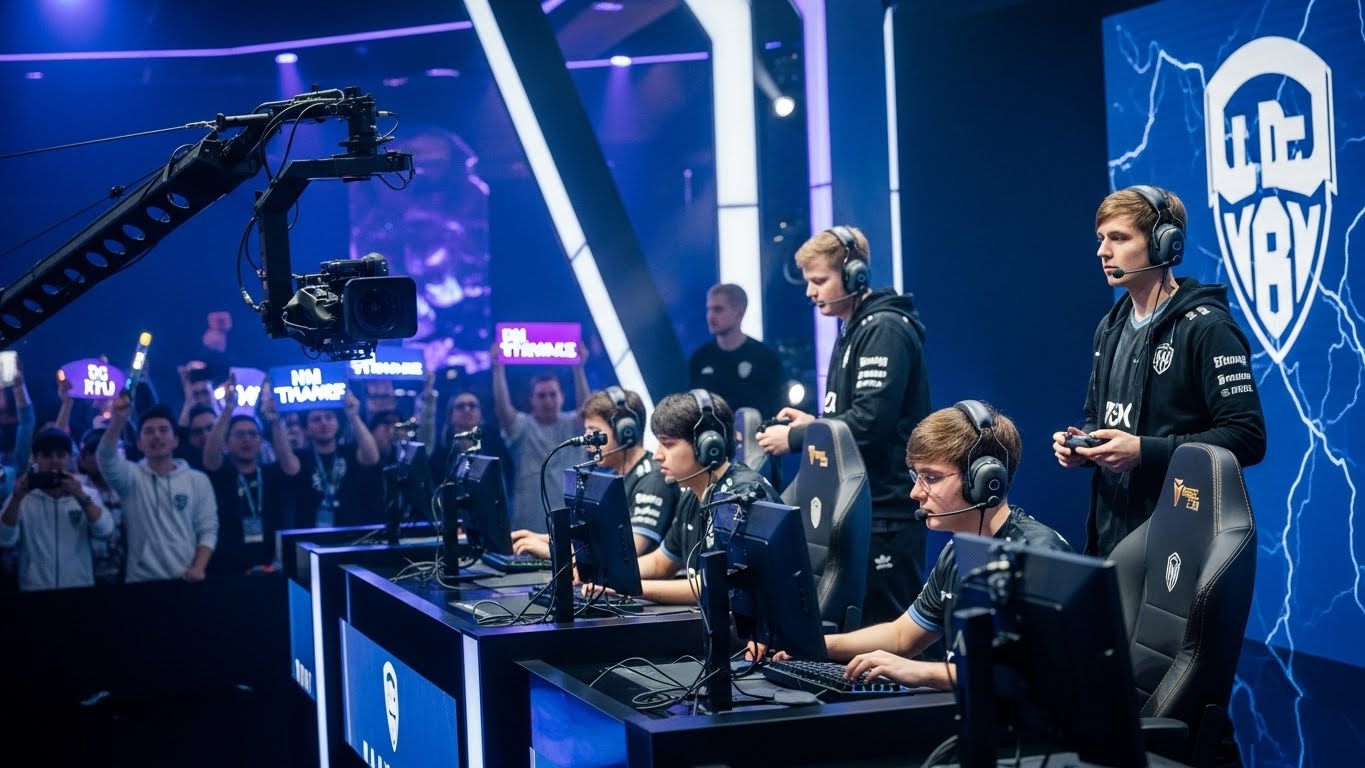
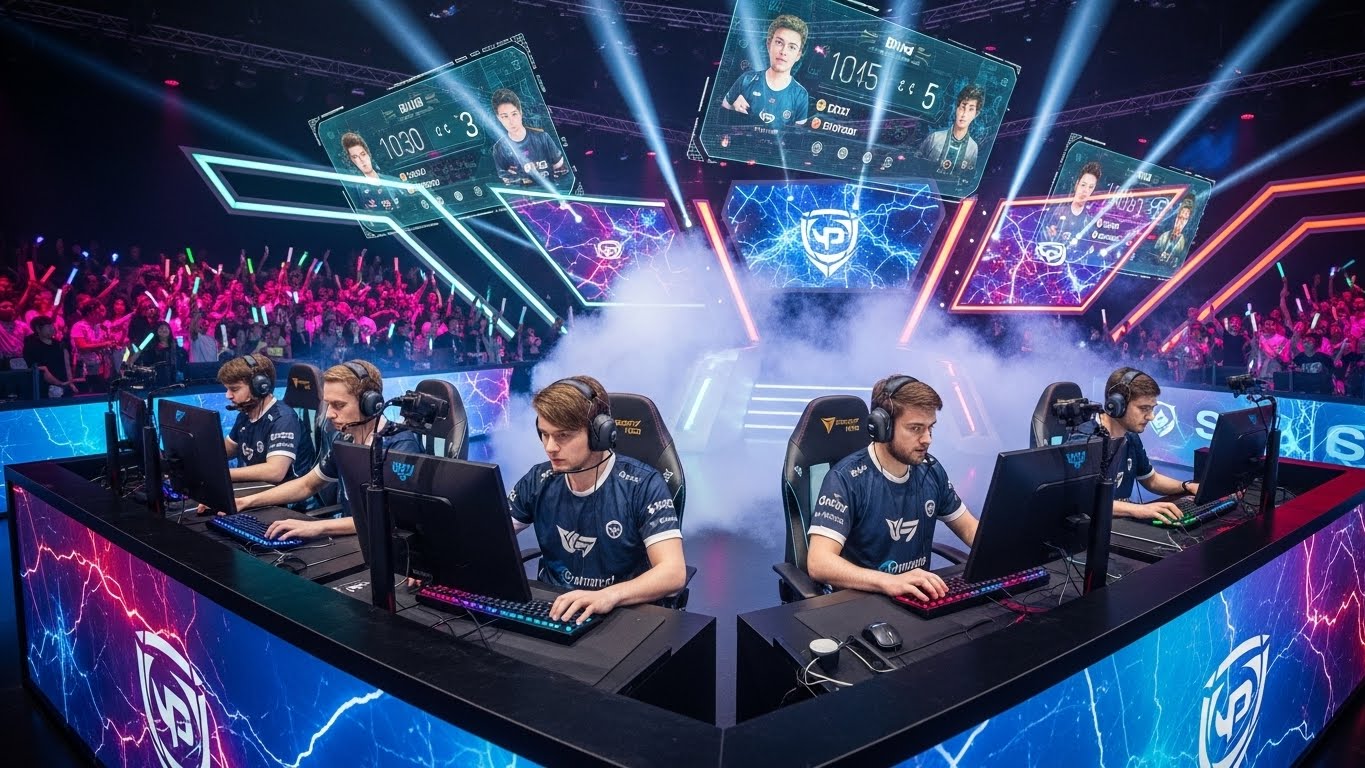
Esports has rapidly evolved into one of the most influential forms of entertainment in the modern world. What once existed as informal gaming competitions among friends has transformed into a global industry featuring professional athletes, massive tournaments, and millions of dedicated fans. Esports represents more than competitive gaming; it is a cultural movement driven by technology, creativity, and community.
As digital platforms continue to redefine how people interact and consume entertainment, esports stands at the forefront of this transformation. This blog explores the origins of esports, its structure, cultural importance, economic impact, challenges, and what the future holds for competitive gaming.
The Early Beginnings of Esports
The foundations of esports were laid long before the term itself became popular. In the early days of video games, players competed for high scores in arcades, often recording their achievements on leaderboards. These simple competitions sparked a sense of rivalry and pride, planting the seeds for organized gaming.
As gaming moved into homes through consoles and personal computers, multiplayer experiences became more common. Local area network gaming allowed players to compete face-to-face, creating early gaming communities. The rise of the internet was a turning point, enabling players from different regions to compete online and form global connections.
Defining Esports in the Modern Era
Esports refers to organized, competitive video gaming where individuals or teams compete under standardized rules in structured environments. Unlike casual gaming, esports requires dedication, discipline, and advanced skill. Professional players train extensively, often following routines similar to traditional athletes.
Teams are supported by coaches, analysts, and managers who help refine strategies and performance. Tournaments are governed by leagues and organizations that ensure fairness and professionalism. This level of organization has solidified esports as a legitimate competitive discipline.
Popular Esports Genres and Competitive Games
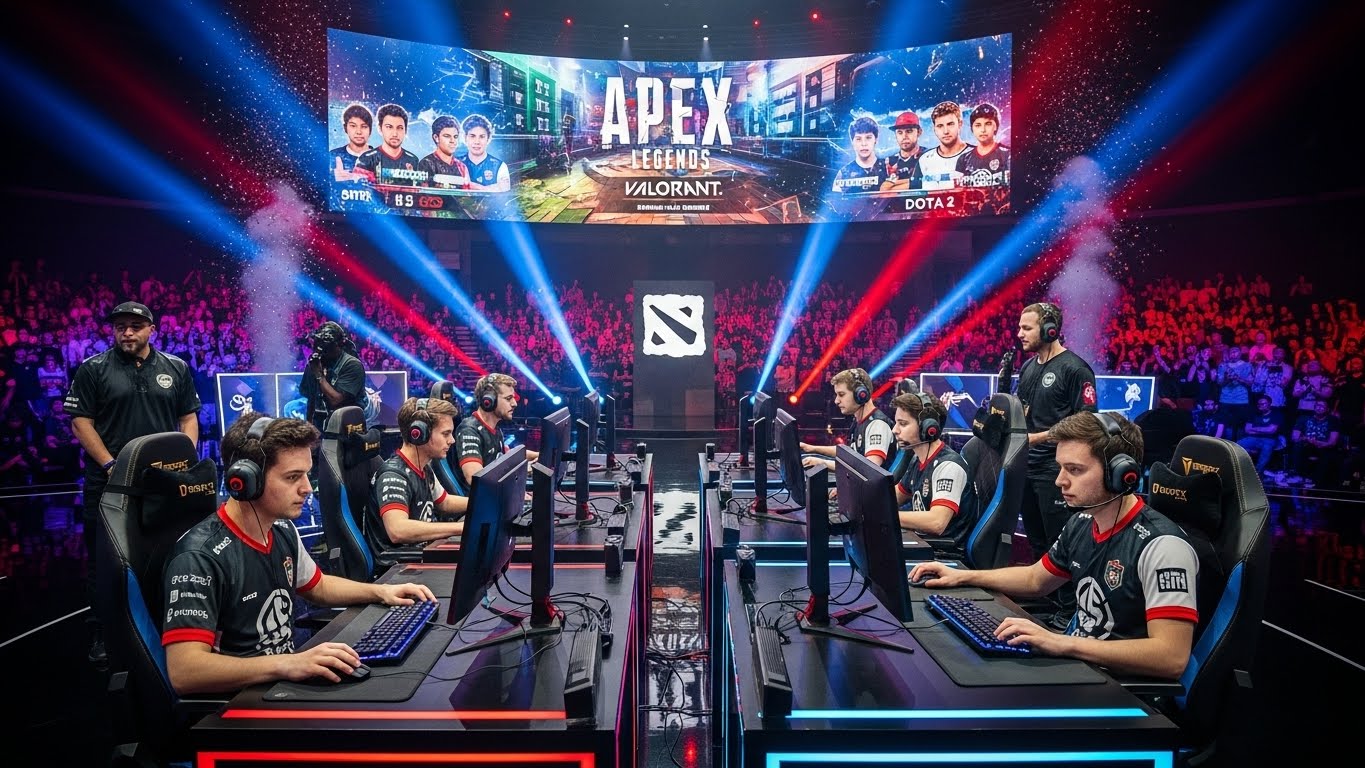
Esports includes a wide variety of game genres, each offering unique challenges and viewing experiences. Multiplayer online battle arena games emphasize teamwork, map control, and strategic coordination. First-person shooters focus on precision, reflexes, and tactical execution. Real-time strategy games reward planning, adaptability, and resource management.
Fighting games highlight individual skill, timing, and mental composure, while sports simulation games digitally replicate traditional athletic competitions. This diversity allows esports to attract audiences with different interests and play styles, contributing to its widespread popularity.
The Esports Industry Ecosystem
The esports industry operates as a complex and interconnected ecosystem. Players are at the center, providing skill and entertainment. Teams invest in talent, training facilities, and branding to build loyal fan bases. Tournament organizers design events that showcase high-level competition and attract global audiences.
Content creators, commentators, and broadcasters play a crucial role in making esports accessible and engaging. Sponsors and advertisers support the industry financially, recognizing the value of connecting with digitally native audiences. Together, these elements create a sustainable and rapidly growing industry.
Technology as the Backbone of Esports
Technology is fundamental to the success of esports. High-speed internet, powerful gaming hardware, and advanced software enable seamless global competition. Streaming platforms allow fans to watch matches live, interact with players, and participate in online communities.
Game developers shape the esports landscape by balancing gameplay, introducing competitive features, and supporting professional scenes. Innovations in data analytics, virtual reality, and broadcast production continue to enhance both player performance and viewer experience.
Esports and Global Youth Culture
Esports has become deeply embedded in youth culture. For younger generations, gaming is not just entertainment but a form of social connection and self-expression. Esports athletes serve as role models, demonstrating that passion for gaming can lead to professional success.
Fan communities form around teams and players, creating a strong sense of belonging. Fashion, language, and online trends influenced by esports culture continue to shape digital identities. This cultural impact extends beyond gaming, influencing music, media, and lifestyle choices.
Education and Career Opportunities in Esports
The growth of esports has opened new educational pathways. Schools and universities now offer esports programs, competitive teams, and scholarships. These initiatives recognize the valuable skills developed through esports, such as teamwork, communication, strategic thinking, and problem-solving.
Career opportunities extend far beyond professional play. Coaching, event management, marketing, content creation, broadcasting, and game development are just some of the roles available. As the industry expands, esports continues to create diverse and sustainable career paths.
Health and Performance in Competitive Gaming
Professional esports players face significant physical and mental demands. Long practice sessions can lead to fatigue, eye strain, and posture-related issues. To maintain peak performance, players increasingly focus on physical fitness, proper nutrition, and rest.
Mental resilience is equally important. Players must handle pressure, maintain focus, and adapt quickly to changing game situations. Teams now prioritize psychological training and well-being, recognizing that sustained success depends on a balanced and healthy lifestyle.
Challenges and Ethical Considerations
Despite its rapid growth, esports faces several challenges. Ensuring fair play and preventing cheating are ongoing concerns. Player burnout, contract disputes, and career longevity also require attention as the industry matures.
Public perception remains a hurdle in some regions, where esports is still viewed as less legitimate than traditional sports. Addressing these challenges requires strong governance, ethical standards, and a commitment to professionalism across all levels of competition.
The Economic Impact of Esports
Esports has become a significant economic force. Major tournaments attract large audiences and generate revenue through sponsorships, merchandise, and media rights. Host cities benefit from tourism, while brands gain access to global and engaged audiences.
The industry also supports grassroots initiatives, local gaming communities, and amateur leagues. This economic ecosystem continues to expand, contributing to job creation and technological innovation worldwide.
Esports as a Global Connector
One of the most powerful aspects of esports is its global reach. Players from different countries compete on equal footing, breaking down geographical and cultural barriers. International tournaments bring together diverse communities united by a shared love of competition.
Esports fosters cross-cultural exchange and understanding, demonstrating how digital platforms can connect people across the world. This global nature strengthens esports’ role as a unifying and inclusive form of entertainment.
The Future of Esports
The future of esports is filled with potential. Advancements in technology will further enhance gameplay, broadcasting, and fan engagement. Interactive viewing experiences, immersive environments, and improved analytics will redefine how esports is played and watched.
Sustainable growth will depend on prioritizing player welfare, inclusivity, and ethical governance. As esports continues to integrate into mainstream culture, it will influence how future generations view competition, entertainment, and digital interaction.
Conclusion
Esports has grown from humble beginnings into a global phenomenon that reflects the spirit of the digital age. It combines competition, technology, and community to create an experience that resonates with millions worldwide. Beyond games and tournaments, esports represents opportunity, innovation, and connection.
As the arena of competitive gaming continues to evolve, esports will remain a powerful force shaping entertainment, culture, and careers. Its journey is far from over, and its impact will continue to redefine what it means to compete and connect in a digital world.