Introduction: The Digital Revolution of Competitive Gaming
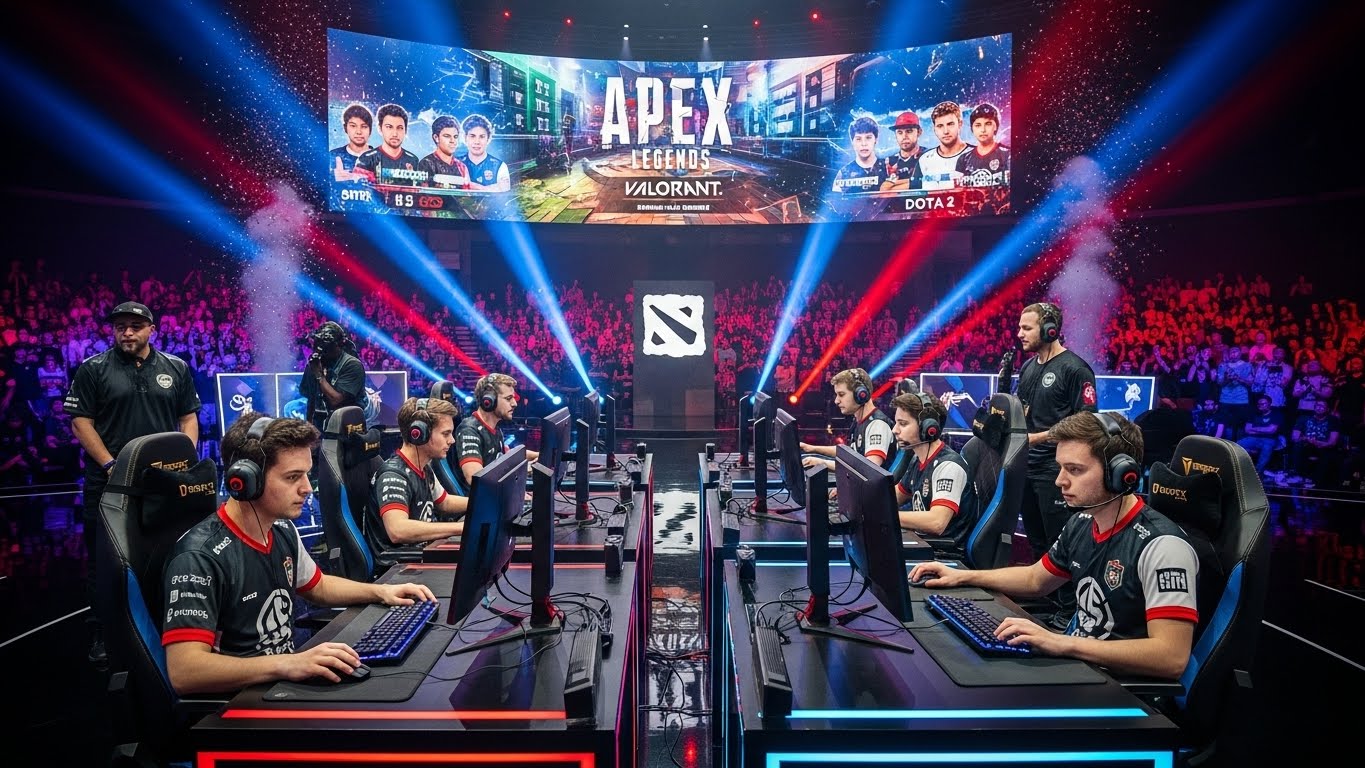
Esports, or competitive video gaming, has evolved from a niche hobby into a global phenomenon over the last two decades. What was once seen as casual entertainment is now recognized as a serious competitive arena, drawing millions of viewers and generating billions in revenue annually. Esports encompasses a variety of games ranging from strategy-based titles like League of Legends to first-person shooters like Counter-Strike: Global Offensive and battle royale sensations such as Fortnite. Unlike traditional sports, esports transcends physical boundaries, enabling players and fans from all over the world to connect, compete, and share experiences in a digital space. Its rapid growth reflects changing cultural values, technological advancements, and the expanding appeal of digital entertainment.
The Global Esports Landscape
The esports industry has experienced unprecedented growth, with professional leagues, tournaments, and online streaming platforms forming the backbone of this ecosystem. Major tournaments, such as the League of Legends World Championship or The International for Dota 2, attract viewership numbers rivaling traditional sports events. Countries like South Korea, China, and the United States have embraced esports as both an economic opportunity and a cultural phenomenon. In South Korea, esports athletes are celebrated celebrities, and dedicated esports stadiums host competitive events with massive audiences. This global reach demonstrates that esports is not just a form of entertainment but a legitimate professional field with international recognition.
Physical and Mental Demands of Esports
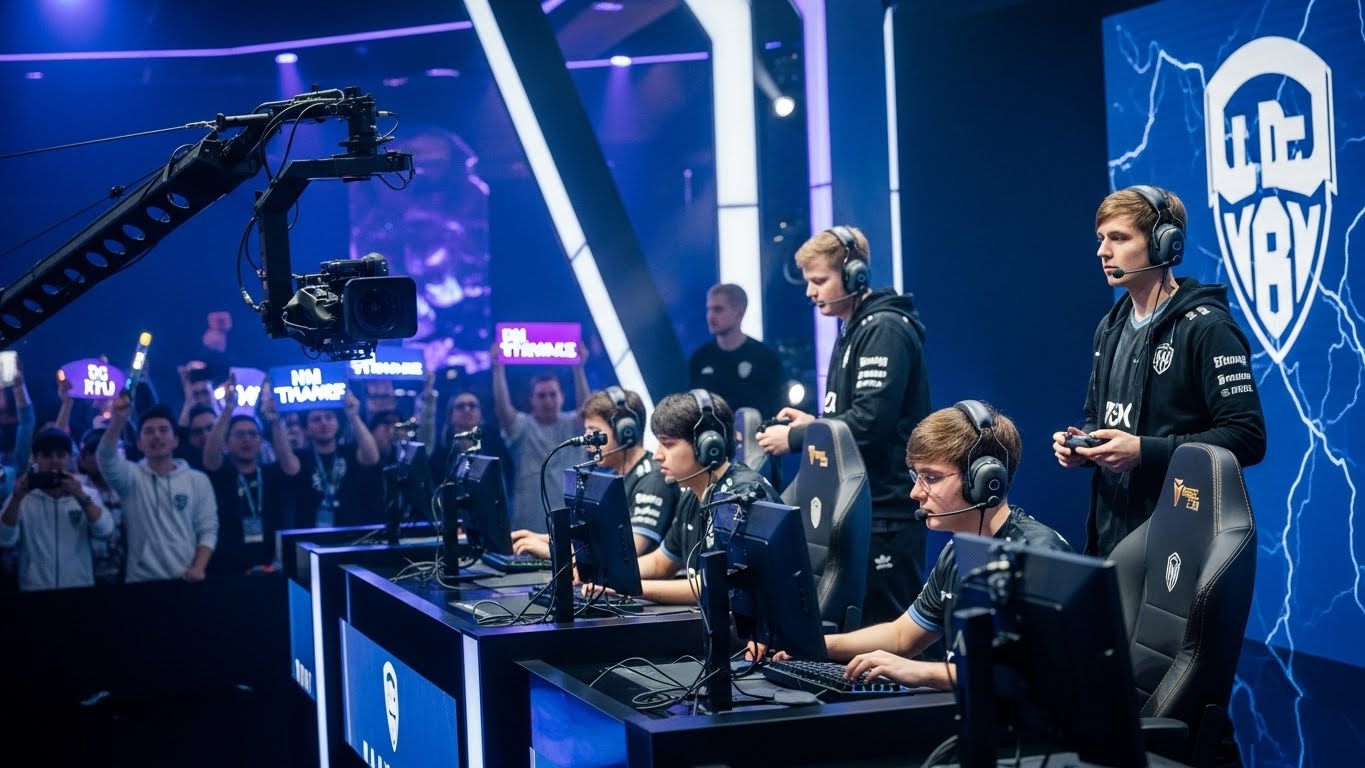
While esports may appear less physically demanding than traditional sports, it requires a unique combination of mental agility, hand-eye coordination, and physical endurance. Professional players spend hours daily refining their reflexes, strategic thinking, and communication skills. High-intensity gaming sessions demand precision, focus, and the ability to make split-second decisions under pressure. Mental stamina is crucial, as players often endure long tournaments, travel schedules, and constant scrutiny from fans and sponsors. Additionally, physical conditioning, including exercise routines and ergonomic practices, has become increasingly important to prevent repetitive strain injuries and maintain overall well-being.
The Role of Teamwork and Strategy
Esports is more than individual skill; it heavily relies on teamwork and strategic planning. Multiplayer games require players to coordinate with teammates, anticipate opponents’ moves, and adapt to rapidly changing scenarios. Effective communication, trust, and collaboration are essential for success. In team-based games, one player’s performance can influence the outcome for the entire team, teaching lessons about cooperation, leadership, and shared responsibility. The mental strategies involved in esports, including analyzing opponents’ patterns, predicting outcomes, and executing complex plans, mirror the cognitive demands seen in high-level business or military strategy.
Esports as a Career Path
The growth of esports has opened a multitude of career opportunities beyond being a professional gamer. Players can pursue careers as coaches, analysts, broadcasters, content creators, or game developers. Sponsorship deals and streaming platforms provide financial stability and public recognition, while esports organizations offer structured training programs and career guidance. Educational institutions have also begun recognizing esports as a legitimate field of study, with scholarships, esports programs, and competitions integrated into academic curricula. The industry has professionalized to the point where young gamers now have clear pathways to build sustainable careers within esports.
Technological Advancements Driving Esports
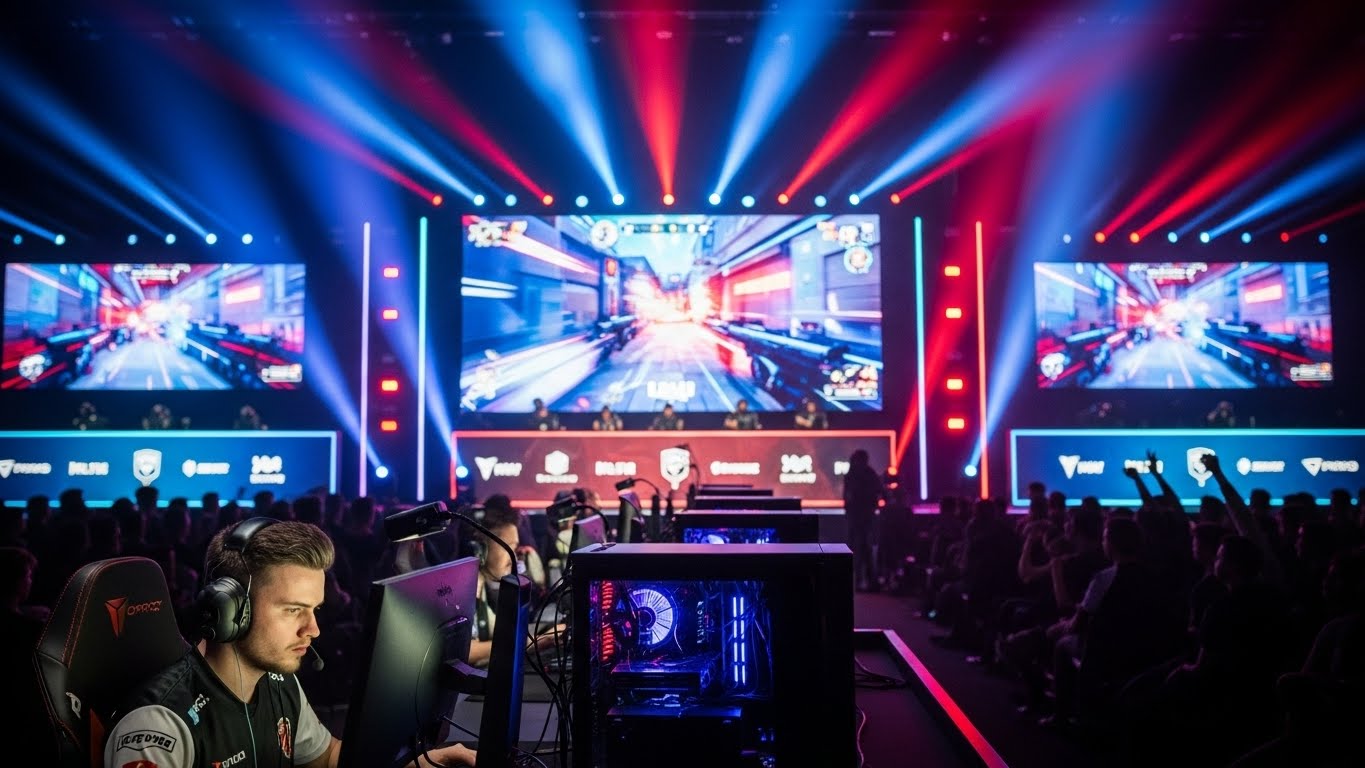
Technology has been a key driver of esports’ growth and popularity. High-speed internet, streaming platforms, and gaming peripherals allow players to connect globally and compete in real-time. Streaming platforms such as Twitch, YouTube Gaming, and specialized esports networks enable fans to watch live matches, interact with players, and become part of a vibrant community. Advances in virtual reality, augmented reality, and artificial intelligence are set to transform competitive gaming further, offering immersive experiences and innovative training methods. Technology has also democratized esports, allowing players from different backgrounds and regions to compete on equal footing without the limitations of traditional sports infrastructure.
The Social and Cultural Impact of Esports
Esports has created a new form of social interaction and cultural expression. Online communities form around games, where fans discuss strategies, share content, and support their favorite teams. Esports events bring people together in both virtual and physical spaces, creating a sense of identity and belonging among fans. In many ways, esports mirrors the cultural significance of traditional sports, providing shared narratives, iconic moments, and heroes that inspire millions. The rise of esports celebrities has also challenged traditional notions of fame, proving that digital talent and skill can command global recognition.
Economic Influence of Esports
Esports has become a multi-billion-dollar industry, driving revenue through sponsorships, advertising, merchandise, ticket sales, and streaming subscriptions. Companies invest in esports to reach younger audiences and capitalize on the growing popularity of gaming culture. Esports events generate tourism, employment opportunities, and business growth in related sectors, from gaming cafes to media production. The industry’s economic impact is further amplified by the globalization of esports, with tournaments and leagues attracting international investments and partnerships. The financial ecosystem of esports mirrors traditional sports, emphasizing its legitimacy and long-term potential.
Challenges Facing Esports
Despite its rapid growth, esports faces several challenges. Player burnout, mental health issues, and the pressure of constant performance can affect professional gamers. Regulatory concerns, such as fair competition, cheating, and intellectual property rights, continue to evolve alongside the industry. Accessibility remains another challenge, as high-performance gaming requires expensive equipment and reliable internet connections, limiting opportunities for underprivileged communities. Furthermore, esports must continue working toward gender inclusivity, combating stereotypes, and encouraging participation across diverse demographics. Addressing these challenges is essential to sustain the industry’s growth and credibility.
Esports and Education
Esports has begun making its mark in educational systems, with schools and universities introducing esports programs, clubs, and scholarships. These programs teach valuable skills, including teamwork, communication, leadership, and critical thinking, while providing students with professional development opportunities. Participating in competitive gaming can also foster discipline, time management, and goal-setting abilities. As esports continues to gain legitimacy, it has the potential to reshape educational approaches, integrating digital literacy and competitive strategy into curricula while preparing students for careers in a technology-driven world.
Future Trends in Esports
The future of esports is promising and poised for further growth. Emerging technologies like virtual reality, cloud gaming, and AI-driven analytics will enhance gameplay, training, and spectator experiences. Global accessibility will improve, enabling players from remote regions to compete on an equal playing field. Collaboration between traditional sports and esports organizations is also on the rise, blurring the lines between physical and digital competition. Additionally, esports is likely to see increased recognition from mainstream institutions, including the Olympics and other international sporting bodies, further solidifying its status as a legitimate and influential domain.
Conclusion: Embracing the Digital Arena
Esports is more than a pastime; it is a cultural, economic, and social movement reshaping how people interact with technology, entertainment, and competition. From the physical and mental demands placed on professional players to the social connections forged among fans worldwide, esports represents a convergence of skill, strategy, and innovation. Its influence extends beyond gaming, impacting education, careers, and community engagement. As technology continues to advance and global interest grows, esports will undoubtedly remain at the forefront of the digital revolution, inspiring future generations to explore, compete, and connect in this dynamic virtual arena.