Introduction
In recent years, esports has evolved from a niche hobby into a worldwide cultural phenomenon. What once began as a pastime for a small group of competitive gamers has now become an industry worth billions, with massive fanbases, professional teams, sponsorships, and live events that rival the biggest sports leagues in the world. With the rise of streaming platforms like Twitch and YouTube, as well as the growth of competitive gaming leagues, esports is now a dominant force in the entertainment industry. This blog will explore how esports became the powerhouse it is today, why it has captivated audiences globally, and what the future holds for this rapidly growing sector.
The Beginnings of Competitive Gaming
The roots of esports can be traced back to the early days of gaming. In the 1970s and 1980s, video games were largely a solitary activity. However, as gaming technology evolved, so did the concept of multiplayer games. The first significant step toward competitive gaming was the rise of arcade games. In 1980, the first known gaming competition was held for the game Space Invaders. This event, known as the Space Invaders Championship, marked the first time that players came together to compete against each other for a prize.
As technology improved, so did the complexity of games. In the 1990s, personal computers became more accessible, and online multiplayer games started to emerge. Titles like Doom and Warcraft introduced new dimensions to gaming, allowing players to connect over local area networks (LAN) or the early stages of the internet. By the late 1990s and early 2000s, games like Quake and StarCraft set the stage for the first major esports tournaments. Players began organizing large competitions, often hosted at gaming conventions or in university dorms, and esports began its transition from small grassroots events to a more organized and professional industry.
The Explosion of Esports in the 2000s
The 2000s saw esports break into the mainstream, largely due to the success of titles like StarCraft, Counter-Strike, and Warcraft III. These games laid the foundation for competitive gaming by emphasizing skill, strategy, and teamwork. As a result, players began forming professional teams, and large-scale tournaments started to attract significant attention. One of the most important milestones in this period was the creation of ESL (Electronic Sports League) in 2000, which helped organize tournaments and competitions for games like Counter-Strike and Warcraft III.
The early 2000s also saw the emergence of dedicated esports organizations and leagues, such as the World Cyber Games (WCG) and the Major League Gaming (MLG). These organizations brought a level of structure and professionalism to esports that had previously been absent. They provided players with not only the opportunity to compete for cash prizes but also the chance to build careers in competitive gaming.
The growth of streaming platforms, particularly Twitch, played a pivotal role in esports’ rapid expansion. Launched in 2011, Twitch allowed gamers to stream their gameplay to a global audience. This created a new way for fans to engage with their favorite players and teams. As viewership grew, sponsorships followed. Companies from various industries began to see the value in esports, pouring millions into event sponsorships, team branding, and player contracts. This influx of money helped transform esports into a legitimate career path for talented gamers.
The Mainstream Success of Esports
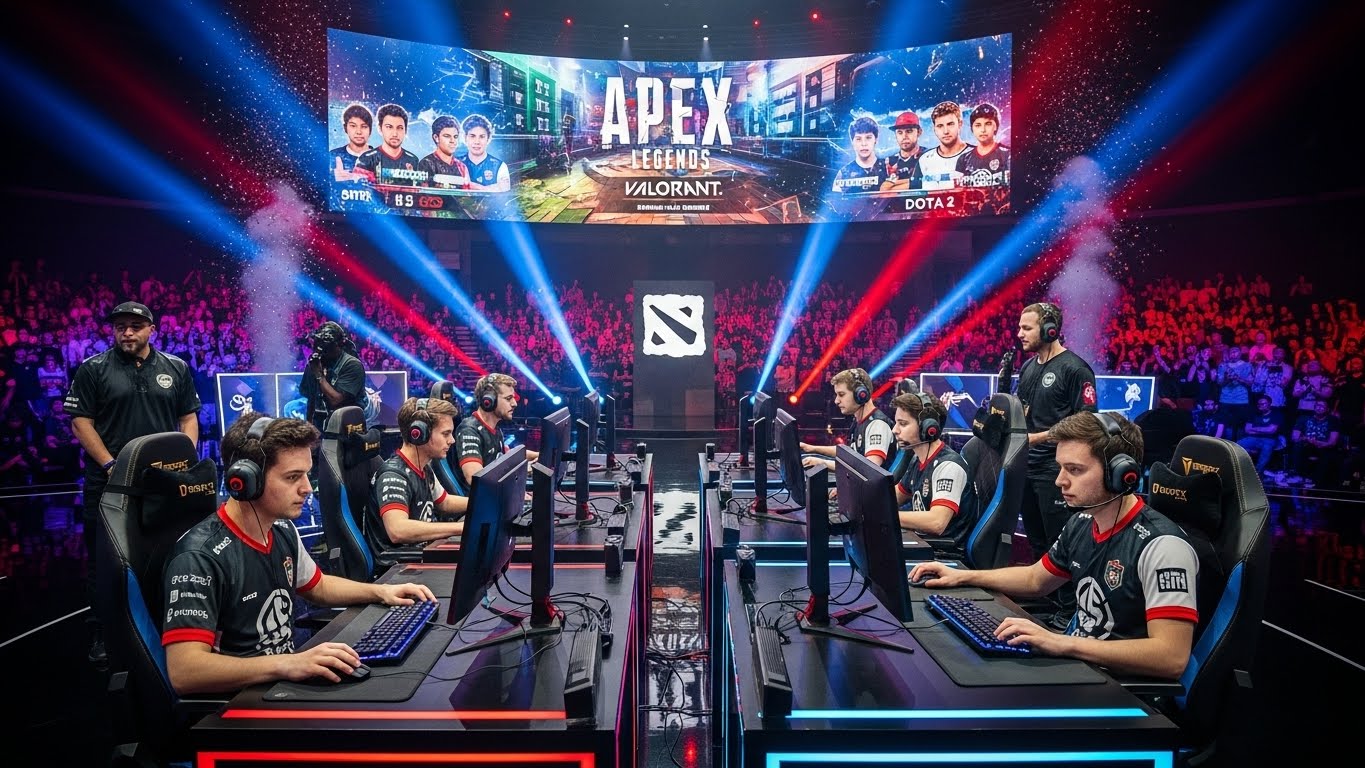
By the 2010s, esports had firmly established itself as a mainstream form of entertainment. Games like League of Legends, Dota 2, and Counter-Strike: Global Offensive became household names, and esports tournaments grew in scale and sophistication. One of the most defining moments of this era was the creation of The International, a Dota 2 tournament that first took place in 2011. With a prize pool of over $1 million in its inaugural year, The International quickly became one of the most prestigious events in esports, attracting millions of viewers and sparking the interest of major sponsors.
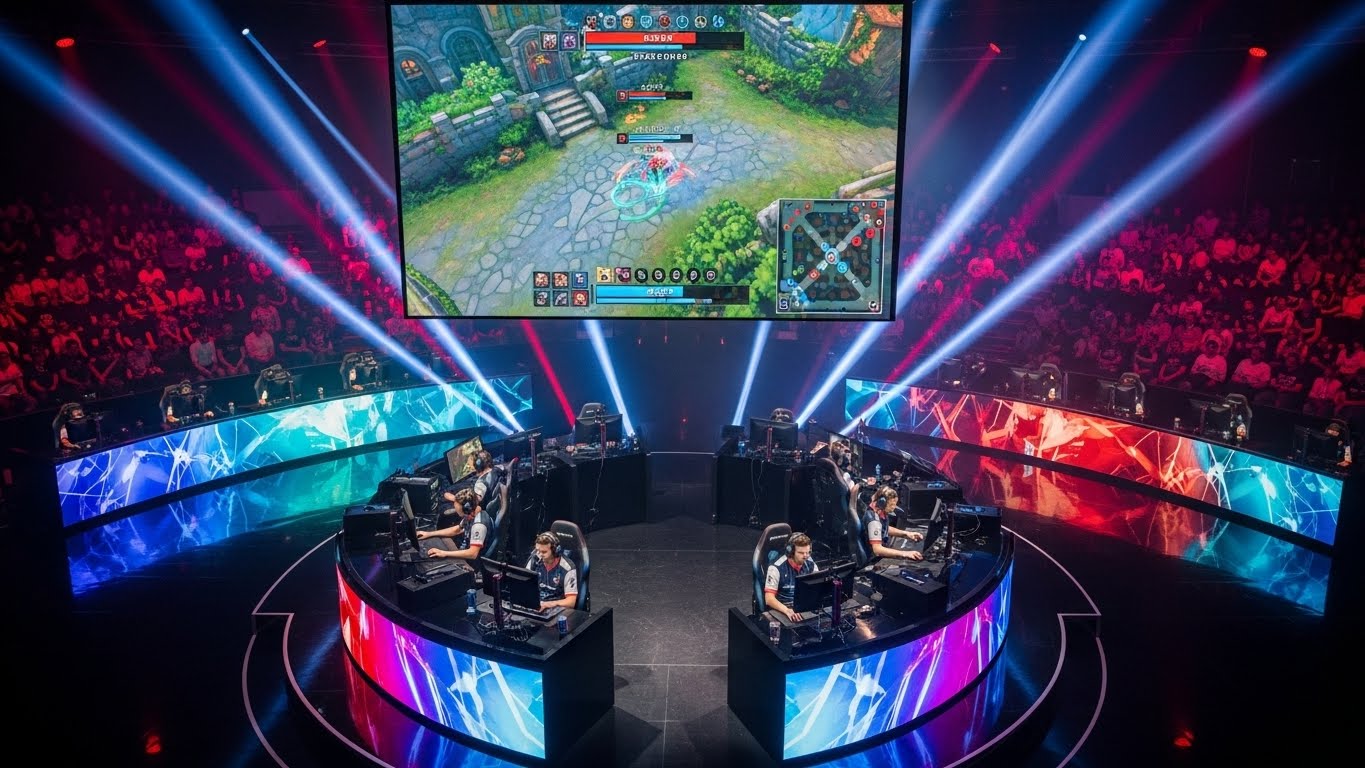
In the same period, League of Legends became a dominant force in the esports world. Riot Games, the developer of League of Legends, introduced a competitive structure with regional leagues and a World Championship event that would become one of the most-watched esports tournaments globally. The success of League of Legends helped legitimize esports as a major form of entertainment and contributed to its rapid growth in popularity.
Esports tournaments also began to be broadcast on traditional television, further increasing their visibility. Networks like ESPN and TBS began airing esports events, and even major sports organizations such as the NBA and NFL took notice. In fact, traditional sports teams and athletes, including the Golden State Warriors, Team Liquid, and even Shaquille O’Neal, invested in esports organizations, signaling a major shift toward recognition of esports as a legitimate and valuable form of entertainment.
The Esports Ecosystem: Teams, Players, and Sponsors
Esports is no longer just about the games themselves; it’s an entire ecosystem built around professional players, teams, fans, sponsors, and broadcasters. The structure of esports teams closely mirrors that of traditional sports teams, with players specializing in specific roles and positions within a game. These teams train rigorously, employing coaches, analysts, and support staff, much like an NBA or football team.
Professional players often make a living through tournament winnings, sponsorships, and streaming platforms like Twitch. Top-tier esports athletes can earn substantial salaries, with some players even securing multi-million-dollar endorsement deals with companies like Intel, Red Bull, and Nike. This influx of investment from corporate sponsors has not only helped professionalize esports but also elevated the status of players as high-profile public figures, similar to athletes in traditional sports.
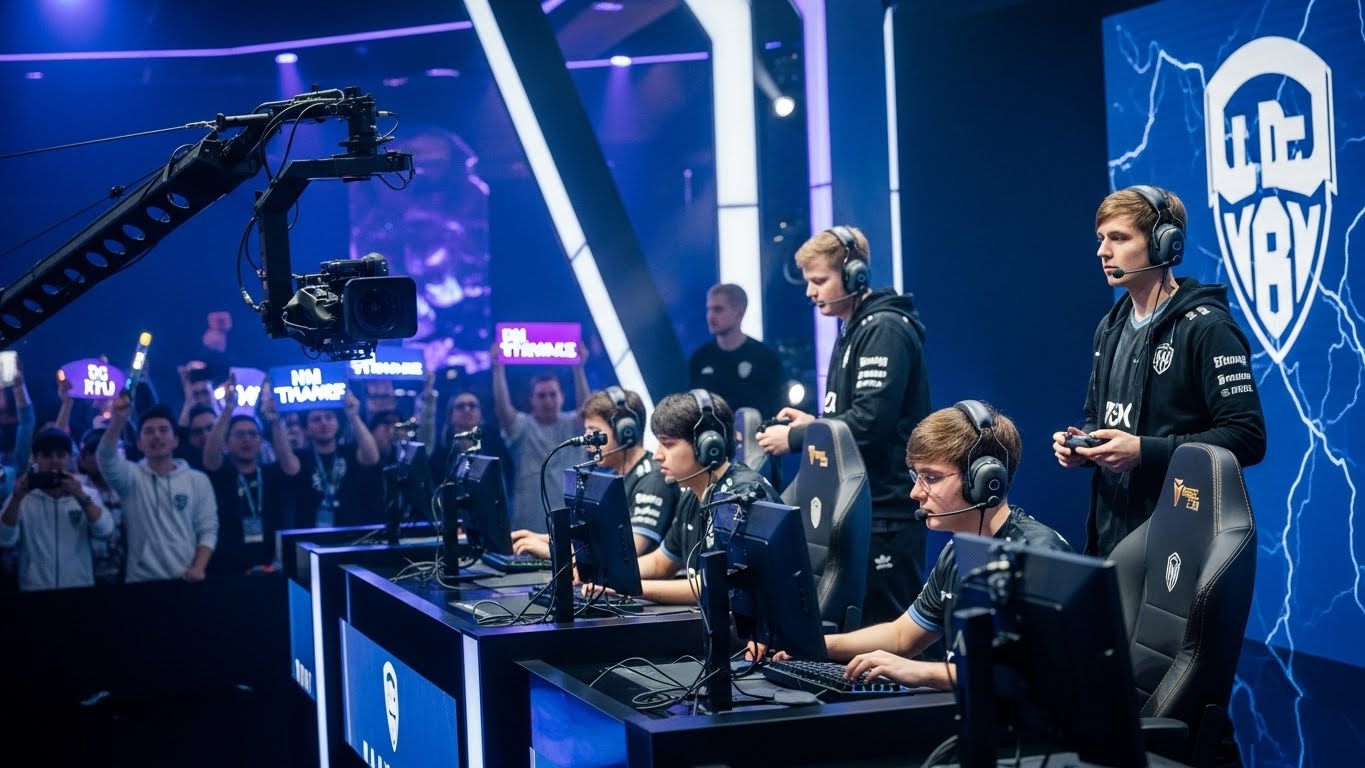
Esports organizations also generate revenue through merchandise sales, ticket sales for live events, and digital content production. Major esports events, such as the League of Legends World Championship or The International, draw in millions of viewers, both online and in-person, further fueling the growth of the industry. In 2020, the global esports industry was estimated to be worth over $1 billion, and that number continues to rise each year.
The Global Impact of Esports
Esports’ reach is not limited to just one region. It has truly become a global phenomenon, with millions of fans tuning in from all corners of the world. In regions such as South Korea, esports has been part of the mainstream culture for nearly two decades, with players achieving celebrity status and national recognition. In North America, Europe, and China, esports has seen explosive growth, attracting viewers and players from diverse demographics.
The rise of mobile esports has been particularly significant in countries with widespread access to smartphones. Games like Mobile Legends, PUBG Mobile, and Free Fire have become immensely popular in Southeast Asia, Latin America, and parts of Africa, creating new opportunities for players and teams in these regions. These games have made competitive gaming more accessible to people who may not have access to high-end PCs or gaming consoles, further democratizing the world of esports.
Furthermore, esports has helped bridge cultural divides by uniting people from different countries, languages, and backgrounds. Competitive gaming allows players to connect with one another based on shared skills and interests, transcending geographical and cultural boundaries. International tournaments bring together the best players from around the world, and viewers can cheer for their favorite teams regardless of their location.
The Future of Esports: What’s Next?
The future of esports is incredibly exciting. As technology continues to evolve, esports will likely see new innovations that enhance both the player experience and the viewer experience. Virtual reality (VR) and augmented reality (AR) could redefine how esports competitions are played and watched, making them more immersive and interactive. Additionally, the continued development of 5G networks will improve connectivity, allowing for faster, smoother gameplay and more accessible mobile esports.
The expansion of esports into new territories and markets will also play a critical role in shaping the future of the industry. Countries in Africa, the Middle East, and Latin America are experiencing a surge in esports activity, and this will create new opportunities for both players and businesses alike.
Esports is also expected to become even more integrated into traditional sports. We may see more collaboration between esports leagues and mainstream sports organizations, leading to hybrid events that blend physical and virtual competition. The increasing acceptance of esports in schools and universities will also help to build a pipeline of future talent, further professionalizing the industry.
Conclusion
Esports has come a long way from its humble beginnings as a pastime for early gamers. Today, it is a multi-billion-dollar industry that captivates millions of fans worldwide. The rise of streaming platforms, the global appeal of competitive gaming, and the professionalization of players and teams have all contributed to the immense success of esports. As technology continues to evolve and new markets emerge, esports is poised to become an even more prominent part of the entertainment landscape. The digital arena is now open, and it is clear that esports is here to stay.