Introduction
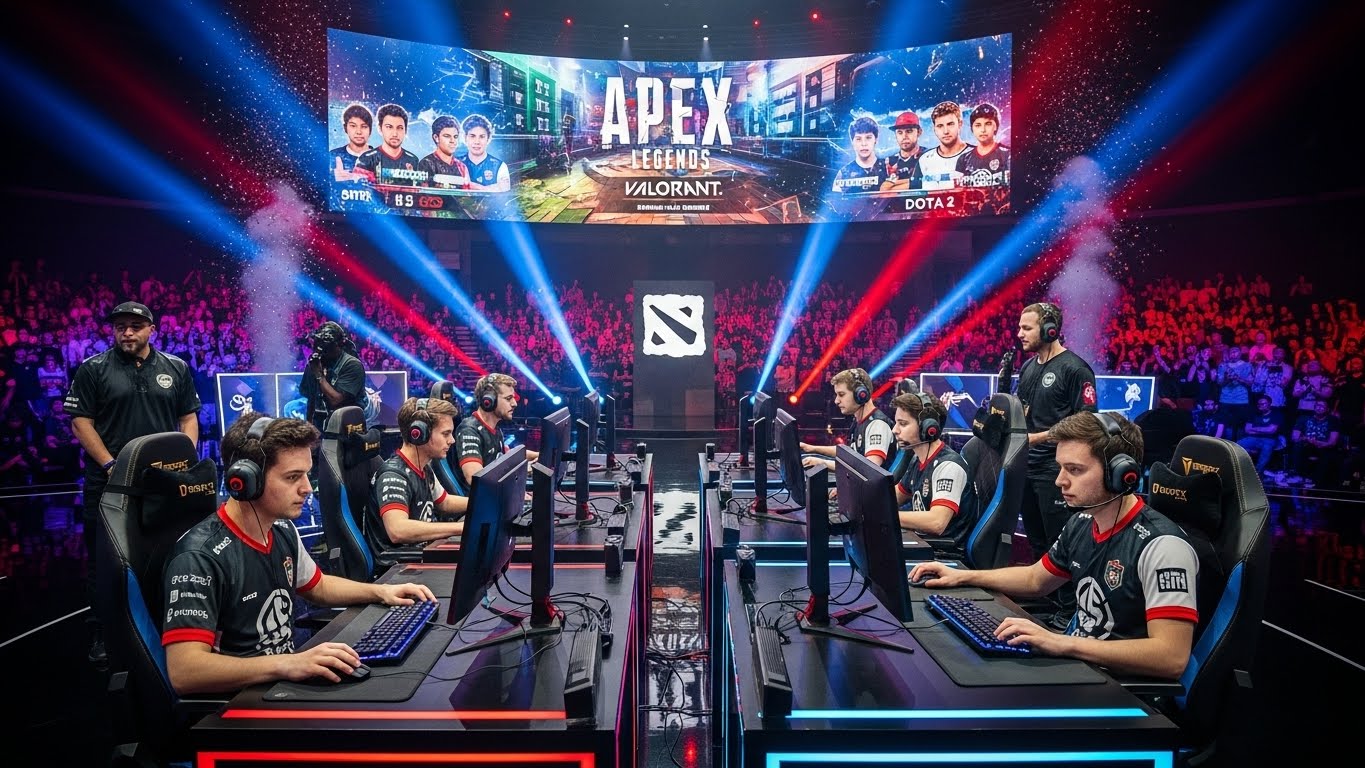
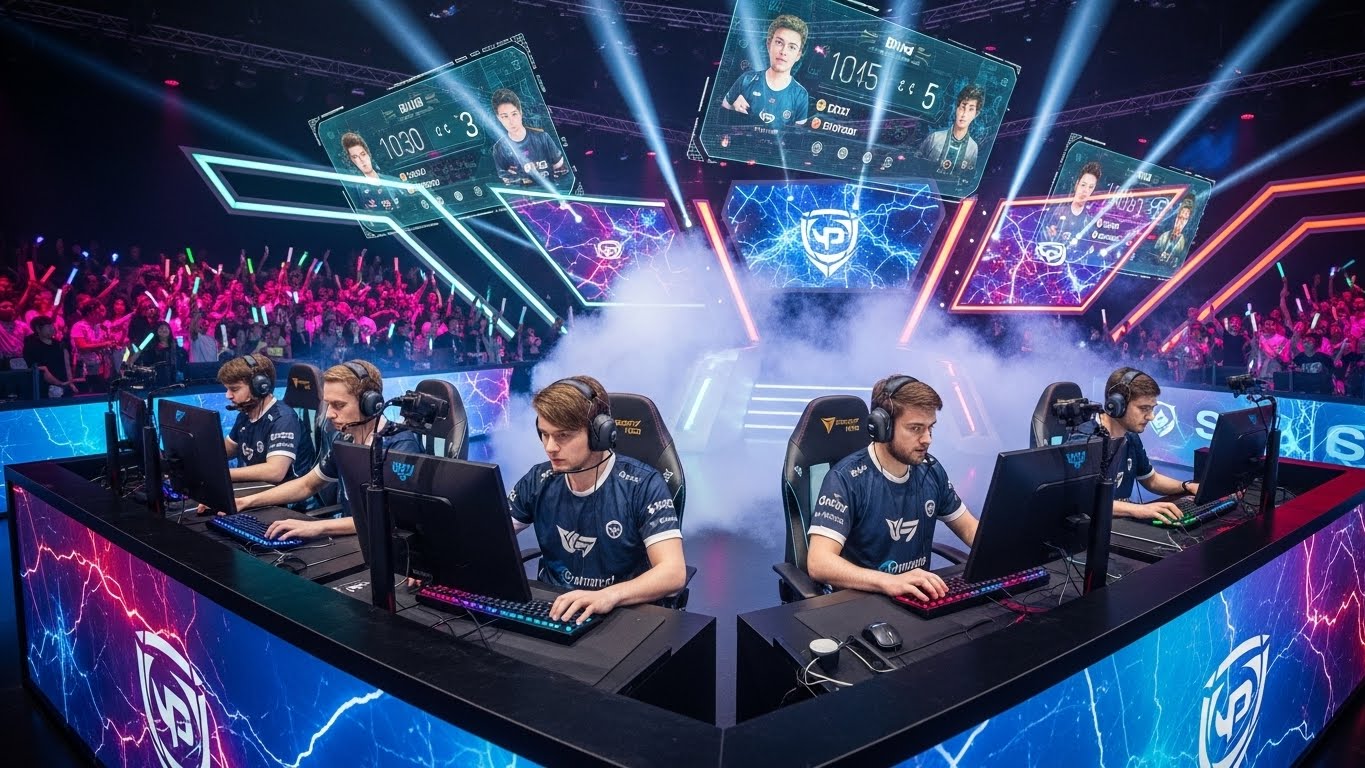
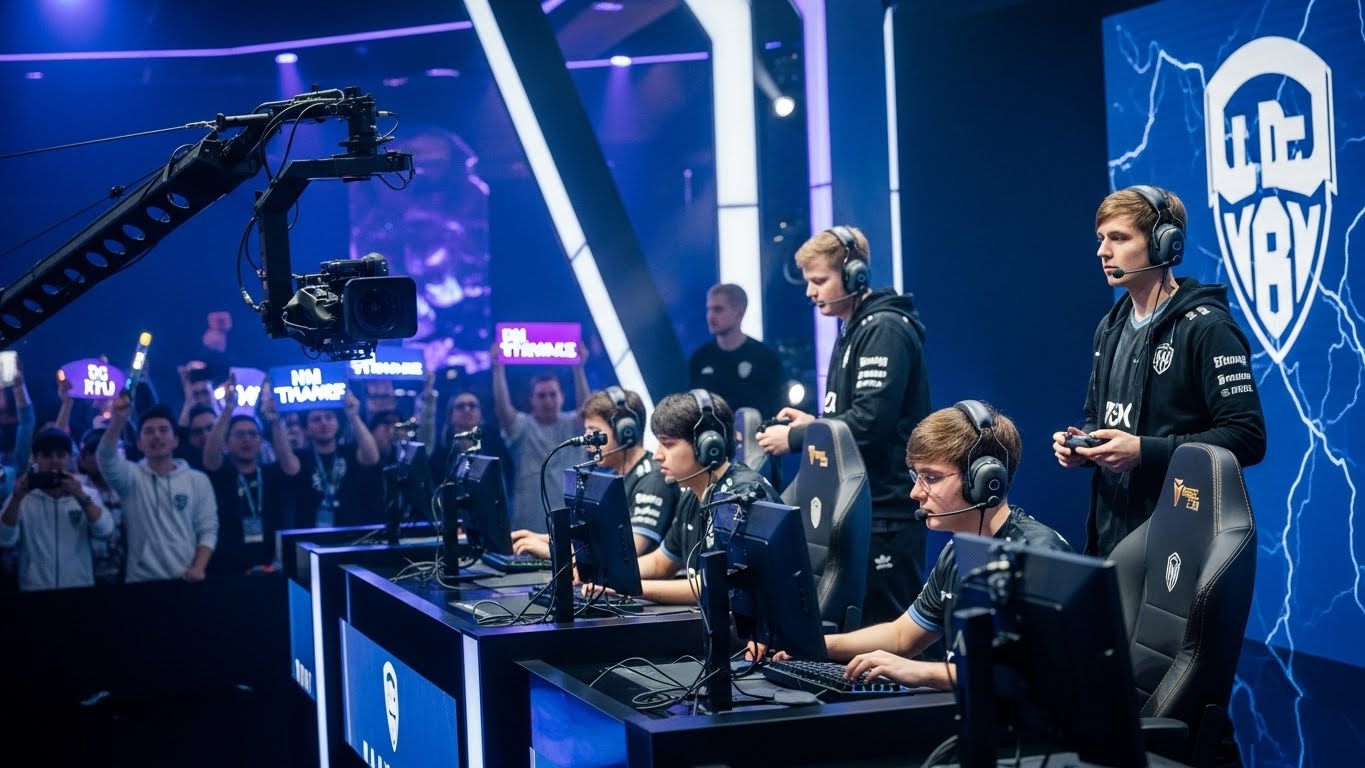
Esports has transformed from a niche hobby into a global cultural force that commands massive audiences, professional careers, and billion-dollar industries. What once looked like casual gaming among friends has evolved into structured competition with leagues, teams, sponsors, and dedicated fans. Today, esports fills stadiums, dominates streaming platforms, and inspires millions of players who dream of turning skill into success. This blog explores the world of esports, examining its origins, growth, cultural impact, and future potential while addressing the realities behind the screens.
The Origins of Competitive Gaming
Competitive gaming did not appear overnight. Its roots can be traced back to the early days of video games when players competed for high scores in arcades. Tournaments were informal, often organized locally, and prizes were symbolic rather than financial. As home consoles and personal computers became more powerful, multiplayer gaming expanded, allowing players to compete beyond physical locations.
The introduction of local area networks enabled early competitive scenes to form around strategy and shooting games. Communities organized their own events, laying the foundation for structured competition. These grassroots beginnings shaped esports culture, emphasizing skill, dedication, and community-driven growth.
The Evolution into a Global Industry
The true acceleration of esports came with the rise of high-speed internet and online multiplayer platforms. Players could now compete globally, and spectators could watch matches live from anywhere. Streaming technology played a crucial role, turning gameplay into entertainment and giving rise to professional broadcasters and analysts.
Game publishers recognized the potential and began supporting competitive ecosystems with official leagues, standardized rules, and prize pools. Sponsorships followed, bringing financial stability and legitimacy to the scene. Esports organizations emerged, managing teams, training facilities, and branding strategies similar to traditional sports franchises.
Popular Esports Genres and Games
Esports is not limited to one type of game. Multiple genres contribute to its diversity and appeal. Strategy games reward long-term planning and precise execution, while team-based shooters emphasize coordination, reflexes, and communication. Sports simulations attract fans of traditional athletics, blending familiar rules with digital innovation.
This variety allows esports to reach a wide audience. Players and viewers can find competition styles that match their interests, whether they prefer fast-paced action or thoughtful tactical play. The constant release of new titles ensures that the ecosystem remains dynamic and competitive.
The Professional Player Lifestyle
Becoming a professional esports player requires far more than casual gaming. Top players train for many hours each day, focusing on mechanics, strategy, teamwork, and mental resilience. Practice sessions are often structured, with coaches analyzing gameplay and identifying areas for improvement.
Physical and mental health are increasingly recognized as essential components of success. Players follow fitness routines, manage sleep schedules, and work with psychologists to maintain focus under pressure. Despite the glamour associated with professional play, the career span can be short, making discipline and planning crucial for long-term stability.
Esports Teams and Organizations
Behind every successful player is an organization that provides support and structure. Esports teams handle logistics, sponsorships, travel, and marketing, allowing players to focus on performance. These organizations operate like businesses, balancing competitive goals with financial sustainability.
Team culture plays a significant role in success. Strong leadership, clear communication, and mutual respect can elevate performance, while internal conflict can hinder progress. As the industry matures, professional management practices continue to shape the competitive landscape.
The Role of Fans and Community
Fans are the lifeblood of esports. Their passion fuels viewership numbers, merchandise sales, and event attendance. Online communities discuss strategies, celebrate victories, and debate decisions, creating a sense of belonging that extends beyond the game itself.
Unlike traditional sports, esports fans often have direct interaction with players through live chats and social platforms. This accessibility strengthens loyalty and creates a more personal connection. Community-driven events and amateur tournaments further reinforce the inclusive nature of esports culture.
Economic Impact and Career Opportunities
Esports generates revenue through sponsorships, advertising, media rights, and merchandise. This economic growth has created a wide range of career opportunities beyond professional play. Coaches, analysts, broadcasters, event organizers, and content creators all contribute to the ecosystem.
Educational institutions have begun offering programs related to esports management and game design, recognizing its long-term potential. These pathways provide alternatives for individuals who are passionate about gaming but may not pursue competitive play.
Challenges Facing the Esports Industry
Despite its success, esports faces several challenges. Player burnout, inconsistent regulations, and financial instability among smaller organizations remain concerns. The rapid pace of growth can lead to uneven standards and ethical issues if not carefully managed.
Balancing commercial interests with competitive integrity is another ongoing challenge. Ensuring fair play, transparency, and player welfare requires collaboration between publishers, teams, and governing bodies. Addressing these issues is essential for sustainable development.
Esports and Cultural Influence
Esports has influenced popular culture, shaping fashion, music, and digital entertainment. Professional players are recognized as influencers, and major events are celebrated as cultural milestones. This visibility has helped redefine perceptions of gaming, shifting it from a solitary pastime to a respected competitive pursuit.
The global nature of esports also promotes cross-cultural interaction. International tournaments bring together players and fans from diverse backgrounds, fostering understanding and shared enthusiasm. This cultural exchange is one of esports’ most powerful contributions.
The Future of Esports
The future of esports appears promising, with technological advancements set to enhance both competition and viewing experiences. Improved graphics, immersive environments, and interactive broadcasts will continue to attract new audiences. As infrastructure and governance improve, esports is likely to gain further recognition alongside traditional sports.
Youth engagement suggests long-term sustainability. As new generations grow up with competitive gaming as a norm, esports will remain a central part of digital culture. Innovation and adaptability will determine how far the industry can go.
Conclusion
Esports represents more than competition; it is a reflection of how technology, culture, and community intersect in the modern world. From humble beginnings to global prominence, it has redefined entertainment and created opportunities for millions. While challenges remain, the passion of players and fans continues to drive growth and innovation. Beyond the screen lies a dynamic industry that is still writing its story, one match at a time.