Introduction: The Rise of Esports
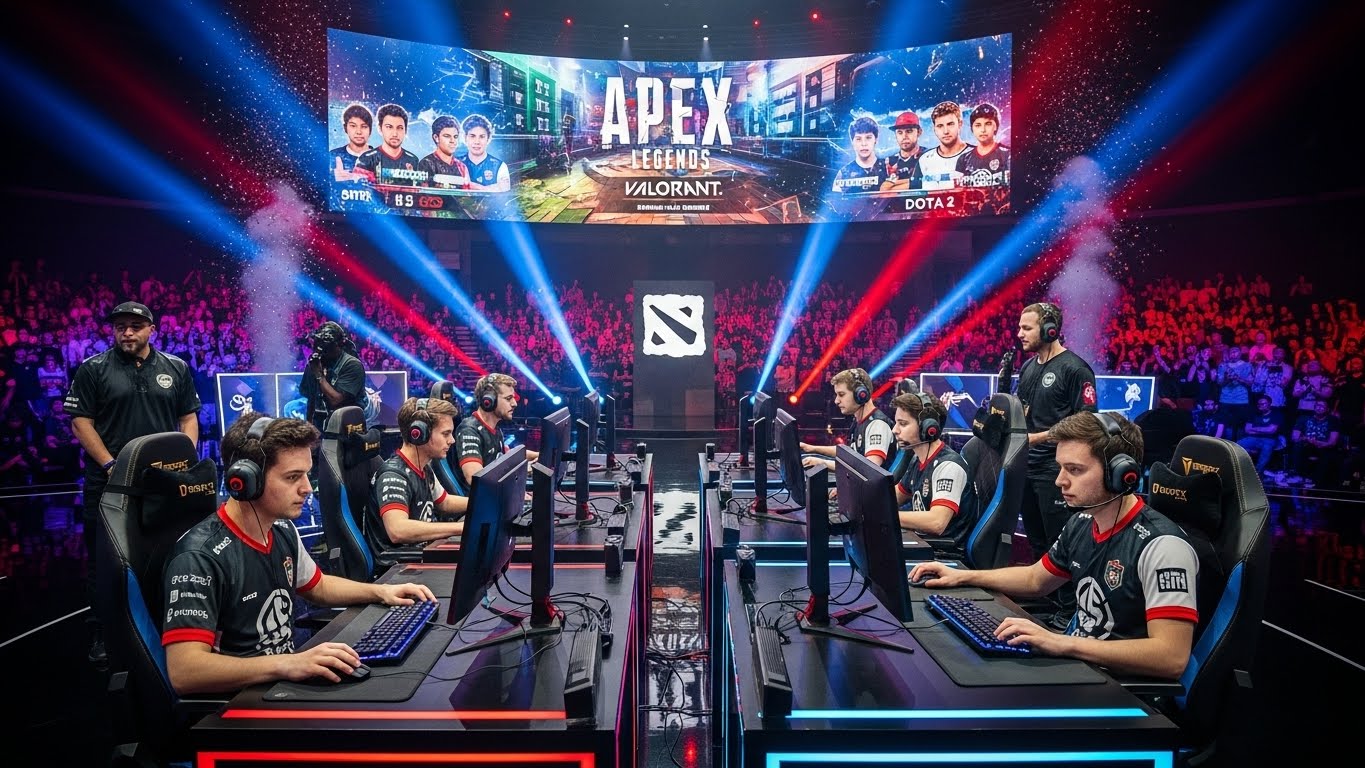
In the last decade, a new form of competition has emerged, one that blends technology, strategy, and entertainment—esports. Unlike traditional sports, esports revolves around competitive video gaming, where players and teams compete in a variety of genres, from first-person shooters to real-time strategy games and multiplayer online battle arenas. What started as a niche hobby has evolved into a global phenomenon, attracting millions of viewers, players, and sponsors worldwide. Esports is not just about gaming; it is a cultural shift that redefines what it means to compete, socialize, and engage with entertainment in the digital age.
Understanding Esports: More Than Just Playing Games
Esports is often misunderstood as casual gaming, but it is far more than that. Professional esports athletes train rigorously, following structured schedules, studying opponents, and practicing for hours daily. The level of strategy, reflexes, and teamwork required in top-tier competition rivals traditional sports. Success in esports demands mental acuity, quick decision-making, and exceptional coordination.
Games like League of Legends, Dota 2, Counter-Strike, and Fortnite have not only popularized competitive gaming but have also created entire ecosystems with dedicated leagues, tournaments, and international championships. The professionalization of esports demonstrates that gaming has matured into a serious and respected competitive field.
The Esports Athlete: Training and Dedication
Esports athletes, or pro gamers, face demanding routines similar to traditional athletes. A typical day involves physical conditioning, mental exercises, team practice, strategy sessions, and reviewing game footage to analyze opponents’ tactics. Physical fitness is often overlooked but plays a vital role in maintaining reaction speed, focus, and endurance during long competitions.
Mental resilience is equally crucial. Players must manage stress, adapt to dynamic in-game scenarios, and maintain composure under high-pressure situations. Esports demonstrates that excellence requires discipline, practice, and perseverance, challenging the stereotype that gaming is merely a casual pastime.
The Social Aspect of Esports
Esports thrives on social interaction. Players form teams, build friendships, and communicate continuously during matches. Online platforms allow gamers to connect globally, creating a diverse and inclusive community. Fans, commentators, and content creators further enhance the social experience, making esports a shared passion that transcends geographical boundaries.
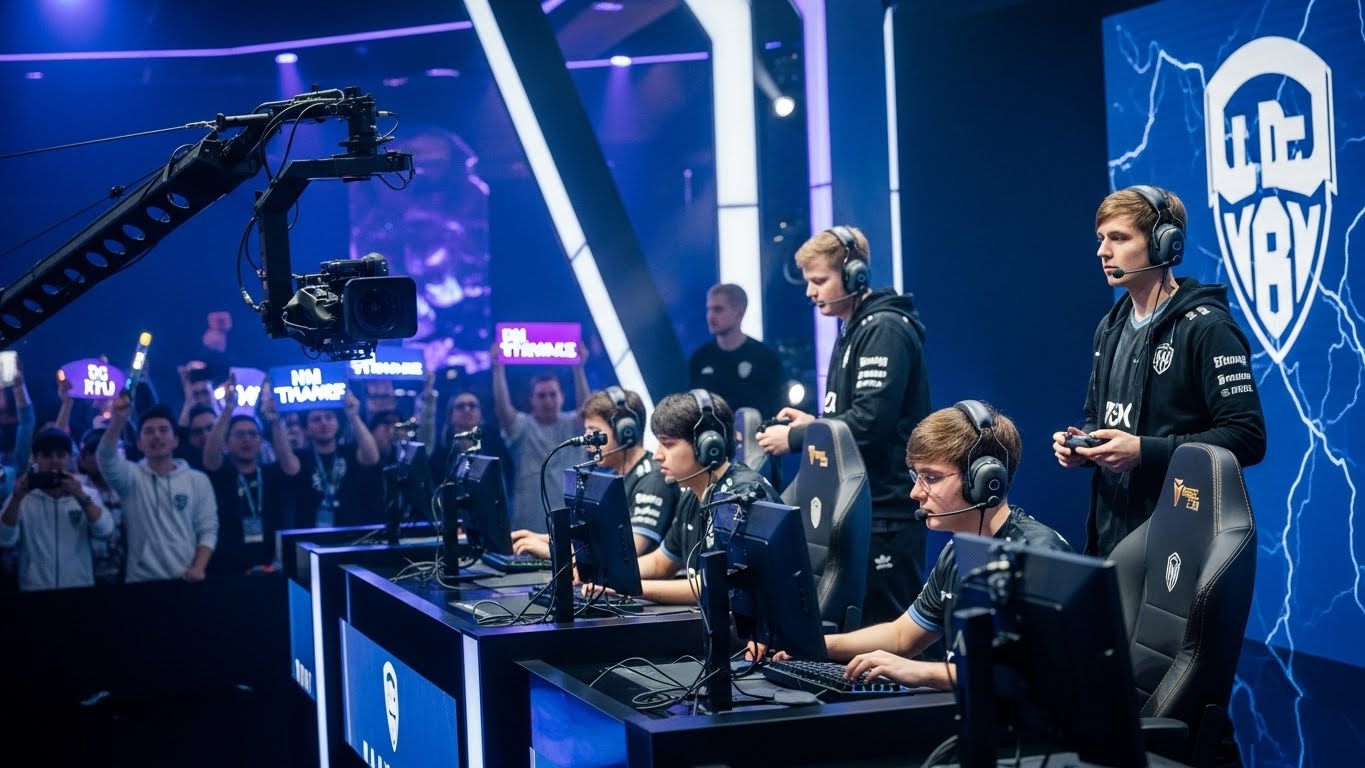
Streaming platforms and live broadcasts have created a culture where fans engage in real-time with players, cheer for their favorite teams, and participate in discussions. This communal aspect is one of esports’ most compelling features, turning solitary gaming into a collective and immersive experience.
Esports and Education: Skills Beyond the Game
Participation in esports develops valuable skills that extend beyond gaming. Strategic thinking, decision-making under pressure, teamwork, communication, and time management are just a few examples. Many universities now offer scholarships and courses focused on esports, recognizing its educational and professional potential.
Students involved in esports learn problem-solving, leadership, and adaptability—skills that are highly transferable to various career paths. Esports programs in schools and colleges promote discipline, responsibility, and technological literacy, preparing students for opportunities in the growing digital economy.
The Global Esports Industry
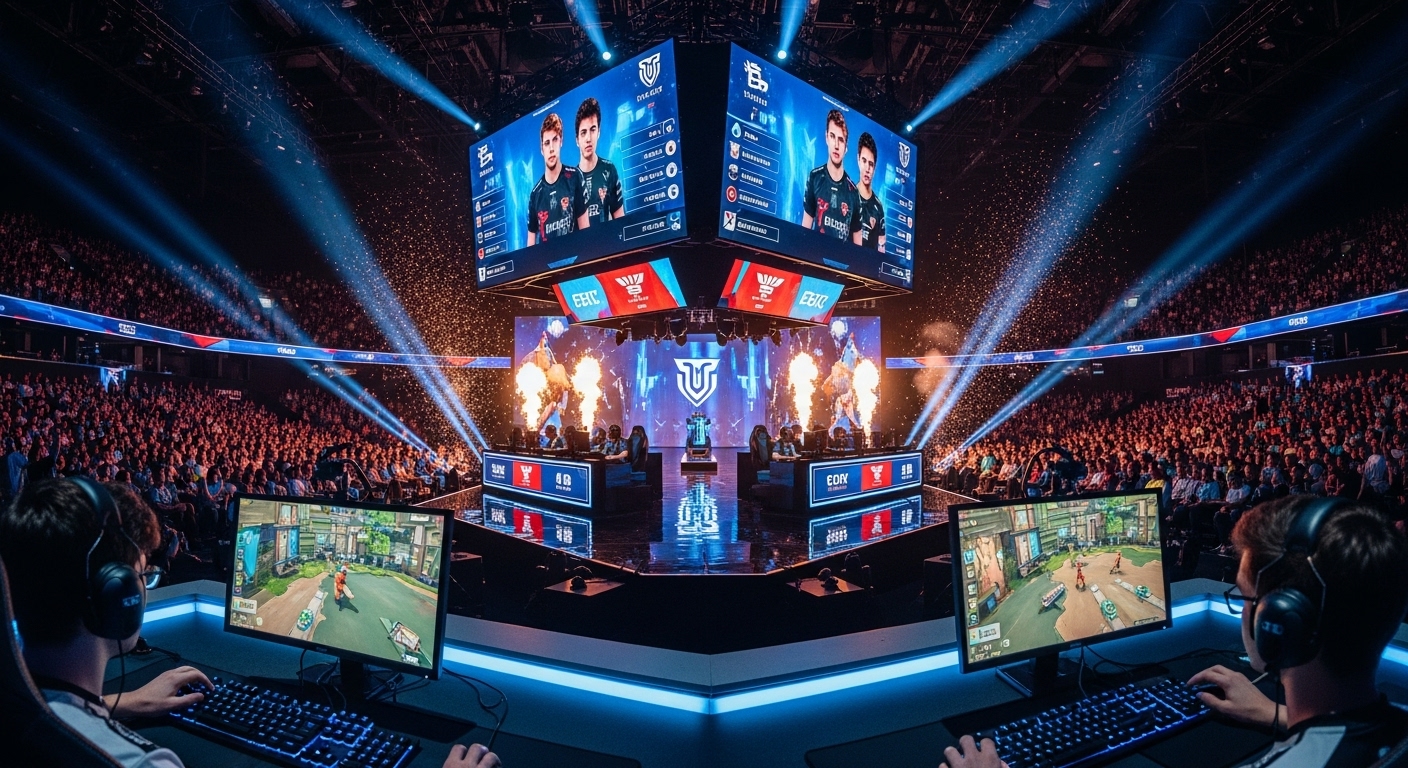
Esports has evolved into a multi-billion-dollar industry. Professional tournaments draw millions of viewers, generating revenue through sponsorships, advertisements, merchandise, and broadcasting rights. Major events, such as The International for Dota 2 or the League of Legends World Championship, offer prize pools in the millions, highlighting the high stakes and professional nature of esports.
Companies invest heavily in esports marketing to engage younger audiences, while game developers organize competitive ecosystems to sustain interest and growth. This economic dimension showcases that esports is not just a hobby but a significant force in the global entertainment industry.
Technology and Innovation in Esports
Technology is at the heart of esports. High-performance gaming rigs, specialized peripherals, streaming platforms, and analytics software all contribute to the competitive landscape. Advanced tools allow teams to analyze gameplay, optimize strategies, and improve performance.
Virtual reality and augmented reality are also beginning to influence esports, offering immersive experiences for both players and spectators. Technology ensures that esports remains at the forefront of innovation, constantly evolving to enhance competition, engagement, and entertainment value.
Esports as Entertainment
Esports has transformed the way people consume entertainment. Millions of fans watch live matches, follow content creators, and engage in online discussions about strategy and gameplay. The excitement of watching professional players compete, combined with commentary and storytelling, creates an experience akin to traditional sports broadcasting.
The narrative of rivalry, teamwork, and triumph captivates audiences. Fans invest emotionally in their favorite teams and players, celebrating victories and analyzing defeats. Esports entertainment blurs the line between gaming, sports, and digital media, creating a dynamic and interactive cultural phenomenon.
Mental Health and Challenges in Esports
Despite its many benefits, esports presents unique challenges, particularly related to mental health. The intense focus, long hours of practice, and pressure to perform can lead to stress, burnout, and fatigue. Many professional players and teams now prioritize mental health support, including counseling, rest periods, and wellness programs.
Balancing competitive gaming with social life, education, or work is essential for long-term well-being. Recognizing these challenges and developing healthy practices is crucial for sustaining a successful esports career and ensuring that players thrive both on and off the digital battlefield.
Esports and Cultural Influence
Esports is reshaping global culture. It has popularized gaming, inspired fashion, music, and digital content, and created new forms of celebrity. Professional players and streamers have become influential figures, inspiring younger generations to pursue gaming as a legitimate career path.
The cultural impact of esports extends to social acceptance, breaking down stereotypes about gaming. Esports encourages inclusivity, providing a platform where gender, race, and physical ability are less significant than skill, strategy, and teamwork. This cultural shift promotes diversity and challenges traditional notions of competition.
Major Esports Events and Tournaments
Global tournaments define the competitive spirit of esports. Events such as the Fortnite World Cup, Overwatch League, and Call of Duty League attract massive audiences and offer substantial prize money. These tournaments are more than competitions; they are celebrations of talent, strategy, and digital culture.
Fans attend live events, watch broadcasts, and participate in online communities, creating a shared experience that mirrors traditional sports fandom. These events solidify esports as a legitimate competitive field, offering excitement, inspiration, and a sense of global community.
The Future of Esports
The future of esports is bright and dynamic. With continuous technological advancements, growing investment, and expanding global audiences, esports is poised to become an even more influential industry. Virtual reality, artificial intelligence, and cloud gaming are likely to redefine competitive play, making esports more accessible and immersive.
As more educational institutions, corporations, and media platforms embrace esports, opportunities for players, content creators, and entrepreneurs will continue to grow. The convergence of gaming, technology, and entertainment ensures that esports will remain a central force in digital culture for years to come.
Conclusion: Esports as a Cultural Revolution
Esports represents a significant shift in how we perceive competition, entertainment, and community. It challenges traditional definitions of sports, demonstrating that strategy, skill, and teamwork in the digital realm can be just as compelling and meaningful as physical contests. Esports cultivates personal growth, fosters social connections, drives technological innovation, and reshapes global culture.
Whether as a player, fan, or industry professional, engaging with esports offers opportunities for learning, inspiration, and connection. The rise of esports highlights the power of digital platforms to unite people, celebrate talent, and redefine what it means to compete. In the digital age, esports is more than gaming—it is a revolution that reflects the evolving landscape of culture, entertainment, and human potential.