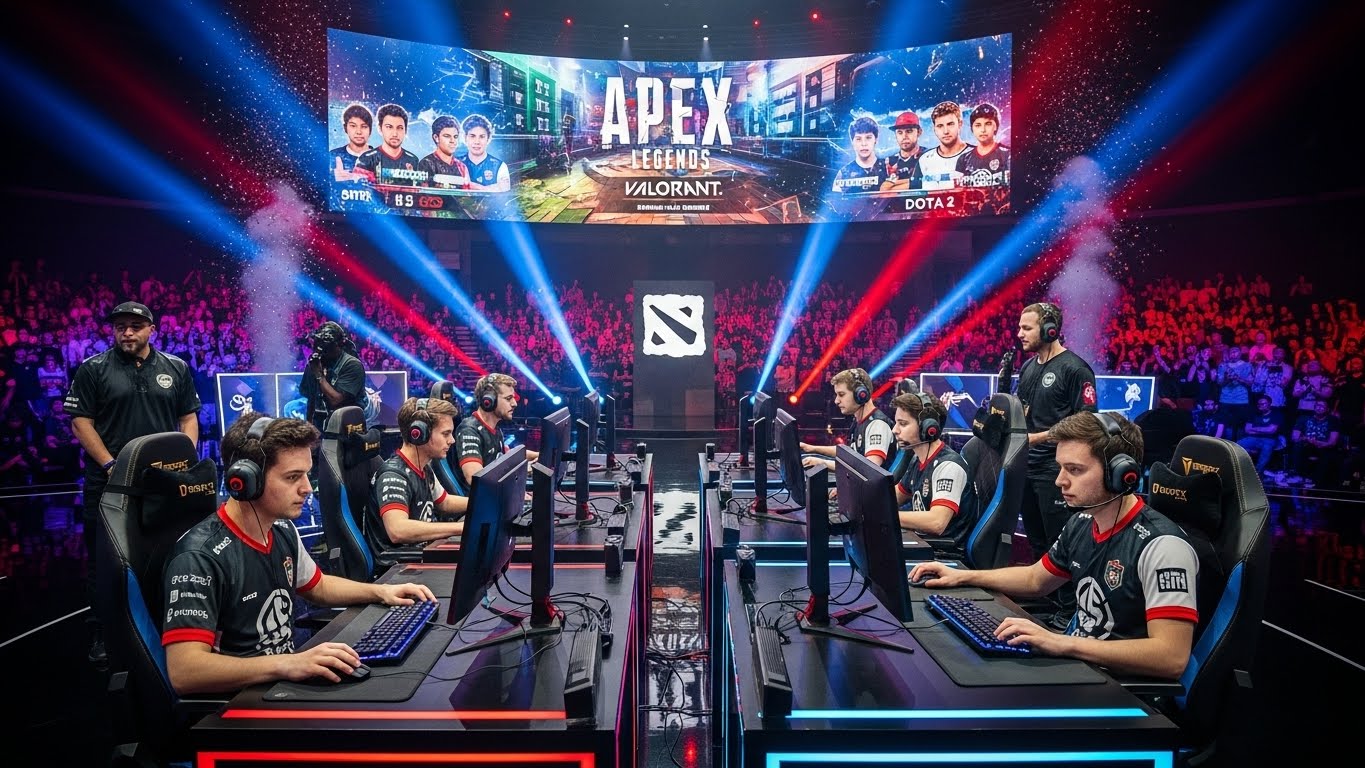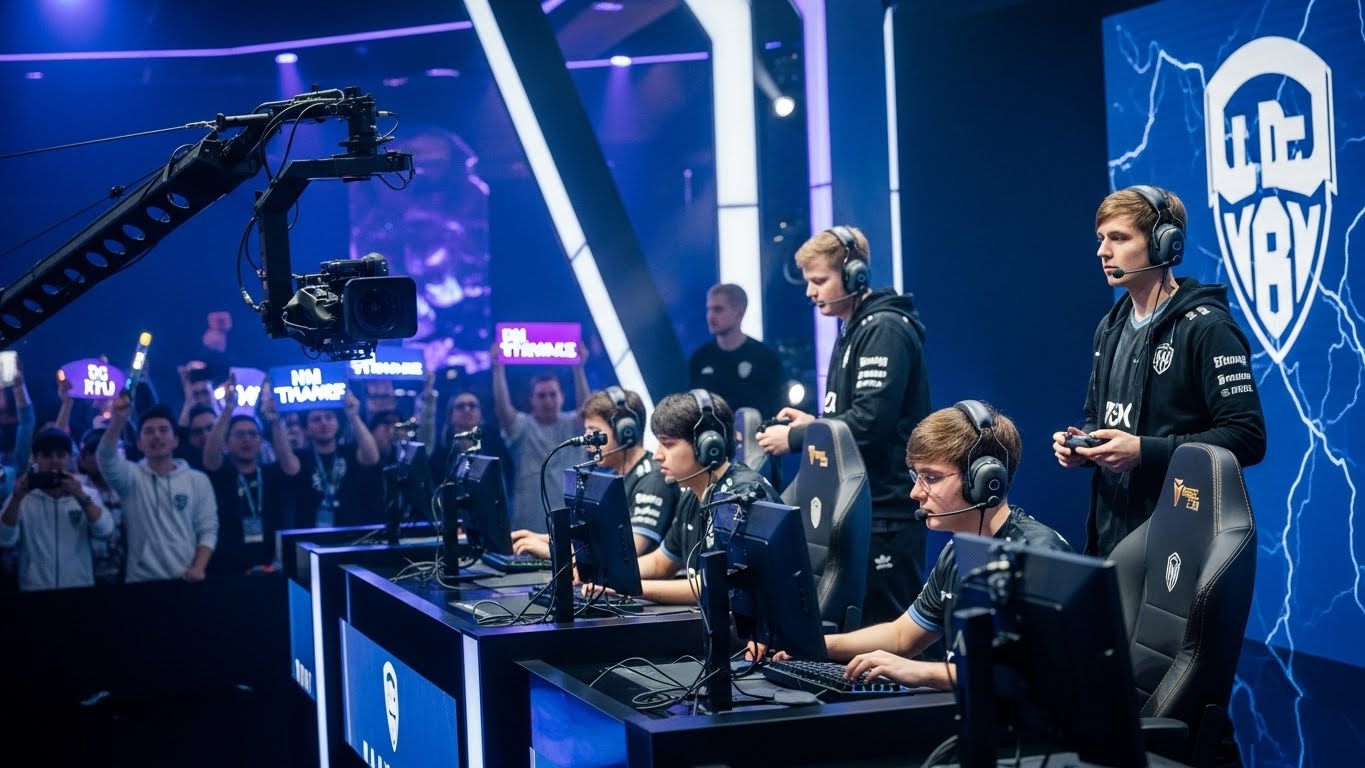
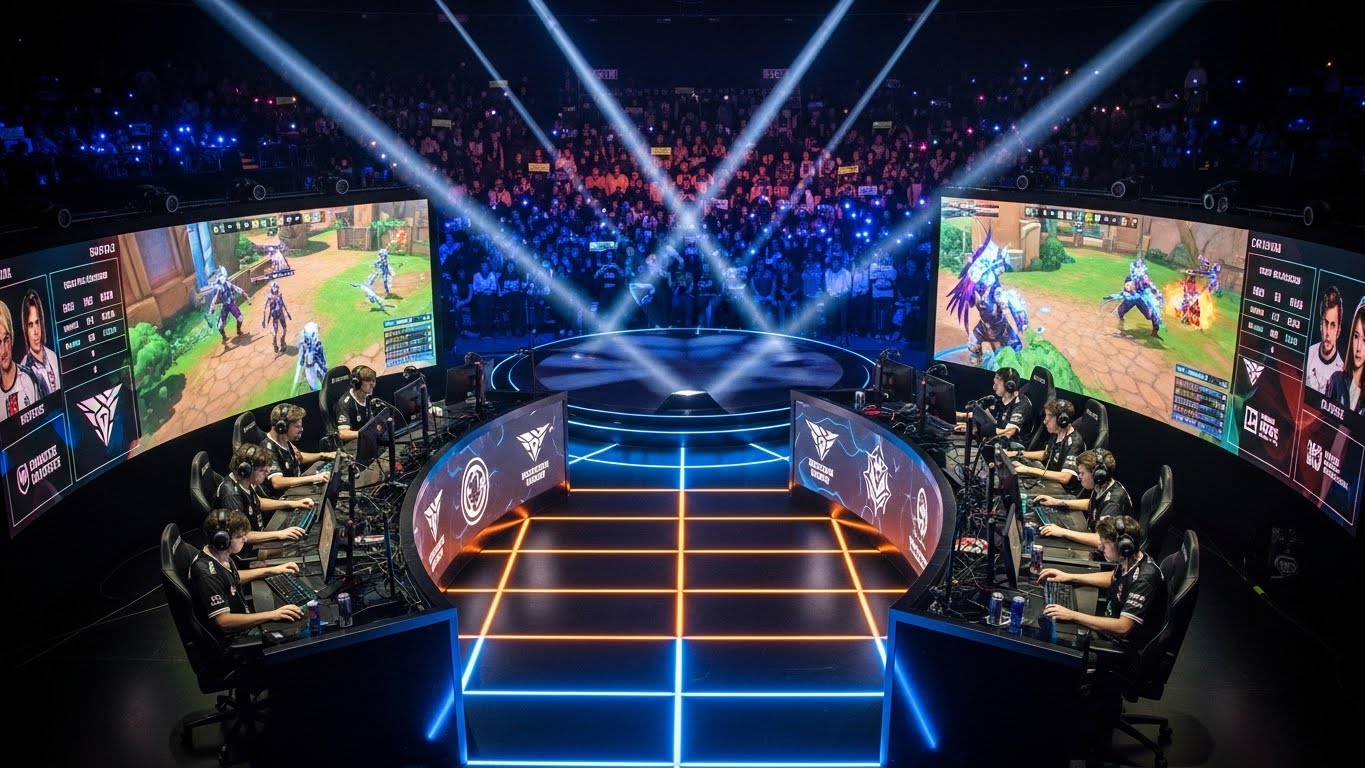
Esports has evolved into one of the most dynamic and influential forms of modern competition. What was once viewed as casual gaming has grown into a global industry that blends technology, strategy, teamwork, and entertainment. Esports now fills arenas, attracts millions of spectators, and offers professional careers to players across the world. This digital battleground has reshaped the meaning of sport, competition, and community in the twenty-first century.
The Birth of Competitive Gaming
The origins of esports can be traced back to early video game competitions held in arcades and college campuses. These early events were small, informal, and driven purely by passion rather than profit. Players competed for recognition, bragging rights, or small prizes, unaware that they were laying the groundwork for a future global industry.
As gaming technology advanced, multiplayer experiences became more complex and competitive. The introduction of local networks and later internet connectivity allowed players to face opponents beyond their immediate surroundings. Competitive gaming communities began to form, developing rules, rankings, and tournament structures that mirrored traditional sports.
The Rise of Esports as a Global Phenomenon
Esports gained momentum as game developers began supporting competitive play. Games were designed with balance, spectator appeal, and long-term competition in mind. Titles featuring team-based strategy, individual skill, and constant updates became ideal for professional play.
Large-scale tournaments soon followed, drawing international participants and audiences. Prize pools increased, sponsors entered the scene, and esports organizations began to resemble professional sports teams. Today, esports events attract millions of viewers worldwide, proving that digital competition has earned mainstream recognition.
Understanding the Esports Ecosystem
Esports is not limited to players alone. It is supported by a vast ecosystem that includes teams, coaches, analysts, broadcasters, event organizers, developers, and fans. Professional teams operate with structured management, training schedules, and support staff to ensure peak performance.
Coaches analyze gameplay and strategies, while analysts study opponents and performance data. Tournament organizers manage venues, schedules, and production quality to create engaging events. Fans contribute through viewership, community interaction, and cultural influence. Together, these elements form a self-sustaining ecosystem that drives the growth of esports.
Skill, Discipline, and Training in Esports
Contrary to common misconceptions, esports demands intense skill and discipline. Professional players train for several hours each day, refining reflexes, coordination, and strategic thinking. Precision, reaction speed, and situational awareness are critical factors that separate amateurs from professionals.
Team-based esports require strong communication and trust. Players must understand their roles and adapt quickly to evolving situations. Mental preparation is equally important, as high-pressure matches demand focus, emotional control, and resilience. Esports training is structured, competitive, and comparable to traditional athletic preparation.
Physical and Mental Health in Competitive Gaming
While esports is primarily digital, physical health plays a significant role in performance. Long hours of gaming can strain posture, vision, and endurance if not managed properly. Many professional players incorporate physical exercise, stretching, and healthy routines into their schedules to maintain balance.
Mental health has become a central topic in esports. Performance pressure, public expectations, and intense competition can lead to stress and burnout. Teams are increasingly prioritizing mental well-being by providing counseling, structured breaks, and stress management practices. A healthy mindset is now recognized as essential for long-term success.
Esports and Technology Innovation
Technology is the backbone of esports. High-performance hardware, advanced software, and fast connectivity allow seamless competitive play. Innovations in graphics, real-time data analysis, and live broadcasting enhance both player performance and audience experience.
Esports also drives technological progress. Developments in streaming technology, cloud computing, and artificial intelligence have been influenced by gaming demands. These innovations often extend beyond esports, benefiting industries such as education, healthcare, and entertainment.
Social and Cultural Influence of Esports
Esports has become a powerful cultural movement, especially among younger generations. Online platforms allow fans to engage with players, teams, and fellow viewers, creating strong global communities. Language, humor, and traditions unique to esports culture have emerged, shaping digital identity and expression.
Esports transcends geographic and cultural boundaries. Players from different countries compete on equal footing, promoting international interaction and understanding. The inclusive nature of digital competition allows individuals to participate regardless of physical limitations, making esports a uniquely accessible form of sport.
Career Opportunities Within Esports
While professional players often receive the most attention, esports offers diverse career paths. Coaching, event production, broadcasting, content creation, marketing, and game design are all essential roles within the industry. These opportunities attract individuals with skills in technology, communication, creativity, and management.
Educational institutions are beginning to recognize esports as a legitimate field, offering programs focused on game design, esports management, and digital media. This growing acceptance reflects the industry’s stability and long-term potential as a professional sector.
Economic Impact of the Esports Industry
Esports has developed into a multi-billion-dollar industry. Revenue is generated through sponsorships, advertising, merchandise, ticket sales, and media rights. Large tournaments stimulate local economies by attracting tourism and creating employment opportunities.
Businesses across multiple sectors invest in esports to reach engaged and loyal audiences. This economic influence continues to grow, encouraging innovation and professional standards. Esports is no longer an emerging market; it is a significant contributor to the global digital economy.
Women and Inclusivity in Esports
The esports landscape is gradually becoming more inclusive. Women are gaining recognition as players, commentators, organizers, and leaders within the industry. Although challenges remain, initiatives promoting diversity and fair competition are helping to create a more welcoming environment.
Representation plays a crucial role in inspiring participation. As esports continues to value skill and dedication above all else, it moves closer to becoming a truly inclusive competitive space where talent is the defining factor.
Ethical Challenges and Fair Play
As esports grows, it faces challenges related to fairness, integrity, and ethics. Issues such as cheating, performance enhancement, and online toxicity require ongoing attention. Developers and organizers work to maintain fair play through monitoring systems, regulations, and community standards.
Creating a respectful and competitive environment is essential for the sustainability of esports. Education, accountability, and strong leadership help uphold values that protect both players and audiences.
The Future of Esports
The future of esports is filled with possibility. Advances in virtual reality, artificial intelligence, and cloud gaming may redefine how competitions are played and experienced. Greater integration with education and traditional sports could further expand its reach.
Esports is expected to grow in accessibility, professionalism, and cultural influence. As infrastructure improves and global participation increases, esports will continue shaping how competition and entertainment are experienced in the digital age.
Conclusion
Esports has transformed from a niche hobby into a global competitive phenomenon that challenges traditional definitions of sport. It combines skill, strategy, technology, and community in a way that reflects modern society. Beyond entertainment, esports provides career opportunities, fosters global connections, and drives technological innovation.
As the industry continues to evolve, esports will remain a powerful platform for competition, creativity, and connection. From pixels on a screen to podiums in packed arenas, esports represents the future of digital competition and the enduring human desire to compete, improve, and belong.