Introduction: The Rise of a New Sporting Era
In the past, sports were synonymous with grass fields, stadiums packed with cheering crowds, and athletes pushing the limits of human endurance. Today, that image is evolving rapidly as esports emerges as one of the most dynamic and fast-growing sectors in global entertainment. What began as casual gaming among friends has transformed into a billion-dollar industry that rivals traditional sports in viewership, sponsorship, and cultural impact. Esports, or electronic sports, involves organized, competitive gaming where professional players and teams face off in tournaments watched by millions around the world. It’s no longer just about playing games; it’s about competing, performing, and entertaining on a global stage.
The Roots of Esports: From Arcades to Arenas
The story of esports traces back to the early 1970s when video games like Pong and Space Invaders captivated a generation of tech enthusiasts. The first known video game competition took place at Stanford University in 1972, featuring the game Spacewar. Though the prizes were modest, it marked the beginning of organized gaming. The 1980s saw the rise of arcade competitions, where players battled for high scores in classics like Pac-Man and Donkey Kong. By the 1990s, with the advent of personal computers and multiplayer titles such as Doom and Quake, gaming communities began to expand. Local area network (LAN) parties became the precursor to today’s esports tournaments. The 2000s saw a turning point as broadband internet made online multiplayer gaming accessible to millions, paving the way for competitive titles like Counter-Strike, StarCraft, and later, League of Legends and Dota 2.
The Global Boom: How Technology Transformed the Game
The growth of esports is inseparable from the evolution of technology. High-speed internet, powerful gaming hardware, and live-streaming platforms have enabled players to compete and spectators to watch from anywhere in the world. Streaming services have become the modern equivalent of sports broadcasting networks, providing real-time coverage of tournaments and events. Esports has also benefited from social media, allowing fans to follow their favorite players, discuss strategies, and share content instantly. This digital interconnectedness has turned gaming from a solitary pastime into a vibrant global community. Furthermore, the accessibility of gaming platforms means that anyone with talent and dedication can rise through the ranks, creating a level of inclusivity unseen in many traditional sports.
The Esports Ecosystem: Teams, Tournaments, and Titans
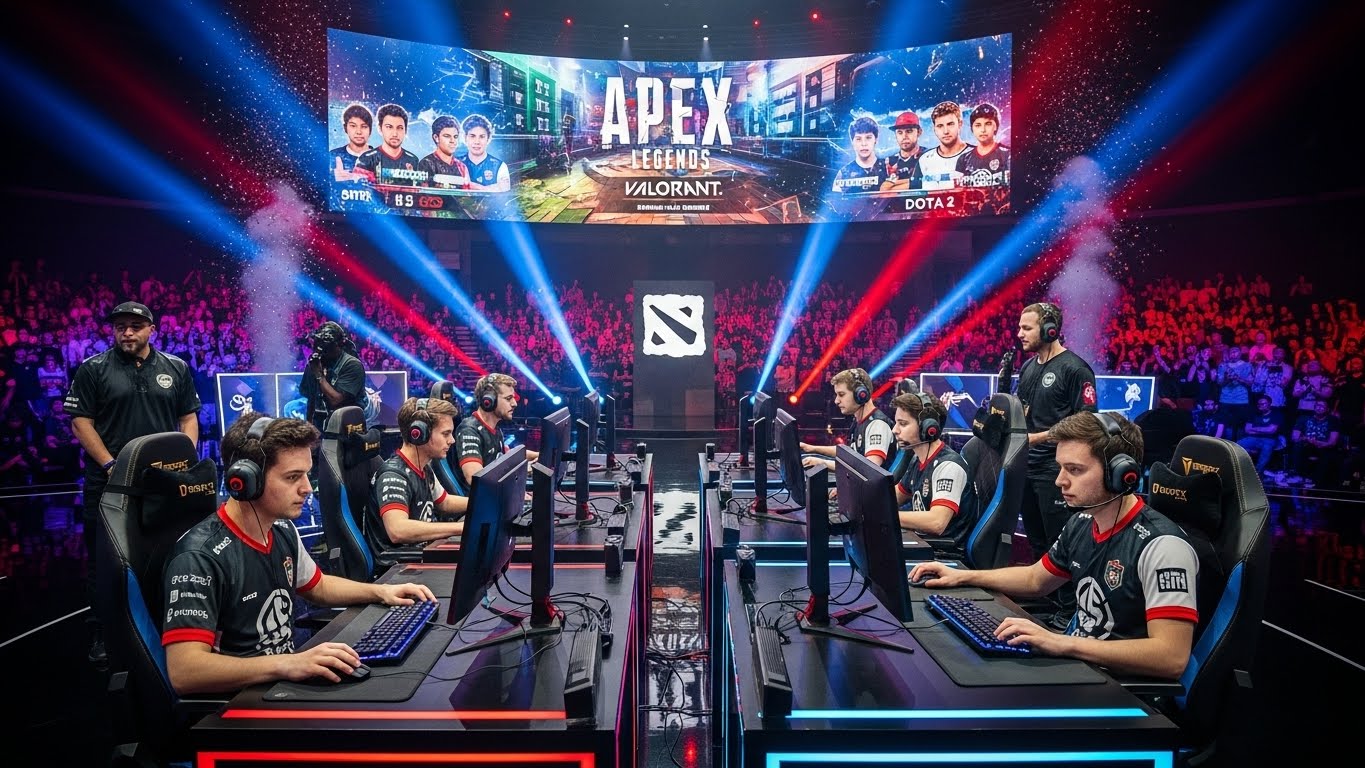
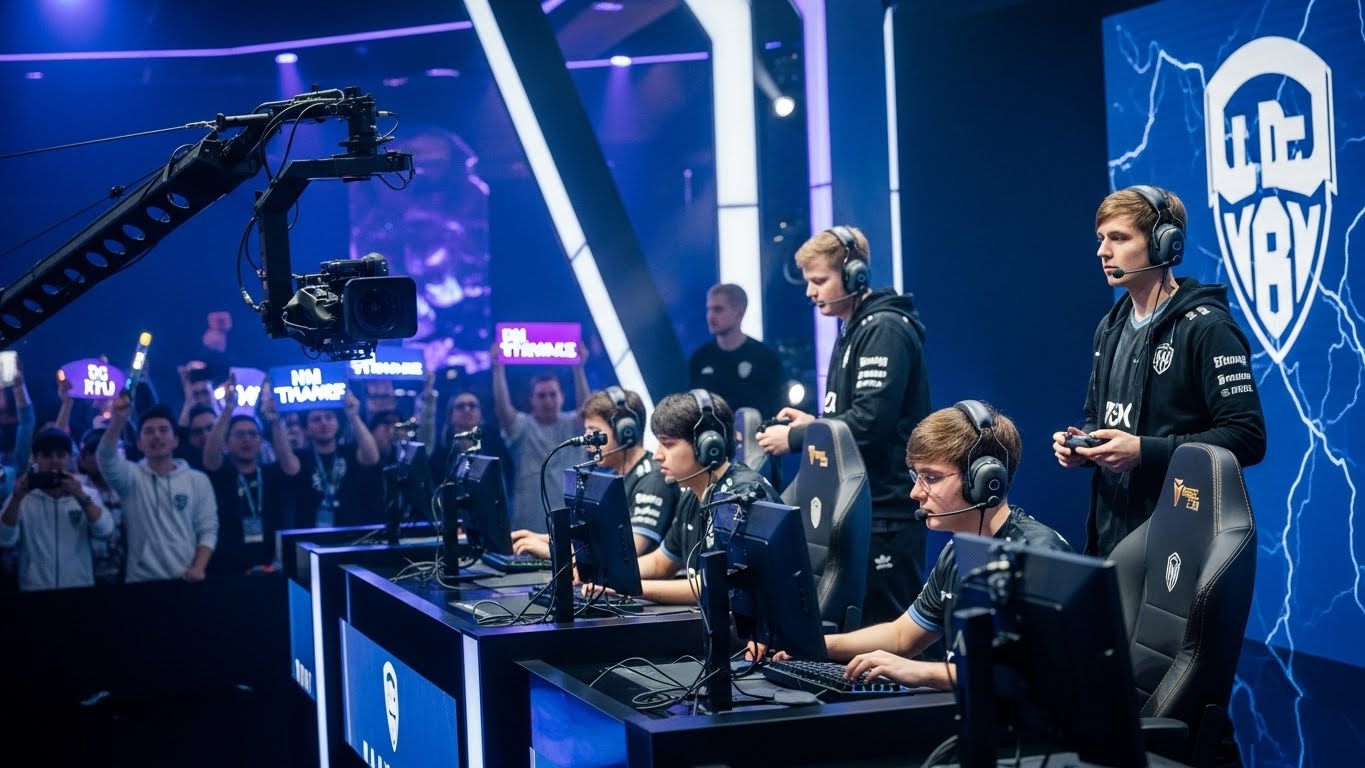
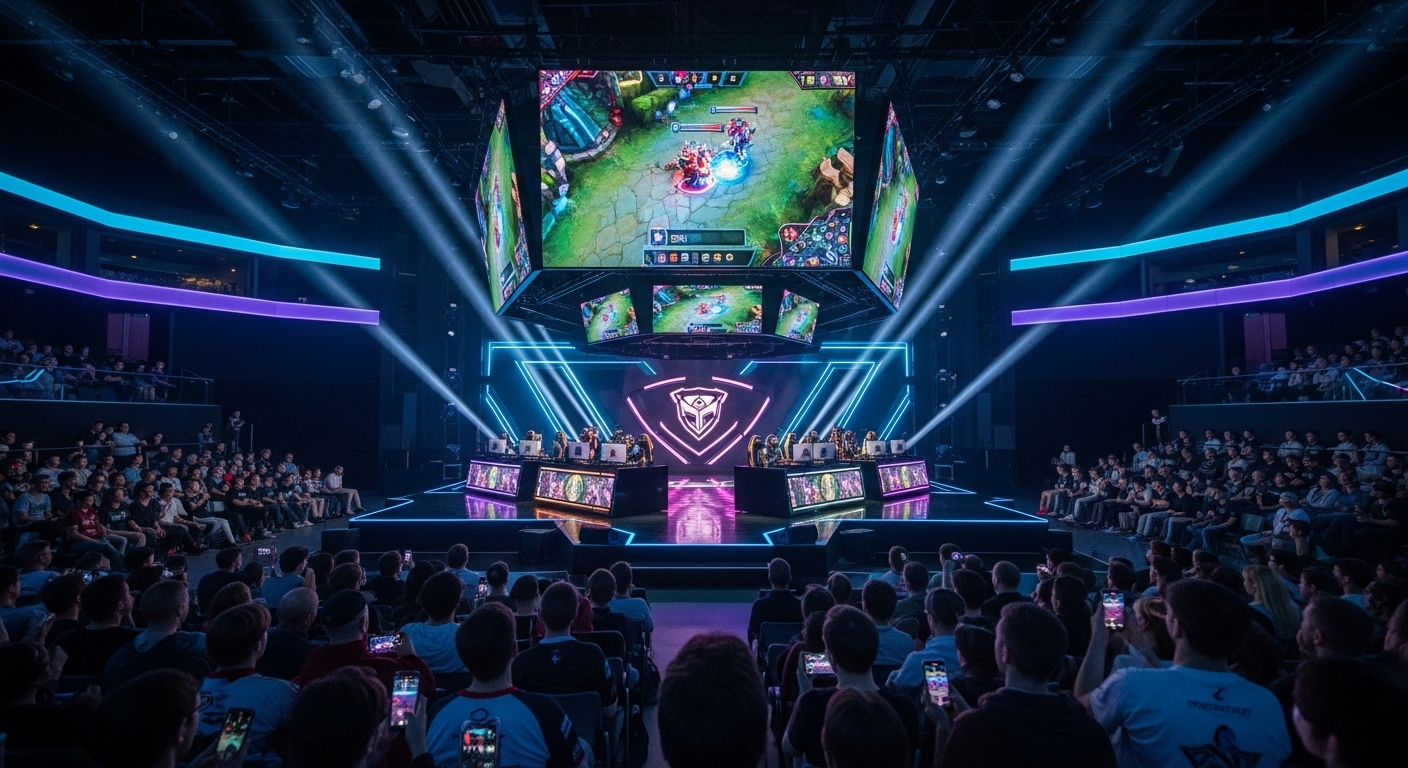
At the heart of esports lies a highly organized ecosystem involving players, teams, tournaments, sponsors, and audiences. Professional teams are often structured like traditional sports clubs, complete with coaches, analysts, and training facilities. Games such as League of Legends, Counter-Strike 2, and Valorant have established professional leagues where teams compete for substantial prize pools and global recognition. Major tournaments, including The International for Dota 2 and the League of Legends World Championship, attract millions of viewers and offer prize money that often surpasses those in many conventional sports. These events fill arenas and stadiums, proving that esports can command the same level of excitement and prestige as traditional athletic competitions.
The Business of Esports: Beyond the Game
Esports has grown into a multifaceted business industry encompassing sponsorships, merchandise, advertising, and media rights. Leading brands, from technology companies to fashion labels, are investing heavily in esports to connect with younger, digitally-savvy audiences. Revenue streams include tournament ticket sales, streaming subscriptions, and partnerships with gaming platforms. The rise of influencer marketing has also played a crucial role, as esports players double as content creators, engaging fans through live streams and social media. In addition, universities and educational institutions have started offering esports scholarships and degrees, acknowledging its potential as both a career path and an academic field. The economic potential of esports is enormous, with market projections estimating continuous growth in both audience size and revenue in the coming years.
The Players: Modern Athletes of the Digital Age
One of the biggest shifts in perception around esports has been recognizing professional gamers as true athletes. Though their arena is virtual, the discipline, strategy, and teamwork required are comparable to any traditional sport. Professional players train for hours daily, honing their reflexes, coordination, and communication skills. Mental endurance is as critical as physical stamina, as high-pressure matches demand concentration and split-second decision-making. Some teams employ nutritionists, psychologists, and physical trainers to ensure players maintain peak performance. The lifestyle of a pro gamer is demanding, with international travel, rigorous schedules, and constant competition. Yet, for many, the passion for the game and the thrill of victory make the effort worthwhile.
The Cultural Impact: Changing Perceptions and Breaking Barriers
Esports has redefined how society views gaming. Once dismissed as a mere hobby or distraction, gaming is now recognized as a legitimate form of entertainment, competition, and career. Esports has also broken geographical and social barriers, connecting people across different cultures, languages, and backgrounds. The inclusivity of esports allows individuals who might not fit into traditional sports molds to find their own community and identity. Female gamers, for instance, are gaining prominence despite facing challenges in an industry long dominated by men. Representation and diversity are gradually improving, signaling a positive shift toward equality in gaming. Moreover, esports has inspired younger generations to pursue careers not only as players but as commentators, event organizers, developers, and designers.
Esports and Education: Bridging Learning and Play
The educational sector has begun embracing esports as a valuable tool for learning and engagement. Schools and universities worldwide are establishing esports programs that teach students teamwork, leadership, and strategic thinking. Gaming also enhances problem-solving and technological literacy, skills essential in the modern workforce. Some educators use esports as a gateway to STEM (science, technology, engineering, and mathematics) education, recognizing that games often involve complex systems and coding principles. By integrating esports into academic settings, institutions are acknowledging the growing importance of digital culture in shaping the future of education and employment.
The Challenges: Balancing Growth with Responsibility
Despite its success, esports faces several challenges that must be addressed for sustainable growth. One major issue is player burnout, as the intense schedule and competitive pressure can take a toll on mental health. Another challenge is ensuring fair play, with cheating, match-fixing, and doping occasionally tarnishing the industry’s reputation. Additionally, the gaming community must confront issues of online toxicity and harassment, creating safer spaces for players and fans alike. The lack of unified regulations across different regions and games also poses organizational hurdles. As esports continues to professionalize, industry leaders are working to implement ethical standards, better player protection, and healthier competitive environments.
Esports and Traditional Sports: Rivals or Partners?
Rather than replacing traditional sports, esports complements and enhances the sporting landscape. Many sports organizations now recognize the potential of esports to engage younger audiences. Football clubs, basketball leagues, and racing associations have launched their own esports divisions, blending physical and digital competition. The crossover between the two worlds is becoming increasingly common, with athletes and celebrities investing in esports teams and participating in gaming events. This symbiotic relationship demonstrates that competition, whether physical or digital, shares the same spirit of passion, skill, and entertainment.
The Future of Esports: Innovation and Expansion
The future of esports is brimming with possibilities. Technological advancements such as virtual reality (VR), augmented reality (AR), and artificial intelligence (AI) are set to revolutionize the gaming experience. Imagine players competing in immersive 3D environments, or AI-driven tools analyzing gameplay to provide real-time coaching insights. The integration of blockchain and digital collectibles is also changing how fans engage with their favorite teams and players. As 5G networks expand globally, the accessibility of high-quality competitive gaming will reach new heights. Furthermore, esports’ inclusion in global multi-sport events and potential Olympic recognition signal its growing legitimacy and influence on the world stage.
The Human Connection: More Than Just a Game
At its core, esports is about connection. Behind every match, every strategy, and every victory is a story of dedication, teamwork, and human emotion. Players form friendships across continents, fans rally behind their teams with unwavering loyalty, and communities celebrate the joy of competition. Esports bridges the gap between digital and physical realities, reminding us that the essence of sport lies not in the medium but in the spirit of play. Whether on a field, in a stadium, or through a screen, the thrill of victory and the agony of defeat remain universal.
Conclusion: The New Era of Global Competition
Esports has transcended its origins to become a defining force in modern culture. It embodies the convergence of technology, entertainment, and human aspiration. As the digital arena continues to expand, esports stands as a testament to the limitless potential of human creativity and competition. What was once niche is now mainstream, and what began as play has become a profession, a passion, and a global phenomenon. The rise of esports is not merely the evolution of gaming—it is the evolution of how we define sport, community, and achievement in the twenty-first century.