Introduction to Esports
Over the past two decades, esports has transformed from a niche hobby into one of the most dominant forces in global entertainment. Once considered just a pastime for gamers, esports now commands millions of viewers, multi-million-dollar tournaments, and professional athletes who are celebrated worldwide. The rise of competitive gaming has not only redefined how people view sports but also how technology, entertainment, and community intersect. Today, esports is no longer confined to computer screens; it’s a global culture, an economy, and a lifestyle.
The Early Days of Competitive Gaming
The roots of esports stretch back to the early days of video gaming in the 1970s and 1980s. The very first recorded competitive gaming event took place in 1972 at Stanford University, where players competed in a game called “Spacewar.” The prize was a one-year subscription to a magazine, which may seem small by today’s standards, but it marked the beginning of something extraordinary.
In the 1980s, arcade competitions became popular. Games like Pac-Man, Donkey Kong, and Space Invaders had players battling for high scores on leaderboards. The competitive spirit of gaming started to grow, fueled by the desire to be the best in the world. Tournaments were often organized by gaming magazines and arcades, giving rise to a community of players who would travel to compete.
The Internet Revolution and the Birth of Modern Esports
The 1990s marked a turning point in gaming history. The rise of personal computers and the internet enabled players from different parts of the world to compete without being physically present. Games like Quake, Counter-Strike, and StarCraft became the foundation of early esports tournaments.
LAN (Local Area Network) parties became the norm for competitive gamers, as friends and teams gathered in small venues to play together. StarCraft in particular, especially in South Korea, became a national obsession. It was broadcast on television, and professional players began to gain celebrity status. This period saw the emergence of esports as a structured competition rather than just casual gaming.
The 2000s: Building the Foundations of a Global Industry
The early 2000s brought rapid technological advancements, improved internet infrastructure, and new multiplayer games that were ideal for competition. Titles like Counter-Strike, Warcraft III, Halo, and Dota started building massive followings.
Organizations began forming to support the growing esports ecosystem. Major tournaments such as the World Cyber Games and the Electronic Sports World Cup became international events. Players were now competing not just for fun, but for real money and recognition.
South Korea continued to dominate the scene, with television networks dedicated to broadcasting matches. Meanwhile, in Western countries, platforms like Twitch (launched later in 2011) and YouTube Gaming eventually opened the door for global audiences to watch these tournaments live.
Esports Becomes a Mainstream Phenomenon
By the 2010s, esports had officially entered the mainstream. The introduction of live-streaming platforms allowed millions of viewers to watch their favorite games, teams, and players in real time. Titles such as League of Legends, Dota 2, and Counter-Strike: Global Offensive became household names.
Developers and publishers started to recognize the potential of esports as a major part of their games’ ecosystems. Riot Games, for instance, built the League of Legends Championship Series (LCS), which became one of the most-watched esports leagues in the world. Valve introduced The International for Dota 2, featuring massive prize pools funded by the community through in-game purchases.
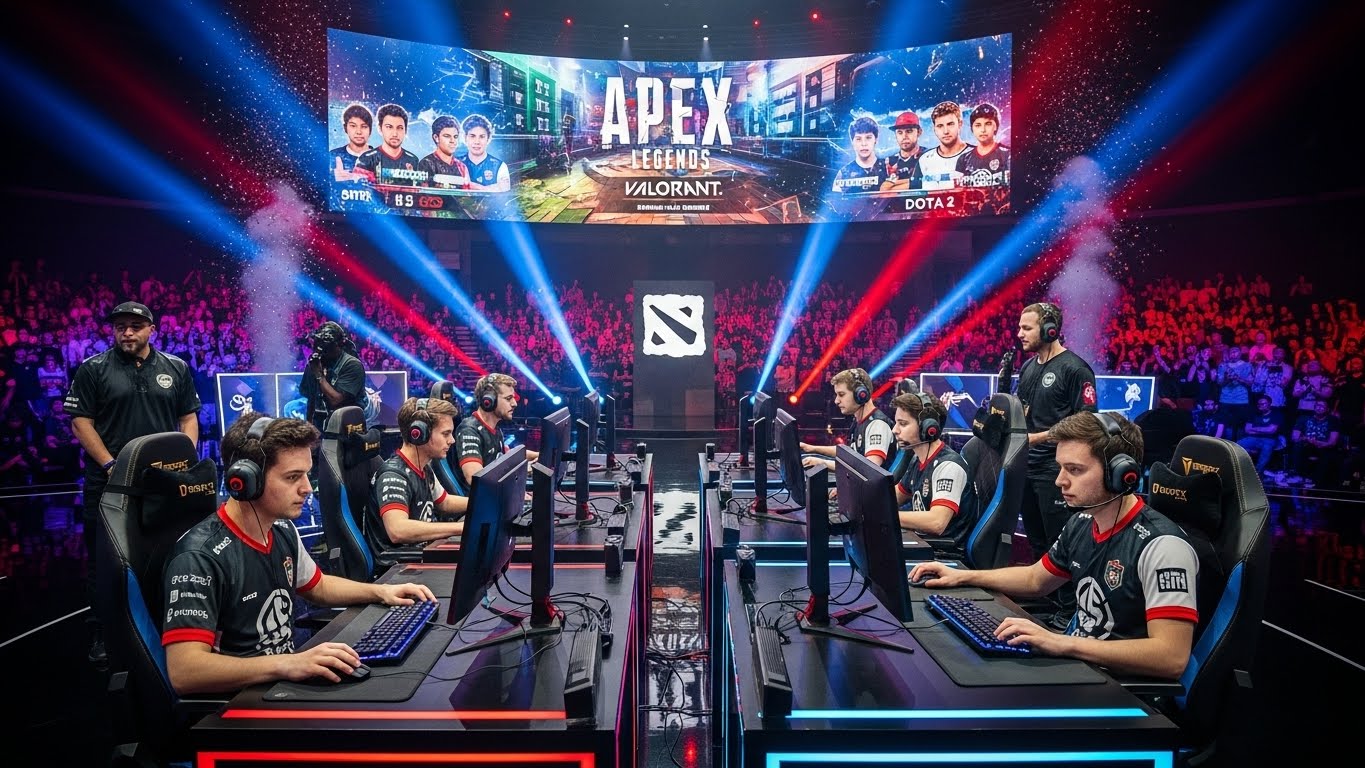
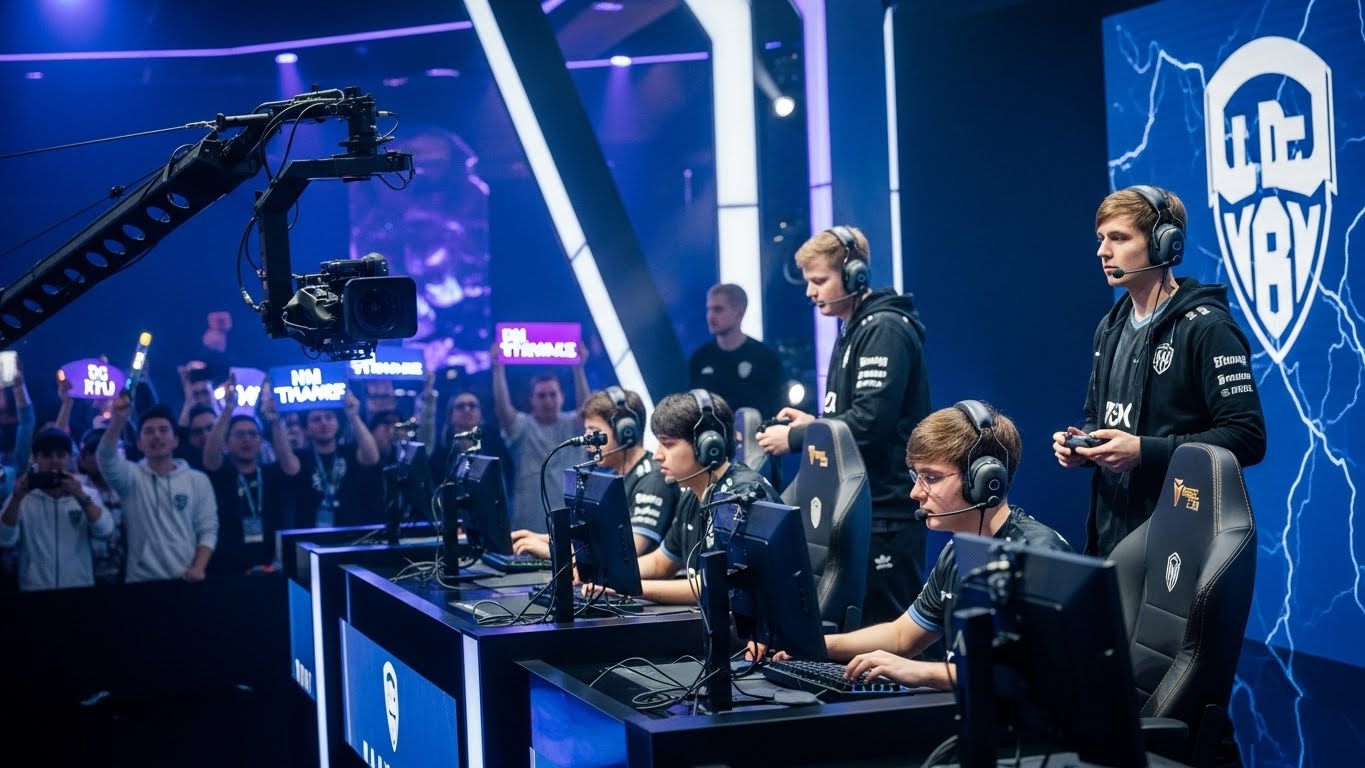
These innovations turned esports into an entertainment powerhouse. Events filled stadiums, from Los Angeles to Shanghai, and millions tuned in online. Professional teams secured sponsorships from global brands, and esports organizations began operating much like traditional sports franchises.
The Economic Impact of Esports
Esports is not just entertainment; it’s a thriving industry worth billions. The revenue streams are diverse, including sponsorships, advertising, ticket sales, merchandise, media rights, and in-game purchases. Companies like Intel, Red Bull, and even car manufacturers have invested heavily in esports, recognizing its appeal to younger audiences.
Prize pools have skyrocketed over the years. The International for Dota 2 consistently offers tens of millions of dollars in rewards. Esports athletes can earn substantial incomes from tournament winnings, streaming revenue, and sponsorship deals.
Additionally, cities around the world are investing in esports arenas and training facilities, hoping to become hubs for gaming events. The ecosystem now includes not only players and teams but also coaches, analysts, commentators, event organizers, and content creators.
Esports and Technology: A Symbiotic Relationship
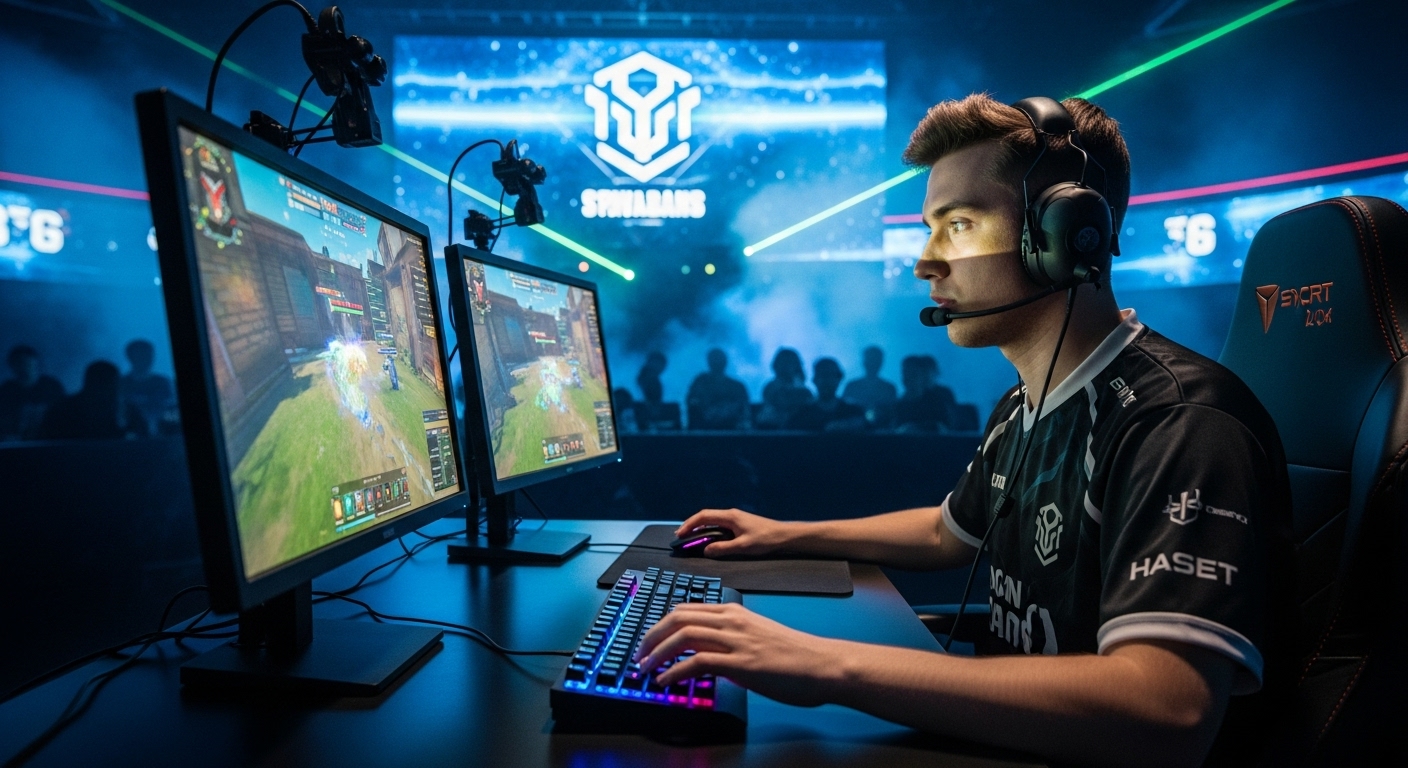
Technology is the heartbeat of esports. Every advancement in gaming hardware, software, and network infrastructure pushes the boundaries of what esports can achieve. High-speed internet connections, powerful gaming PCs, and cloud-based services have made global competition seamless.
Virtual reality and augmented reality are expected to play a role in the future of competitive gaming. Meanwhile, advancements in artificial intelligence and data analytics are helping teams analyze opponents, improve strategies, and enhance performance.
Streaming platforms have revolutionized how esports content is consumed. Fans can watch tournaments, follow their favorite players, and interact with them directly through chat. The sense of community built through these platforms has become one of the strongest aspects of esports culture.
The Cultural Influence of Esports
Esports has become more than just games; it’s a lifestyle and a cultural movement. It influences fashion, music, and even education. Universities across the world now offer scholarships and degree programs in esports management, game design, and digital marketing.
Gaming celebrities have fan followings rivaling traditional athletes. The rise of content creators and streamers has blurred the line between entertainment and competition. Esports events often feature live music performances, celebrity appearances, and large-scale productions that rival major sports championships.
Moreover, esports has fostered a sense of community and inclusivity. Players from all backgrounds can compete on equal terms. Unlike traditional sports, where physical ability can be a limiting factor, esports celebrates skill, strategy, and teamwork.
Challenges Facing the Esports Industry
Despite its success, esports faces significant challenges. One of the biggest concerns is the mental and physical health of players. The pressure to perform, long hours of practice, and the sedentary nature of gaming can take a toll on professional athletes. Organizations are increasingly hiring psychologists, nutritionists, and fitness coaches to support their players.
Another major issue is the lack of standardized regulations. Since esports is global and spans many games, there is no unified governing body. This leads to inconsistent rules, contract disputes, and issues with cheating or match-fixing. Efforts are being made to establish fair play standards and ethical guidelines to protect both players and the integrity of the games.
Toxic behavior and online harassment also remain prevalent problems. Developers and communities are working to foster more positive and inclusive environments, but it’s an ongoing battle that requires continuous effort and awareness.
Women in Esports
For many years, esports has been male-dominated, but that trend is changing. More women are entering the industry as players, commentators, and team owners. Female-focused tournaments and organizations are promoting gender equality and creating opportunities for women to shine in competitive gaming.
Representation is crucial. As more women gain visibility in esports, it inspires others to participate and pursue careers in gaming. The inclusion of diverse voices is helping esports evolve into a more inclusive and balanced community.
The Role of Education in Esports Growth
Education plays a vital role in the professionalization of esports. Schools and universities have begun integrating esports programs that teach not only gameplay but also management, marketing, and event organization. These programs prepare students for the many career opportunities within the esports ecosystem.
High schools have even started forming esports clubs and leagues, giving students a chance to compete and develop teamwork, leadership, and communication skills. Such initiatives help legitimize esports as a respected field of study and a viable career path.
Esports and Traditional Sports: A Growing Partnership
The relationship between esports and traditional sports has evolved from rivalry to partnership. Major sports franchises such as the NBA, NFL, and European football clubs have invested in esports teams. Athletes like Shaquille O’Neal and David Beckham have become shareholders in esports organizations.
Both industries share similarities in terms of teamwork, strategy, and fan engagement. Traditional sports have even borrowed elements from esports, such as digital broadcasts, fan interactivity, and online competitions. Meanwhile, esports has adopted sports-style leagues and tournaments that bring structure and professionalism.
The Globalization of Esports
Esports is a truly global phenomenon. From Asia to North America, Europe, and the Middle East, competitive gaming transcends language and culture. Each region contributes its own identity to the esports world.
Asia remains the powerhouse, with South Korea, China, and Japan leading in production, viewership, and talent. North America focuses heavily on infrastructure and franchised leagues. Europe continues to produce some of the most skilled players across various titles. The Middle East and Africa are emerging markets with growing investments in gaming technology and youth participation.
The global appeal of esports lies in its accessibility. Anyone with a computer, console, or smartphone can play, compete, and become part of the community.
The Future of Esports
Looking ahead, the future of esports is brighter than ever. The industry is expected to continue expanding, driven by advancements in technology, increased sponsorships, and growing mainstream acceptance.
Mobile esports is one of the fastest-growing segments, especially in regions where smartphones are more accessible than high-end gaming PCs. Titles like PUBG Mobile, Mobile Legends, and Free Fire have drawn massive audiences and professional leagues.
Virtual reality could redefine competitive gaming experiences, offering immersive environments and new gameplay formats. Artificial intelligence might also assist in creating smarter opponents, fairer matchmaking, and enhanced spectator experiences.
Esports is also moving toward inclusion in major sporting events. The 2022 Asian Games included esports as a medal event, and discussions continue about its potential inclusion in future Olympic Games.
Conclusion: The Power of Play
Esports represents the perfect fusion of competition, technology, and creativity. It’s a testament to how digital entertainment can evolve into a cultural and economic powerhouse. What began as friendly gaming sessions has grown into an industry that rivals traditional sports in popularity and revenue.
The beauty of esports lies in its accessibility and diversity. It brings together people from every corner of the world, united by a shared passion for gaming. Whether as a player, fan, or professional, there’s a place for everyone in this ever-expanding universe.
As technology continues to advance and society becomes increasingly digital, esports will only continue to grow in importance. It’s not just the future of gaming—it’s the future of entertainment itself.