Introduction The Digital Arena Redefining Competition
Esports has emerged as one of the most influential cultural and technological movements of the modern world. What began as small gaming events among friends has transformed into a global phenomenon that commands massive audiences, attracts major sponsors, and creates new career paths for millions. Esports is no longer just about playing games. It is a competitive ecosystem where digital athletes showcase strategic thinking, precision, teamwork, and mental discipline at levels comparable to traditional sports. This new era of digital athleticism is reshaping how the world views competition, entertainment, and community.
The Early Days of Competitive Gaming
The roots of esports can be traced back to the earliest days of video gaming. In the 1980s and 1990s, players competed for high scores in arcades or battled friends during local tournaments on home consoles. These events were small in scale, but they marked the beginning of organized competitive gaming. As technology evolved, so did the possibilities for competition.
The introduction of the internet changed everything. Suddenly, players could compete with others across the world without leaving their homes. Online multiplayer games sparked a new wave of enthusiasm and skill development. This new accessibility laid the foundation for professional esports, structured tournaments, and internationally recognized players.
The Global Expansion of Esports
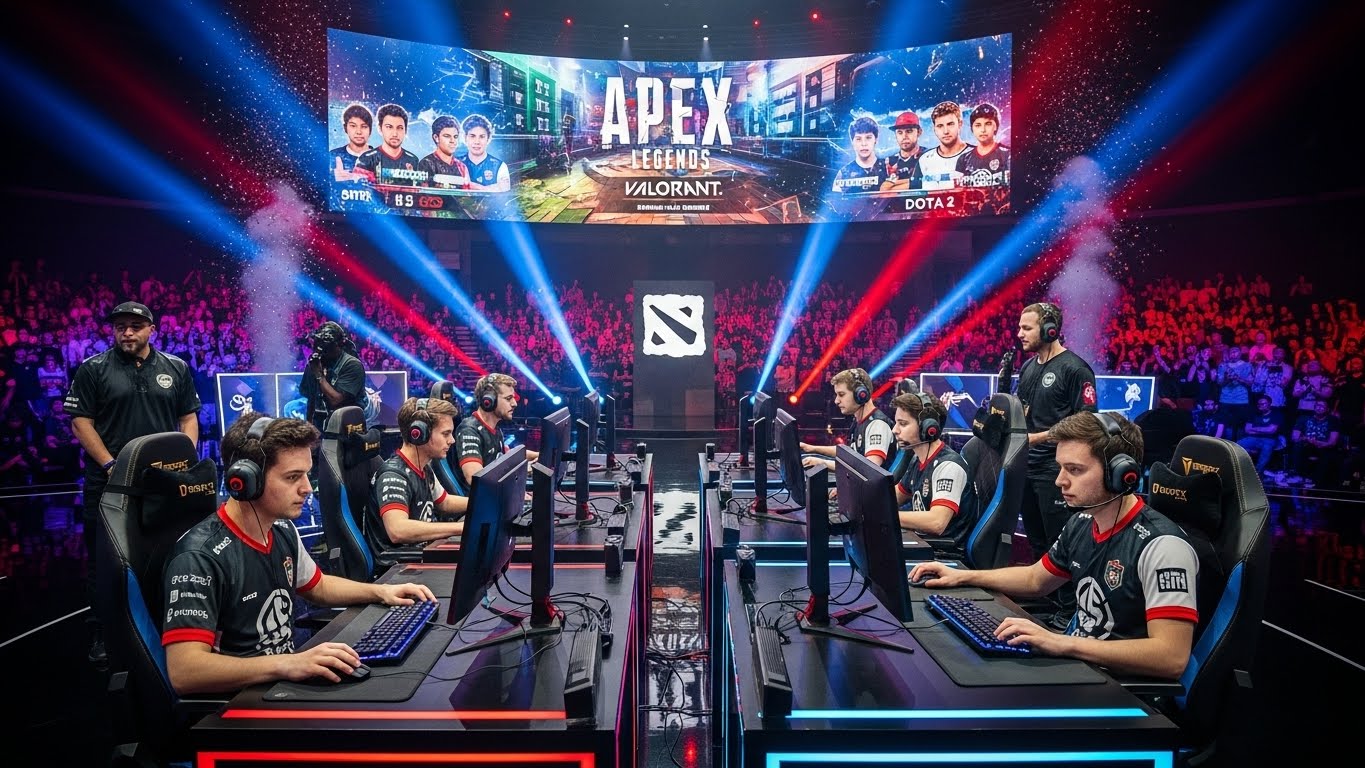
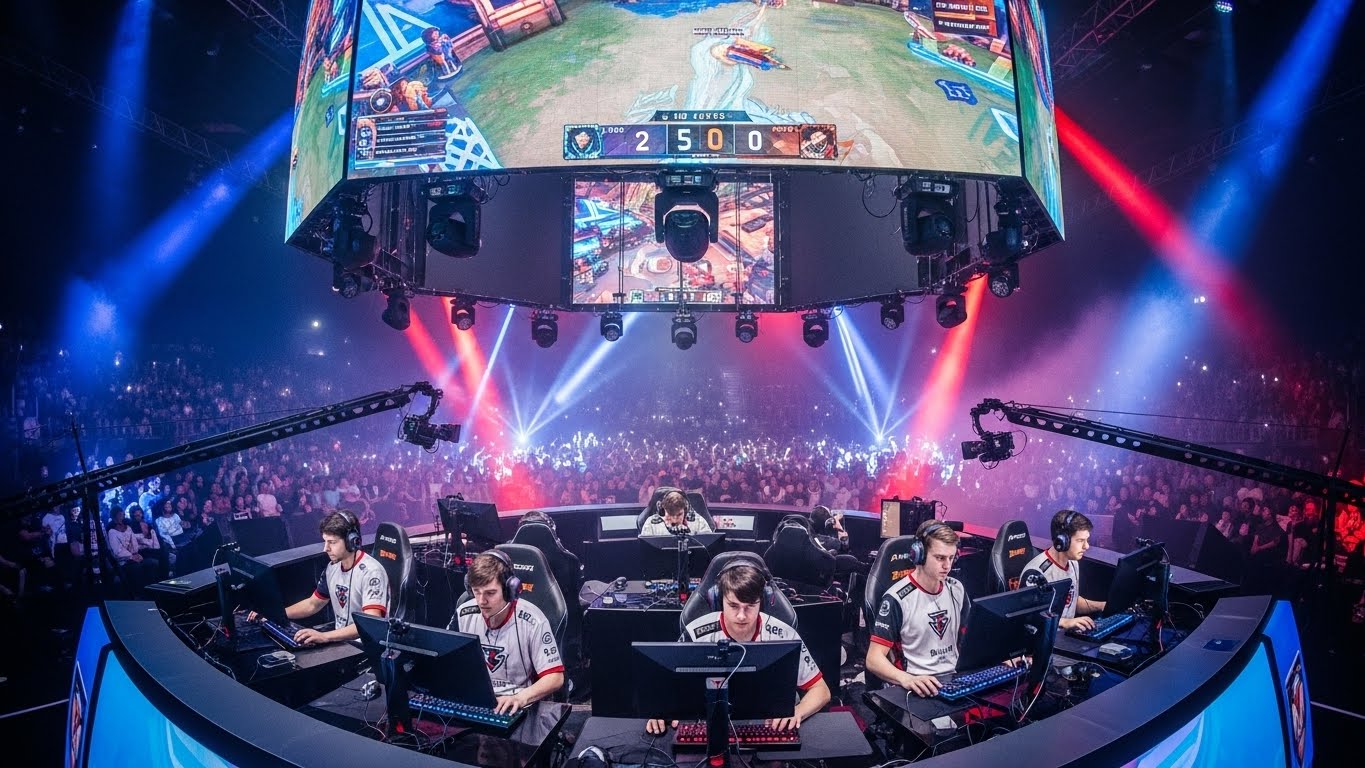
Today, esports is a global powerhouse with millions of fans and countless active players. Large arenas fill with cheering crowds, professional leagues are broadcast around the world, and championship events gather viewership numbers that rival major traditional sports competitions. Esports has transitioned from niche entertainment to a mainstream cultural force.
The international appeal of esports lies in its accessibility and inclusiveness. Anyone with a gaming device and internet connection can participate. There are no physical barriers, no age restrictions, and no limitations based on geography. Gamers from different cultures and backgrounds can connect, compete, and collaborate in real time. This global reach has fueled the rapid expansion of esports and strengthened its presence in the entertainment industry.
Understanding What Makes Esports a Sport
There is ongoing debate about whether esports should be classified as a sport. However, many of the fundamental qualities of traditional sports are equally present in esports. Professional players dedicate countless hours to training, developing reflexes, mastering strategies, and improving communication with their teammates. The mental stamina required to perform at elite levels is immense. Players must analyze situations rapidly, make split-second decisions, and respond to unpredictable challenges.
Esports also involves structured teams, coaching staff, analysts, fitness routines, and competitive environments. The pressure, excitement, and emotional intensity of esports competition mirror those of traditional sports. When examining the discipline, skill, and dedication involved, it becomes clear that esports embodies the essence of athletic competition, even if the physical requirements differ from conventional sports.
Popular Esports Games and Their Competitive Appeal
Esports spans multiple genres, each offering unique elements that challenge players in different ways. Multiplayer online battle arena games emphasize team coordination, resource management, and advanced strategic planning. First-person shooters test reflexes, accuracy, and situational awareness. Fighting games demand precise timing, adaptability, and deep knowledge of character mechanics. Real-time strategy games require quick thinking, multitasking, and long-term planning. Sports simulation games combine the thrill of athletic competition with the creativity of virtual environments.
Each genre has built its own competitive community and maintains its own professional circuits. The variety of games ensures that esports appeals to a wide range of interests and skill sets. Different players gravitate toward different genres, creating a diverse and vibrant competitive landscape.
The Life and Training of Professional Esports Players
Becoming a professional esports athlete requires extraordinary dedication. Top players train intensely, often spending eight to twelve hours a day refining their mechanics, studying strategies, and practicing communication with their teammates. Their training is not limited to gameplay alone. Many esports organizations hire coaches, analysts, nutritionists, and fitness trainers to support their players’ overall performance.
Coaches provide strategic guidance, analyze opponents, and help players overcome weaknesses. Analysts study game data and help the team develop effective tactics. Sports psychologists assist players in managing stress, maintaining focus, and staying mentally strong during high-pressure situations. Physical fitness is also increasingly important, as a healthy body supports mental endurance and prevents long-term injuries such as wrist strain or posture-related issues.
The life of a professional esports athlete may appear glamorous, but it demands commitment, resilience, and constant self-improvement. Only the most disciplined and hardworking players reach the highest levels of competition.
The Spectator Experience and the Rise of Esports Fandom
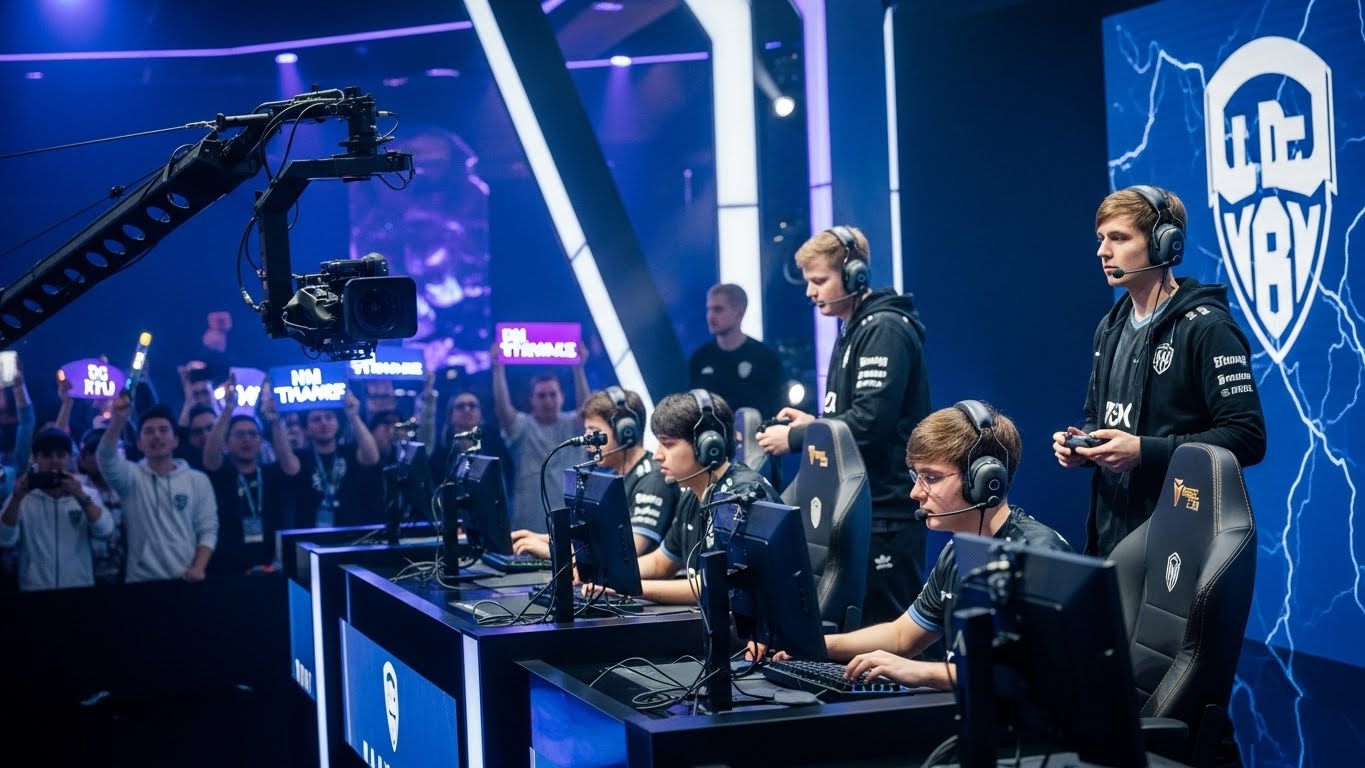
One of the key factors behind the success of esports is the passionate community that surrounds it. Fans engage with players and teams through live broadcasts, social media interactions, and online forums. The energy of the esports community is powerful and unifying, bringing people together through shared passion for competition and gaming culture.
Watching esports is a thrilling experience. Matches feature fast-paced action, unpredictable outcomes, and dramatic moments that keep spectators on the edge of their seats. Commentators, analysts, and content creators add depth to the viewing experience by explaining strategies, highlighting key plays, and providing entertaining insights.
Live events elevate the excitement even further. The atmosphere in esports arenas is electric, filled with cheers, chants, and celebrations. Fans proudly support their favorite teams, creating an environment that rivals the passion found in traditional sports stadiums.
The Impact of Technology on Esports Evolution
Technology has been the driving force behind the rise of esports. High-performance gaming systems, advanced graphics, fast internet speeds, and improved online gaming platforms have made competitive gaming smoother and more immersive. Streaming technology allows millions of fans to watch tournaments in real time with clear visuals and interactive features.
Developers continue to innovate by creating games designed specifically for competitive play. These games are balanced, constantly updated, and built to support high-level competition. Artificial intelligence is also being used to analyze gameplay, improve matchmaking systems, and help players train more effectively.
Emerging technologies such as virtual reality and augmented reality may introduce entirely new forms of esports in the future. These advancements could bring physical movement, deeper immersion, and new layers of strategy into competitive gaming.
The Economic Power of the Esports Industry
Esports has become a major economic force with multiple revenue streams. Sponsorships from well-known brands, media broadcasting rights, merchandise sales, and tournament earnings contribute to the industry’s growth. Professional players earn salaries, endorsement deals, and prize money from tournaments. Content creators and streamers build careers by showcasing gameplay and engaging with audiences.
The industry also creates a wide range of job opportunities beyond playing professionally. There are roles in event management, marketing, broadcasting, coaching, game development, production, journalism, and business operations. Esports has established an entire ecosystem that supports millions of careers and continues to expand as the industry grows.
Esports in Education and Academic Development
Esports is increasingly being integrated into educational institutions. Schools and universities around the world now offer esports programs, teams, and even scholarships. These programs teach valuable skills such as teamwork, leadership, communication, and strategic thinking. Students also learn about game design, event management, digital marketing, and sports psychology.
Esports fosters community building and provides students with opportunities to develop problem-solving abilities. It encourages creativity and motivates young people to explore career paths within a rapidly growing digital industry. The educational value of esports goes far beyond gameplay, making it an important part of modern learning.
Mental Health and Challenges in Esports
Despite its exciting growth, esports also faces challenges. Mental health is a significant concern for players who experience pressure, long training hours, and performance anxiety. Burnout is common, especially for young players who struggle to balance competition with personal life.
Esports organizations are becoming more aware of these issues and are taking steps to support player well-being. Mental health professionals are hired to assist players, and structured training schedules are implemented to prevent exhaustion. Creating a healthy and sustainable environment is essential for the long-term success of the industry.
The Future of Esports
The future of esports appears incredibly promising. As technology continues to advance, esports will become more interconnected, immersive, and innovative. More countries will recognize esports as a legitimate sport, and global competitions will grow even larger. Virtual reality, augmented reality, and new game genres will shape the next generation of competitive gaming.
Esports may also merge with traditional sports in new and unexpected ways. Hybrid competitions, advanced training tools, and digital-physical gaming experiences could redefine athletic competition. The potential for growth is limitless, and esports is set to remain a major cultural and technological force.
Conclusion A New Chapter in Human Competition
Esports represents a new chapter in the evolution of competition. It blends skill, strategy, teamwork, and technology into a dynamic form of entertainment that captivates audiences around the world. From humble beginnings to global recognition, esports has proven that digital athleticism deserves a place alongside traditional sports. It continues to inspire new generations of players, fans, and innovators who will push the boundaries of what competition can be in the digital age.