Introduction: The New Frontier of Competition
Esports, or electronic sports, has transformed the way the world perceives competition. What began as casual video gaming among friends has evolved into a global phenomenon where players compete professionally, audiences watch millions strong, and entire economies revolve around digital tournaments. Unlike traditional sports, esports thrives in a virtual arena, yet it demands the same—if not more—level of skill, strategy, and discipline. This blog post explores the dynamic world of esports, its rise in popularity, its cultural impact, and why it is shaping the future of competitive entertainment.
Understanding Esports: More Than Just Gaming
At its core, esports refers to organized, competitive video gaming. Players and teams participate in tournaments across various genres including multiplayer online battle arenas, first-person shooters, real-time strategy, and sports simulation games. Popular titles such as League of Legends, Dota 2, Counter-Strike, and FIFA dominate the competitive scene, drawing audiences comparable to major traditional sports events.
Esports is not merely playing video games. Professional players undergo rigorous training schedules, focusing on reflexes, teamwork, strategic thinking, and mental resilience. Matches are broadcast on streaming platforms and television channels, making esports a highly spectator-driven industry. The line between playing and performing blurs, highlighting that esports is as much about entertainment as it is about competition.
The Growth of Esports: From Niche to Mainstream
In the early 2000s, esports existed primarily in small communities and local gaming centers. The tournaments were modest, the prize pools were small, and the audience was limited to enthusiasts. Fast forward to the present, and esports has exploded into a multi-billion-dollar global industry.
Several factors have fueled this growth. Advancements in internet speed and accessibility have made online competitions more feasible than ever. Streaming platforms allow millions to watch live matches in real-time, creating a massive fan base. Sponsorships and partnerships with major brands have transformed esports from a hobby into a professional career path.
The emergence of professional esports organizations mirrors traditional sports clubs. Teams recruit top talent, provide coaching and support staff, and participate in international leagues. The legitimacy of esports as a career path has inspired younger generations to pursue gaming professionally with the hope of achieving fame, financial success, and global recognition.
Esports and Player Development: Training Like a Professional Athlete
Esports athletes dedicate countless hours to mastering their craft. While traditional sports focus on physical prowess, esports emphasizes mental agility, precision, and teamwork. Professional players follow structured routines involving strategy review, reaction time exercises, in-game drills, and communication practice.
Mental health and stamina play crucial roles in performance. Long hours of training, high-stakes matches, and public scrutiny require players to maintain focus and manage stress effectively. Many organizations provide psychologists and fitness trainers to ensure that athletes remain mentally and physically fit, demonstrating that esports demands holistic development similar to any traditional sport.
The Role of Tournaments and Leagues
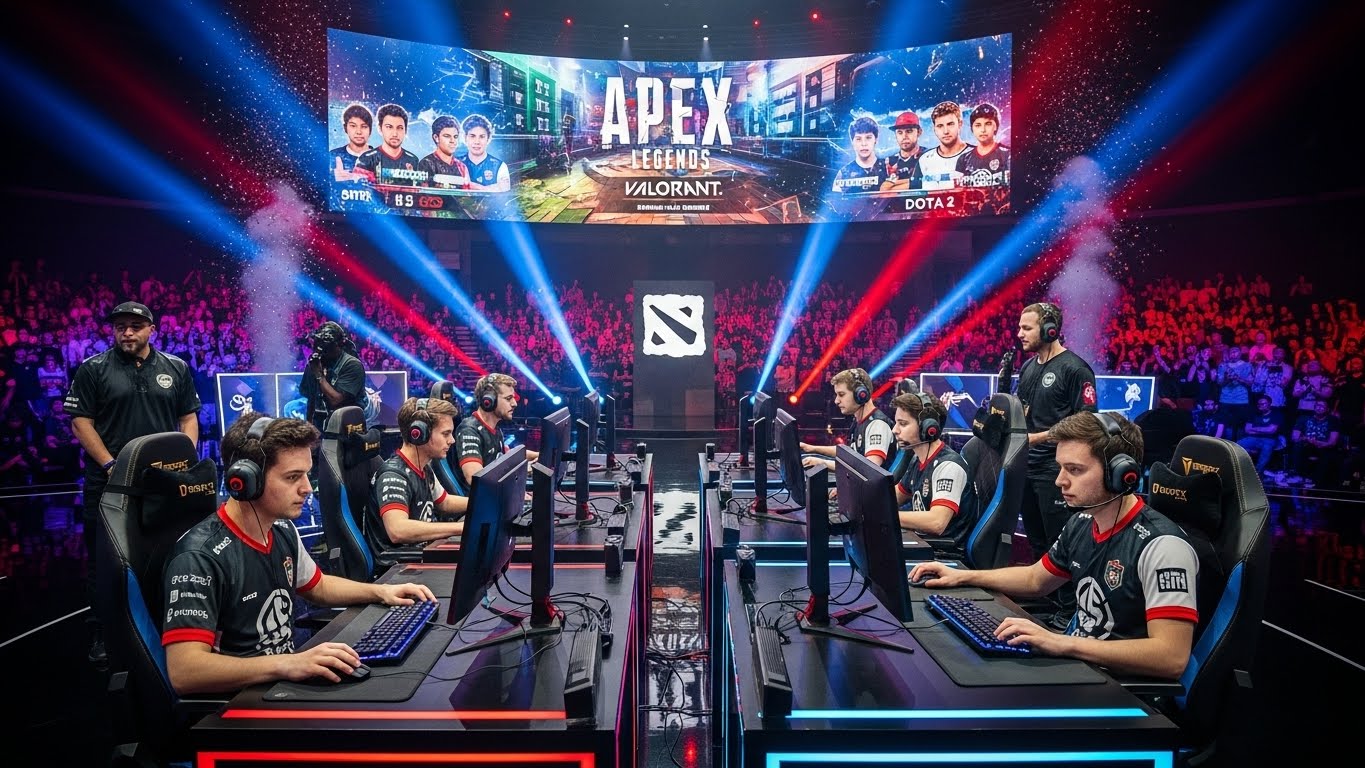
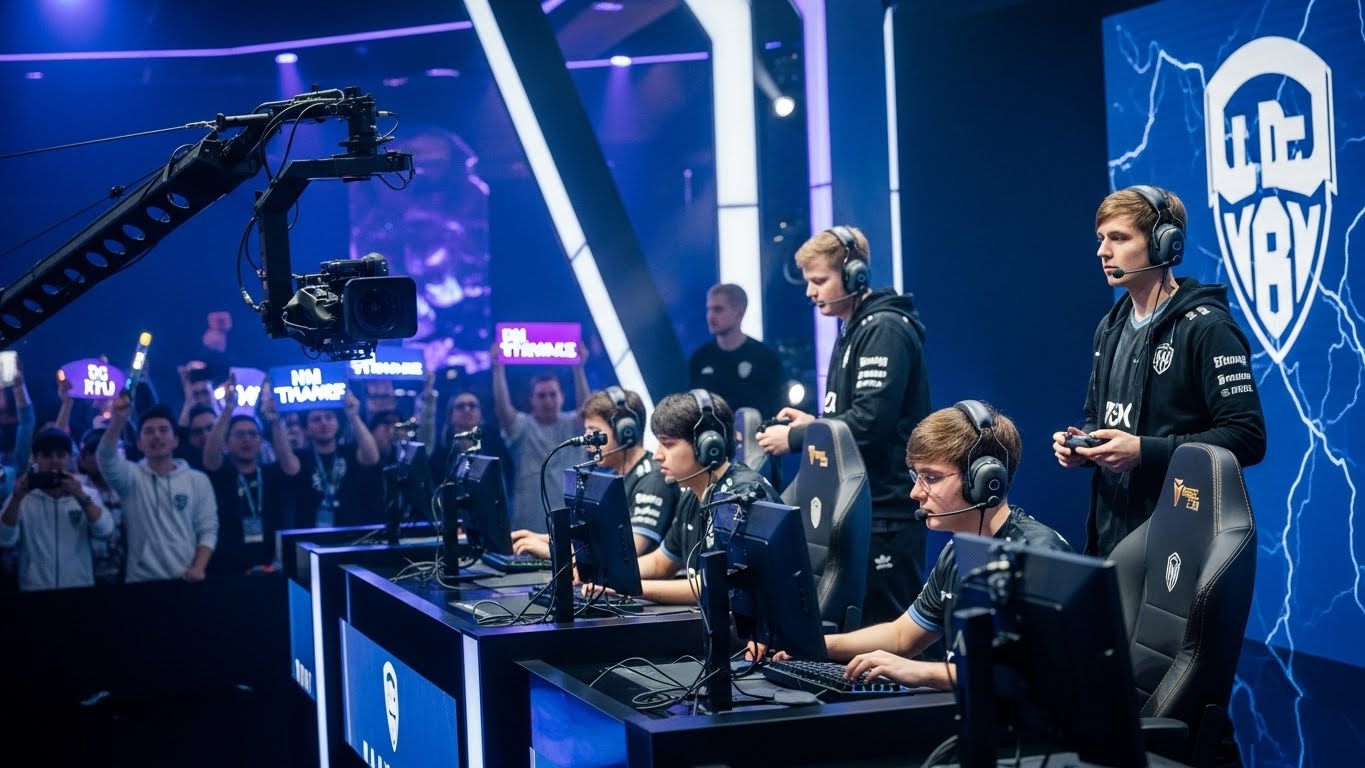
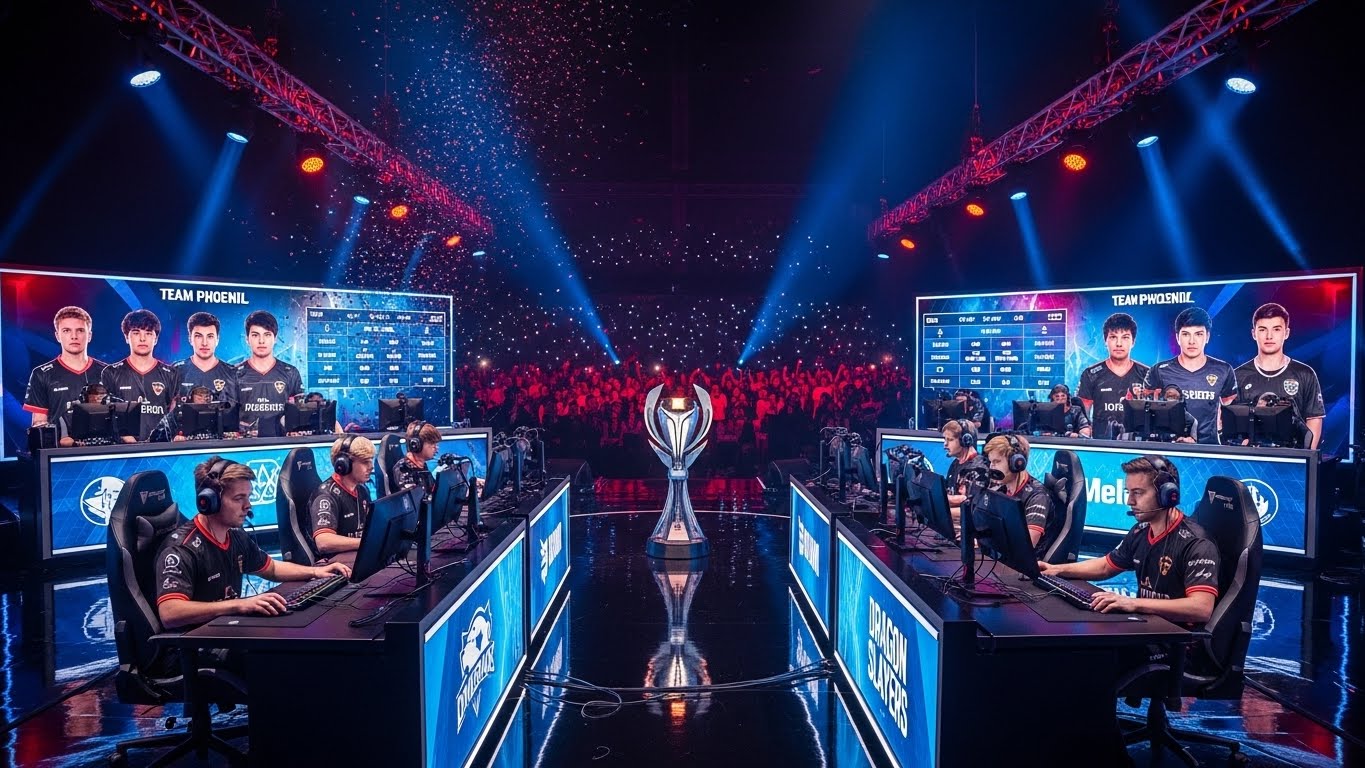
Competitive esports revolves around tournaments and leagues. Prestigious events like The International for Dota 2, the League of Legends World Championship, and the Overwatch League attract massive global audiences and offer multi-million-dollar prize pools. These tournaments are not just competitions—they are spectacles.
The production quality of these events rivals that of traditional sports. Professional casters provide live commentary, analysts break down strategies, and elaborate stage setups enhance the visual experience. Fans watch not only to see the best players compete but also to experience the thrill, drama, and storytelling that make esports captivating.
Leagues operate on seasonal structures, with regular matches determining rankings and playoff positions. This continuity allows fans to follow their favorite teams over time, fostering loyalty and community engagement.
Esports as a Global Cultural Phenomenon
Esports has transcended borders, becoming a global cultural movement. Countries like South Korea, China, and the United States have embraced esports as a legitimate form of competition, with governments, universities, and corporations investing heavily in infrastructure and development.
In South Korea, esports athletes are national celebrities, commanding fame comparable to traditional sports stars. Universities offer scholarships for esports, recognizing it as a valid academic and career path. International tournaments bring together players from different countries, fostering cross-cultural connections and promoting diversity within the gaming community.
The rise of esports influencers and streamers has further cemented its cultural presence. These individuals entertain audiences, provide insights into gameplay, and inspire future generations to pursue esports careers. Their popularity blurs the line between athletes and entertainers, creating a unique hybrid culture that is distinctly modern.
Economic Impact of Esports
Esports is not only a cultural phenomenon but also an economic powerhouse. The industry generates revenue through sponsorships, media rights, merchandise, ticket sales, and advertising. Major brands invest in esports as a way to reach younger, digitally savvy audiences.
The growth of esports has created career opportunities beyond players. Coaches, analysts, commentators, marketing specialists, and event organizers contribute to a thriving ecosystem. Gaming hardware and peripheral companies also benefit from the expanding audience, as fans seek the best equipment to improve their gameplay.
Moreover, esports tourism has emerged as a new economic segment. Cities hosting international tournaments see increased hotel bookings, restaurant revenue, and local business growth, showing that esports has tangible economic benefits similar to traditional sporting events.
Esports and Technology: Shaping the Future of Entertainment
Technology is at the heart of esports. High-speed internet, streaming platforms, augmented reality, and advanced gaming hardware have all contributed to its growth. Esports is also driving innovation in AI and analytics, with teams using performance data to optimize strategies and training routines.
Virtual reality and cloud gaming are likely to redefine the esports experience in the coming years. Fans may be able to immerse themselves directly into the game environment, providing interactive experiences beyond what traditional viewing offers. The integration of technology ensures that esports remains dynamic, continuously evolving alongside digital trends.
Challenges and Controversies in Esports
Despite its rapid growth, esports faces challenges. Issues such as player burnout, lack of standardized regulations, and concerns over fair play remain prominent. The competitive pressure can take a toll on mental health, with long hours and high expectations leading to stress and anxiety.
Cheating, match-fixing, and exploitation of young players are additional concerns. Organizations are working to implement rules, regulations, and support systems to protect players and maintain the integrity of competitions. Ensuring sustainability and ethical standards is critical for esports to continue its trajectory as a respected global industry.
The Future of Esports
The future of esports is bright and full of possibilities. As awareness and acceptance grow, esports may become an Olympic discipline or gain further recognition in international sporting arenas. Advancements in technology will continue to enhance the fan experience, allowing viewers to interact with games in unprecedented ways.
Esports will also become more inclusive, with opportunities for women, underrepresented communities, and differently-abled players to compete at the highest levels. Its blend of entertainment, competition, and technology positions esports as a unique and enduring part of modern culture.
Conclusion: Redefining Competition for a Digital Age
Esports represents the evolution of competition in a digital era. It merges skill, strategy, entertainment, and technology into a global phenomenon that continues to grow every year. Beyond the games, esports teaches resilience, teamwork, and mental discipline while fostering communities and cultural exchange worldwide.
As esports gains further recognition and continues to innovate, it is reshaping how we define sports, competition, and entertainment. The virtual arenas of today may not be traditional playing fields, but they are proving that greatness, passion, and dedication transcend physical boundaries. Esports is more than a trend—it is a defining element of modern society, poised to influence generations to come.