Introduction The Rise of Esports as a Global Phenomenon
Esports, or electronic sports, has grown from niche communities of gamers to a global phenomenon attracting millions of viewers and participants. Once considered a hobby, competitive gaming is now recognized as a professional field with dedicated teams, coaches, sponsorships, and international tournaments. The growth of esports reflects the convergence of technology, entertainment, and sports, creating a unique platform for competition, creativity, and community. In this blog, we explore the world of esports, its evolution, impact, and the promising future it holds.
The Origins of Esports From Arcades to Competitive Online Play
Competitive gaming began in arcades and local tournaments where players would test their skills against friends and rivals. Early competitions included classic titles like Pac-Man, Street Fighter, and Counter-Strike, which fostered local communities and competitive spirits. With the advent of the internet, esports expanded globally. Online platforms allowed players from different countries to compete, transforming casual gaming into structured competitions. This accessibility laid the foundation for the professional esports industry we know today.
Popular Esports Titles The Games that Define the Industry
Esports revolves around games that are engaging, competitive, and skill-intensive. Popular genres include first-person shooters, real-time strategy games, battle arenas, and sports simulations. Titles like League of Legends, Dota 2, Counter-Strike: Global Offensive, and Fortnite have defined esports culture and inspired massive communities. These games are designed to challenge players strategically and mechanically, offering depth and replayability that sustain competitive interest. Each title has its own meta, rules, and fan base, creating diverse opportunities for players and organizers alike.
Esports Tournaments and Leagues The Heart of Competitive Play
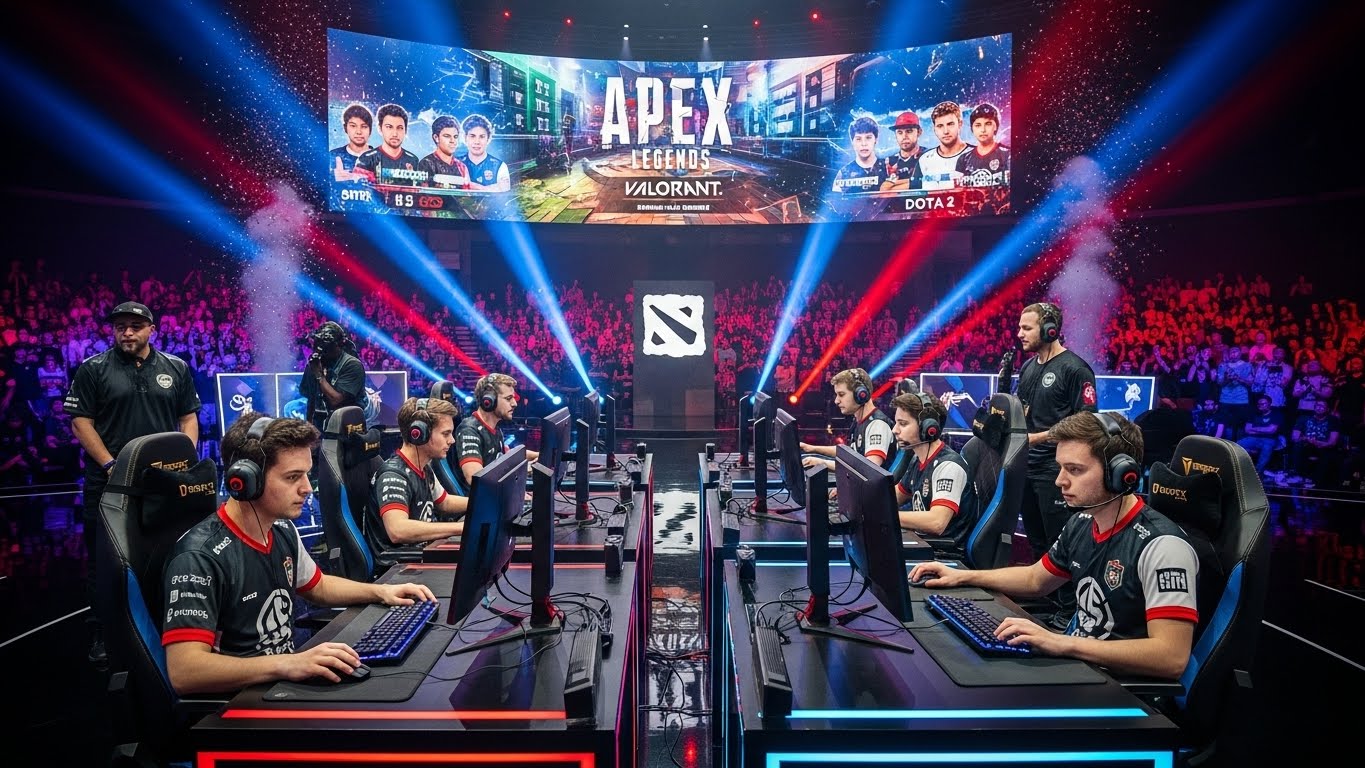
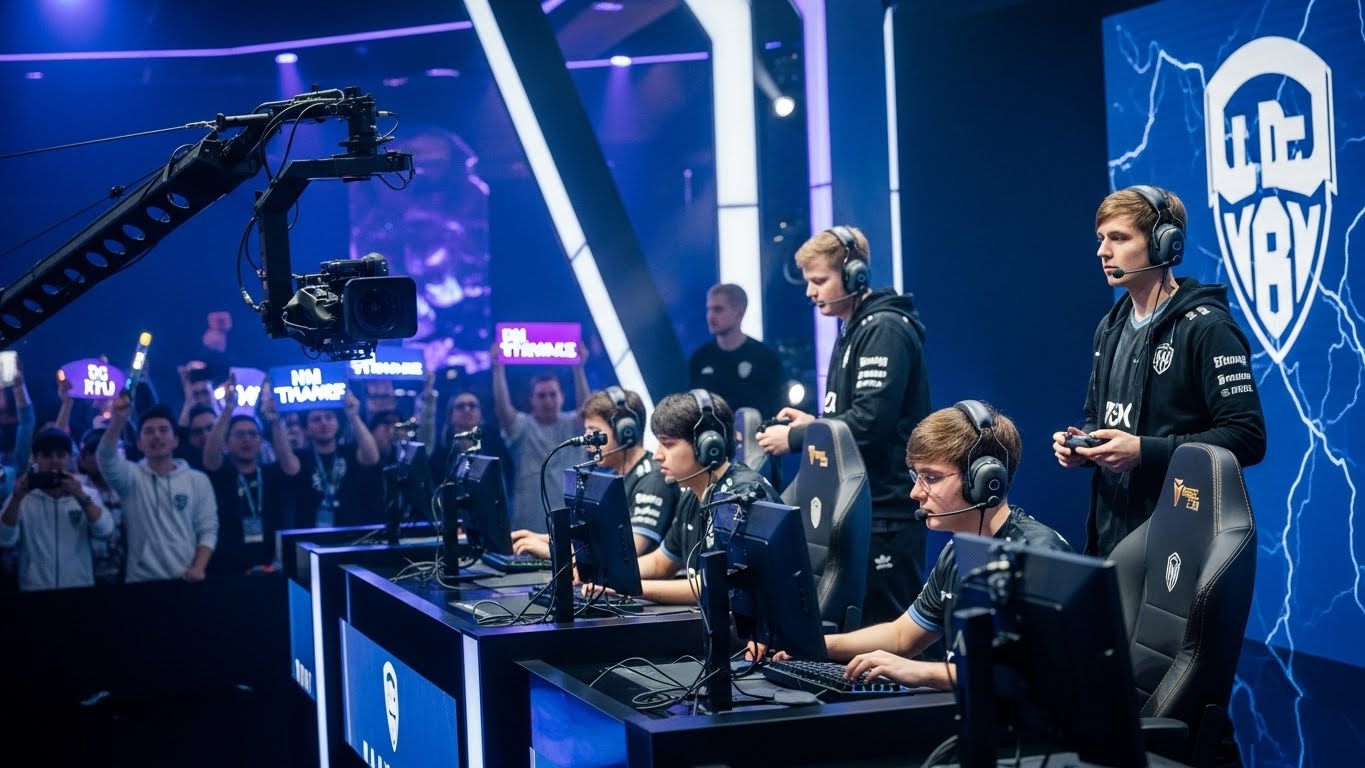
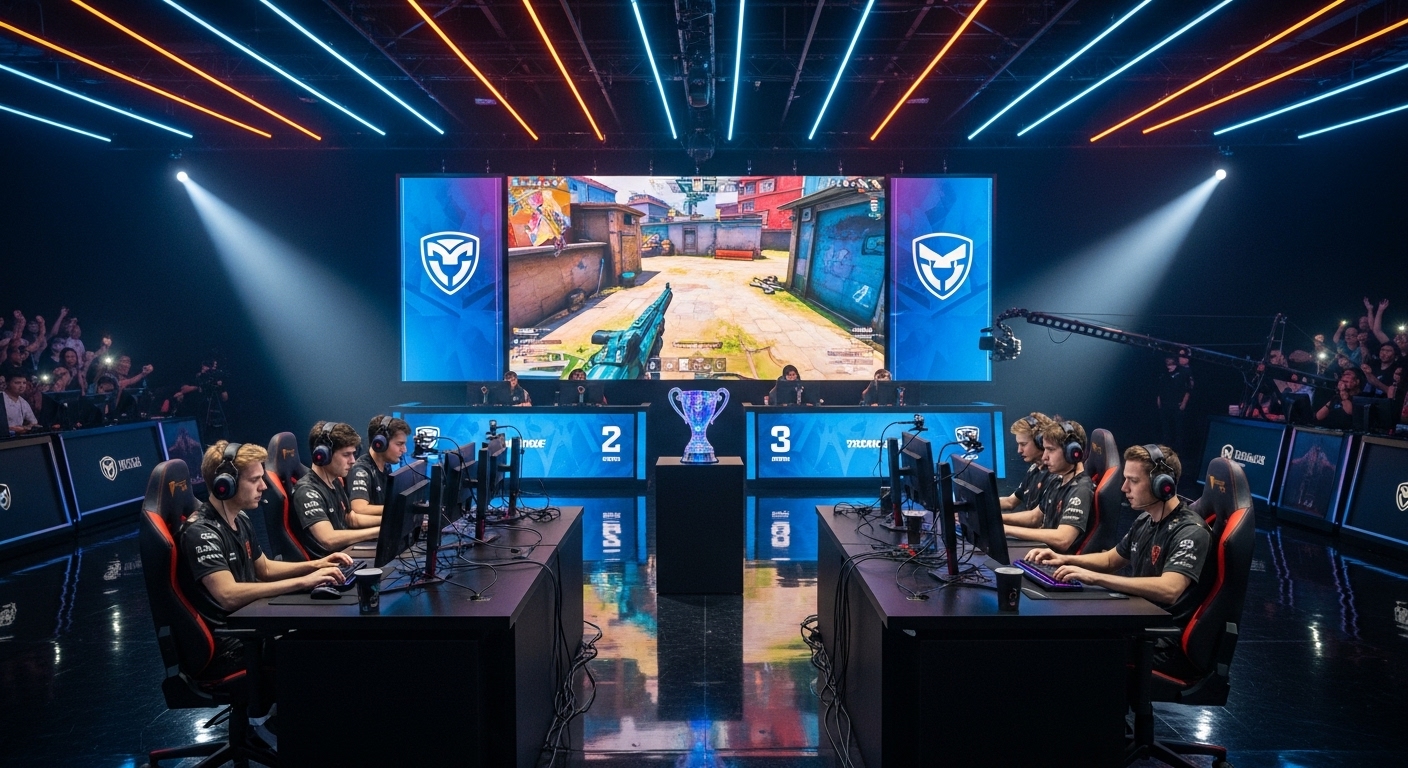
Esports tournaments are the centerpiece of the industry, showcasing the highest level of competition. Events range from local competitions to international championships with millions of dollars in prize pools. Leagues such as the League of Legends Championship Series, Overwatch League, and Dota 2’s The International provide structured competitive seasons, similar to traditional sports. Tournaments are meticulously organized, with live audiences, professional commentary, and detailed broadcast production. These events not only highlight player skill but also generate excitement and engagement for fans worldwide.
Professional Players The Rise of Digital Athletes
Professional esports players are the backbone of the industry. These individuals dedicate hours each day to practice, strategy, and teamwork, honing skills to compete at the highest level. Many players specialize in specific roles or characters, creating distinct playstyles that contribute to team dynamics. Beyond gameplay, professional players cultivate personal brands, interact with fans, and engage in media opportunities. The dedication and professionalism of esports athletes have elevated gaming to a respected and recognized career path.
The Role of Coaches and Support Staff Behind the Scenes
Like traditional sports, esports relies on coaches, analysts, and support staff to ensure team performance. Coaches develop strategies, analyze opponents, and guide players through high-pressure situations. Analysts review gameplay data to identify strengths, weaknesses, and patterns, offering insights that can be decisive in competitive matches. Support staff, including managers, nutritionists, and psychologists, contribute to overall player wellbeing and performance. This professional infrastructure highlights the complexity and seriousness of modern esports organizations.
Streaming and Broadcasting Expanding the Audience
The growth of streaming platforms has revolutionized esports viewership. Services allow fans to watch live matches, interact with players, and engage with content creators globally. Platforms such as Twitch, YouTube Gaming, and regional streaming services have become vital for building fan communities and expanding the industry. Broadcasting esports events professionally, with commentary, analysis, and production quality comparable to traditional sports, has further legitimized competitive gaming as mainstream entertainment.
Sponsorships and Revenue Models Fueling Growth
Esports has developed a robust economic ecosystem supported by sponsorships, advertising, merchandising, and ticketed events. Companies invest in teams, tournaments, and content creators to reach highly engaged audiences. Revenue models also include in-game purchases, streaming subscriptions, and branded content. The industry’s growth is fueled by its appeal to younger demographics who are digitally connected and passionate about gaming culture. Sponsorship and revenue opportunities have transformed esports into a multi-billion-dollar global industry.
Esports and Education Integrating Learning and Skill Development
Education has started recognizing esports as a valuable tool for skill development. Some universities and schools now offer esports programs, scholarships, and competitive teams. Students develop strategic thinking, teamwork, communication, and problem-solving skills through competitive play. Academic institutions see esports as a platform to engage students, integrate technology into learning, and prepare them for careers in gaming, technology, and media industries. This blend of education and entertainment highlights esports’ growing influence beyond leisure.
Mental and Physical Wellbeing Balancing Competition and Health
Esports requires intense focus, quick decision-making, and sustained mental energy, which can strain players if not managed properly. Many professional teams now emphasize physical fitness, mental health, and lifestyle balance to sustain long careers. Practices such as exercise routines, nutrition plans, and mindfulness training are integrated into daily regimens. Maintaining wellbeing ensures that players perform optimally and reduces burnout, showing that competitive gaming demands discipline comparable to traditional athletics.
Community and Fan Engagement Building Digital Ecosystems
Esports thrives on community interaction and fan engagement. Fans follow their favorite teams, discuss strategies, and participate in online forums or social media groups. Community-driven events, fan tournaments, and cosplay competitions strengthen connections and foster loyalty. Esports’ community-centric nature creates a sense of belonging, encouraging players and fans to engage in ways that go beyond simply watching matches. This dynamic ecosystem is a key driver of the industry’s sustained growth.
Global Impact of Esports Connecting Cultures and Regions
Esports transcends geographical boundaries, connecting players and fans worldwide. International competitions showcase talent from diverse regions, fostering cross-cultural interaction and collaboration. Countries like South Korea, the United States, and China have become esports hubs, investing heavily in infrastructure, talent development, and tournaments. The global nature of esports emphasizes its role as a unifying cultural phenomenon, demonstrating that digital competition can inspire shared experiences and understanding across borders.
Challenges and Criticisms Navigating the Competitive Landscape
Despite its growth, esports faces challenges such as ensuring fair play, managing online harassment, and combating performance-enhancing behavior. Issues like cheating, burnout, and unstable team structures require careful management. Additionally, the industry must address inclusivity, representation, and accessibility to ensure a sustainable future. By confronting these challenges, esports organizations aim to maintain credibility, support players, and create a safe environment for participants and fans alike.
The Future of Esports Innovations and Emerging Trends
The future of esports is bright and full of potential. Advances in virtual reality, augmented reality, and artificial intelligence promise to redefine competitive experiences. Cloud gaming may allow broader participation without requiring high-end hardware, and emerging markets will bring new talent and audiences. Integration with mainstream entertainment, traditional sports, and global media could further elevate esports’ profile. As technology evolves and the industry matures, esports will continue to expand, innovate, and inspire.
Conclusion Celebrating the Digital Arena of Competition
Esports represents the perfect fusion of technology, skill, entertainment, and community. From humble beginnings in arcades to massive international tournaments, it has transformed competitive gaming into a professional, respected, and globally recognized industry. Players, teams, fans, and organizers collectively shape a dynamic ecosystem that continues to grow and innovate. The rise of esports demonstrates that digital competition is not just a pastime—it is a powerful cultural and economic force shaping the future of entertainment and sport worldwide.