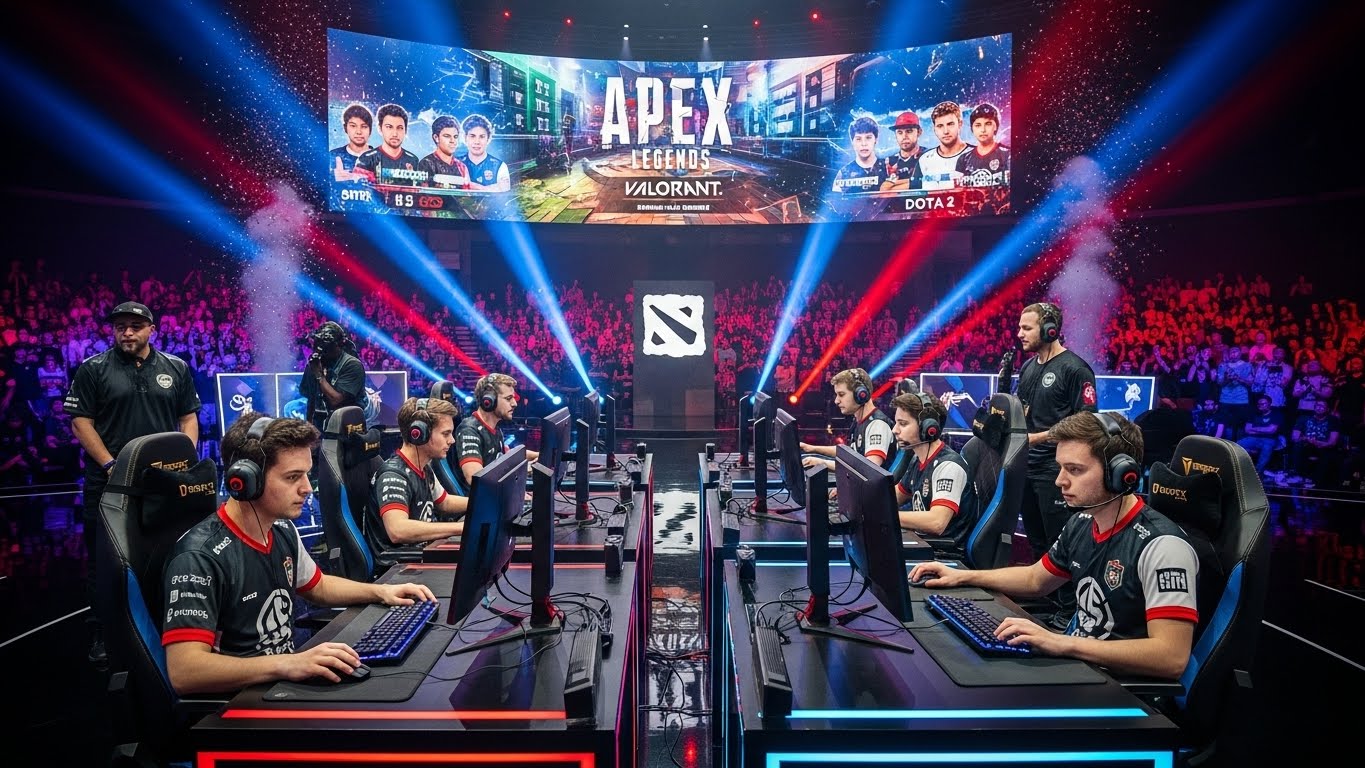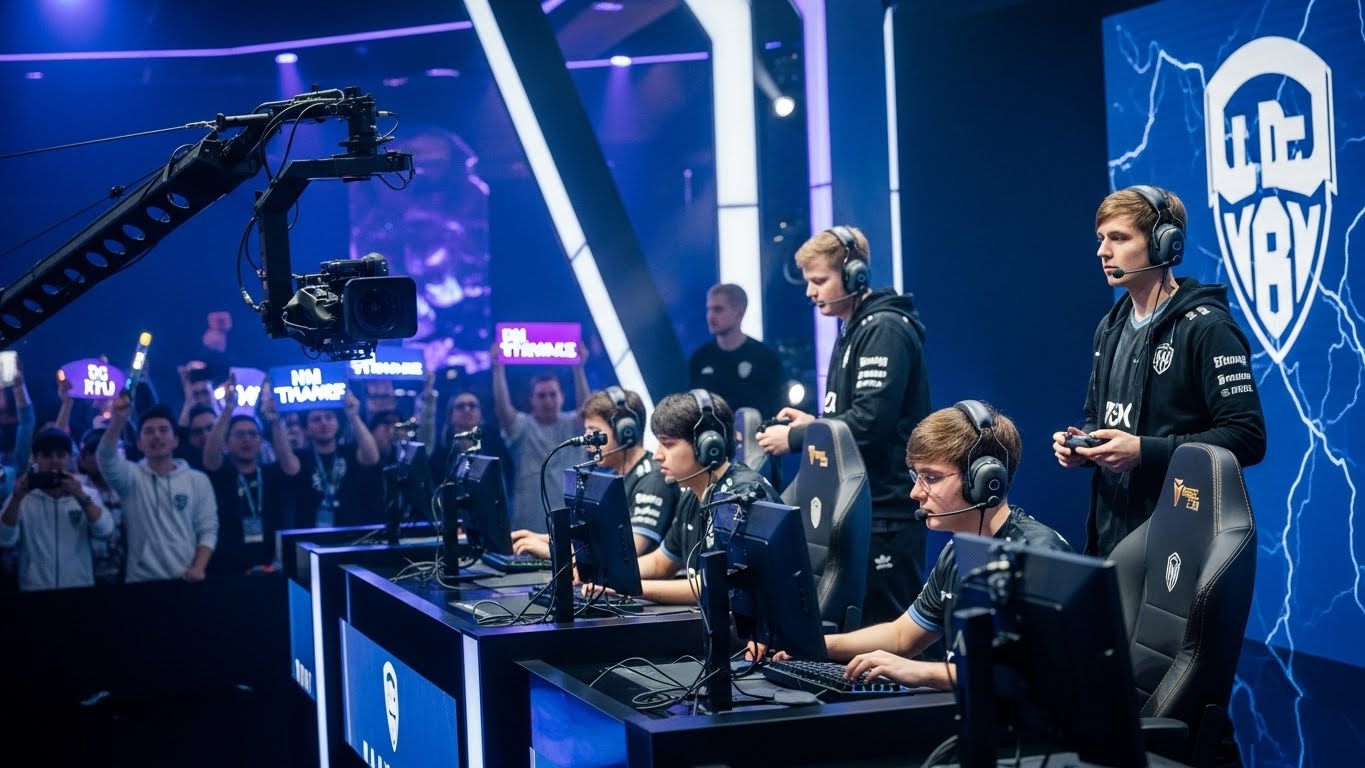
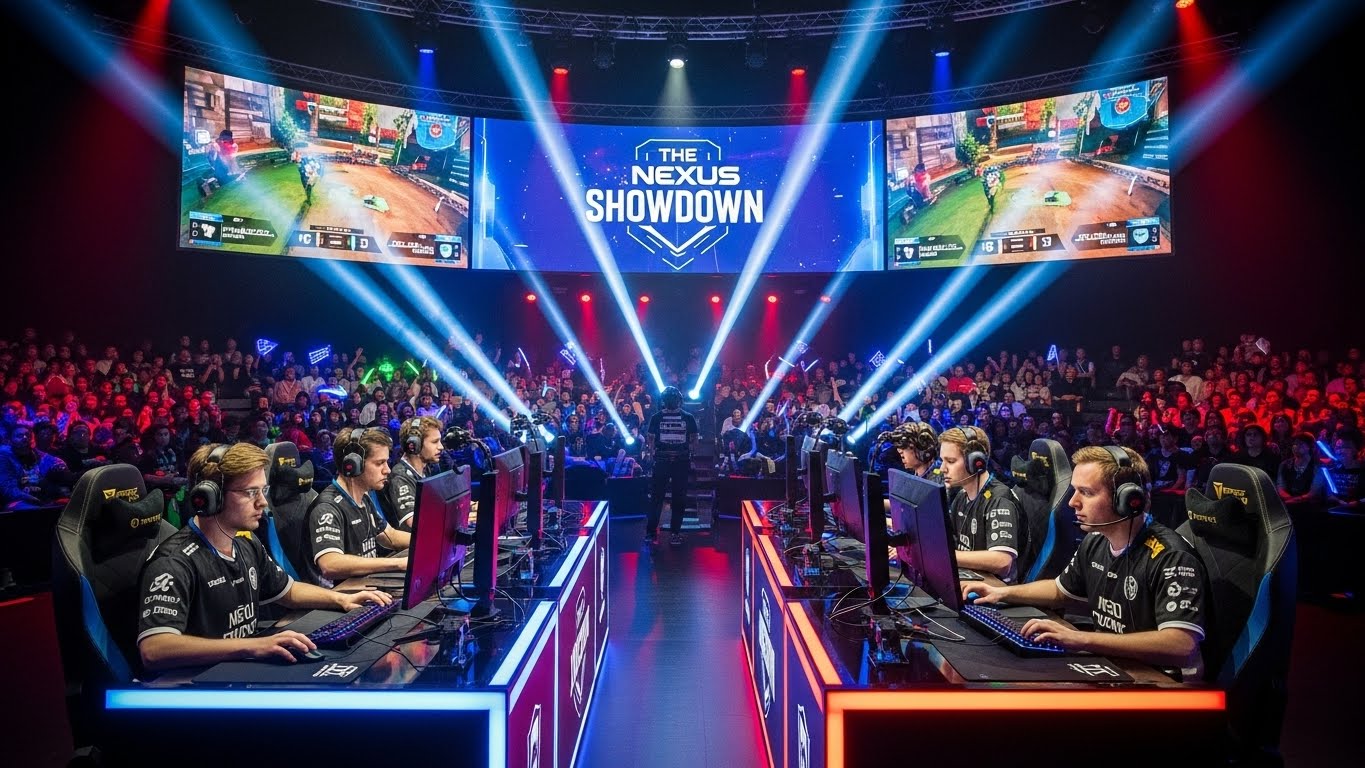
Esports has grown from a niche hobby into a global phenomenon over the past few decades. What was once seen as a subculture of gamers battling it out in obscure competitions is now a massive industry that draws millions of viewers, generates billions of dollars, and produces top-tier athletes who train as rigorously as those in traditional sports. With professional leagues, sponsorship deals, and even college scholarships, esports has become an undeniable force in the entertainment and sports industries.
In this blog post, we will explore the rise of esports, examining its origins, its rapid growth, and the key factors that have contributed to its mainstream success. We’ll also look at the future of esports, including how it is changing the way we view competition, sportsmanship, and entertainment.
The Origins of Esports
The roots of esports can be traced back to the early days of video gaming in the 1970s and 1980s. Arcade games such as Space Invaders and Pong were among the first to introduce the idea of competition in gaming. However, these games were limited in scope—players could compete for high scores, but there were few opportunities for more organized or structured competitions.
The first notable event that could be considered an early precursor to modern esports took place in 1980, when Atari hosted the Space Invaders Championship. The event attracted thousands of players, and the winner took home a grand prize of a new arcade game. This marked the beginning of competitive gaming, but it wasn’t until the 1990s that esports truly began to take shape.
In the early 1990s, the launch of games like Doom, Quake, and Warcraft led to the creation of local tournaments and LAN (local area network) parties, where players could compete against one another in real-time. These events were often organized by passionate fans who wanted to experience the thrill of live competition, even if the scope was relatively small by today’s standards.
However, it was the release of StarCraft in 1998 that truly kickstarted the global esports movement. The game’s strategic depth and competitive nature, combined with the rise of high-speed internet connections, allowed players to face off against one another online, leading to the birth of professional leagues and international competitions. South Korea, in particular, became a hotspot for competitive StarCraft, with the game becoming a national obsession. The country’s television network even broadcasted StarCraft tournaments, which attracted millions of viewers.
By the early 2000s, esports was beginning to gain serious traction, particularly in the Asian markets, where countries like South Korea, China, and Taiwan developed professional gaming leagues. This laid the foundation for what would later become a global esports ecosystem.
The Global Explosion of Esports
The 2010s marked the explosive growth of esports on a global scale. Streaming platforms like Twitch, which launched in 2011, revolutionized the way gamers could share their gameplay with the world. Players no longer had to rely on television broadcasts or physical tournament events to reach a broad audience—anyone with an internet connection could now watch top-tier players compete in real time.
Twitch quickly became the epicenter of the esports community. It allowed players to broadcast their games, interact with fans, and build large, dedicated followings. The popularity of Twitch also fueled the growth of esports as a spectator sport. In fact, by the mid-2010s, Twitch had become one of the most-watched streaming platforms on the planet, with millions of people tuning in to watch professional esports tournaments, as well as casual gaming streams.
One of the most important events that helped propel esports into the mainstream was the League of Legends World Championship, first held in 2011. League of Legends, developed by Riot Games, quickly became one of the most popular competitive games in the world, attracting millions of players and fans. By 2013, the League of Legends World Championship was held at the Los Angeles Staples Center, a venue traditionally reserved for major sports events like basketball and hockey. This was a landmark moment for esports, as it demonstrated the growing legitimacy of competitive gaming as a form of entertainment.
The League of Legends World Championship continued to grow year after year, with prize pools reaching into the millions and viewership breaking records. In 2018, the final match of the League of Legends World Championship attracted more than 100 million unique viewers, surpassing the viewership of many traditional sports events, including the Super Bowl.
In addition to League of Legends, other games like Dota 2, Counter-Strike: Global Offensive, and Overwatch also saw rapid growth in their competitive scenes. These games established their own professional leagues, tournaments, and fanbases, contributing to the overall expansion of esports. Major companies like Activision Blizzard and Valve Corporation began to invest heavily in esports, creating dedicated infrastructure, leagues, and events for their games.
The Esports Industry: A Multi-Billion Dollar Ecosystem
As esports grew in popularity, it evolved into a multi-billion-dollar industry, encompassing not only competitive gaming but also content creation, sponsorships, merchandise, and media rights. In 2021, the global esports industry was estimated to be worth more than $1.08 billion, with projections suggesting it could reach $1.6 billion by 2024.
Several factors have contributed to this meteoric rise. One of the key drivers is the increasing investment from major companies and traditional sports organizations. Brands like Coca-Cola, Intel, and Nike have signed sponsorship deals with esports teams, while tech giants like Microsoft, Google, and Amazon have invested in esports infrastructure, including gaming platforms and live-streaming services. In addition, traditional sports teams have entered the esports scene, with organizations like the New England Patriots and the Dallas Cowboys owning esports franchises.
Media rights have also played a huge role in the industry’s growth. Esports tournaments are broadcast across multiple platforms, including Twitch, YouTube, and Facebook, and major broadcasters like ESPN and Fox Sports have aired esports events on their channels. This increased exposure has brought esports to a wider audience, further solidifying its place as a mainstream entertainment option.
One of the most significant revenue streams for esports is the sale of digital content and in-game purchases. Games like Fortnite and PUBG have popularized the battle royale genre, and their in-game skins, cosmetics, and battle passes have created a lucrative model for both players and developers. Esports teams and players can also generate income through sponsorship deals, merchandise sales, and brand partnerships.
In terms of team operations, esports organizations have grown significantly in size and sophistication. Top-tier esports teams, such as Cloud9, T1, and FaZe Clan, have become household names, attracting millions of fans worldwide. These teams now operate much like traditional sports franchises, employing managers, coaches, analysts, and support staff to help players reach the peak of their performance.
Esports as a Profession: The Athletes Behind the Screen
In traditional sports, athletes are often regarded as the physical embodiment of excellence, the product of years of hard training and dedication. While esports athletes may not be physically competing in the same way as, say, football players or basketball stars, their training and dedication to their craft are just as rigorous.
Professional esports players dedicate hours each day to perfecting their gameplay, much like traditional athletes who practice their respective sports. The best esports players in the world spend an immense amount of time studying the games they play, analyzing strategies, and scrimmaging against other top players to refine their skills. A competitive League of Legends player, for example, may practice for up to 12 hours a day, honing their mechanics, communication, and teamwork.
Like traditional athletes, esports players also need to stay physically and mentally fit. Many teams now have dedicated performance coaches and psychologists to help players manage stress, stay focused, and prevent burnout. This is especially important in a sport where mental agility and concentration are key to success. Esports players also face physical challenges, such as repetitive stress injuries or issues related to posture from long hours of gameplay.
The life of a professional esports player can be incredibly demanding, with constant travel to tournaments, sponsorship obligations, and intense training schedules. As a result, many players experience short careers due to the pressures of competition and the physical toll it takes on their bodies. That said, the life of an esports player can also be incredibly rewarding, with top-tier players earning significant salaries from tournament prizes, streaming, sponsorships, and brand endorsements.
Esports has also created new opportunities for content creators and influencers. Streamers on platforms like Twitch and YouTube have become stars in their own right, with millions of followers and lucrative partnerships. Many of these content creators are former competitive players who transitioned into full-time streaming or content production. This shift has helped further normalize gaming and esports as a legitimate career path for young people.
The Future of Esports: Challenges and Opportunities
As esports continues to grow, there are both opportunities and challenges that lie ahead. One of the biggest opportunities is the potential for esports to be included in traditional sporting events, such as the Olympic Games. The International Olympic Committee (IOC) has already started exploring the possibility of adding esports to the Olympics, which could dramatically increase the visibility and legitimacy of competitive gaming on a global stage.
In addition to the Olympics, esports has the potential to grow even further by expanding into new markets and regions. While esports is already immensely popular in regions like North America, Europe, and Asia, emerging markets in Africa and South America offer untapped opportunities for growth. As internet access and mobile gaming infrastructure improve worldwide, more and more people will be able to participate in and consume esports content.