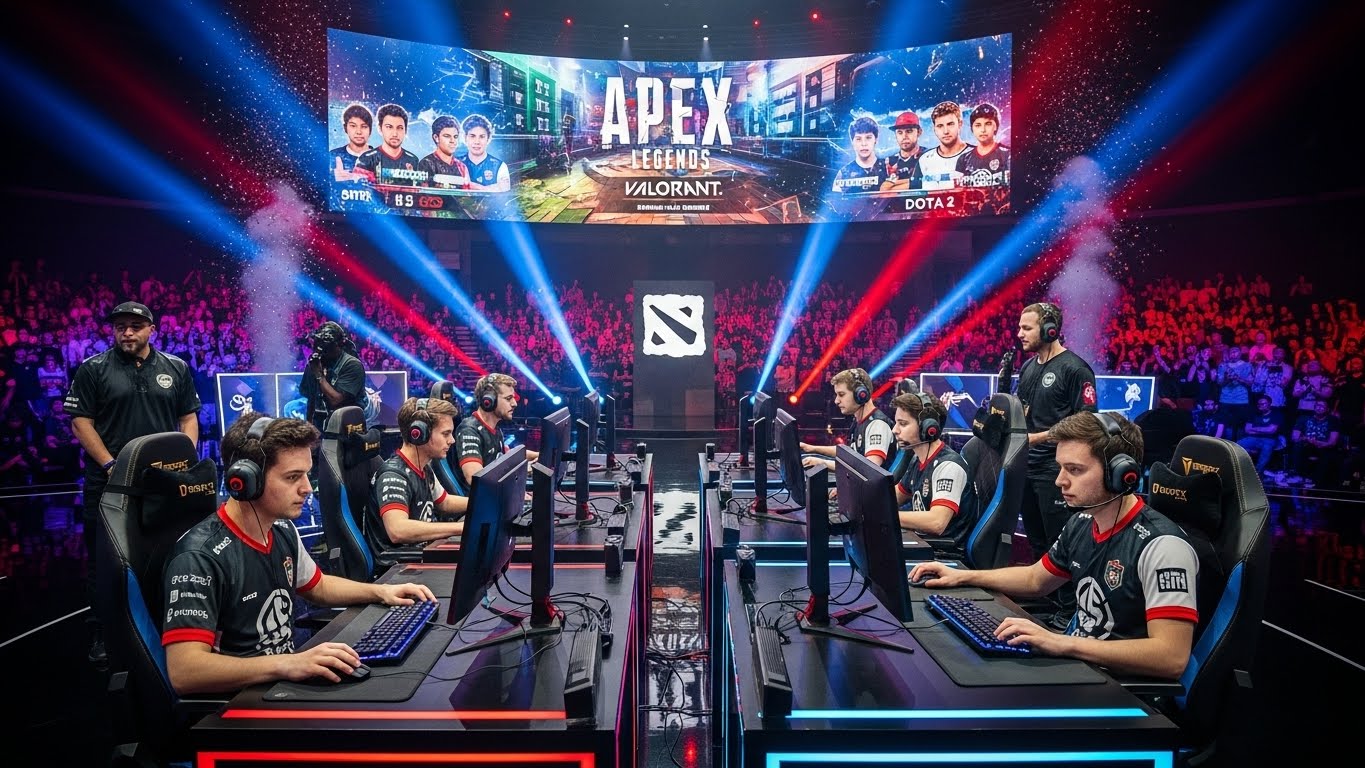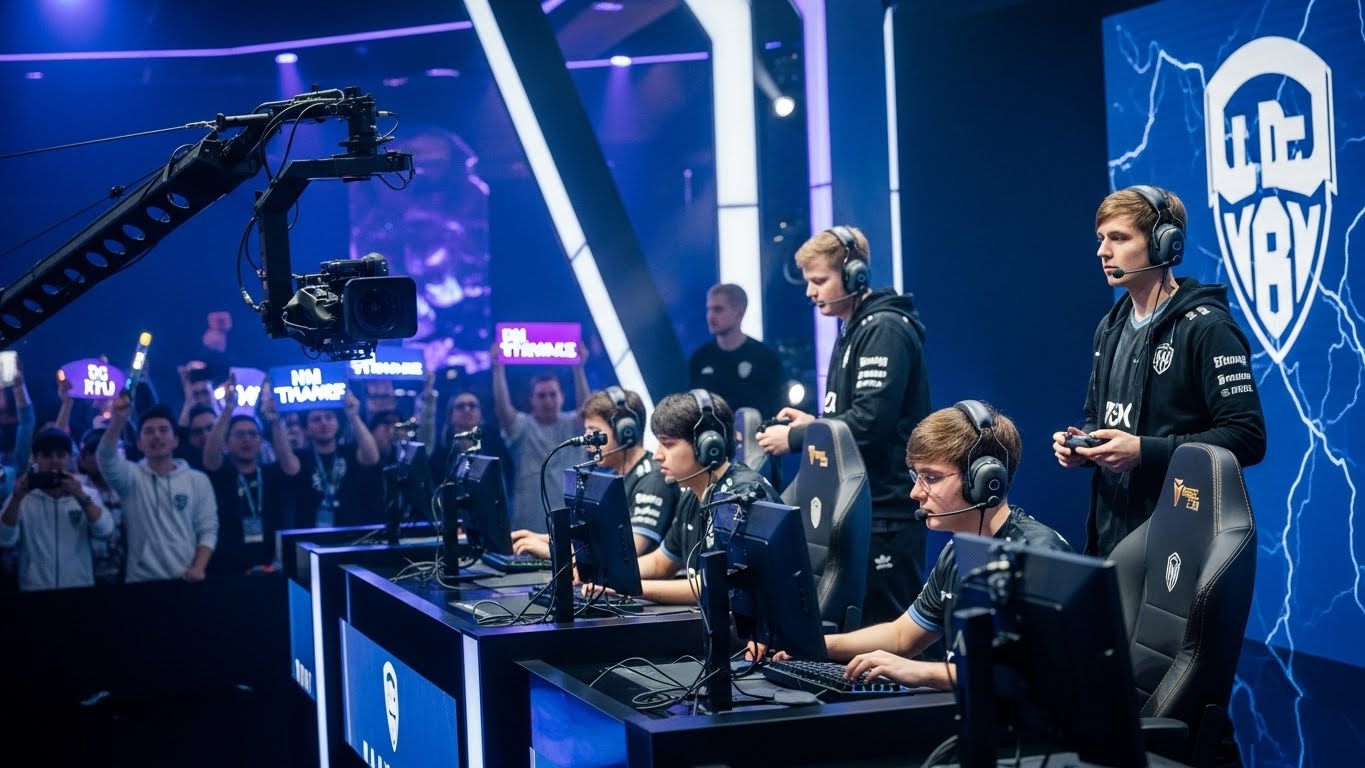
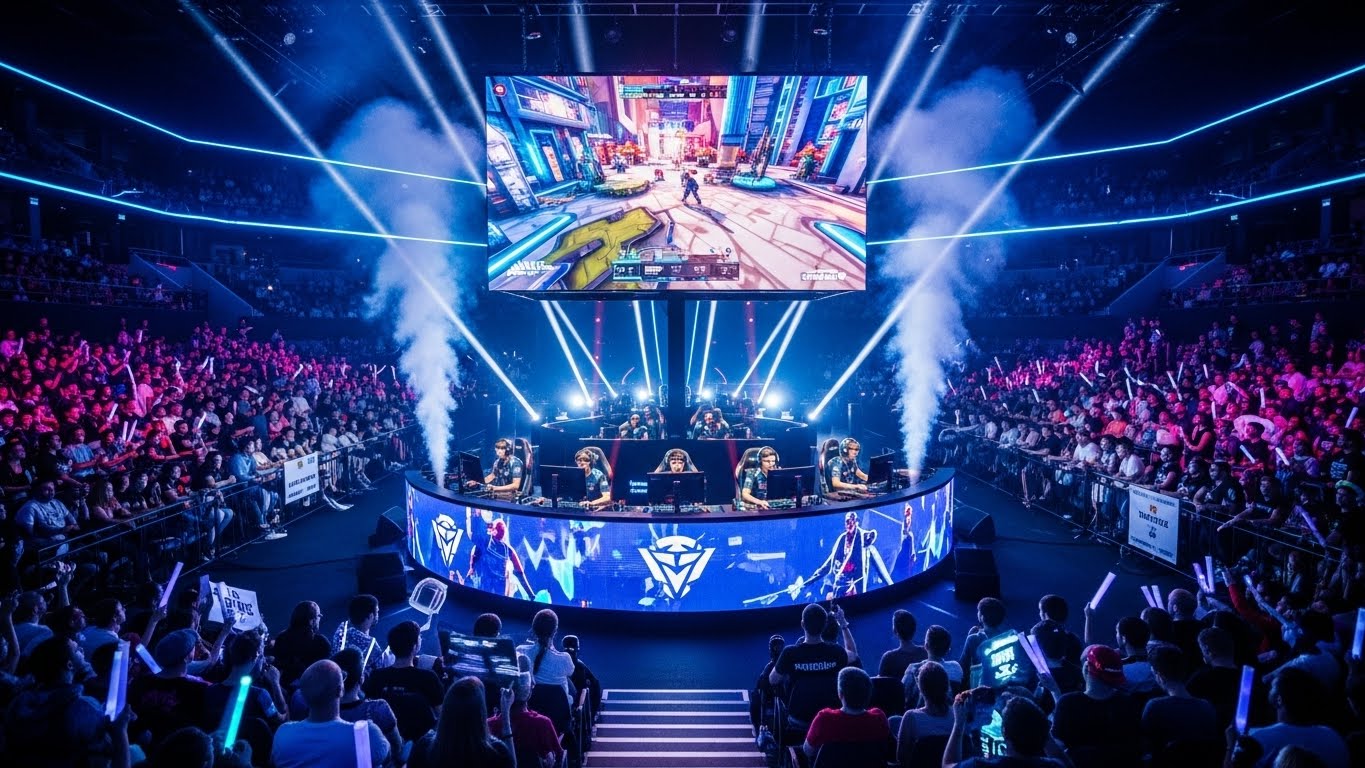
Esports, or electronic sports, has undergone a massive transformation in recent years, evolving from niche online tournaments to a globally recognized phenomenon. What once started as a hobby for gamers has now become a multi-billion-dollar industry, complete with professional leagues, sponsorships, and a dedicated fan base. In this blog post, we will explore the evolution of esports, its growing impact on the gaming community, the economy, and society at large, and the future of this exciting industry.
The Birth and Evolution of Esports
The origins of esports can be traced back to the late 1990s and early 2000s when competitive gaming was still in its infancy. Early tournaments were held on small scales, often just for fun, in arcades or small LAN (local area network) events. Games like StarCraft, Warcraft III, and Quake served as the backbone of competitive gaming during this period. While these early tournaments were limited to a handful of participants, they laid the groundwork for the massive esports ecosystem we know today.
The turning point for esports came in the mid-2000s with the advent of high-speed internet and the growth of online multiplayer games. Titles like Counter-Strike, League of Legends, and Dota 2 became incredibly popular, offering opportunities for players from around the world to compete against one another in real-time. This expansion of multiplayer games coincided with the rise of streaming platforms like Twitch, which allowed gamers to broadcast their gameplay to a global audience. These platforms not only allowed fans to follow their favorite players and teams but also enabled content creators to monetize their gameplay through ads, donations, and sponsorships.
The Esports Industry: A Multi-Billion Dollar Ecosystem
Today, esports is a multi-billion-dollar industry, encompassing not just gaming, but also broadcasting, sponsorships, merchandise, and events. According to recent reports, the global esports industry is projected to surpass $1.5 billion in revenue in 2023, with much of the growth driven by media rights deals, advertising, and sponsorships. Major tech companies, brands, and even traditional sports teams are now investing heavily in esports, seeing the potential to tap into a young and engaged audience.
One of the biggest revenue streams for the esports industry comes from sponsorships. Companies like Coca-Cola, Intel, and Red Bull have partnered with esports organizations to promote their products to millions of viewers. Esports teams, in turn, secure lucrative sponsorship deals to support their operations and pay their players. These partnerships have elevated esports from being a subculture to becoming a mainstream industry that is as commercially viable as traditional sports.
The development of major esports leagues, such as the Overwatch League and League of Legends Championship Series (LCS), has also helped to institutionalize competitive gaming. These leagues bring structure and consistency to the esports scene, offering players regular seasons, playoffs, and championship events with huge prize pools. The prominence of these leagues has made esports more attractive to both players and fans, creating a stable and sustainable environment for competitive gaming to thrive.
The Impact of Esports on Gaming Culture and Communities
Esports has significantly impacted the gaming culture, creating an ecosystem where players, streamers, and fans interact in ways that traditional sports never could. Gaming has always had a social aspect, but esports has taken this to the next level by fostering a community of highly dedicated and passionate fans. Whether it’s discussing strategy in online forums, supporting a favorite team on social media, or watching live broadcasts of tournaments, esports fans engage with the content on a deeper level.
One of the most notable aspects of the esports community is the growing emphasis on inclusivity and diversity. While competitive gaming has historically been dominated by men, the tides are slowly shifting. Women are increasingly taking part in esports, both as professional players and content creators, helping to break down barriers and stereotypes about who can be involved in gaming. Esports organizations and developers are also taking steps to ensure that their games are more inclusive, offering opportunities for underrepresented groups to participate in tournaments and events.
Streaming platforms like Twitch have also played a major role in democratizing esports culture. Anyone with a computer and internet connection can stream their gameplay and build a community around their content. This has led to the rise of amateur players and streamers who gain large followings, some of whom go on to become professional gamers. The ability to directly interact with viewers through live chat and social media has helped foster a sense of camaraderie among fans, making them feel more connected to the esports scene.
The Economic Impact: Jobs, Sponsorships, and Investment Opportunities
As the esports industry continues to grow, it is creating a wide array of jobs and opportunities for individuals with various skill sets. From professional gamers to game developers, broadcasters, event organizers, analysts, and marketing specialists, there is a growing demand for talent in the esports space.
Professional gamers, once thought of as hobbyists or enthusiasts, now have the opportunity to earn a full-time income through salaries, sponsorships, and tournament winnings. Top-tier players can earn millions of dollars annually, with a significant portion of their earnings coming from endorsement deals with major brands. For example, players like Faker (from League of Legends) and Ninja (a former Fortnite streamer) have become household names, attracting sponsorships from global brands like Samsung and Adidas.
Esports also presents a significant opportunity for investors. Venture capitalists and traditional sports organizations have taken notice of the industry’s rapid growth and are investing in esports teams, leagues, and events. This influx of capital has allowed esports organizations to expand their operations, sign top-tier talent, and host larger and more extravagant events. With more mainstream companies entering the space, the long-term potential of esports as an investment opportunity remains promising.
Esports and the Future of Sports Entertainment
The rise of esports is challenging traditional notions of sports and entertainment. With younger generations increasingly turning to digital platforms for their entertainment, esports has become a natural fit for the digital age. The accessibility of online gaming, combined with the appeal of watching skilled players compete, makes esports more appealing to digital-native audiences than traditional sports.
One of the key factors driving esports’ continued growth is its global reach. Unlike traditional sports, which are often limited by regional or national borders, esports allows players from all over the world to compete against one another in real time. This creates a truly global community of gamers, where players from different countries and backgrounds can come together to share their passion for gaming. Major esports tournaments like The International (Dota 2) and League of Legends Worlds attract viewers from all corners of the globe, cementing esports as a truly international phenomenon.
In addition, advancements in technology, including virtual reality (VR) and augmented reality (AR), are expected to further revolutionize esports in the coming years. These technologies have the potential to create even more immersive and engaging gaming experiences, allowing players and spectators to interact in ways that were previously unimaginable. As VR and AR technology becomes more mainstream, it’s likely that esports will continue to evolve, offering new formats and experiences that will further push the boundaries of competitive gaming.
Challenges Facing Esports
Despite its rapid growth, esports is not without its challenges. One of the most significant issues facing the industry is player burnout. Competitive gaming requires intense focus, practice, and dedication, and many professional players struggle to maintain their performance over long periods of time. In some cases, players experience physical and mental exhaustion, leading to a decline in performance or early retirement. This has sparked a conversation about player welfare, with organizations and leagues taking steps to address the mental health challenges faced by players.
Another challenge is the issue of cheating and match-fixing, which has plagued esports in recent years. As esports grows in popularity and prize money increases, the temptation to cheat or manipulate results becomes greater. Esports organizations and tournament organizers are implementing stricter anti-cheating measures and partnering with third-party companies to monitor and enforce fair play.
Finally, the question of sustainability remains a concern. While esports is booming, it remains to be seen whether the industry can maintain its rapid growth in the long term. The influx of investment and sponsorships may slow down if the industry fails to reach new audiences or maintain its current levels of engagement. Ensuring that esports remains appealing to both players and fans will be crucial to its continued success.
Conclusion: The Future of Esports
Esports is more than just a passing trend; it represents a digital revolution that is reshaping the world of sports and entertainment. With its rapid growth, expanding fan base, and increasing financial opportunities, esports is on track to become one of the most prominent industries of the next decade. Whether you’re a gamer, a fan, or a casual observer, it’s clear that esports is here to stay.
As technology continues to advance and the industry matures, esports will likely face new challenges, but it will also open up exciting new possibilities for players, fans, and investors alike. The future of esports looks bright, and as long as the passion and dedication of its community continue to drive its growth, esports will continue to be a force to be reckoned with in the world of competitive gaming and entertainment.