Introduction: The New Frontier of Competitive Gaming
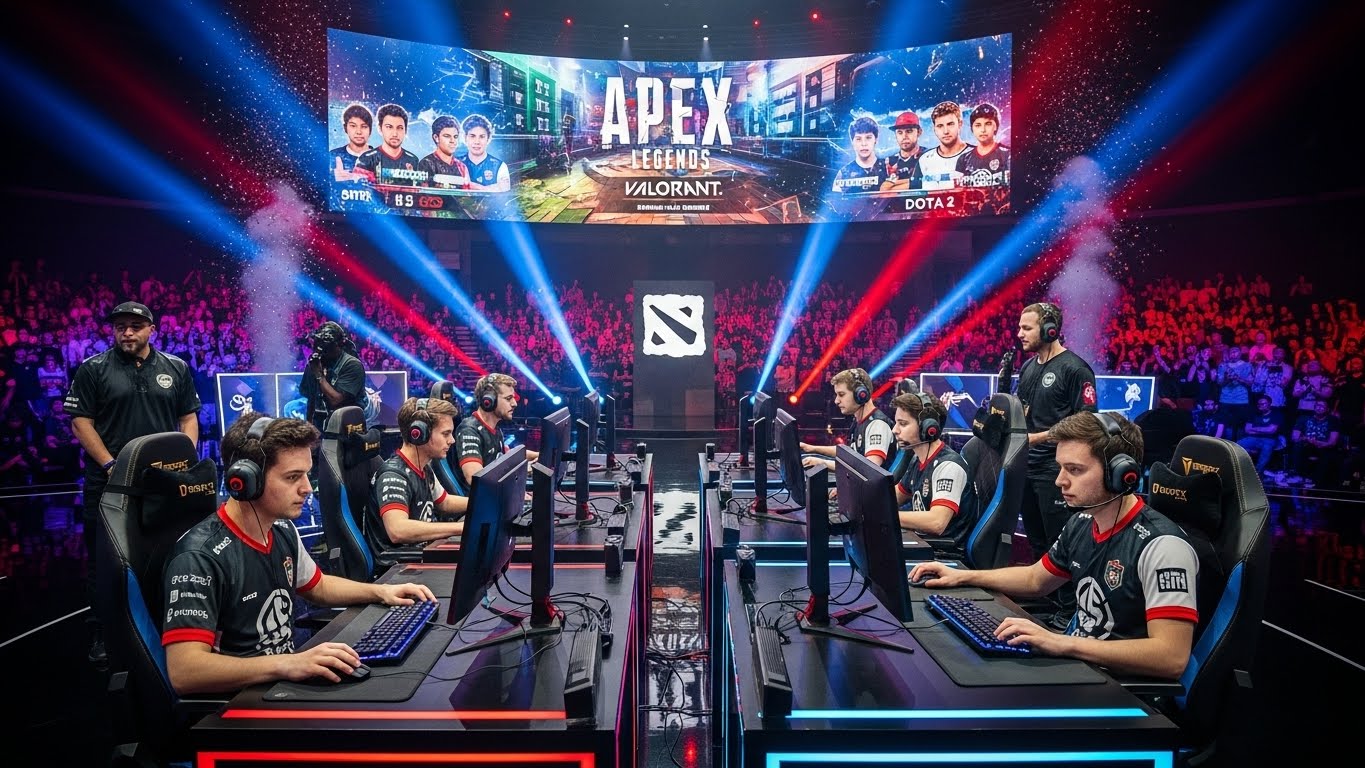
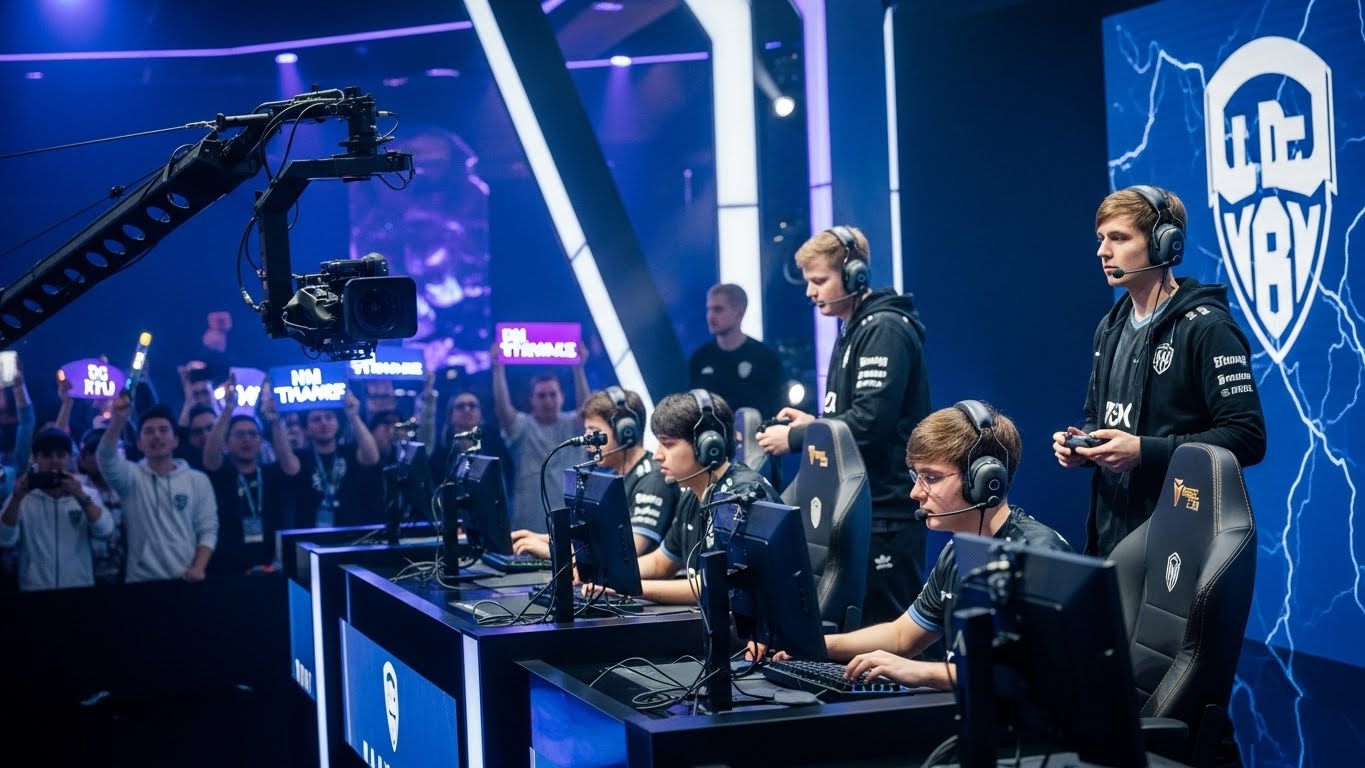
Esports, short for electronic sports, has transformed gaming from a casual hobby into a highly competitive, professional, and globally recognized industry. Once considered a niche activity for enthusiasts, esports now attracts millions of viewers, sponsors, and players worldwide. The combination of technology, community, and competition has elevated video games into a legitimate form of sports entertainment, complete with tournaments, leagues, and professional athletes. This blog explores the growth of esports, its cultural impact, career opportunities, technological innovations, and the factors shaping its exciting future.
The Evolution of Esports
Esports did not emerge overnight. Its roots trace back to the early 1980s when video game competitions like arcade tournaments started gaining attention. As personal computers and consoles became more common, competitive gaming evolved. Titles such as StarCraft in South Korea and Counter-Strike globally laid the foundation for professional esports leagues.
The 2000s brought further development with the rise of online multiplayer platforms, allowing players from different regions to compete in real time. By the 2010s, streaming platforms revolutionized esports, broadcasting live matches to millions of viewers worldwide. Today, esports is a multibillion-dollar industry encompassing multiple genres, from strategy games and first-person shooters to battle royale and sports simulations.
Popular Esports Genres and Games
Esports covers a wide range of game genres, each attracting unique audiences and professional players. Multiplayer Online Battle Arenas (MOBAs) like League of Legends and Dota 2 focus on teamwork, strategy, and skill. First-person shooters (FPS) such as Counter-Strike: Global Offensive, Valorant, and Call of Duty emphasize precision, reflexes, and coordination.
Battle royale games, including Fortnite and Apex Legends, combine survival mechanics with fast-paced action. Sports simulations like FIFA and NBA 2K bridge traditional athletics and virtual competition. Card and strategy games such as Hearthstone test players’ tactical thinking and adaptability. The diversity of esports genres ensures there is something for every type of player and viewer.
The Role of Streaming and Digital Platforms
One of the key factors in esports’ rise is streaming technology. Platforms allow gamers to broadcast their matches live, attracting audiences who enjoy both casual gameplay and professional competition. Viewers can interact with players in real time, creating a sense of community and engagement.
Streaming has also expanded revenue opportunities through sponsorships, subscriptions, donations, and advertising. Content creators and esports organizations leverage these platforms to grow their fanbase, build brand loyalty, and monetize their talent. The accessibility of streaming makes esports not just a spectator sport, but a participatory culture where anyone can join, watch, or learn.
Professional Esports and Competitive Leagues
Professional esports players dedicate hours of practice daily to compete at the highest level. Teams participate in regional and international leagues, often with structured seasons, rankings, and playoffs. Major tournaments like The International for Dota 2 or the League of Legends World Championship offer prize pools in the millions, attracting global attention.
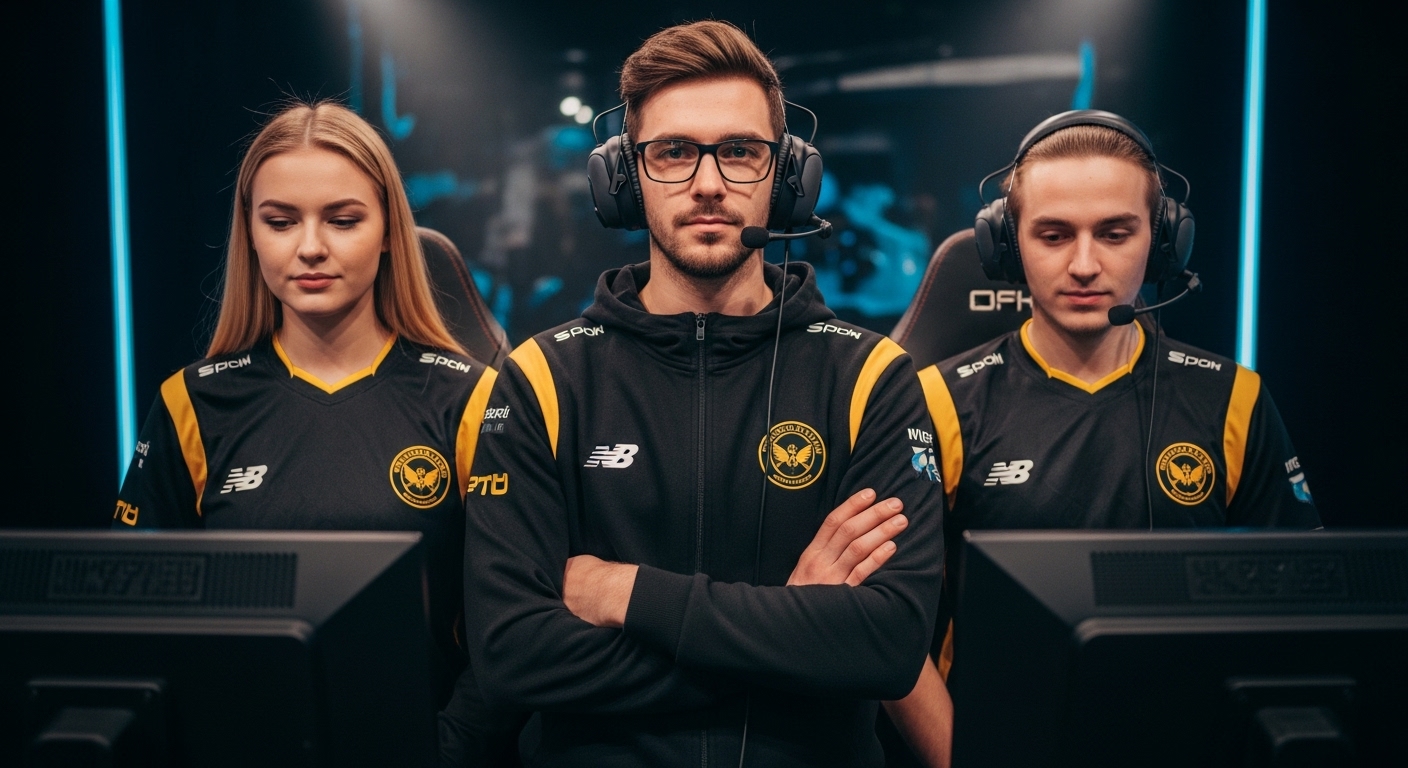
Esports organizations operate much like traditional sports clubs, employing coaches, analysts, and managers to optimize team performance. Sponsorships from tech companies, apparel brands, and energy drink manufacturers provide additional financial support. The professionalization of esports demonstrates its legitimacy as a career path and highlights the dedication required to succeed.
Esports as a Career: Beyond Playing
While professional players are the most visible faces of esports, the industry offers a wide range of career opportunities. Coaches, analysts, and strategists help teams refine gameplay and tactics. Event organizers, production staff, and broadcast teams manage tournaments, livestreams, and commentary. Marketing, sponsorship management, and social media specialists build audience engagement and brand presence.
Game developers, designers, and technical specialists also play a vital role in shaping the competitive environment. Careers in esports are diverse, offering options for those with skills in leadership, creativity, analysis, or technology. The expanding industry continues to generate opportunities in both gaming-related and supporting fields.
The Global Impact of Esports
Esports has become a cultural phenomenon with far-reaching effects. Countries like South Korea have integrated competitive gaming into mainstream culture, offering scholarships, professional leagues, and government support. China and the United States have rapidly growing esports markets, hosting major tournaments with millions of viewers worldwide.
Esports fosters international collaboration and competition, connecting people from different countries, languages, and backgrounds. It encourages teamwork, strategic thinking, communication, and resilience. For many, esports also provides a sense of community, belonging, and identity, bridging the gap between digital and real-world social interactions.
Technological Innovations Driving Esports
The growth of esports is closely linked to technological advancements. High-speed internet, streaming platforms, and powerful gaming hardware allow players to compete at professional levels. Advanced analytics tools track player performance, providing insights into strategy, efficiency, and skill development. Virtual reality and augmented reality are emerging as potential next steps, creating immersive competitive experiences that further blur the lines between gaming and reality.
Artificial intelligence also plays a role in game design, matchmaking, and content recommendations. These technologies enhance both player and viewer experiences, making esports more dynamic, accessible, and engaging than ever before.
The Challenges Facing the Esports Industry
Despite rapid growth, esports faces unique challenges. Player burnout and mental health concerns are common due to intense training schedules, high expectations, and public scrutiny. The industry also struggles with issues of inclusivity, gender representation, and online toxicity.
Regulation and standardization are ongoing concerns. Unlike traditional sports, esports lacks a global governing body, leading to inconsistent rules, contracts, and competitive standards. Additionally, the industry must balance commercial interests with fair competition to maintain credibility and sustainability.
Esports and Education
Esports is increasingly intersecting with education. Universities and colleges now offer esports programs, scholarships, and competitive teams. These initiatives teach teamwork, leadership, digital literacy, and game design skills, preparing students for careers both within and outside the gaming industry.
Educational esports programs also promote critical thinking, communication, and strategic planning. They help legitimize gaming as a productive and skill-based activity rather than a purely recreational pastime. As esports continues to grow, education will play a key role in fostering future talent and supporting industry development.
The Future of Esports
The future of esports is both exciting and unpredictable. Growth will likely continue as technology advances, global audiences expand, and cultural acceptance increases. Innovations like virtual reality arenas, AI-assisted coaching, and enhanced viewer interactivity could redefine the esports experience.
Esports is also expected to integrate more closely with mainstream sports, entertainment, and media industries. Collaborations with music, film, and traditional athletics could create hybrid experiences that attract even broader audiences. The evolving landscape promises opportunities for players, creators, and fans alike.
Conclusion: A Cultural Revolution in Gaming
Esports has moved far beyond its humble beginnings, becoming a professional, global, and highly influential form of entertainment. It combines skill, strategy, technology, and community, creating a cultural phenomenon that resonates with millions worldwide. From competitive players and streamers to fans and supporting industries, esports continues to shape the way we play, watch, and interact with games.
As technology advances and the audience grows, esports is poised to redefine the boundaries of sports, entertainment, and digital culture. What started as a niche hobby is now a global spectacle, a career path, and a powerful testament to the transformative potential of gaming in the modern era. The world of esports is not just growing—it is changing the way we experience competition, creativity, and connection in the 21st century.