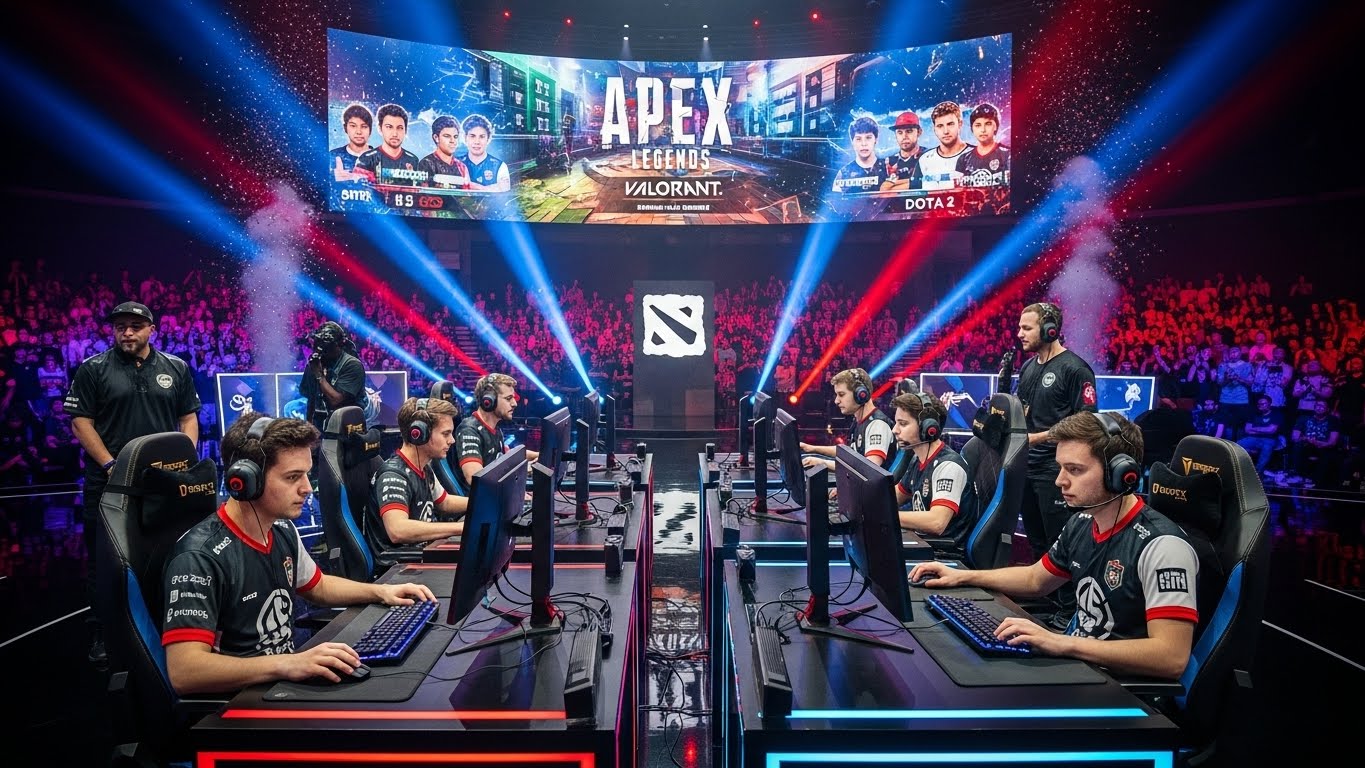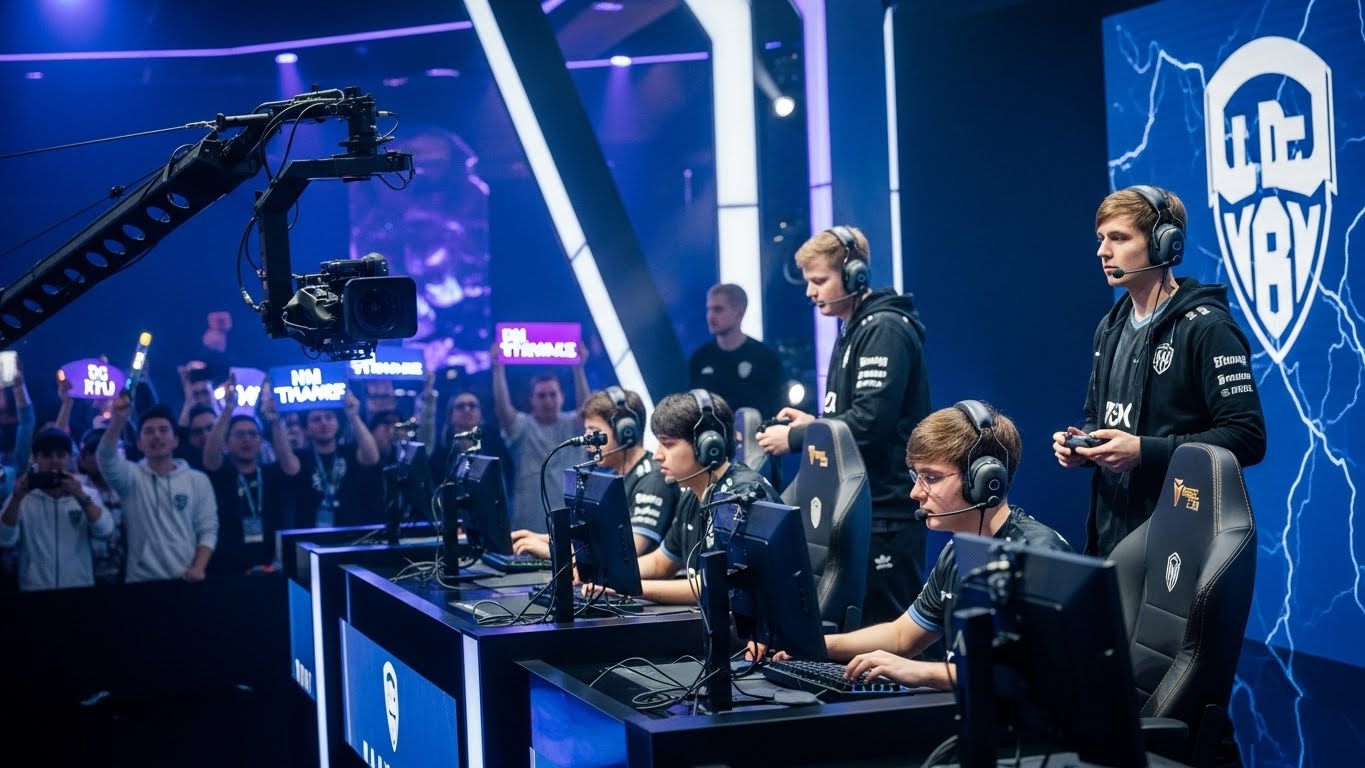
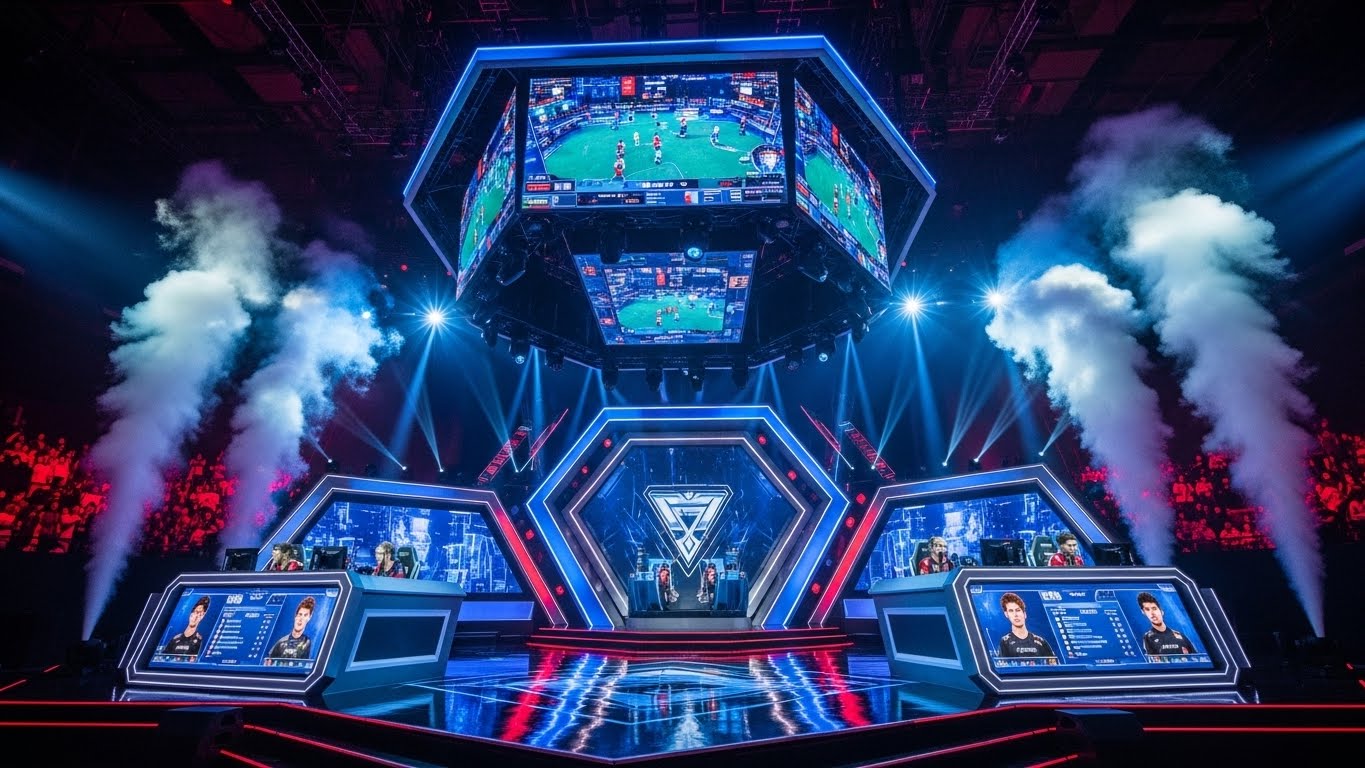
Esports, or competitive gaming, has grown from a niche hobby into a global phenomenon that rivals traditional sports in both popularity and economic impact. It encompasses professional competitions in video games, live streaming, and interactive gaming experiences. Esports not only entertains millions of viewers but also provides career opportunities, fosters social connections, and demonstrates how technology can redefine competition. This blog explores the evolution, impact, and future of esports in modern society.
What is Esports?
Esports refers to organized, competitive video gaming where individuals or teams compete in tournaments and leagues for recognition, prizes, and professional status. Popular games in esports include titles like League of Legends, Dota 2, Counter-Strike: Global Offensive, Fortnite, and Valorant. Competitions range from local events to international tournaments broadcast to millions of viewers.
Unlike casual gaming, esports emphasizes skill, strategy, teamwork, and consistency. Players train for hours daily, study strategies, and develop advanced techniques to compete at the highest level. Esports has transformed gaming from a recreational pastime into a serious professional pursuit.
The Evolution of Esports
Esports has evolved dramatically over the past few decades. In the early 1990s, competitive gaming was primarily informal and local, often taking place in small communities or gaming cafes. Early tournaments featured games like StarCraft, Quake, and Warcraft.
The growth of the internet and streaming platforms in the 2000s expanded esports’ reach globally. Online competitions allowed players to compete across regions, while audiences could watch live matches in real-time. Today, esports boasts massive international tournaments with millions of viewers, high-profile sponsorships, and prize pools exceeding millions of dollars. The professionalization of esports has elevated it to a legitimate and respected industry.
The Appeal of Esports
Esports attracts a diverse audience for several reasons. One primary factor is accessibility. Anyone with a computer, console, or mobile device can participate, breaking down traditional barriers to entry seen in physical sports.
Another appeal is interactivity. Viewers engage with players through live chats, social media, and streaming platforms, creating a sense of community and shared excitement. The combination of strategy, skill, and entertainment makes esports highly engaging for both participants and audiences.
Additionally, esports allows players to pursue a career doing something they are passionate about. Professional gamers, streamers, and content creators earn income through sponsorships, tournament winnings, and audience support, making esports a viable profession for talented individuals.
The Role of Technology in Esports
Technology is the backbone of esports. High-speed internet, advanced graphics, and powerful hardware enable competitive gaming at elite levels. Streaming platforms allow live broadcasts to global audiences, providing real-time access to matches, commentary, and behind-the-scenes content.
Performance tracking software, analytics tools, and training programs help players improve strategies and optimize gameplay. Virtual reality and augmented reality technologies are beginning to introduce new dimensions to esports, creating immersive experiences for both players and spectators. Technology ensures that esports remains innovative, dynamic, and engaging.
Esports as a Career
Esports has created legitimate career opportunities across multiple fields. Professional players dedicate hours daily to training, mastering strategies, and maintaining peak performance. Teams employ coaches, analysts, and managers to optimize performance and coordinate logistics.
Beyond gameplay, careers in content creation, streaming, marketing, event management, and game development are closely tied to the esports ecosystem. Influencers and streamers connect with fans worldwide, while organizers manage tournaments and leagues. Esports demonstrates that gaming can evolve into a professional, sustainable career path.
The Competitive Structure of Esports
Esports competitions are highly structured, often resembling traditional sports leagues. Tournaments feature regional qualifiers, playoffs, and global finals. Teams and players earn rankings, points, and rewards based on performance.
Professional esports organizations recruit talent, provide training facilities, and support players with nutrition, psychology, and physical fitness programs. The competitive structure ensures fairness, skill recognition, and long-term career sustainability. It also attracts sponsors and media partnerships, fueling the growth and legitimacy of esports as a professional sport.
Esports and Mental Skills
Esports requires more than physical dexterity; mental acuity is equally important. Players must maintain focus, make split-second decisions, anticipate opponents’ moves, and adapt strategies in real-time.
Cognitive skills such as problem-solving, memory, and pattern recognition are honed through constant practice. Esports also teaches resilience, stress management, and teamwork. Mental preparation, including visualization and mindfulness techniques, plays a crucial role in achieving peak performance. The mental rigor of esports demonstrates that it is a discipline as demanding as traditional physical sports.
Esports and Community
Community is central to esports. Fans, players, and organizers interact through streaming platforms, forums, and social media. Multiplayer games foster online collaboration, teamwork, and competition, creating bonds between individuals worldwide.
Esports tournaments are not only events to watch but also social experiences. Spectators cheer, discuss strategies, and celebrate victories together. This sense of community transcends geography, culture, and language, highlighting esports’ potential to connect people globally through shared passion and engagement.
The Business of Esports
Esports is a booming industry, generating billions in revenue annually. Income streams include sponsorships, merchandise, broadcasting rights, tournament prize pools, and advertising. Global brands invest in esports to reach younger audiences, who are increasingly engaged with digital entertainment.
The economic impact extends beyond players and teams. Game developers, hardware manufacturers, streaming platforms, and event organizers all benefit from the growth of esports. This economic ecosystem demonstrates that esports is not only entertainment but also a significant contributor to the digital economy.
Challenges in Esports
Despite its growth, esports faces challenges. Player burnout is a significant issue, as professional gamers often practice for long hours under intense pressure. Health concerns, such as eye strain, repetitive stress injuries, and mental stress, require careful management.
Fair play is another challenge. Cheating, hacking, and performance-enhancing tools threaten the integrity of competition. Regulatory frameworks, anti-cheat systems, and player welfare programs are essential to address these concerns and maintain trust in the industry.
Additionally, esports must combat stereotypes and gain broader societal recognition as a legitimate sport. Continued professionalization, education, and mainstream media coverage are key to overcoming these challenges.
Esports and Global Reach
Esports has a global following, with professional leagues and tournaments in North America, Europe, Asia, and Latin America. International competitions attract millions of viewers and participants, making esports a worldwide phenomenon.
Global reach allows talent to be discovered from any region, promoting diversity and inclusivity. Fans engage with international tournaments, celebrate cultural differences, and learn new strategies. The global nature of esports reinforces the idea that digital competition transcends borders and fosters unity through shared experiences.
The Future of Esports
The future of esports is bright and evolving rapidly. Emerging technologies such as virtual reality, augmented reality, and artificial intelligence will create more immersive, interactive, and personalized experiences.
Educational institutions are increasingly recognizing esports, offering scholarships, training programs, and research opportunities. The professionalization of esports continues, with standardized regulations, player welfare programs, and broader media coverage.
Esports will continue to grow as a legitimate, inclusive, and influential industry, offering opportunities for players, fans, and businesses alike. It is poised to become an integral part of global sports and entertainment culture.
Conclusion: The Transformative Power of Esports
Esports has transformed gaming from a hobby into a professional, competitive, and global phenomenon. It combines skill, strategy, technology, and entertainment, engaging millions of players and spectators worldwide. Esports promotes teamwork, mental resilience, and cognitive development while creating career opportunities and fostering community.
As technology evolves, esports will continue to redefine competition, entertainment, and social connection. It demonstrates that the spirit of sports extends beyond physical fields into digital arenas, where dedication, skill, and strategy are celebrated. Esports is more than gaming—it is a reflection of human innovation, passion, and the power of digital culture to bring people together.
The rise of esports proves that competition, entertainment, and community can thrive in the digital age, offering experiences that are as exhilarating and meaningful as traditional sports.